

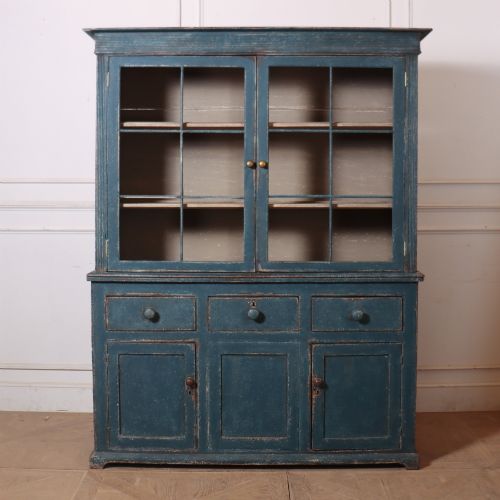
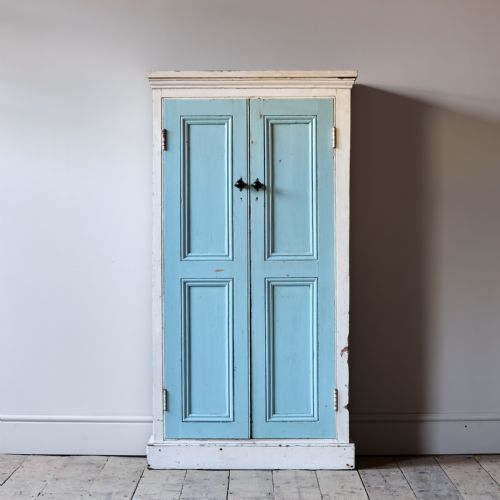


Rustic Blue Cabinet
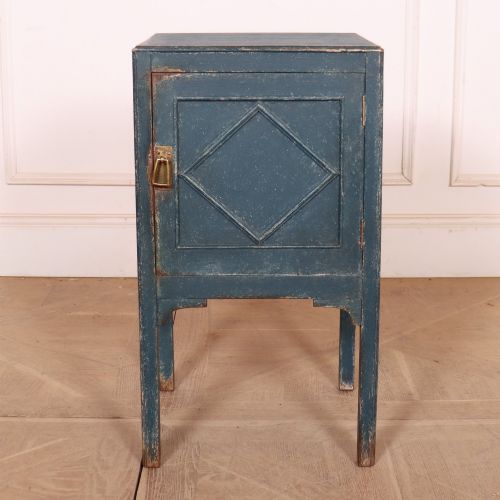
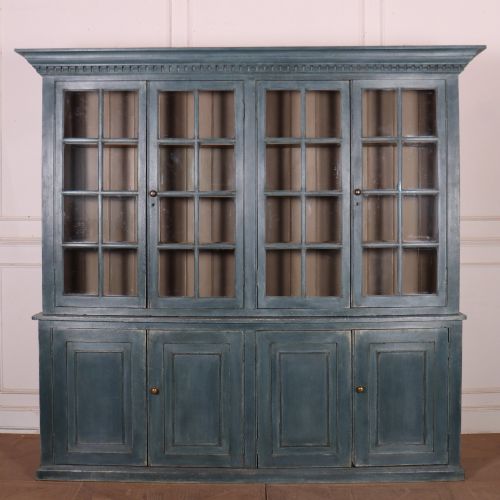
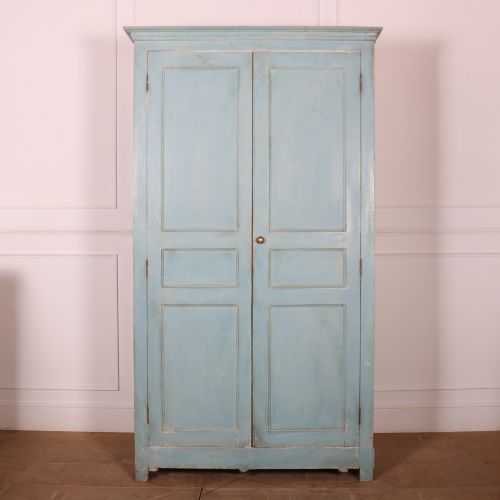
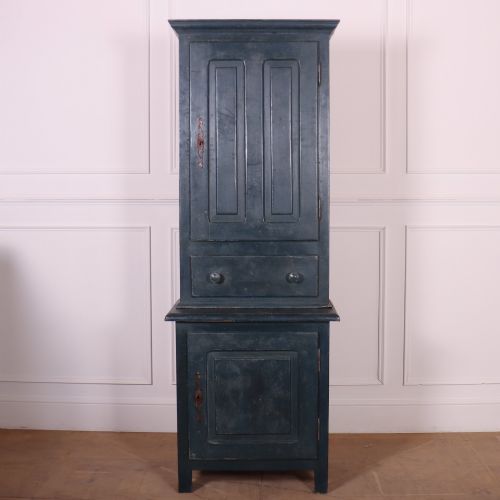
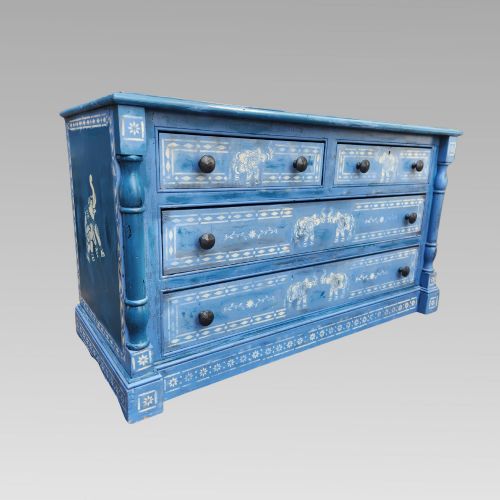
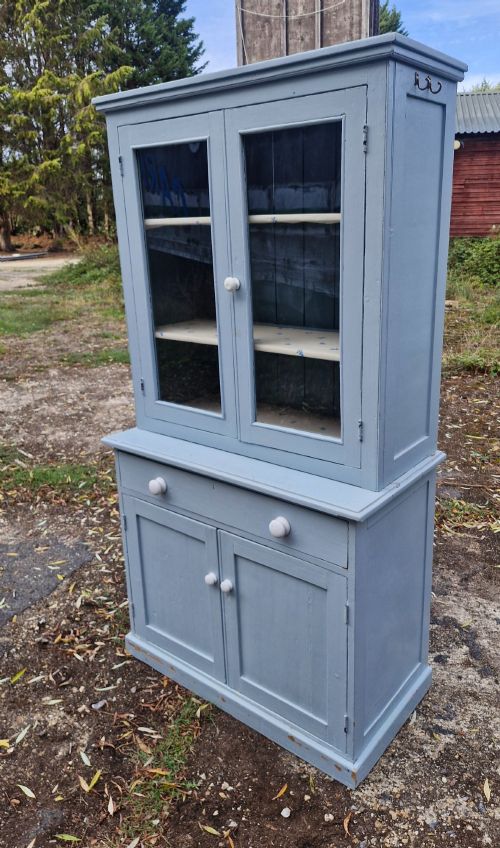
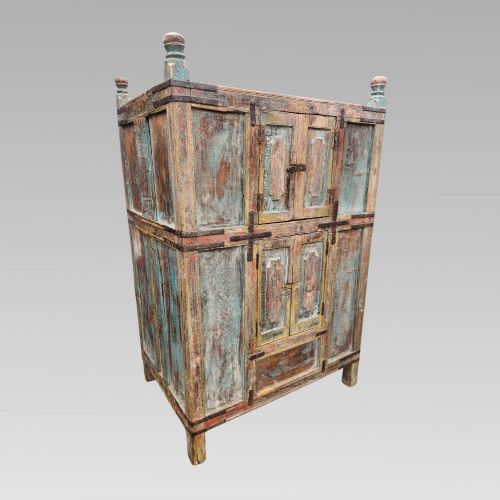
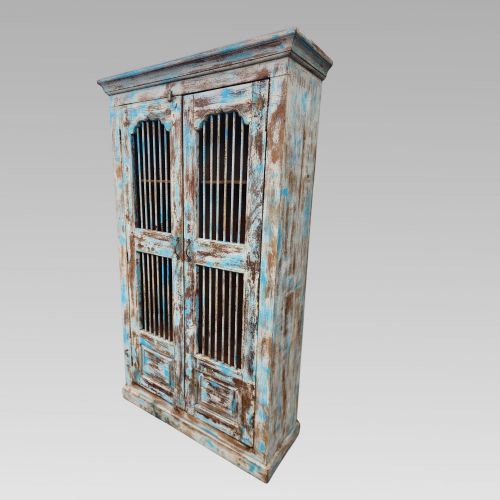
A rustic blue cabinet brings character and useful storage to a room through painted pine timber and regional country design.
Rustic Blue Cabinet
A rustic blue cabinet encompasses various storage forms built primarily from pine and finished with paint, reflecting traditional country craftsmanship. When you examine a rustic blue cabinet on this page, you encounter pieces originating from the nineteenth century alongside Georgian, Victorian, and early twentieth-century examples.
How they were made
Construction relies heavily on solid pine, alongside teak and cedar in Indian pieces, shaped using traditional joinery methods suited to domestic workshops. Iron and brass fittings such as hinges and handles secure the doors and drawers.
Surfaces receive paint finishes, including original scraped paint, ragwork, and hand-painted decoration that defines the distinct blue colouration seen across these items.
Rustic Blue Cabinet Retail Price Guide 2026
Typical asking prices for rustic blue cabinet among the pieces listed under this phrase on Sellingantiques today, from the lower quarter to the upper quarter. They describe what is for sale here now, not the wider market.
Listings span the eighteenth century, the Victorian era, and the early twentieth century, utilising pine, teak, cedar, and iron.
What varies in quality
Quality separates through the integrity of the original paint surface, distinguishing untouched historic finishes from later decoration. The subtlety of regional proportions and the preservation of original timber structure also define the better examples.
The Rustic Blue Cabinet Glossary
- Pine
- A softwood commonly utilised for country furniture due to its availability and workability. It forms the primary carcase material for most European cupboards.
- Ragwork
- A decorative painting technique using rags to apply or remove colour, creating mottled surface patterns on pine furniture. This finish appears on specific nineteenth-century Scandinavian pieces.
- Almirah
- A freestanding cupboard or wardrobe originating from India, often constructed from teak or cedar. These pieces provide substantial shelved storage within domestic spaces.
- Dresser
- A dual-purpose kitchen furniture form combining lower cupboards or drawers with upper shelving for display and storage. West Country and kitchen variants appear frequently in English country settings.
- Gustavian
- A Swedish neoclassical style popular during the late eighteenth and nineteenth centuries, characterised by restrained ornamentation and pale painted finishes. Gustavian cabinets bring balanced proportions to interiors.
Rustic Blue Cabinet: Frequently Asked Questions
Where should I place a rustic blue cabinet?
These cabinets suit kitchens, dining rooms, and hallways where practical storage meets decorative impact. Their painted surfaces add colour to neutral walls while concealing everyday items behind solid doors.
Larger dressers and wardrobes fit well in spacious living areas or bedrooms, while smaller wall cabinets and bedside cupboards suit compact spaces.
How do I care for painted pine furniture?
Maintain painted pine surfaces by dusting gently with a dry or slightly damp cloth, avoiding harsh chemical cleaners that might strip historic finishes. Keep timber pieces away from direct heat sources and strong sunlight to protect the wood and paint.
Allow the wood to acclimatise naturally to your home environment to minimise movement in the old pine carcase.
How do I identify a nineteenth-century piece?
Nineteenth-century construction often reveals hand-cut joints, wrought iron or brass hardware, and timber shrinkage appropriate to its age. Examining the interior boards and back panels helps confirm traditional workshop methods.
Paint layers examined closely can show natural wear and historic patination consistent with long domestic use.
What is the difference between Swedish and English country pieces?
Swedish pieces often display Gustavian restraint or folk art painted details on pine, leaning towards pale blue and grey tones. English country items typically focus on regional dresser forms in pine and oak with local vernacular traits.
Both traditions prioritise utility, yet their proportions and decorative painted schemes reflect distinct regional craft histories.