

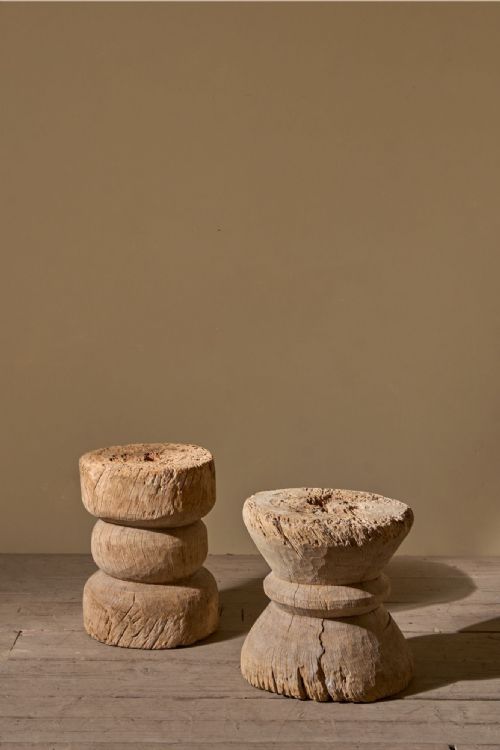
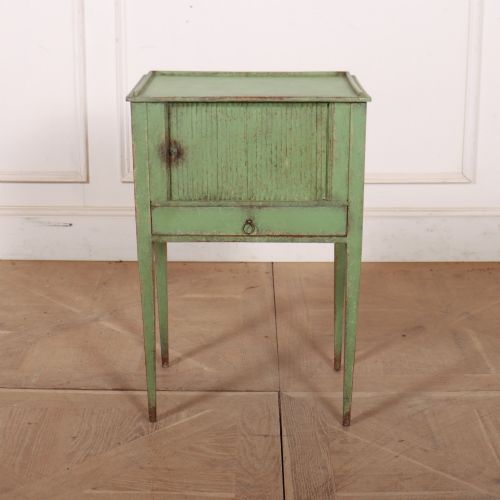
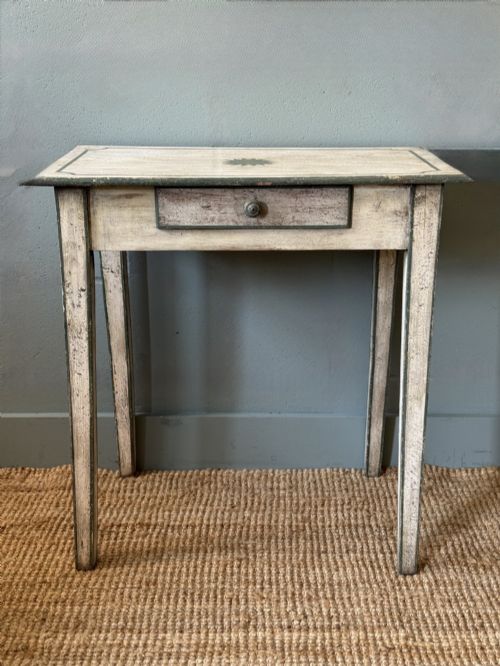
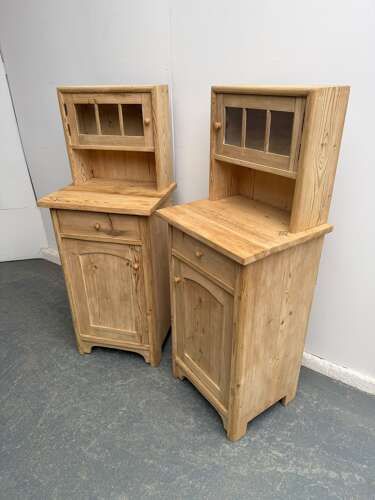

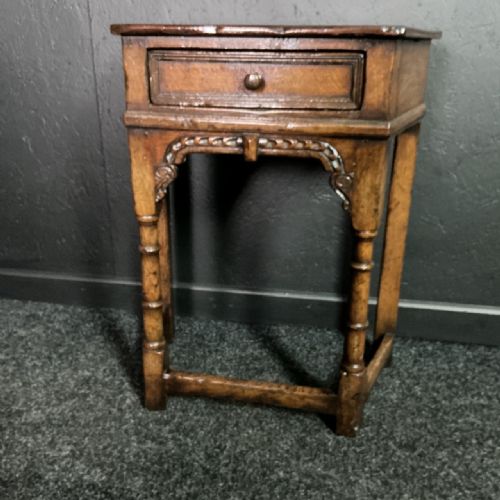


Rustic Bedside Tables
These rustic bedside tables bring everyday provincial utility and solid timber character right to the bedroom.
Rustic Bedside Tables
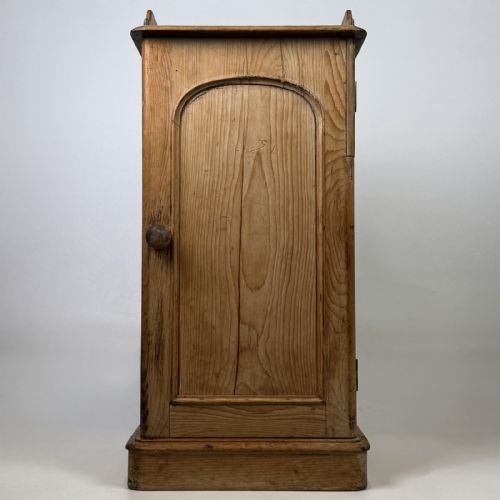
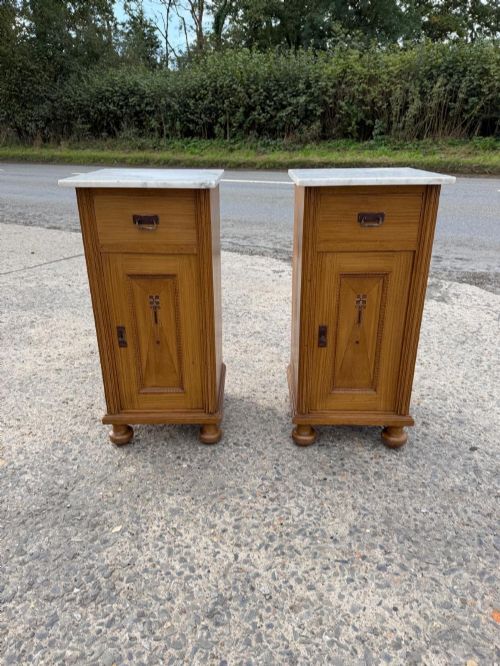
Rustic bedside tables encompass small functional furniture pieces designed to sit beside a bed, drawing from country, provincial and vernacular traditions. When searching for rustic bedside tables, buyers encounter practical cupboards, small side tables, washstands and cabinets intended for bedside storage or surface use.
The selections span from the eighteenth century through to the early decades of the twentieth century, originating from English, French, Dutch, Italian, Swedish and Eastern European workshops. Most examples lean towards utilitarian forms constructed from domestic hardwoods and softwoods, often showing the marks of long daily use.
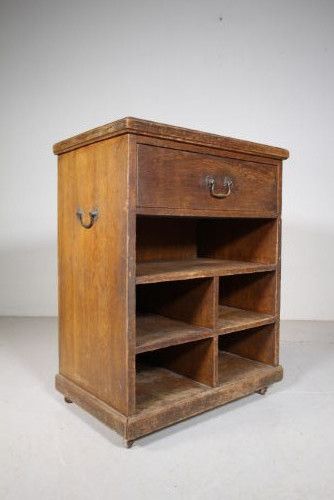
Cabinets frequently feature enclosed cupboards or pot boards, while open side tables offer straightforward surface space for a lamp or night-time necessities. Painted finishes sit alongside bare timber surfaces, reflecting both regional preferences and later domestic updates.
How they were made
Makers relied primarily on pine, oak, fruitwood, ash and walnut for carcass and top construction, utilising solid boards rather than veneers. Iron and brass hardware such as hinges, handles or decorative mounts provide functional contrast to the wooden structures.
Surfaces frequently show layers of paint, ranging from original coloured finishes in blues and greys to stripped timber or waxed pine. Certain pieces incorporate functional additions such as marble tops or carved friezes to elevate the simple domestic form.
Rustic Bedside Tables Retail Price Guide 2026
Typical asking prices for rustic bedside tables among the pieces listed under this phrase on Sellingantiques today, from the lower quarter to the upper quarter. They describe what is for sale here now, not the wider market.
Listings feature pieces spanning from the eighteenth century through to the 1930s, built in pine, oak, ash, walnut and fruitwood.
What varies in quality
Quality rests in the integrity of the timber selection and the honesty of the construction, where thicker solid boards and traditional joinery separate robust pieces from lighter constructions. The survival of original painted finishes or authentic patination dictates the visual weight and historical interest of an individual table.
The Rustic Bedside Tables Glossary
- Bedside cabinet
- A small enclosed piece of furniture with a door, designed to keep chamber pots or night-time items hidden beside a bed. These often feature internal shelving and sturdy wooden tops.
- Pot cupboard
- A traditional vernacular term for a small bedside cabinet originally built to house a chamber pot. They frequently stand on legs or a plinth base with a single hinged door.
- Washstand
- A functional piece designed to hold a basin and jug for morning ablutions, often repurposed today as a bedside table or lamp stand. They typically incorporate galleries or upstands to protect walls.
- Fruitwood
- Timber sourced from fruit-bearing trees such as pear, apple or cherry, valued by country makers for its dense grain and warm tone. It was frequently utilised in provincial French and English furniture.
- Provincial
- A style descriptor indicating furniture made in regional areas away from metropolitan capitals. These pieces prioritize practical utility and local timber availability over courtly fashions.
Rustic Bedside Tables: Frequently Asked Questions
How do I use a rustic bedside table?
These pieces serve primarily as bedside storage and surface space for lamps, books and evening essentials. Their enclosed cupboards or open shelves keep bedroom clutter contained while adding provincial character to the room.
Position them directly beside the bed at an appropriate height for easy access during the night. Their robust timber construction handles daily use effortlessly.
Are painted finishes original?
Some painted surfaces survive from the nineteenth or early twentieth century, originating from Swedish, Dutch, French or English workshops. These display natural wear and authentic patination accumulated over decades of use.
Other pieces feature later paint layers applied to clean pine or oak carcasses. Examining the underlying wood and paint adherence helps determine the history of the finish.
What woods were commonly used?
Makers relied heavily on native timbers such as oak and pine for the main structure and panels. Fruitwood, ash and walnut also appear in regional European pieces, offering varied grain patterns and natural warmth.
Hardware components typically include brass or iron pulls, hinges and occasional marble slab tops. Each material reflects the local resources available to the rural maker.
How do I date these tables?
Dating relies on construction methods, timber preparation marks, hardware types and stylistic clues from specific periods like the eighteenth century or Victorian era. Dovetail joints, hand-sawn boards and original fixings provide clear chronological indicators.
Regional styles also point to specific eras, such as Jacobean revival motifs or Georgian proportions. Comparing the piece to documented vernacular examples confirms its approximate age.