


Rustic Bedroom Furniture
Rustic bedroom furniture brings together solid pine and oak chests, wardrobes, and bedside cabinets built for daily service across the nineteenth and early twentieth centuries.
Rustic Bedroom Furniture
Rustic bedroom furniture comprises storage pieces designed for sleeping quarters, drawing primarily from Victorian, Edwardian, and nineteenth-century traditions. Buyers searching this phrase meet practical domestic items built from sturdy timbers intended for everyday utility rather than formal display.
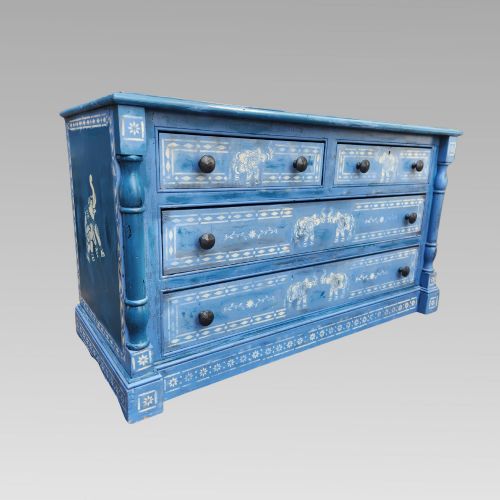
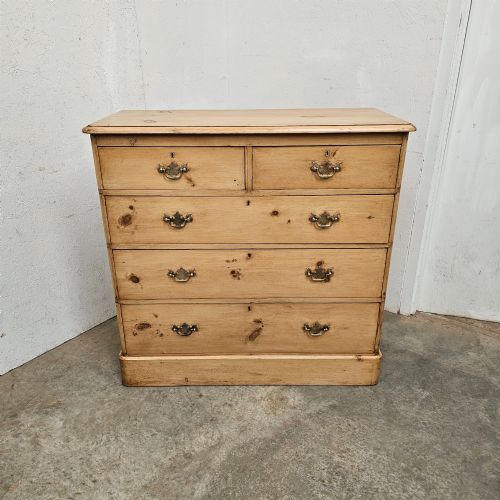
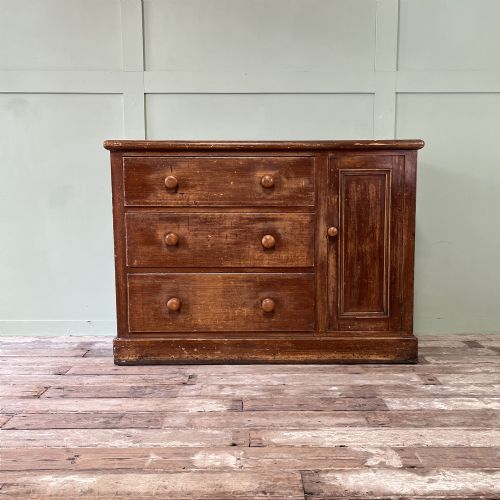
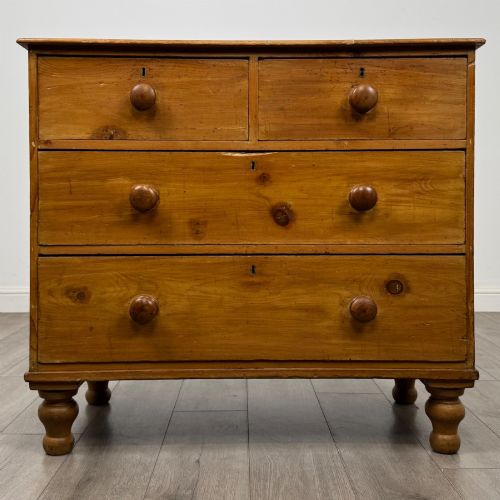
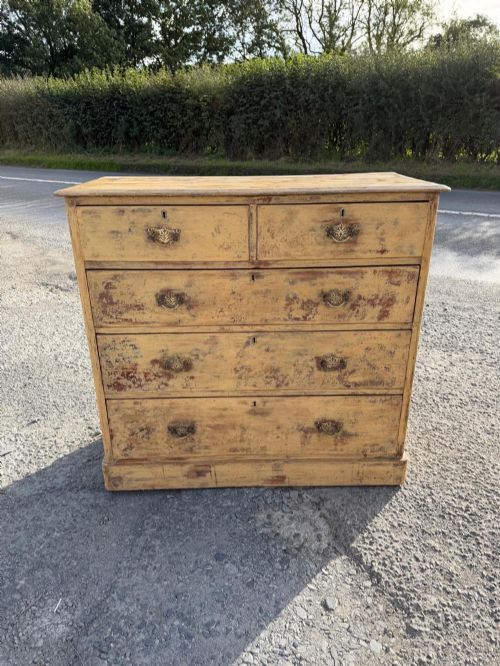
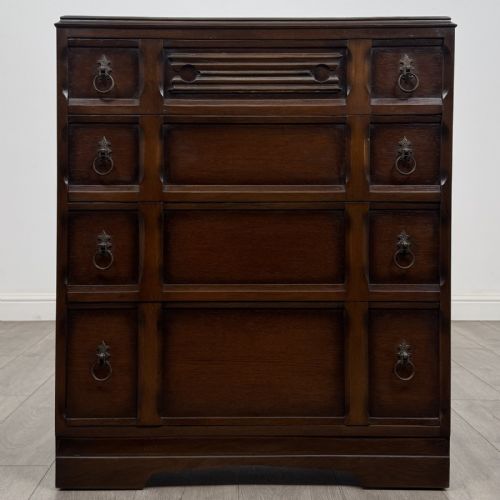
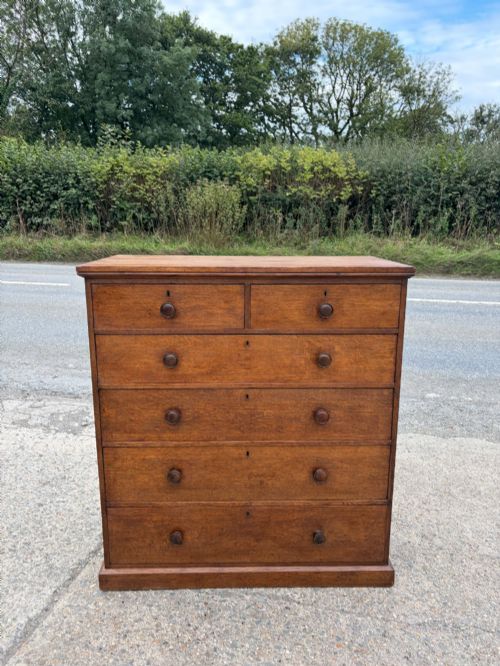
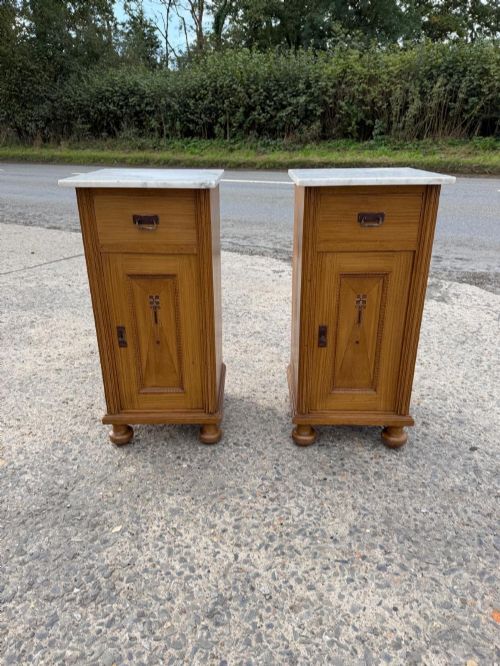
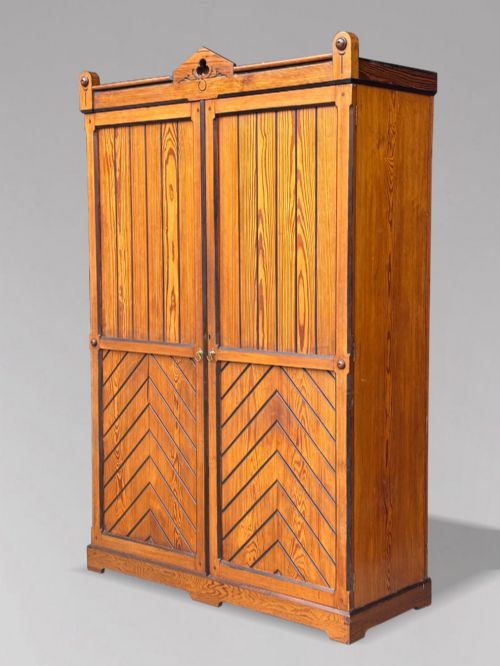
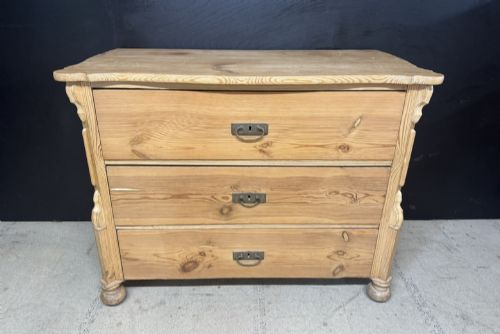
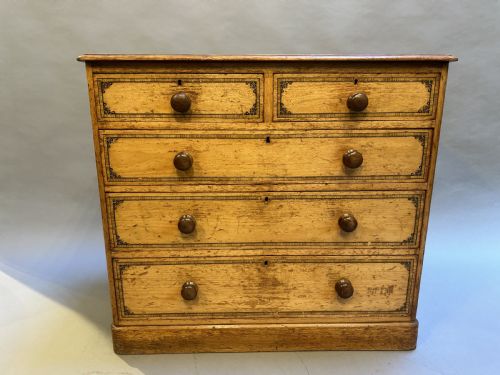
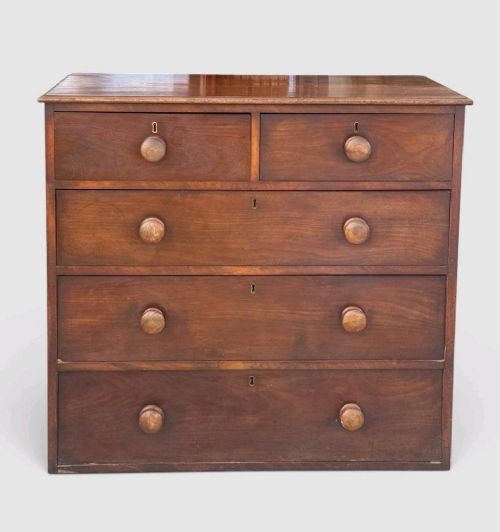
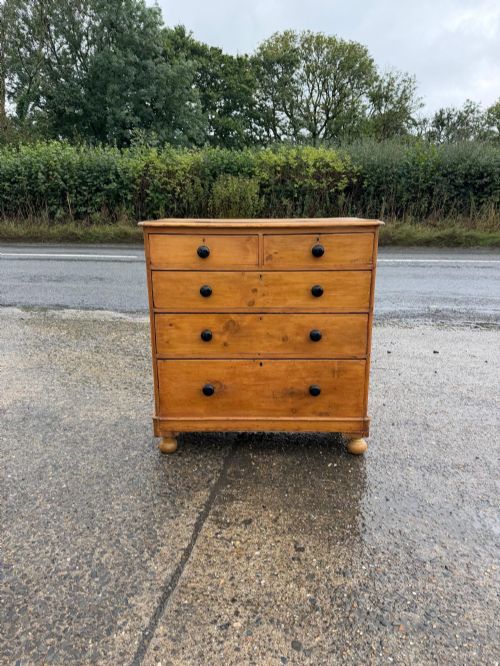
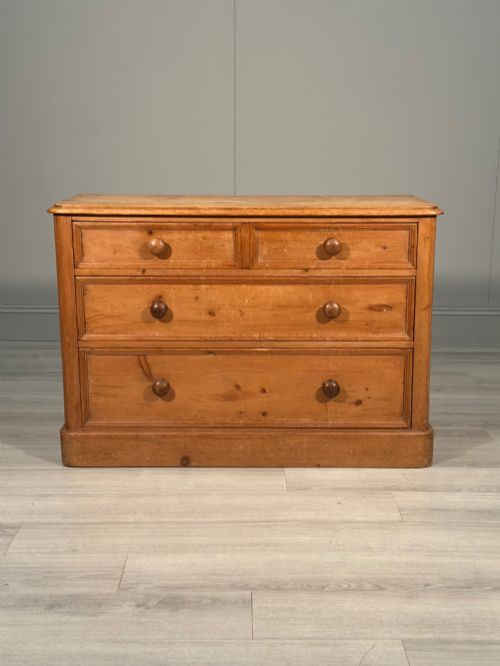
Chest of drawers forms the most common discovery on this page, appearing in various drawer configurations alongside wardrobes, bedside cabinets, dressing tables, and cupboards. These items originate from British regional workshops as well as wider European sources including Hungarian and Eastern European makers.
The aesthetic relies on honest construction in woods like pine and oak, showing the grain or carrying historic paint surfaces. Pieces range from modest cottage examples to larger fitted wardrobes and chests carrying raised galleries or turned legs.
Materials and construction
Carpenters relied heavily on solid pine and oak for these bedroom pieces, often joining boards with dovetails for drawer construction and housing panels within sturdy frames. Timber selection prioritized durability and load-bearing strength over exotic veneers or decorative marquetry.
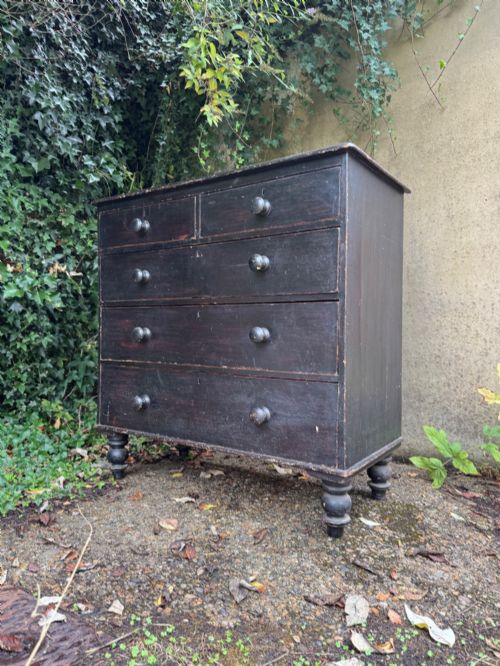
Surface finishes include wax, historic or original paint in tones such as grey and black, and polished wood surfaces that reveal natural grain patterns. Metal hardware like brass handles and iron fittings provide functional contrast to the wooden carcases.
Rustic Bedroom Furniture Retail Price Guide 2026
Typical asking prices for rustic bedroom furniture among the pieces listed under this phrase on Sellingantiques today, from the lower quarter to the upper quarter. They describe what is for sale here now, not the wider market.
Several chests retain their original nineteenth-century paint, proving that grey is not a modern invention.
Quality variations in domestic pieces
Quality in these items rests on the integrity of the timber and the preservation of original surfaces, such as early paint layers or period wax patination. Substantial carcase construction with tight joints distinguishes superior pieces from simpler utilitarian items.
Proportion and detailing elevate certain examples, including those with raised galleries, turned legs, or marble tops on bedside cabinets. Retaining original hardware and untouched interior timber surfaces marks the distinction between fine vernacular examples and heavily altered pieces.
The Rustic Bedroom Furniture Glossary
- Pine
- A softwood commonly used for nineteenth-century domestic furniture, valued for its receptivity to wax finishes and painted treatments.
- Oak
- A hard, durable timber utilised in regional and revival furniture for structural strength and prominent grain patterns.
- Gallery
- A raised wooden border along the top edge of a chest of drawers or table designed to keep items from rolling off.
- Wardrobe
- A tall standing cupboard fitted for hanging garments, frequently constructed with panelled doors and internal shelving.
- Dovetail
- A joint formed by interlocking wedge-shaped fingers, standard in drawer construction to ensure lasting strength.
Rustic Bedroom Furniture: Frequently Asked Questions
What defines rustic bedroom furniture?
Rustic bedroom furniture consists of solid wood storage items from the nineteenth and early twentieth centuries, prioritizing utility and honest construction.
Pieces rely on pine, oak, and metal hardware, often finished in wax or original paint rather than high-gloss polish.
How do I identify a Victorian chest of drawers?
Victorian chests typically feature solid pine or oak construction with generous drawer configurations, such as two small drawers over three large ones.
Look for traditional joinery like hand-cut dovetails and turned wooden knob handles characteristic of the nineteenth century.
Are painted finishes period-correct?
Many nineteenth-century bedroom pieces received coats of paint during their working lives, ranging from practical utilitarian layers to decorative schemes.
Original paint surfaces survive on numerous examples from Eastern European and British workshops, showing age-appropriate wear.
How should I care for antique pine furniture?
Maintain antique pine and oak pieces by keeping them away from direct heat sources and sudden humidity changes that cause wood to split.
Apply traditional bees-wax periodically to nourish dry timber and preserve the historic surface patination without heavy cleaning agents.