




Rusted Metal Planters
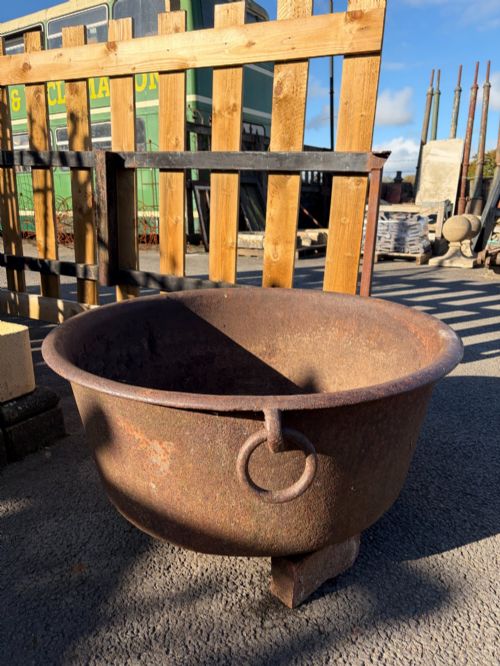
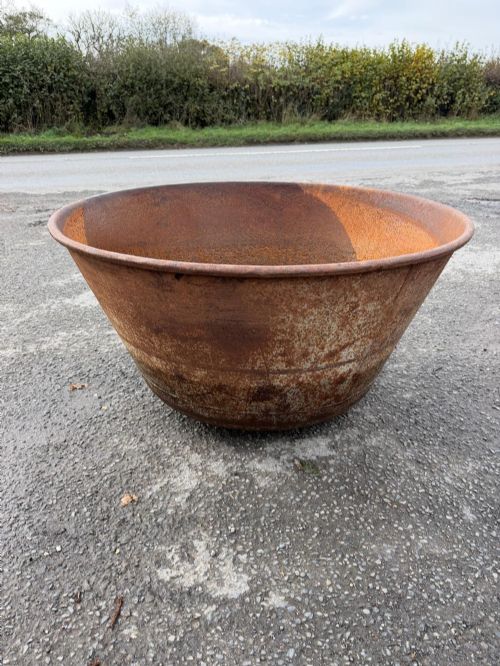
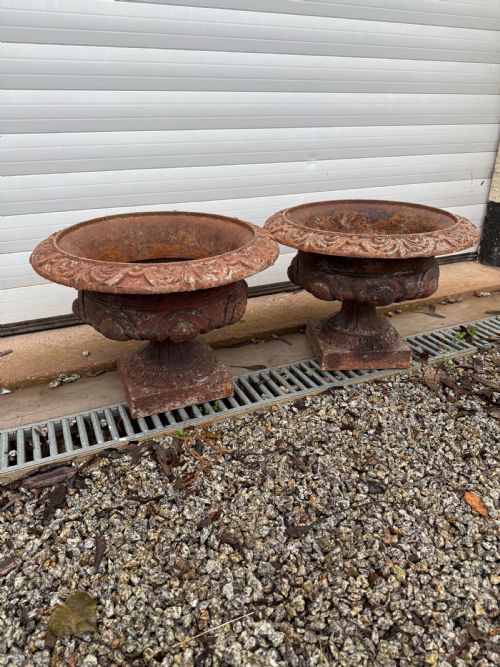
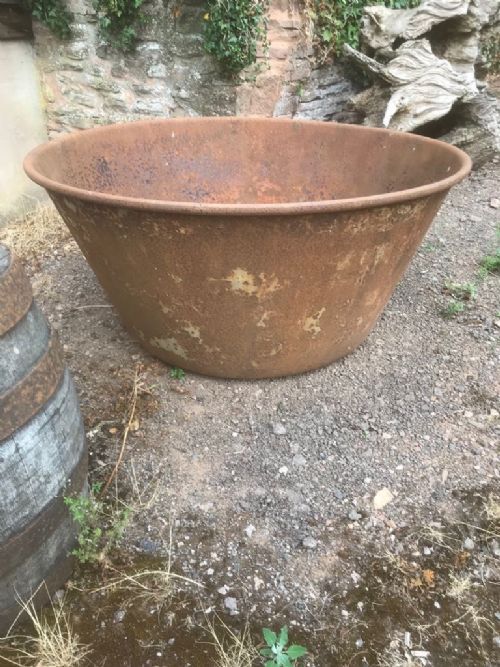
These rusted metal planters are heavy nineteenth-century garden urns and troughs cast in iron or steel that bring weathered character to a terrace.
Rusted Metal Planters
When you search for rusted metal planters, you are looking at substantial nineteenth-century garden urns, troughs, and jardiniere forms designed for outdoor planting. The pieces on this page span the Regency, Victorian, and Edwardian periods, alongside a single nineteenth-century steel planter and an eighteenth-century Chinese iron bath.
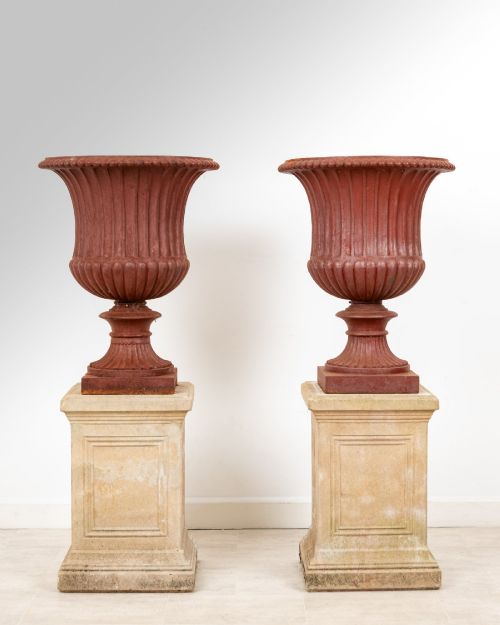
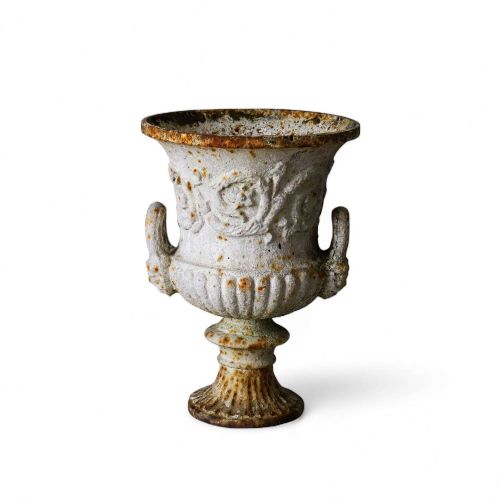
You are most likely to meet classical campana urns cast in iron, often paired and raised upon stone pedestals or plinths. These range from shallow terrace urns to large garden vessels displaying Victorian industrial or classical revival styles.
How they were made
These pieces rely on durable cast iron and steel shaped through industrial casting techniques common to the nineteenth century. Makers poured molten metal into sand or loam moulds to achieve the crisp classical lines of campana urns and shallow troughs.
Over decades of exposure to the elements, the cast iron and steel surfaces have oxidised into rich, weathered patinas of rusted metal. The heavy metal walls provide both structural stability for soil and plants and resistance to frost.
Rusted Metal Planters Retail Price Guide 2026
Typical asking prices for rusted metal planters among the pieces listed under this phrase on Sellingantiques today, from the lower quarter to the upper quarter. They describe what is for sale here now, not the wider market.
The listings on this page span the Regency, Victorian, and Edwardian eras, predominantly featuring cast iron campana urns alongside steel troughs.
What varies in quality
Quality rests in the crispness of the cast ornament and the integrity of the original proportions. Finer examples display sharp detailing around the handles, fluting, and rims without the blurring that comes from worn production moulds.
The presence of matching pairs on stone pedestals or plinths elevates a piece considerably compared to single or mismatched vessels. The depth and character of the natural rusted patina also contribute to the visual weight and appeal of each planter.
Andrew Handyside
The Rusted Metal Planters Glossary
- Campana urn
- A bell-shaped garden vessel with an everted rim, commonly seen in nineteenth-century cast iron. This classic form derives from ancient Roman models designed for display on terraces.
- Jardiniere
- An ornamental receptacle for holding plants or flowers, usually larger than a standard flowerpot. These heavy iron examples are built to sit permanently in a garden or on a terrace.
- Plinth
- A heavy base or pedestal that supports an urn or planter. Raising a cast iron vessel off the ground protects the metal from standing moisture.
- Terrace urn
- A shallow garden vessel intended to sit along balustrades or pathways. Their lower profile provides stability in exposed outdoor positions.
Rusted Metal Planters: Frequently Asked Questions
Are these planters frost proof?
Cast iron and steel vessels handle outdoor freezing temperatures well due to their thick, sturdy walls. Proper drainage ensures that trapped water does not expand and stress the metal.
Positioning them on stone pedestals or plinths further prevents moisture from wicked up from damp ground.
How heavy are these iron urns?
Nineteenth-century cast iron planters are exceptionally heavy and require careful planning for placement. Their substantial mass keeps them stable on terraces and lawns without tipping.
Due to this weight, moving them usually requires multiple people or specialised lifting equipment.
How do I care for rusted metal?
The rusted patina requires very little maintenance once the metal has stabilized outdoors. Allowing the natural oxidation to continue creates a protective layer over the iron.
Applying a light coat of oil or wax can slow further corrosion if you choose to keep the piece in a sheltered conservatory.
Can these be planted directly?
Many large nineteenth-century urns and troughs accommodate soil and plants directly within the iron bowl. Ensuring the drainage hole remains clear prevents waterlogging around the roots.
Alternatively, you can drop a smaller plastic pot inside the top opening to make seasonal replanting easier.