






Russian Wooden Icon
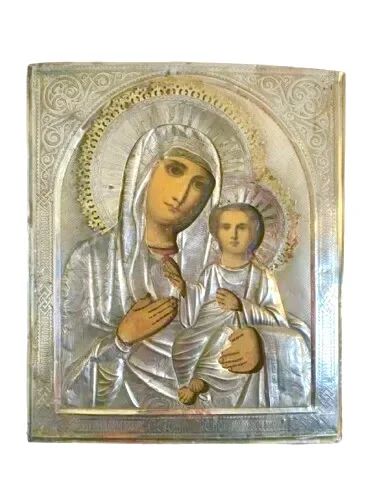
A Russian wooden icon brings centuries of Orthodox devotion into the home, offering painted prayer panels created in tempera and gold leaf.
Russian Wooden Icon
When you search for a russian wooden icon, you encounter sacred panel paintings that serve as objects of veneration within the Russian Orthodox tradition. These works range from small devotional pieces to larger wall art, depicting holy figures, saints, and biblical narratives.
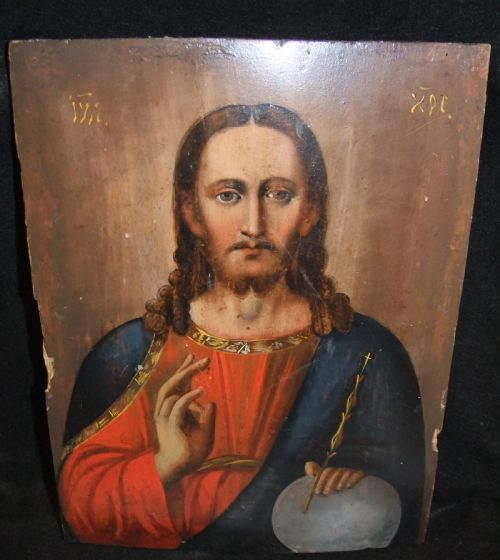
The selections available here date principally from the nineteenth century, alongside examples from the eighteenth and early twentieth centuries. Common forms include subjects such as Christ Pantocrator, Saint George, and scenes of the Passion of Christ, executed on timber panels.
How they were made
These religious artworks are built upon wooden panels, prepared as grounds for traditional painting techniques. Artisans applied tempera, egg tempera, or oil paint to the timber surface to render detailed sacred imagery.
Many examples incorporate luminous detailing through the application of gold leaf, silver, or bronze elements. Metal components such as brass fittings or silver and gilt accents frequently complement the painted wooden surfaces.
Russian Wooden Icon Retail Price Guide 2026
Typical asking prices for russian wooden icon among the pieces listed under this phrase on Sellingantiques today, from the lower quarter to the upper quarter. They describe what is for sale here now, not the wider market.
Saint George occasionally rides across these panels on a spirited steed, proving that dragon-slaying remained a popular narrative choice.
What varies in quality
The refinement of the brushwork and the intricacy of the painted detail distinguish finer devotional panels from simpler workshop output. Skilled execution in the faces, drapery, and lettering elevates a piece within its period.
The integration of precious materials like gold leaf and silver ornamentation shifts the character and cost of an icon. Preservation of the original tempera surface and the stability of the wood panel also shape the standing of each piece.
Volga Masters
The Russian Wooden Icon Glossary
- Tempera
- A permanent, fast-drying painting medium consisting of coloured pigments mixed with a water-soluble binder such as egg yolk. This technique creates a matte, durable finish seen across centuries of religious panel painting.
- Gold leaf
- Gold beaten into extremely thin sheets and applied to surfaces for decoration. It provides the radiant backgrounds characteristic of Orthodox devotional art.
- Christ Pantocrator
- An icon depicting Jesus Christ as ruler of all, typically shown with his right hand raised in blessing and holding a gospel book in his left.
- Volga Masters
- A regional grouping of icon painters associated with the Volga River region. Their workshop traditions contributed distinct stylistic qualities to early eighteenth-century panels.
Russian Wooden Icon: Frequently Asked Questions
What is a russian wooden icon?
A russian wooden icon is a sacred painting on a timber panel, created for prayer and veneration within the Orthodox faith. These panels depict holy figures, saints, and biblical scenes using traditional mediums.
They function both as spiritual focal points and as historical works of art, reflecting the aesthetic and religious practices of their period of origin.
How do I date an icon?
Dating relies on stylistic analysis of the painting, the choice of pigments, and the preparation of the wooden panel. Seventeenth and eighteenth-century pieces often display different regional characteristics compared to nineteenth-century examples.
Examination of accompanying metal elements, such as silver or brass fixtures, also provides clues regarding the period of creation.
How should I display my icon?
Icons were traditionally hung on walls or placed in domestic prayer corners known as red corners. Ensure they are kept away from direct sunlight and dramatic fluctuations in humidity to protect the wood and tempera.
Wall mounting should use stable fixings suited to the weight of the timber panel and any attached metalwork.
What materials are used in these icons?
The primary structural material is wood, serving as the support panel for the painted imagery. Artisans applied tempera, egg tempera, or oil paint to build up the sacred subjects.
Many examples feature embellishments of gold leaf, silver, bronze, or brass, enhancing the luminous quality of the artwork.