


Rural Scene Wall Art
Rural scene wall art brings the quiet charm of farms, villages, and countryside landscapes into a room through historic paintings and prints.
Rural Scene Wall Art
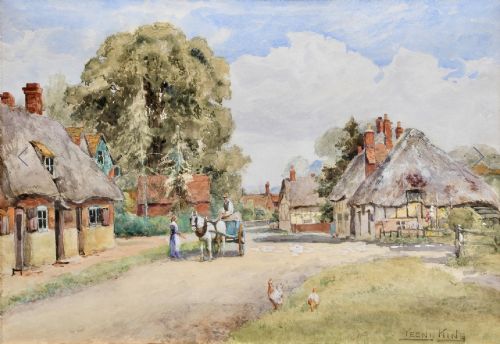
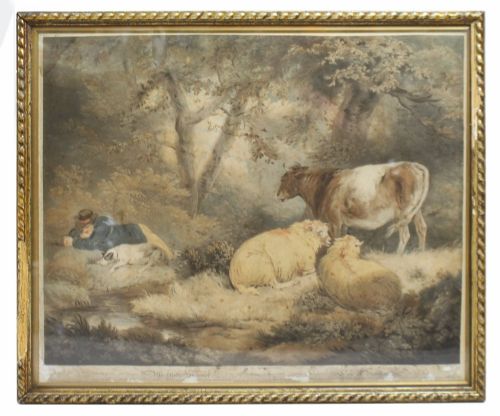
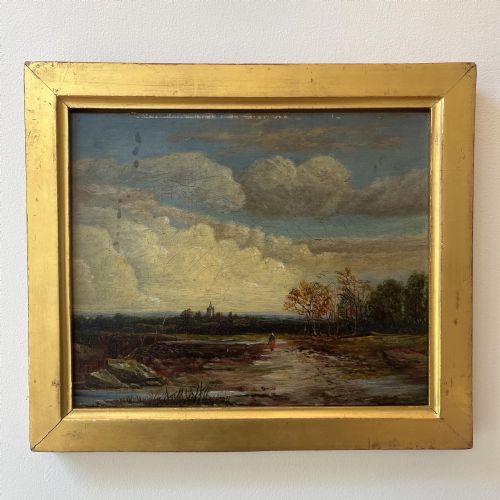
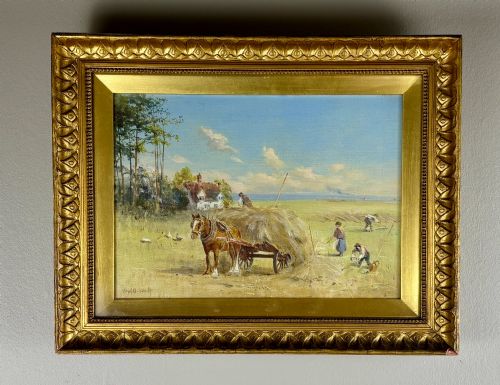
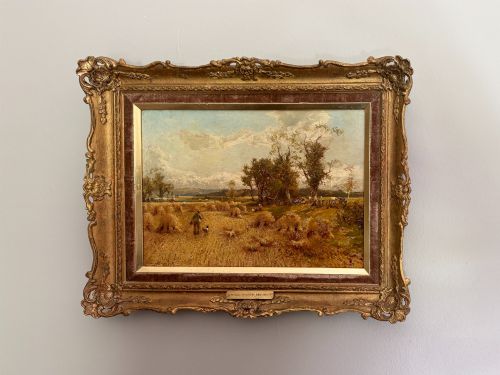
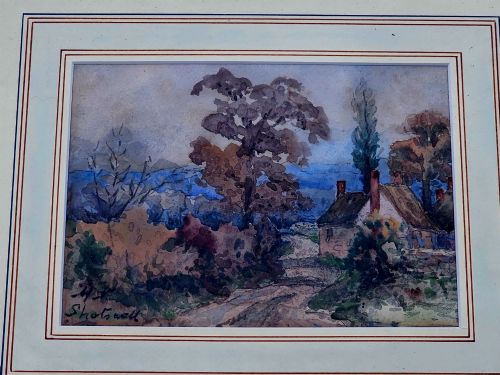
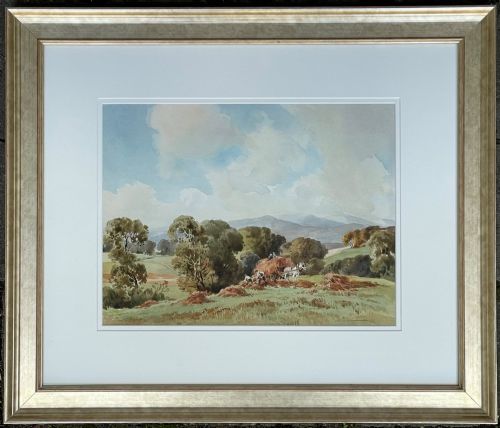
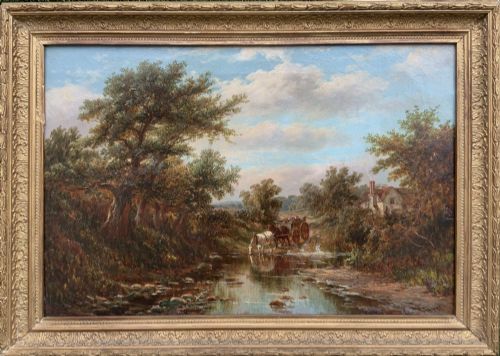
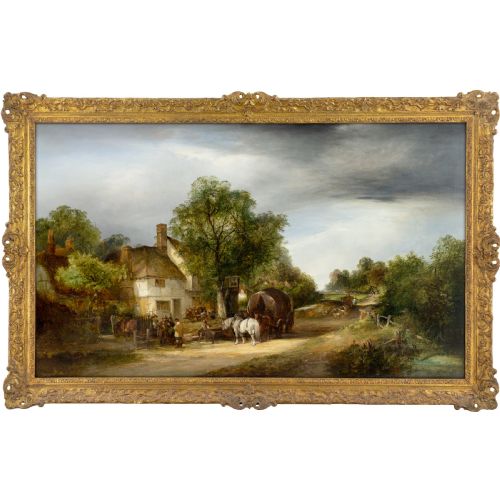
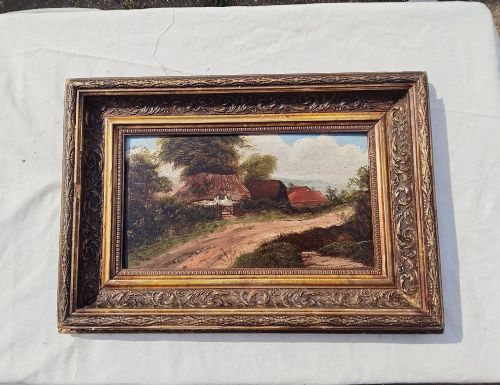
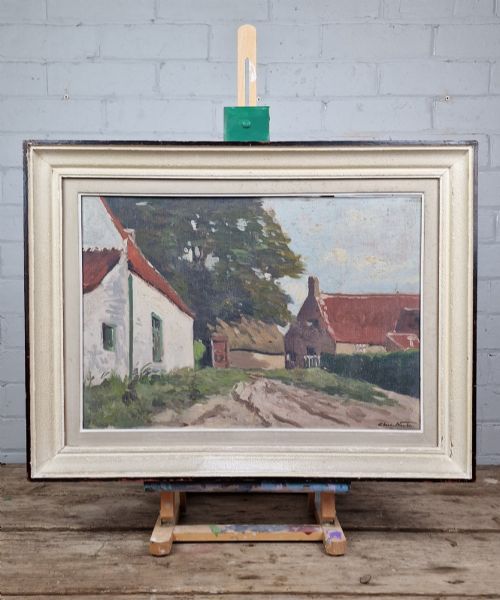
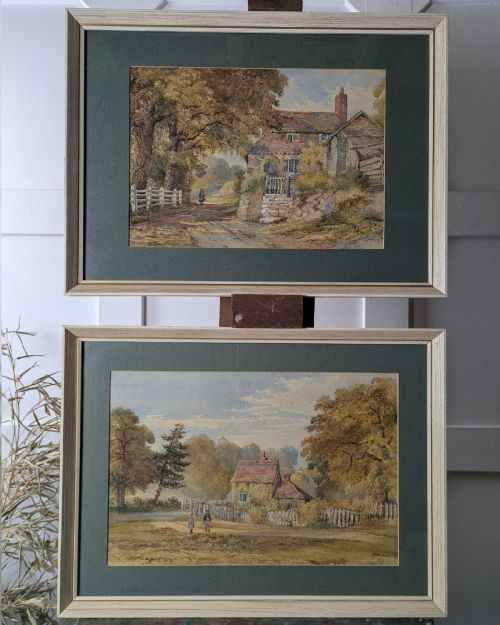
Rural scene wall art comprises nineteenth-century and early twentieth-century works depicting farmyards, cottages, and agricultural landscapes. Buyers find oil paintings, watercolours, and coloured mezzotints capturing pastoral life and agrarian work. The selection spans Victorian realism through to British, Scottish, and continental impressionism.
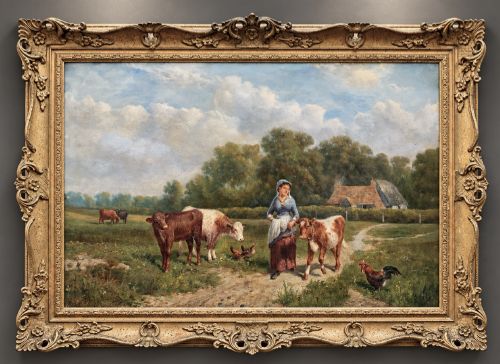
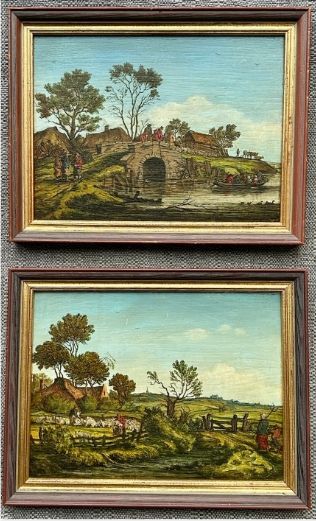
Most pieces date from the Victorian and Edwardian eras, reflecting a widespread artistic interest in the countryside. Common subjects include cattle grazing, harvest time, village streets, and working horses by streams or outside country inns. Canvases, wood panels, and paper supports preserve these pastoral views.
Makers and schools range from named British and European painters to anonymous regional English school artists. Works vary from detailed genre studies of figures feeding animals to loose impressionist watercolours of fields and rivers.
Materials and techniques
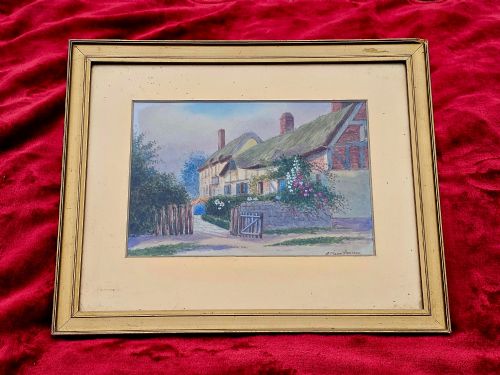
Painters applied oil paint to stretched canvas, wooden boards, and card, building up rich textures for farmyard scenes and landscapes. Watercolours on paper capture lighter, more translucent atmospheric effects for village and field views.
Printmakers utilised coloured mezzotints, etchings, and lithographs to reproduce pastoral compositions for wider distribution. Gilding on frames added decorative finish to late nineteenth-century oil paintings.
Rural Scene Wall Art Retail Price Guide 2026
Typical asking prices for rural scene wall art among the pieces listed under this phrase on Sellingantiques today, from the lower quarter to the upper quarter. They describe what is for sale here now, not the wider market.
Listings combine 19th-century and early 20th-century periods, utilising oil on canvas, watercolour, and wood panels for rural views.
Judging quality
Quality rests on the sureness of the draughtsmanship and the artist's handling of light across fields and farm buildings. Stronger pieces display confident brushwork in oil or precise control in watercolour, avoiding stiff compositions.
The integration of human figures and livestock within the landscape distinguishes accomplished paintings from routine topographical records. Original framing and good surface preservation contribute significantly to a piece's standing.
Yeend King·George Morland·William Barnard·Samuel Joseph Clark·Hugh Barry-Scott·William Manners·Thomas Thomas·Edward Charles Williams·William Shayer·W Klombeck·Percy Lancaster·A. Marie Parsons·Robert A. Nottingham·Mark William Langlois·David Bates·Charles Houben·Robert W. Macbeth·George Augustus Holmes·Raymond Booth·Frederick Walker·Frederick James Kerr·John Bond·Charles Edward Wilson·Sydney Yates Johnson·Raimond Louis Lecourt
The Rural Scene Wall Art Glossary
- Mezzotint
- A printmaking process where the copper plate is roughened to achieve rich dark tones and subtle tonal gradations. William Barnard utilised this technique for early nineteenth-century prints.
- Genre painting
- A category of art depicting scenes from everyday life, such as farm labourers, girls feeding piglets, or villagers conversing in a street. These works focus on ordinary human activity within rural settings.
- Impressionism
- A style of painting emphasising loose brushwork and the accurate depiction of light in its changing qualities. Several works on this page reflect British, Scottish, and continental adoption of these methods.
- Wood panel
- A rigid support used by painters instead of canvas, common in Flemish and English school rural scenes. Panels provide a smooth surface for detailed brushwork.
- Watercolour
- A paint consisting of pigment suspended in a water-based solution, typically applied to paper. Artists used this medium for swift landscape studies and finished pastoral watercolours.
Rural Scene Wall Art: Frequently Asked Questions
What subjects appear in these scenes?
Paintings and prints depict agricultural life, including cattle grazing, harvest work, horses at troughs, and thatched cottages in English and European villages.
Figures engaged in daily tasks like gathering hay or feeding farm animals frequently anchor the landscape compositions.
How do I date a piece?
Dates rely on artist biographical records, stylistic movements such as Victorian realism or post-impressionism, and inscribed signatures or dates on the works.
Materials such as wood panels and canvas types also offer chronological clues for nineteenth and early twentieth-century pieces.
Where were these pieces made?
Items originate primarily from Britain, with specific regional scenes set in places like Sussex, Devon, and widecombe.
Continental works from France and Flanders also feature, showing provincial courtyards and Normandy farmyards.
How should I hang them?
These works suit traditional living spaces, studies, or dining rooms where pastoral subjects complement wooden furniture and period interiors.
Ensure placement avoids direct sunlight to protect watercolours on paper and oil paint surfaces from fading.