




Rural Pastoral Wall Art
Rural pastoral wall art captures the quiet charm of the countryside, bringing traditional landscapes, farming scenes and quiet cottage views directly into your home.
Rural Pastoral Wall Art
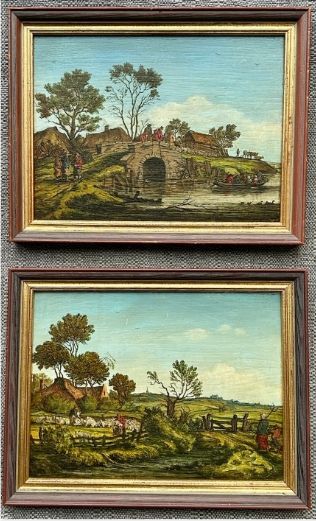
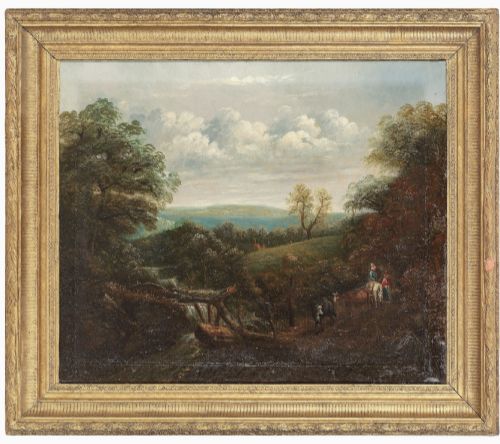
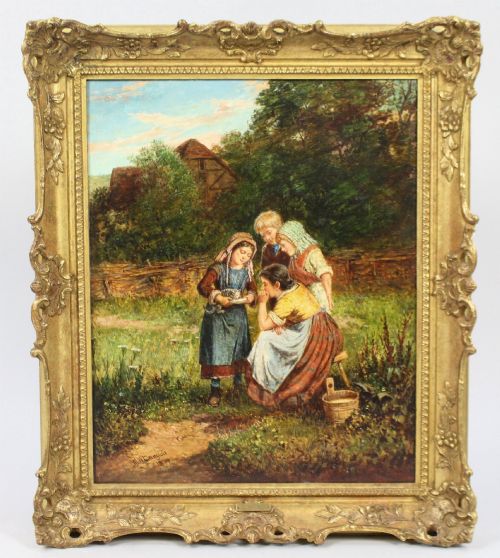
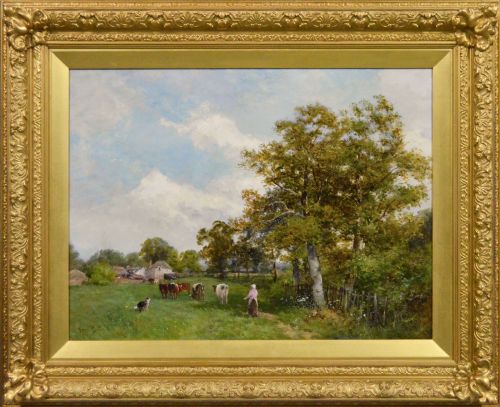
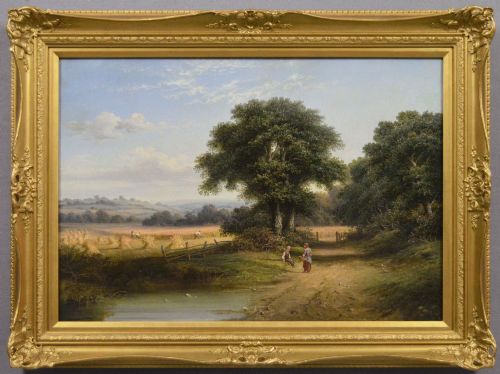
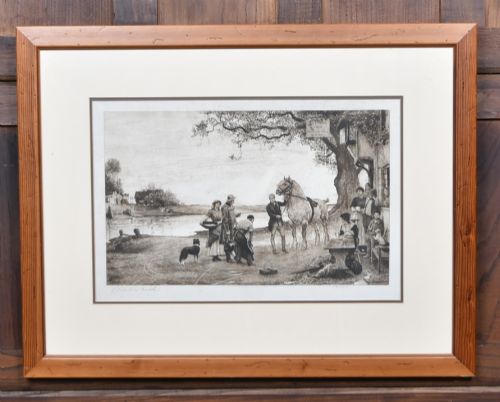
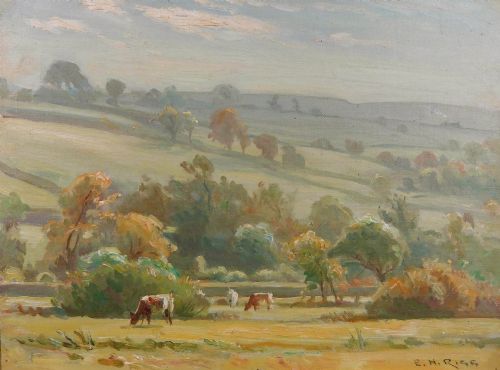
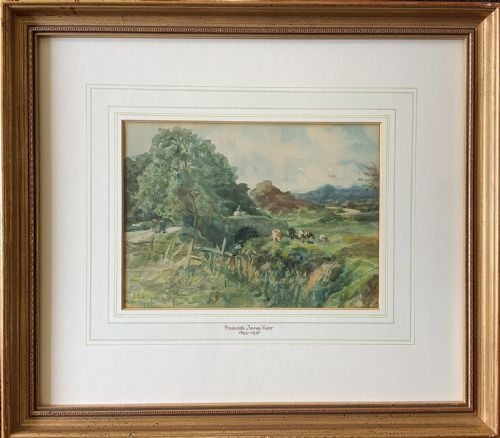
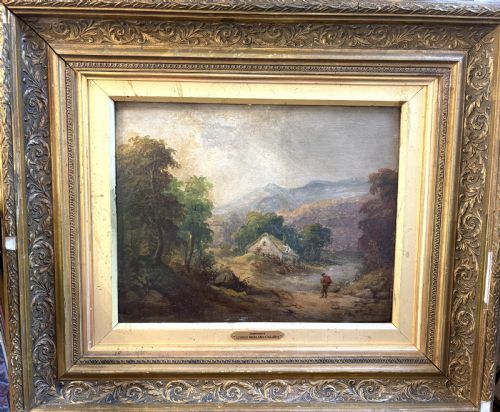
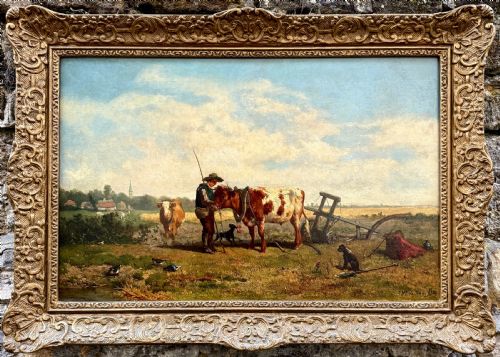
When searching for rural pastoral wall art, buyers encounter traditional framed pictures that depict agrarian life, harvested fields, and countryside cottages. These works primarily capture the rhythms of rural existence through depictions of farm hands, grazing cattle, and quiet river landscapes.
The pieces available on this page stem largely from the Victorian and Edwardian eras, spanning the nineteenth and early twentieth centuries. Creators from the British School and continental workshops frequently rendered these rural themes with realistic detail or soft impressionistic brushwork.
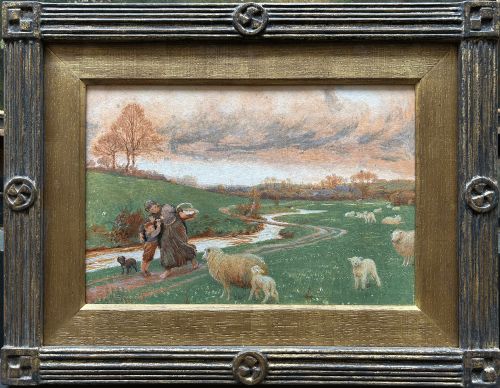
Most examples take the form of oil paintings on canvas or wooden boards, alongside watercolours and occasional etchings. Subjects range from sheep resting under apple blossoms to labourers resting near oak trees during harvest time.
Materials and technique
Artists relied primarily on oil paint applied to canvas or wood panels, utilising gesso grounds to prepare rigid supports for detailed brushwork. Watercolours on paper also appear frequently, often capturing lighter atmospheric effects in pastoral landscape scenes.
Canvases were stretched over wooden frames and frequently housed within ornate moulded frames, occasionally accented with gold leaf. Wood panels provided a stable, smooth surface for nineteenth-century Flemish and British school painters working in finer detail.
Several pieces capture sheep stubbornly pausing by country lanes and mischievous foals stealing fruit from baskets.
Judging quality in pastoral works
Quality rests upon the artist's ability to render light, atmosphere, and natural movement within the countryside setting rather than mere subject matter. Stronger works demonstrate confident brushwork and harmonious colour palettes that capture the specific mood of an autumn river landscape or a sunlit harvest field.
The handling of figures and animals dictates distinction, separating standard decorative watercolours from accomplished fine art pieces. Masterful control over composition gives depth to pastoral scenes, drawing the eye naturally along country paths and riverbanks.
Mark William Langlois·David Bates·Walter Heath Williams·Ernest Higgins Rigg·Thomas Sidney Cooper·John Linnell
The Rural Pastoral Wall Art Glossary
- Oil on Canvas
- A painting medium where pigments bound in drying oil are applied to a woven fabric stretched across a wooden frame. This technique allows for rich texture and deep colour saturation.
- Watercolour
- A paint consisting of colour pigments suspended in a water-based solution, traditionally applied to absorbent paper. It yields translucent washes of colour well suited to delicate atmospheric effects.
- Gesso
- A plaster mixture used as a paint primer on wood panels or canvases to create a smooth, durable surface. It prepares the substrate before the artist applies oil paint.
- Gold Leaf
- Gold beaten into extremely thin sheets and applied to frames or artwork surfaces with an adhesive size. It provides a brilliant metallic border that enhances the framed picture.
- British Impressionism
- An artistic movement reflecting French impressionist techniques combined with traditional British subject matter. Painters focused on natural light and everyday rural scenes outdoors.
Rural Pastoral Wall Art: Frequently Asked Questions
What periods do these pieces represent?
The listings span primarily the nineteenth and early twentieth centuries, covering the Victorian and Edwardian eras. Works from this timeframe reflect changing artistic movements such as British Impressionism and Victorian Realism.
Creator signatures and framing styles often help anchor pieces firmly within these specific historical periods.
How were these artworks traditionally displayed?
These pieces were created to be framed and hung within domestic interiors, adding warmth and traditional character to parlour and study walls. Ornate wooden frames served to isolate the pastoral scene and complement the domestic decor of the period.
Original framing often includes moulded details that match the aesthetic of the painting's era.
What subjects are most common?
Common subjects include harvest fields, agricultural labourers, grazing sheep and cattle, and quiet country cottages near rivers. Artists focused heavily on the daily routines of farming and the serene beauty of the British countryside.
These pastoral motifs offered urban buyers a comforting glimpse into idyllic rural life.
How do I distinguish watercolours from oil paintings?
Watercolours are painted on paper under glass, showing transparent washes of colour where the texture of the paper often remains visible. Oil paintings feature thicker, opaque pigments applied to canvas or wood boards with distinct brush textures.
Examining the surface under bright light helps reveal whether the medium has a matte paper finish or a glossy oil sheen.