




Ruby Glass Decanter
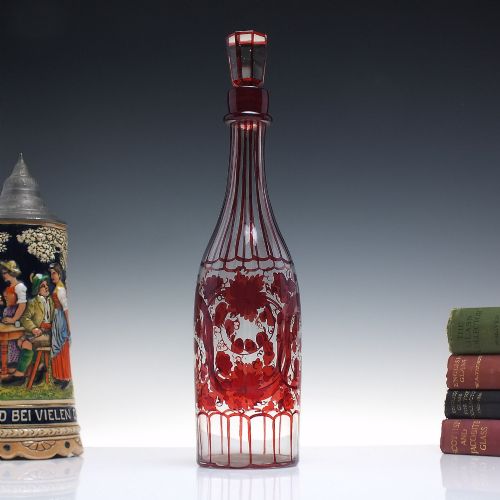
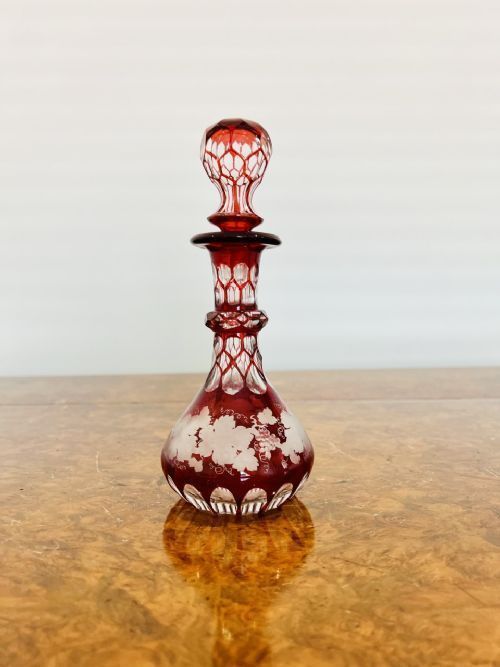
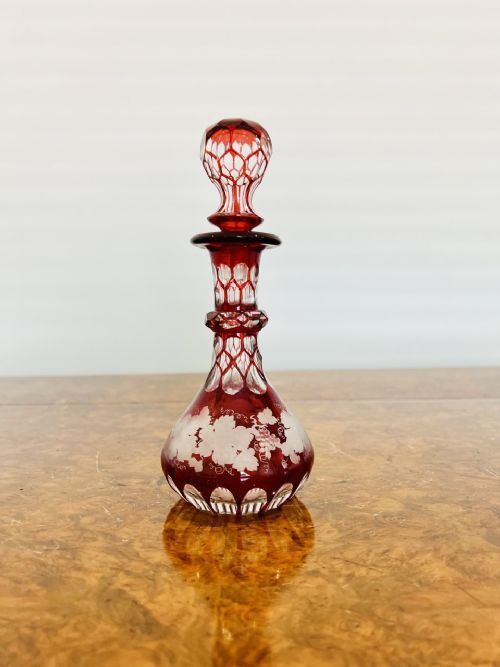
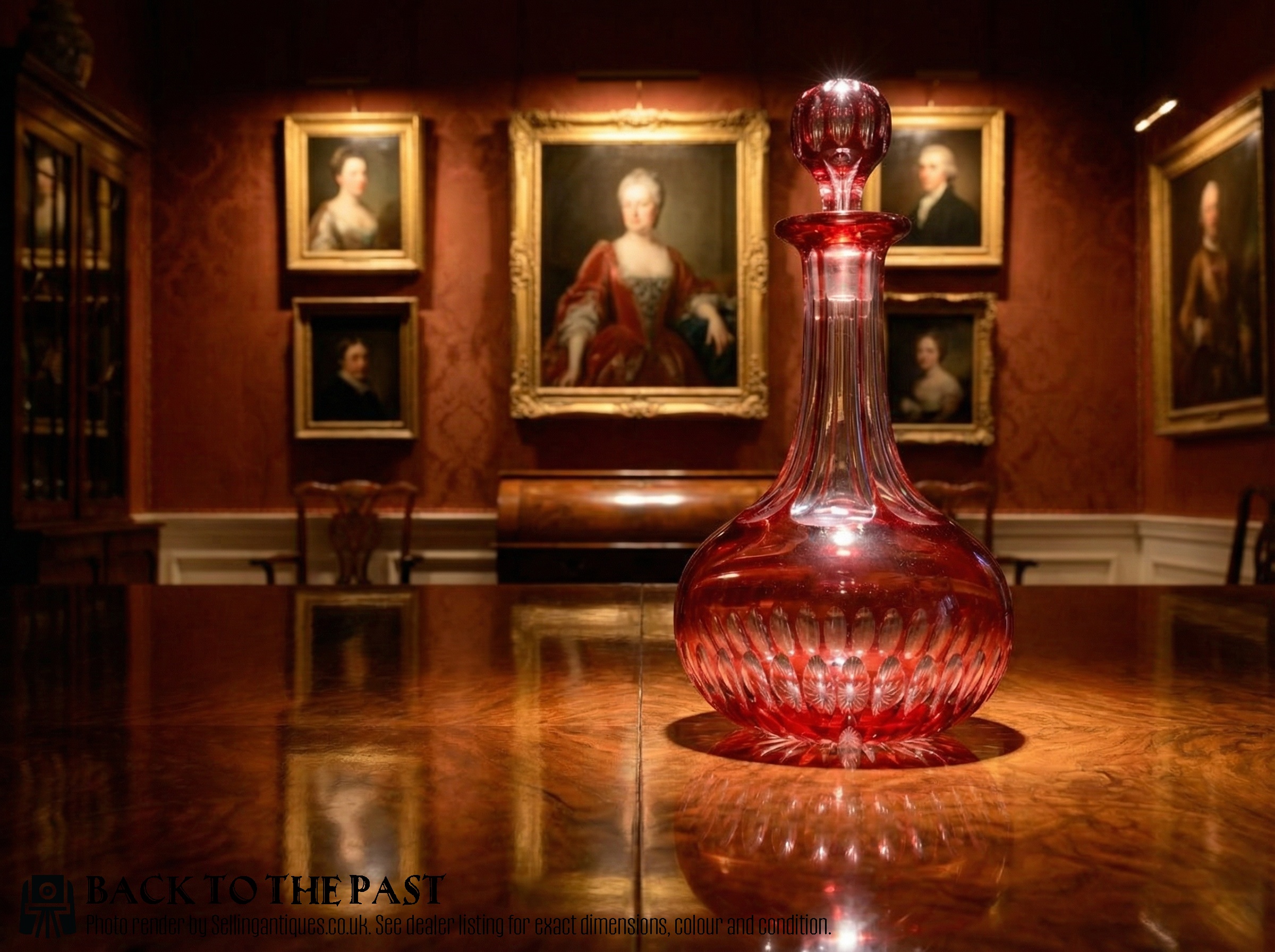
These ruby glass decanter examples combine rich red hues with traditional craftsmanship, offering striking table service pieces for collectors.
Ruby Glass Decanter
A ruby glass decanter serves as a vessel for wine, spirits and liqueurs, combining rich colour with functional utility. Buyers seeking a ruby glass decanter encounter Victorian and Edwardian examples alongside Bohemian and English productions.
How they were made
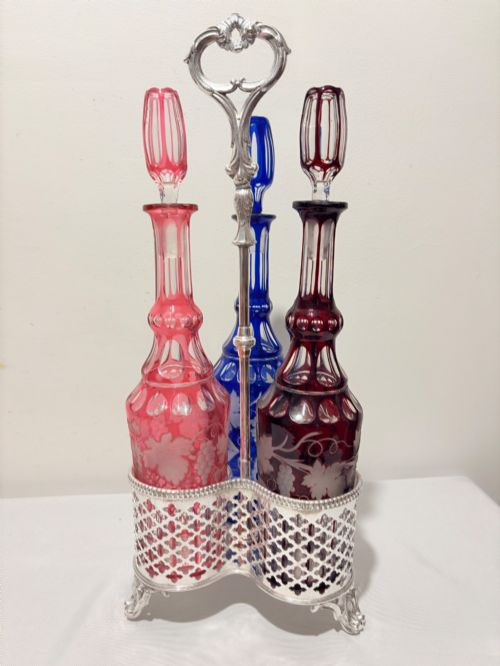
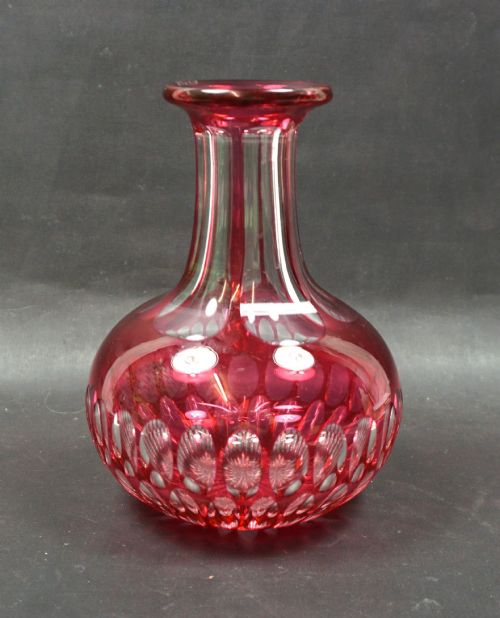
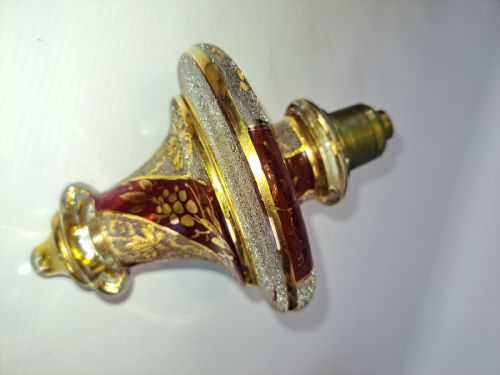
Maker's workshops utilised glass-blowing techniques to form the primary vessel, frequently applying a layer of cranberry or ruby glass over clear crystal. Artisans then employed wheel-cutting, hand-engraving and gilding to create decorative motifs such as birds, vines and geometric patterns.
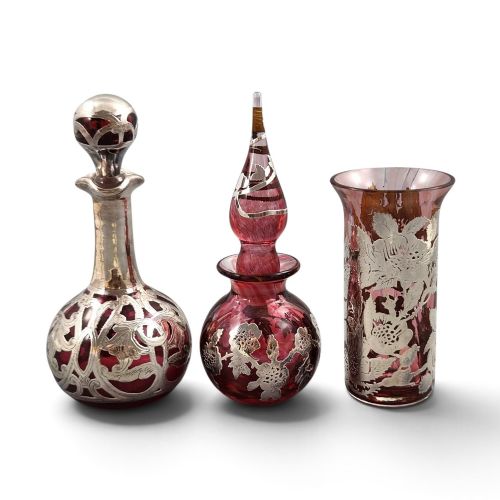
Mounts and stoppers often integrate sterling silver or silver plate, sometimes featuring distinct stoppers and finials designed specifically for each bottle.
Ruby Glass Decanter Retail Price Guide 2026
Typical asking prices for ruby glass decanter among the pieces listed under this phrase on Sellingantiques today, from the lower quarter to the upper quarter. They describe what is for sale here now, not the wider market.
The listings here span the Victorian and Edwardian eras, incorporating English and Bohemian glass-making traditions alongside silver-mounted examples.
What varies in quality
Quality rests in the depth and uniformity of the red glass layer and the crispness of any cut or engraved detailing. Superior pieces display finely detailed hand-engraving, intact gilding and well-fitted original stoppers.
The integration of precious metal mounts, such as sterling silver collars or stands, elevates certain items from utilitarian glassware to decorative art.

Gorham
The Ruby Glass Decanter Glossary
- Cranberry glass
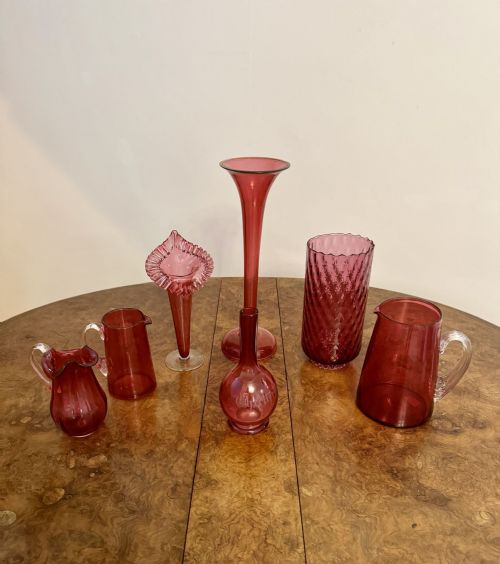
- A transparent pinkish-red glass coloured with gold chloride during production. It forms the basis of many Victorian table items.
- Overlay glass
- A technique where a layer of coloured glass is fused over a clear or contrasting body before being cut away to reveal the base layer. This creates a high-contrast decorative effect.
- Flagon decanter
- A traditional bottle form featuring a handle and a fitted stopper, used primarily for serving wine at the table.
- Phinial
- An alternative spelling often found in historical descriptions for a finial, serving as the decorative topmost knob on a stopper or lid.
Ruby Glass Decanter: Frequently Asked Questions
How do I clean a ruby glass decanter?
Wash the vessel by hand using warm water and mild soap, avoiding harsh abrasives that might damage the surface or any applied gilding.
Dry the interior thoroughly using a lint-free cloth or a specialised decanter drying strip to prevent water spots.
Are these decanters safe for serving wine?
Most antique glass vessels remain suitable for holding and serving wine or spirits, provided the interior is clean and free from heavy residue.
Inspect the glass for any internal cloudiness or historic staining before putting the piece into regular use.
How can I tell Victorian pieces apart?
Victorian examples often feature distinct characteristics such as hand-engraved floral or vine motifs, heavy cut glass patterns, and occasionally silver-plated stands.
Comparing the weight, stopper fit and engraving style helps distinguish mid-nineteenth-century production from later Edwardian work.
What is the difference between ruby and cranberry glass?
Cranberry glass typically exhibits a brighter, pinker red hue achieved through gold content in the batch formula. Ruby glass covers a broader spectrum of deep red tones, sometimes produced using copper or other metallic oxides.