


Royal Doulton China
Royal Doulton china brings nineteenth and twentieth century British craftsmanship into the home through expressive figures and painted display wares.
Royal Doulton China
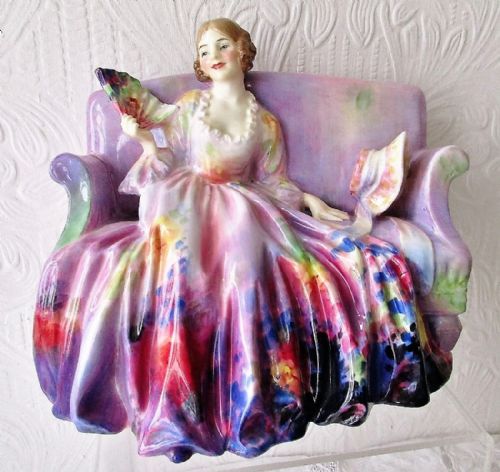
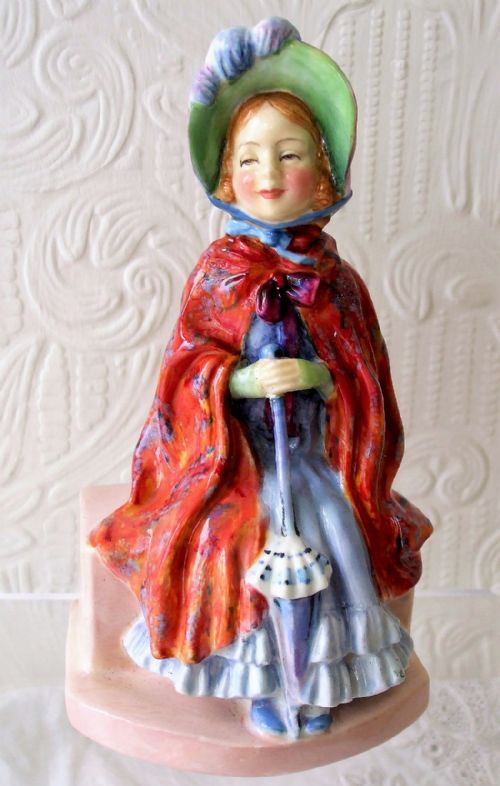
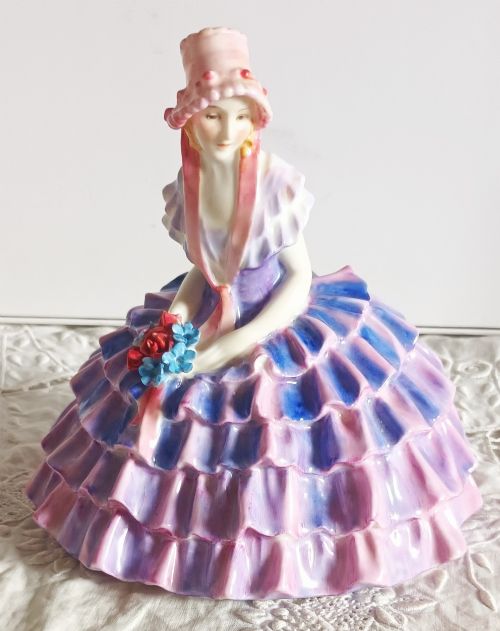
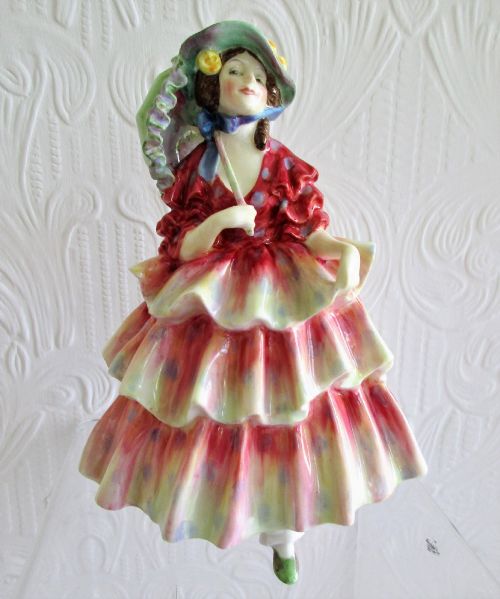
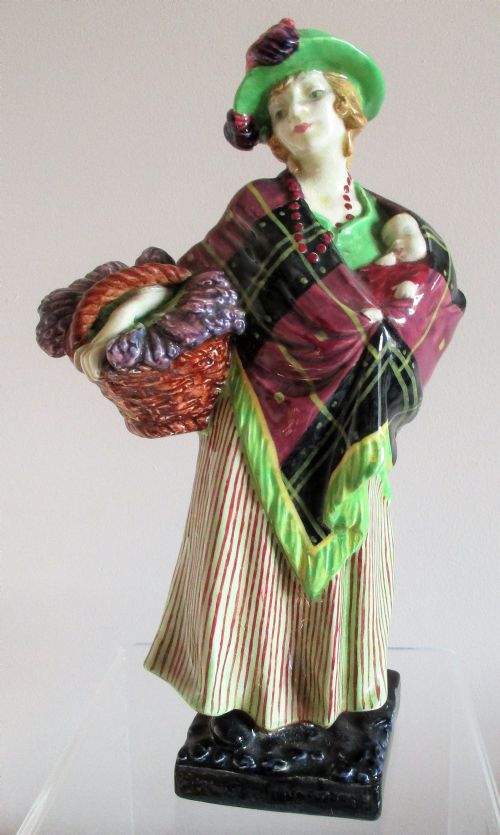
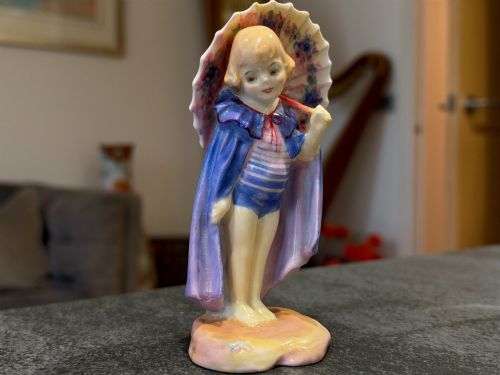
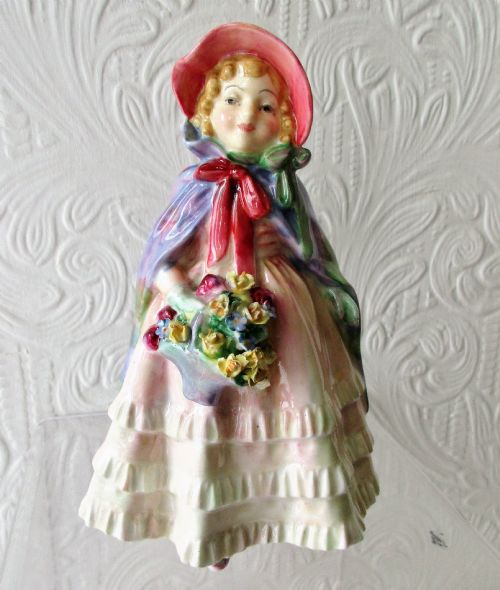
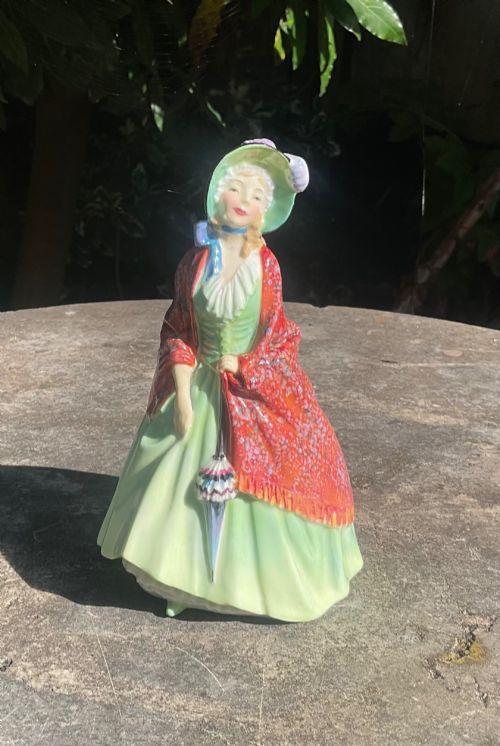
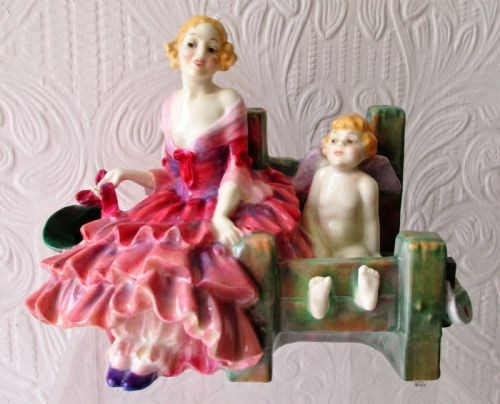
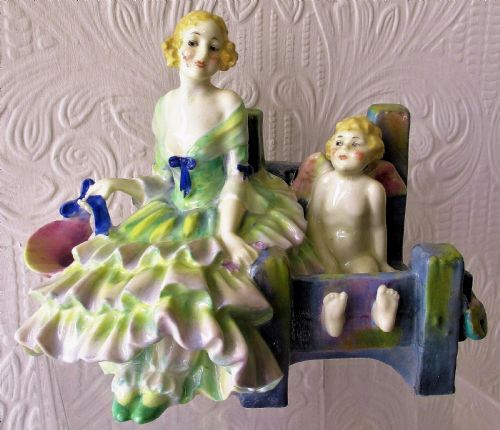
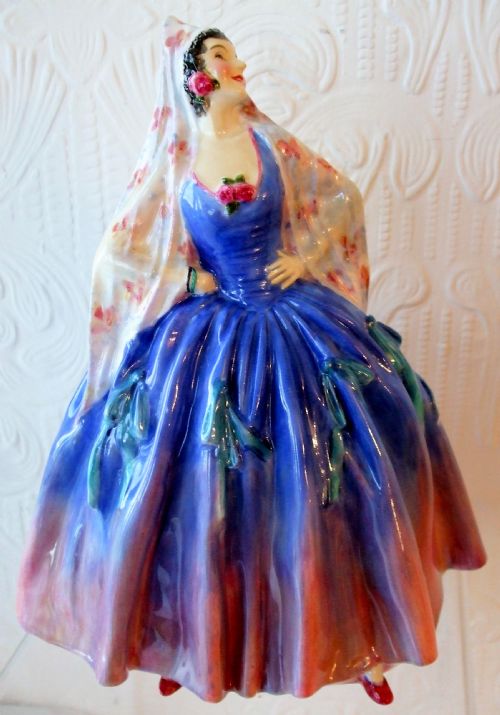
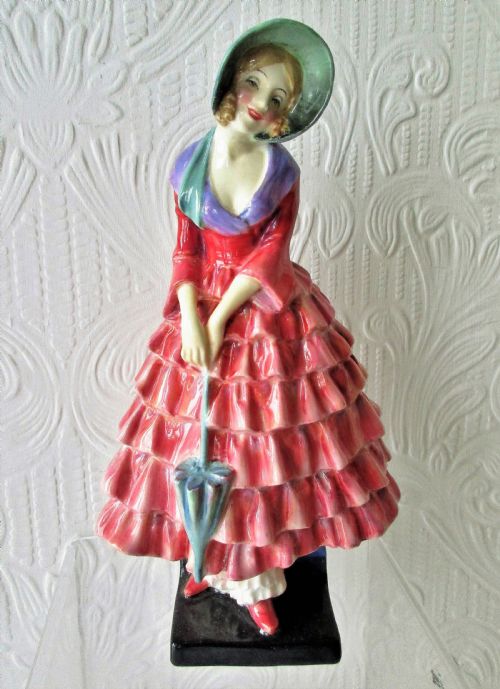
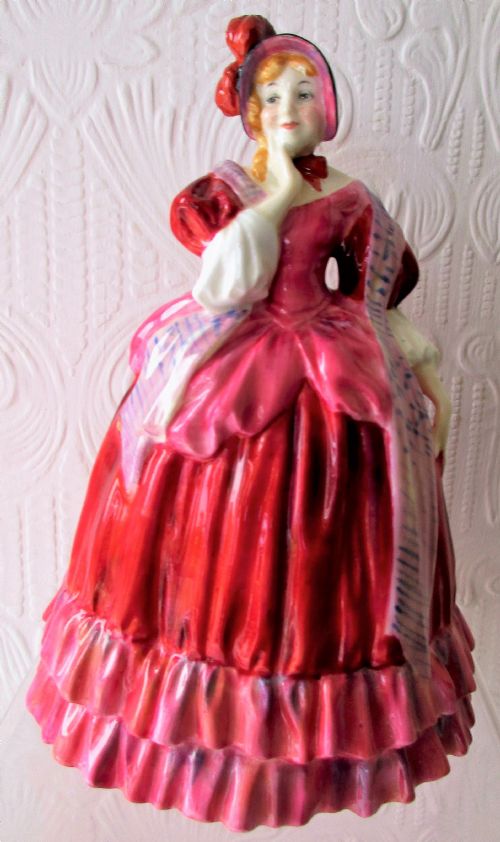
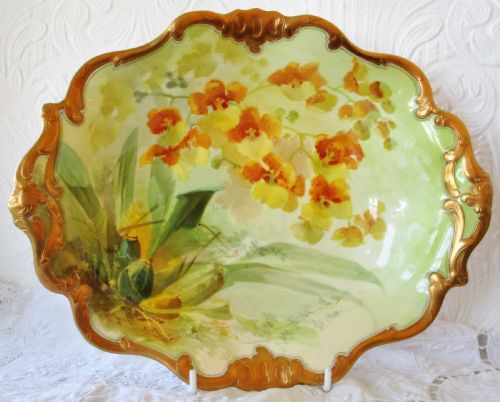
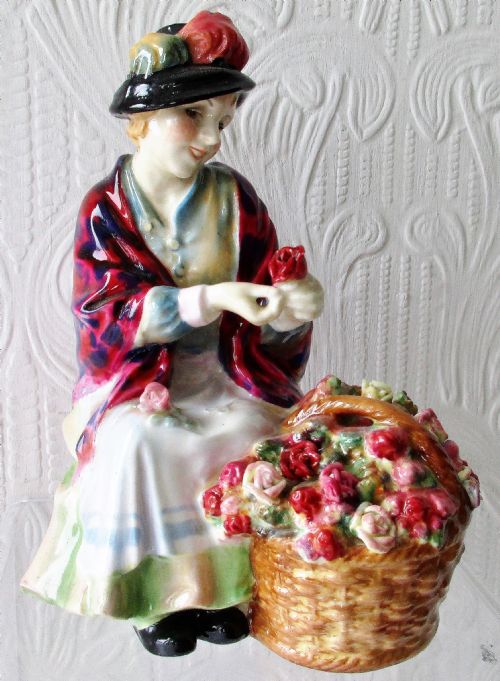
Royal Doulton china comprises a varied selection of porcelain figures, cabinet dishes, plates, and decorative vases spanning from the Victorian period through to the mid twentieth century. Collectors searching for royal doulton china regularly encounter named character figures alongside hand painted cabinet porcelain bearing floral or landscape scenes.
The objects stem from distinct eras including the Edwardian period, the art deco movement, and earlier nineteenth century workshops. Figurines carrying specific HN numbers dominate the selection alongside cabinet wares painted by notable studio artists.
Vessels and plates range from domestic service sets to single decorative display items created for prominent display cabinets. These pieces demonstrate the evolving decorative tastes of British ceramics over several distinct design epochs.
Materials and Technique
Makers utilised fine bone china and porcelain as the primary base materials for both sculptural figures and flat tableware. These ceramic bodies underwent high temperature firing to achieve durable structures suitable for detailed surface decoration.
Artisans applied coloured enamels, ceramic glaze, and gilt highlights by hand to accentuate the moulded contours of figures and the pictorial fields of cabinet plates. Master painters executed delicate scenes of orchids, castles, and fish directly onto the porcelain surface before final glazing.
Royal Doulton China Retail Price Guide 2026
Typical asking prices for royal doulton china among the pieces listed under this phrase on Sellingantiques today, from the lower quarter to the upper quarter. They describe what is for sale here now, not the wider market.
The available selection includes both detailed character figurines and hand painted cabinet dishes signed by notable studio artists.
The Measure of Quality
Quality in these ceramics rests upon the crispness of the initial moulding and the artistic skill evident in the hand painted surface details. Pieces decorated by named artists command greater attention due to the individual brushwork and compositional depth present on the porcelain.
Early versions and initial year production runs of popular figures display sharper facial expressions and finer polychrome enamel applications than subsequent iterations. The integration of rich gilding and smooth, unblemished ceramic glaze further elevates the standing of specific cabinet dishes and vases.
David Dewsberry·Joseph Birbeck Senior·John H Plant·Doulton Burslem
The Royal Doulton China Glossary
- Bone China
- A type of soft porcelain containing animal bone ash that creates a strong, milky white body. This material allows for thinner vessel walls and delicate sculptural forms.
- Cabinet Plate
- A decorative ceramic plate intended for display in a cabinet rather than for everyday dining use. These items typically feature elaborate hand painted central motifs.
- Enamel
- A glass based coloured compound fused to the ceramic surface during a secondary firing stage. It provides vibrant, permanent colouration to figures and painted scenes.
- Gilt
- A thin layer of gold applied to the edges, handles, or surface details of porcelain. It adds a reflective metallic accent that catches the light in display settings.
- HN Number
- A specific numbering system introduced by the pottery to catalogue its figures and decorative designs. The letters honour Harry Nixon, a prominent early designer.
Royal Doulton China: Frequently Asked Questions
What are HN numbers on figurines?
HN numbers serve as the official registration and cataloguing codes used by the factory to record its sculptural designs. Each distinct figure model receives its own sequential number upon introduction.
Collectors rely on these codes to identify the specific model, verify production eras, and trace individual variations across decades of output.
How should I display cabinet plates?
Cabinet plates require sturdy wall mounts or dedicated display stands that support the rim securely without causing pressure damage. Placement should avoid direct sunlight to protect the hand painted enamel colours from fading over time.
These decorative pieces were originally designed for visual appreciation in drawing rooms rather than practical service use.
What defines Edwardian porcelain pieces?
Edwardian items reflect the decorative optimism and refined craftsmanship of the early twentieth century. They frequently feature intricate hand painted floral compositions and softer colour palettes.
This era bridges Victorian ornamentation and the cleaner lines of the subsequent art deco period in British ceramics.
Are painted vases glazed twice?
Vases and cabinet dishes typically receive an initial high temperature firing for the raw ceramic body followed by a secondary glazing fire. Hand painted details are often applied over the base glaze before an additional firing seals the pigments.
This multi stage process ensures the enamel colours and gilt highlights bond permanently with the porcelain surface.