


Round Wood Side Table
A round wood side table provides a stable surface for lamps and drinks, drawing focus through figured timbers and compact proportions.
Round Wood Side Table
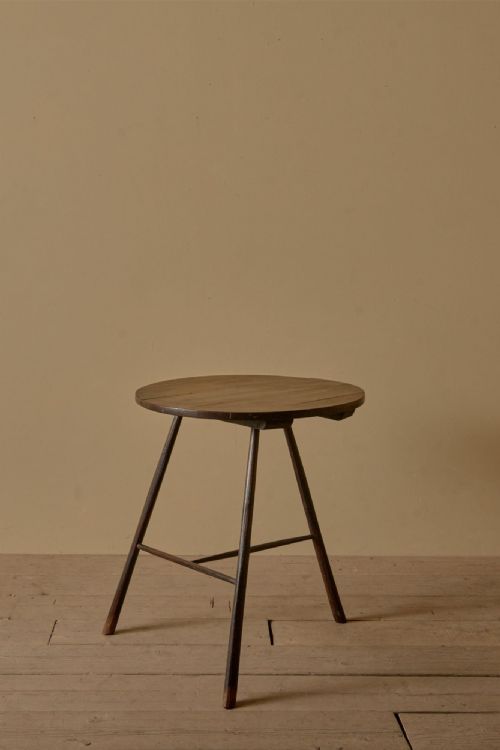
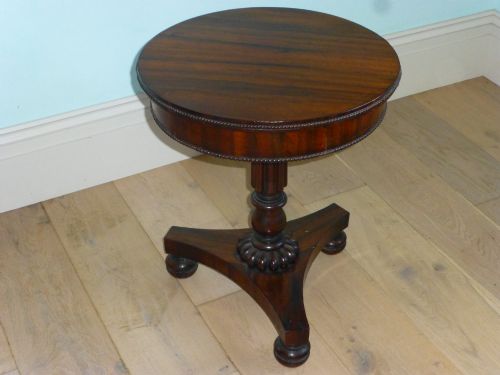
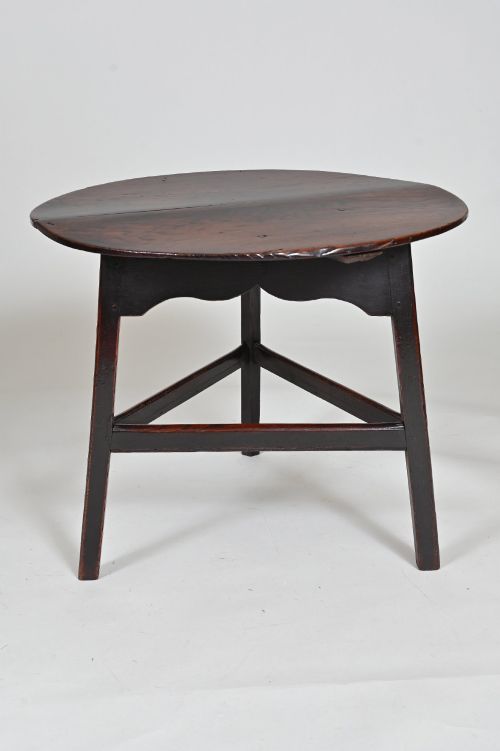
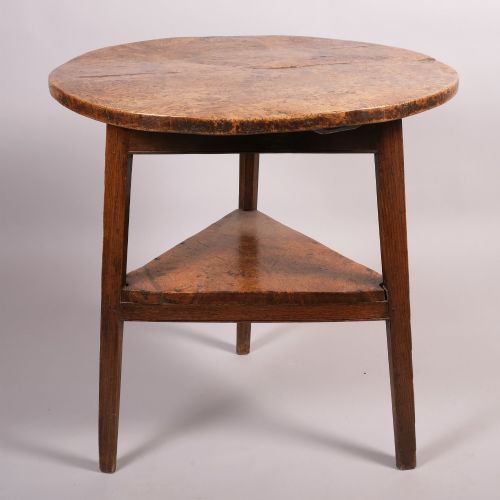
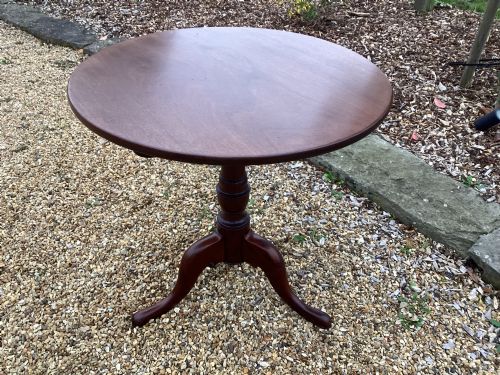
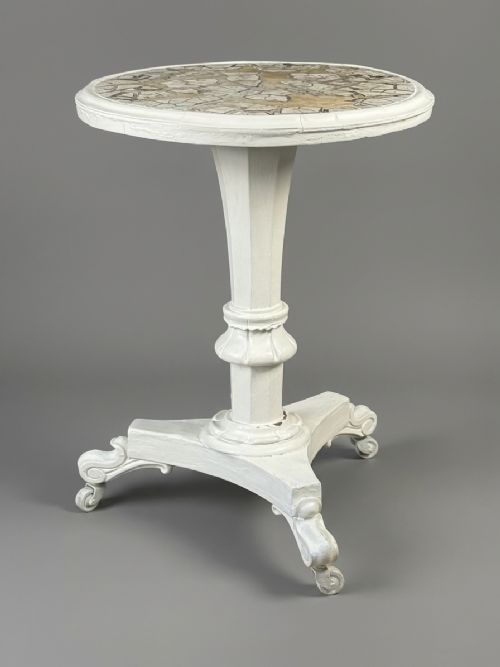
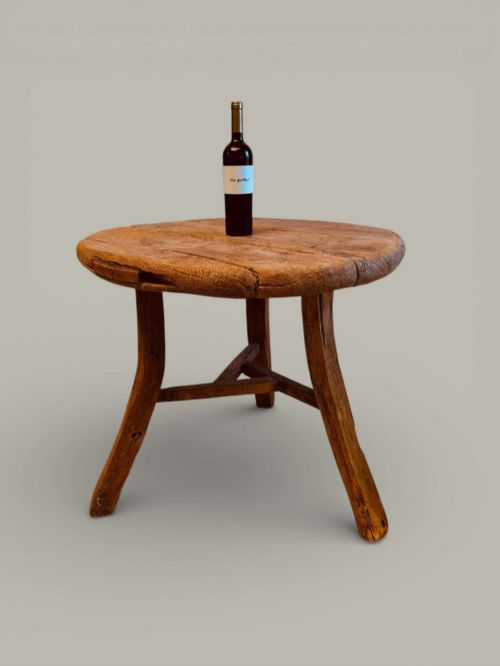
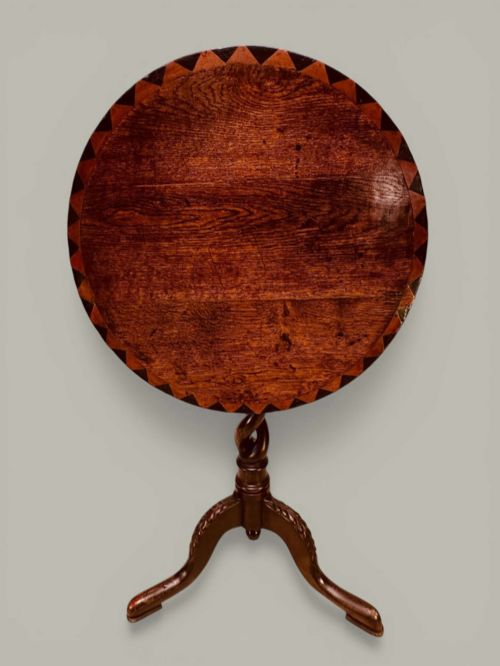
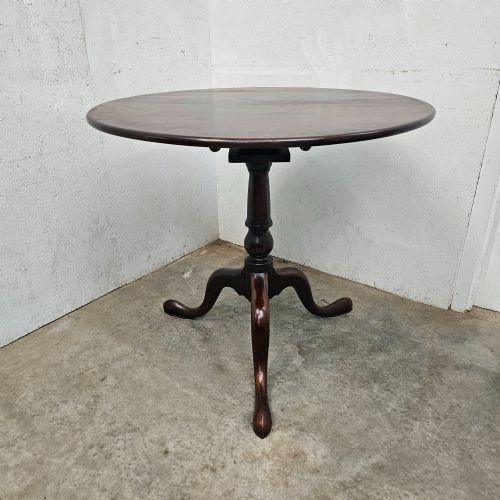
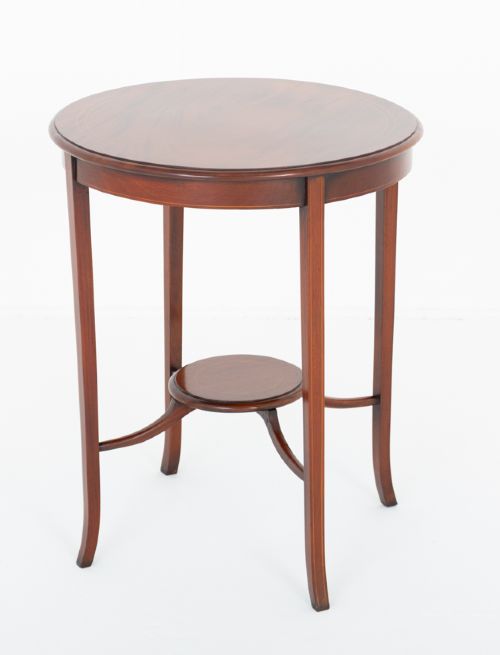
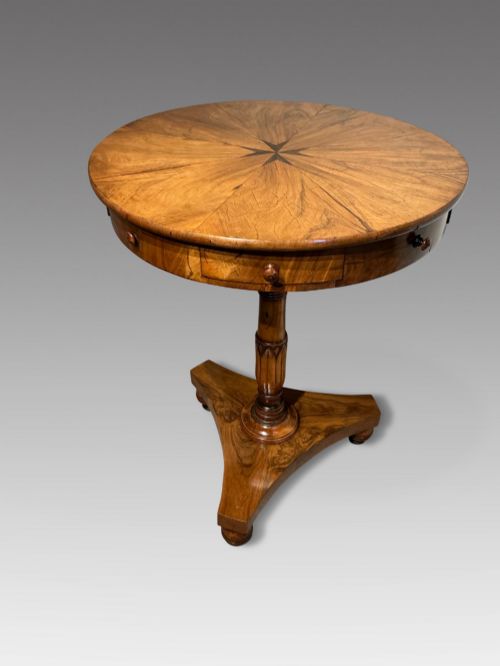
A round wood side table encompasses tripod wine tables, cricket tables, and pedestal occasional tables spanning from the eighteenth century through the twentieth century. These pieces appear in Georgian, Victorian, and Edwardian styles, alongside continental variants such as Swedish birch pieces and French walnut gueridon tables.
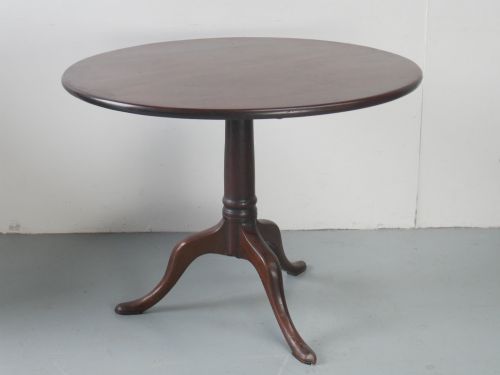
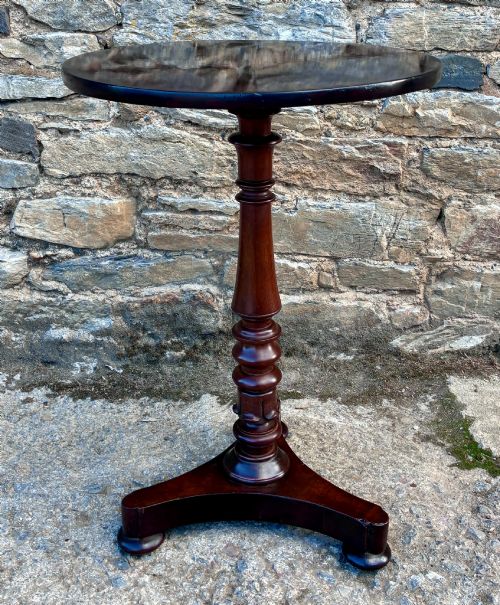
The most common examples on this page are mahogany tripod tables from the nineteenth century, often featuring tilt mechanisms or raised edges. Buyers frequently encounter smaller occasional tables designed for lamps, drinks, or bedside use in various traditional English and continental woods.
Materials and construction
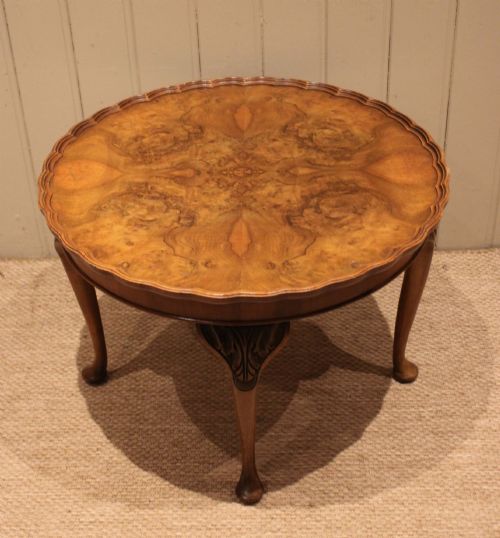
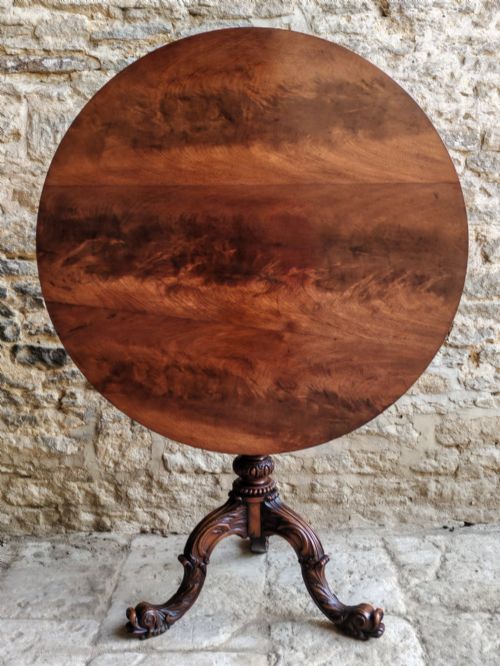
Makers utilised dense hardwoods such as mahogany, walnut, and oak, frequently selecting figured veneers like burr birch and satinwood for decorative tabletops. Solid timbers were turned on lathes for pedestals and joined with traditional pegs or dovetails.
Inlaid brass, marble inserts, and ebonised details appear on specific regional pieces, whilst tilt-top mechanisms rely on clever pivoting catches fitted beneath the circular top.
Round Wood Side Table Retail Price Guide 2026
Typical asking prices for round wood side table among the pieces listed under this phrase on Sellingantiques today, from the lower quarter to the upper quarter. They describe what is for sale here now, not the wider market.
Some tilt-top tables were stored upright against walls like decorative wooden shields when the evening dancing started.
Judging quality
Quality rests upon the selection of timber grain, the crispness of turned wooden columns, and the stability of the tripod base or pedestal support. Finer examples display harmonious proportions between the top and the supporting legs, with careful attention paid to interior joints.
Secondary woods used in framing and the precision of inlaid details separate standard domestic furniture from finer parlour pieces commissioned during the Georgian and Victorian periods.
Bulstrode Cambridge·EW Godwin
The Round Wood Side Table Glossary
- Tripod table
- A small freestanding table supported by three legs radiating from a central pillar. These tables often feature circular tops designed for wine or lamps.
- Tilt-top
- A hinged tabletop mechanism that allows the surface to fold vertical when not in use. This design saved space in period rooms.
- Cricket table
- A small three-legged wooden table originating from the eighteenth century, traditionally built with an oak top and stretchers. The design provided stability on uneven floors.
- Gueridon
- A small French occasional table supported by a column or figures. They frequently feature marble tops and inlaid veneers.
- Piecrust edge
- A raised, carved moulding around the circumference of a tabletop. The decorative undulating profile resembles pastry work.
Round Wood Side Table: Frequently Asked Questions
What is a round wood side table used for?
These tables served historically as tea, wine, or lamp stands in formal drawing rooms and modest parlours alike. Their compact circular footprint allows them to sit beside armchairs or in awkward corners.
Today, they function well as bedside stands or beside sofas for holding lamps, books, and drinking glasses without crowding a room.
How do I identify a tilt-top table?
A tilt-top table incorporates a clever wooden catch or brass latch beneath the circular surface, allowing the top to pivot upright against the central pillar. This feature enabled servants to store multiple tables compactly against a wall when not in use for evening dining or entertaining.
When lowered, a well-made catch locks the top firmly horizontal without excessive wobble.
What is the difference between a wine table and a lamp table?
Wine tables traditionally feature smaller, slender circular tops designed to hold a single decanter and glass during evening gatherings. Lamp tables are often slightly broader and sturdier to support the weight of heavy oil lamps or nineteenth-century lighting.
In modern usage, the terms frequently overlap as both describe compact circular tables on pedestals.
How do I care for antique wood surfaces?
Antique timber responds best to regular dusting with a soft, dry cloth and occasional applications of traditional beeswax to nourish the grain. Direct sunlight and sudden changes in room temperature should be avoided to prevent timber from drying out or splitting.
Using coasters prevents moisture rings from forming on historic polish.