



Round Wood Mirror
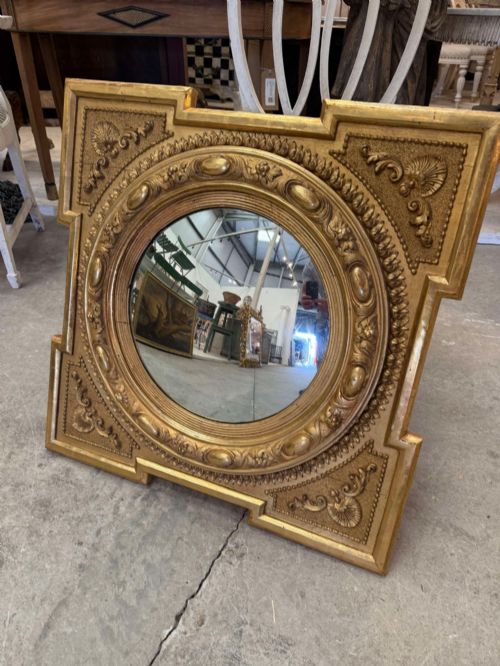
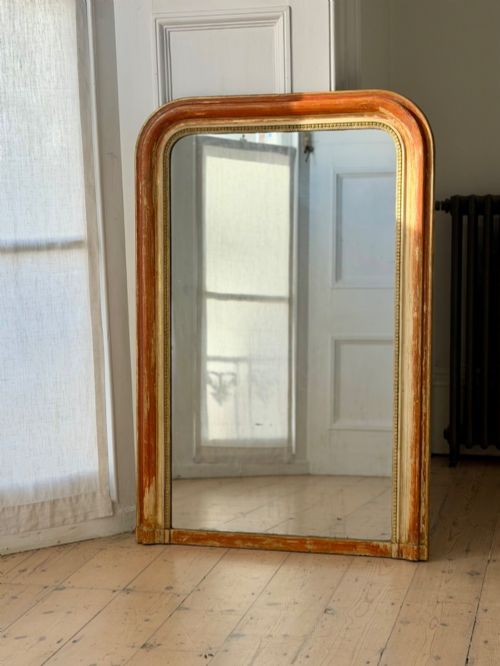
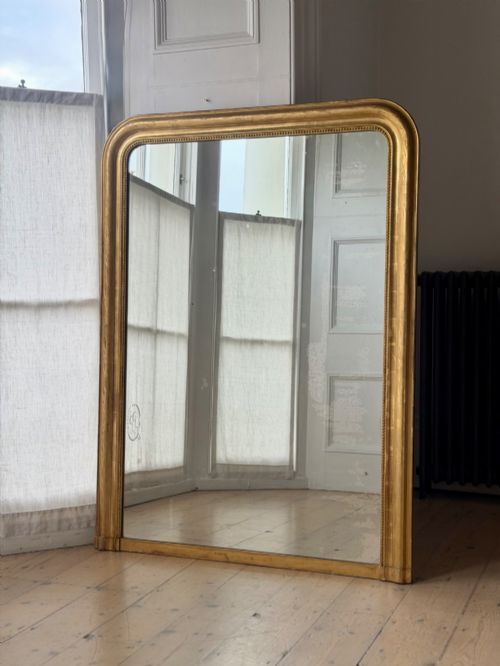
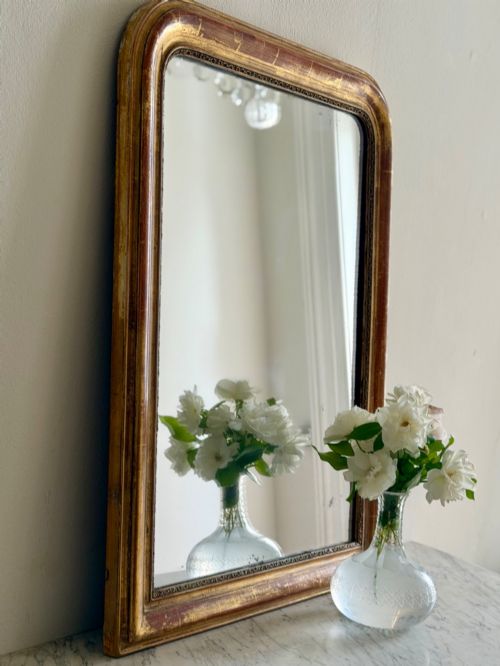
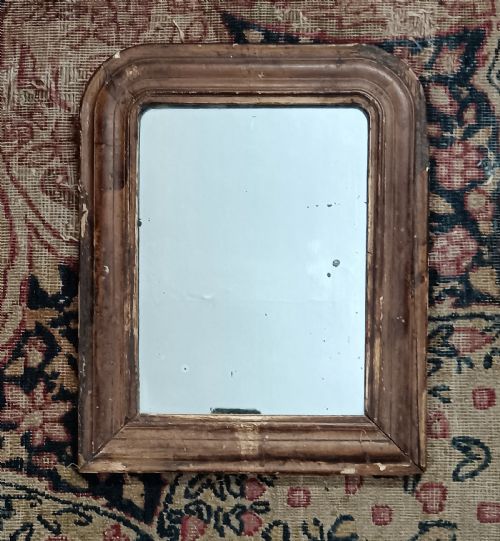
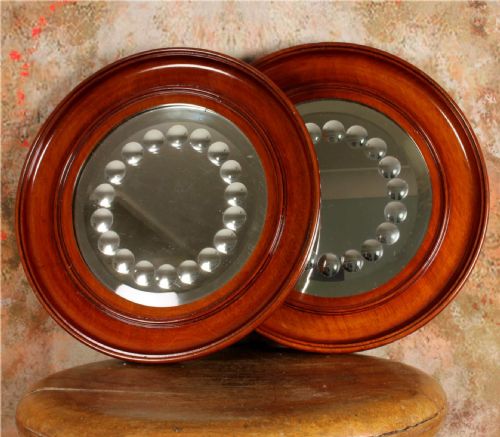
These round wood mirror pieces bring genuine nineteenth-century and early twentieth-century character to a room through circular timber and gilt frames.
Round Wood Mirror
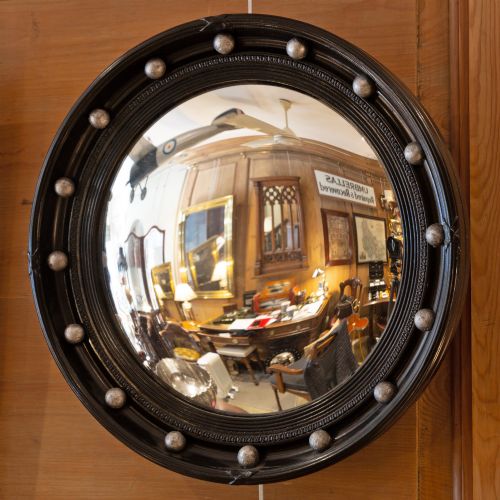
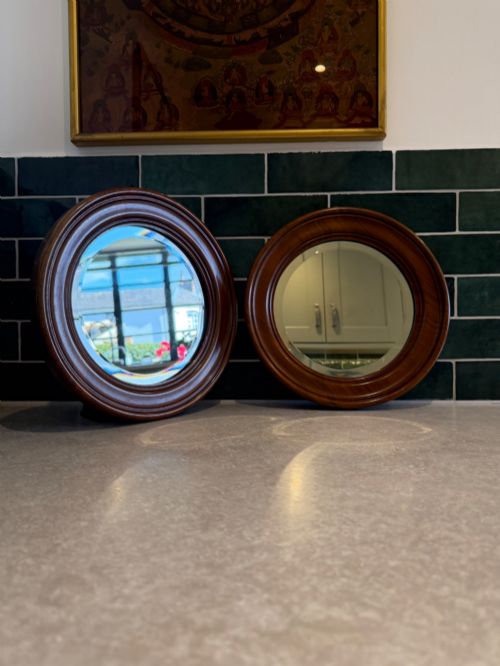
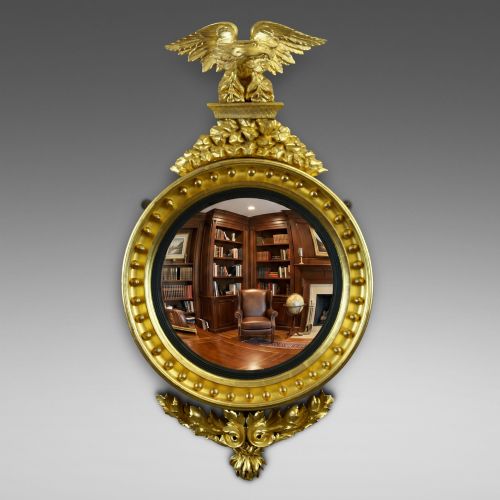
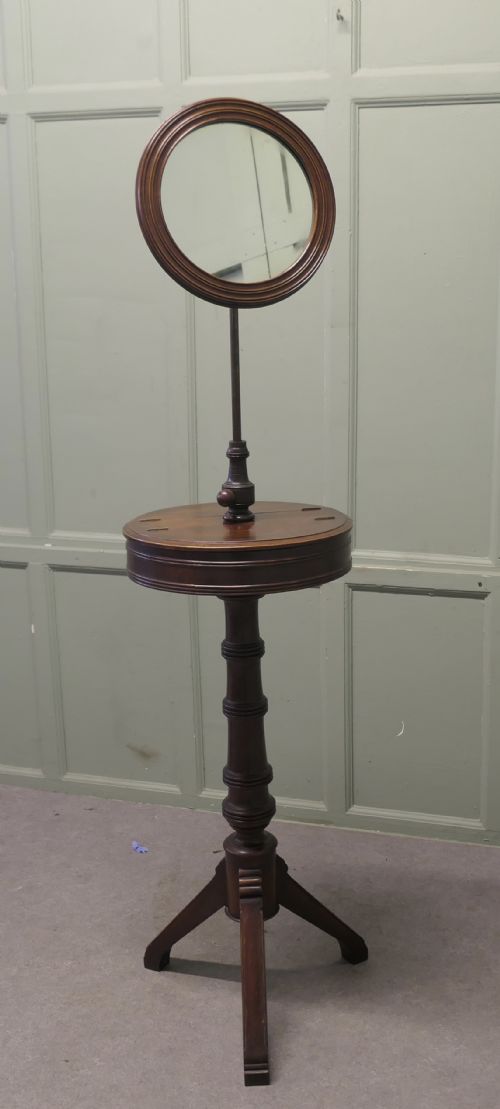
When you search for a round wood mirror, you find circular looking-glasses spanning the Victorian, Regency, and Edwardian periods alongside earlier French Louis Philippe and Georgian examples. The selection includes wall-hung convex plates, standing shaving stands, hand-held vanities, and substantial giltwood frames.
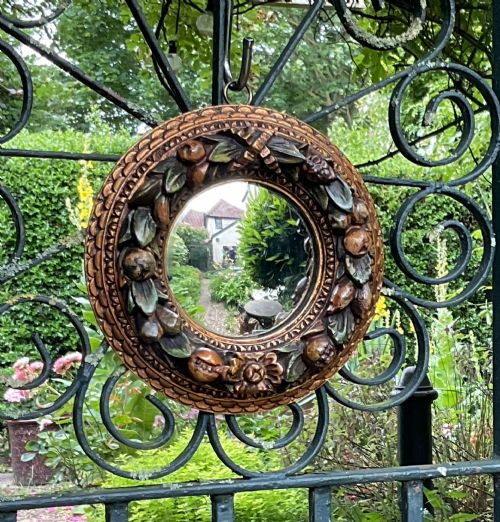
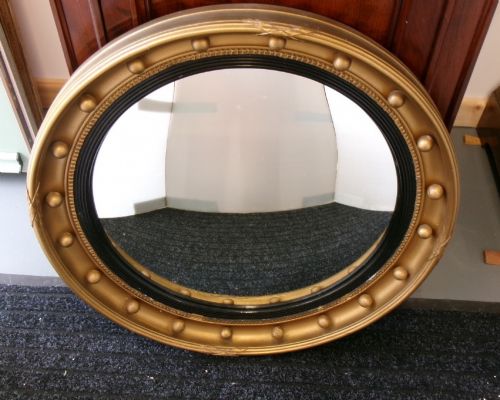
You are most likely to encounter nineteenth-century convex wall mirrors framed in carved wood and gesso, often retaining their original foxed mirror plates or mercury glass. Timber frames in walnut, mahogany, and ebonised wood appear frequently alongside gilt-finished designs.
How they were made
Frames combine structural timber such as mahogany, walnut, or general wood with applied gesso to hold intricate carved details. Craftsmen then applied gold leaf or silver gilt to the prepared surfaces.
Mirror plates utilise early silvering techniques, including mercury glass and foxed glass plates that show age through natural oxidation spots.
Round Wood Mirror Retail Price Guide 2026
Typical asking prices for round wood mirror among the pieces listed under this phrase on Sellingantiques today, from the lower quarter to the upper quarter. They describe what is for sale here now, not the wider market.
Victorian sorcerer's mirrors were designed to curve the entire parlour into a single gleaming orb, ensuring nobody could sneak up on the tea table.
What varies in quality
The finesse of the timber carving and the depth of the gilt finish separate standard production pieces from finer works. Original fire-gilt or gold leaf surfaces show subtle tonal variations that mechanical modern finishes lack.
The preservation of the original glass plate significantly affects the character of the object. Mercury glass and period convex plates with undisturbed foxing retain greater historical integrity than later replacements.
The Round Wood Mirror Glossary
- Convex mirror
- A round looking-glass with a curved outward plate that reflects a wide, fish-eye view of the room. These forms were popular during the Regency and Victorian eras for practical surveillance and decorative effect.
- Mercury glass
- A type of double-walled glass blown in the nineteenth century with a silvering mixture inserted between the layers. It creates a distinctive deep, mottled reflection.
- Gesso
- A plaster-like mixture applied to wood frames to provide a smooth base for gilding or painting. Artisans carve fine details directly into this dried compound.
- Foxed mirror plate
- A mirror surface showing small dark spots or a cloudy haze caused by the degradation of the backing over time. This ageing process indicates genuine period manufacture.
- Louis Philippe
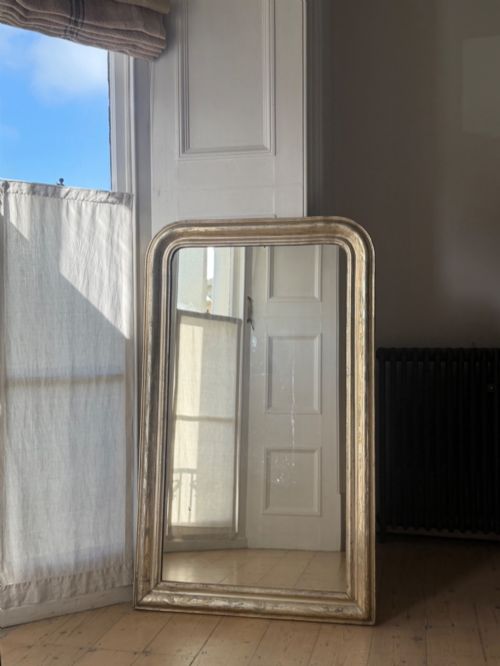
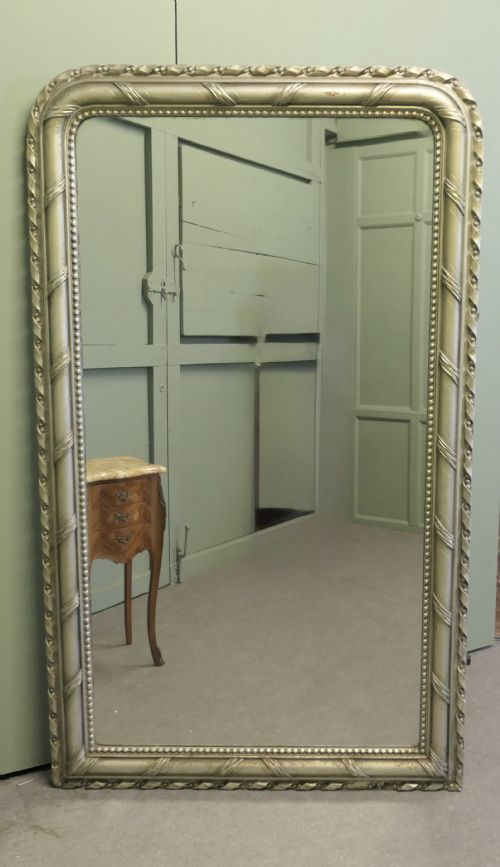
- A French nineteenth-century style characterised by restrained classical proportions and simple curved upper frames. These pieces often feature gilt wood construction.
Round Wood Mirror: Frequently Asked Questions
What is a witch's mirror?
A witch's mirror refers to a circular convex looking-glass from the nineteenth century or earlier. The curved glass provides a panoramic view of the entire interior space.
Historical tradition suggested the wide-angle perspective helped homeowners monitor servants or ward off unwanted influences.
How do I clean an antique mirror plate?
Antique glass requires gentle maintenance to protect fragile silvering and nineteenth-century mercury backing. Use a soft, dry microfibre cloth to remove dust without applying pressure.
Avoid commercial cleaning sprays, as moisture can seep behind the frame and accelerate the degradation of the plate.
How do I date a wooden mirror frame?
Dating relies on examining the construction materials, joinery methods, and the composition of the mirror glass. Nineteenth-century examples often feature hand-carved gesso over timber with characteristic shrinkage cracks.
Backboards, fixings, and the presence of original mercury glass provide further clues to the manufacturing decade.