

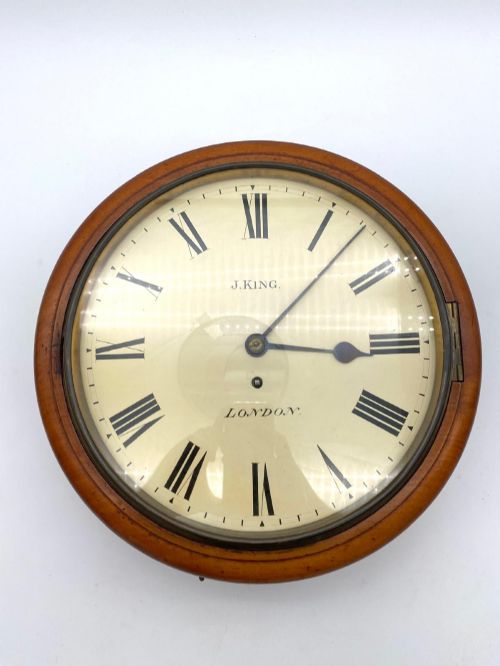
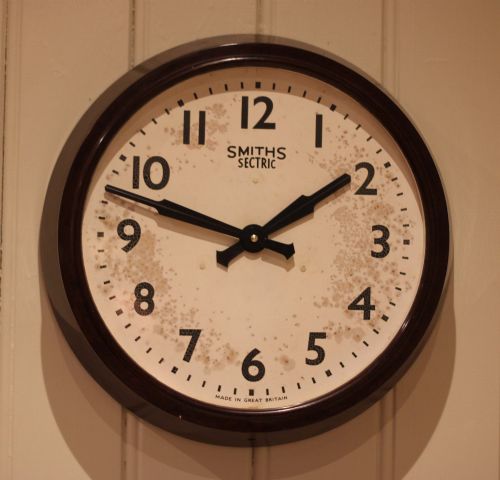
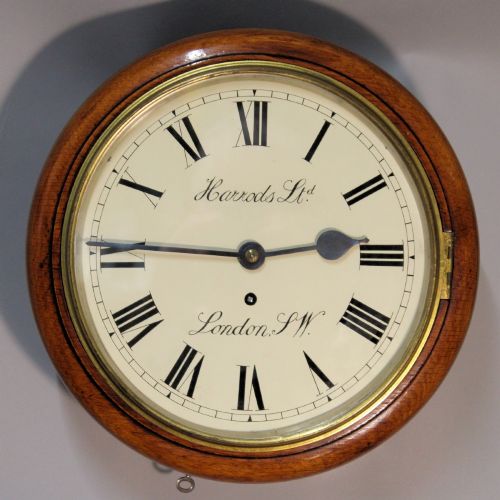
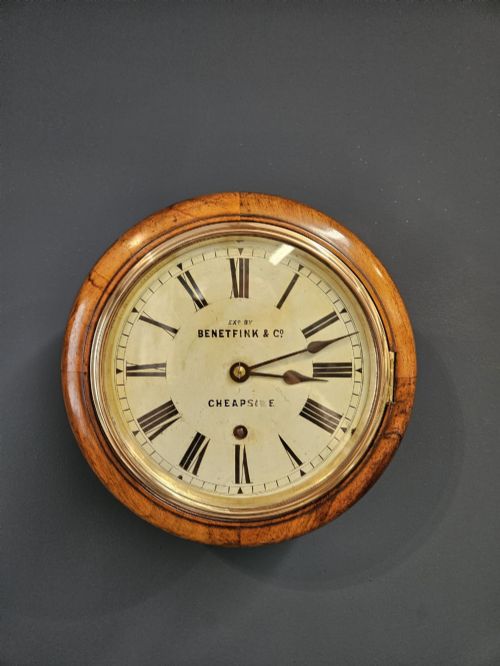
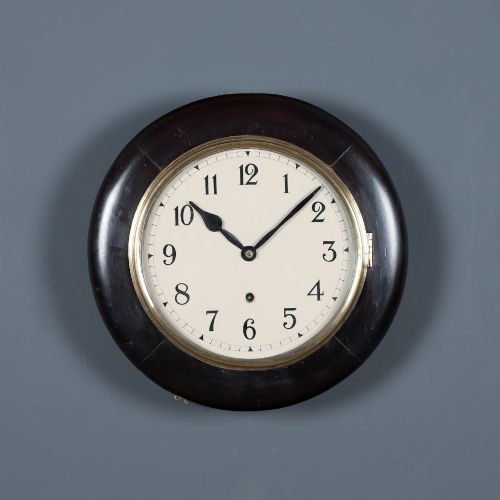
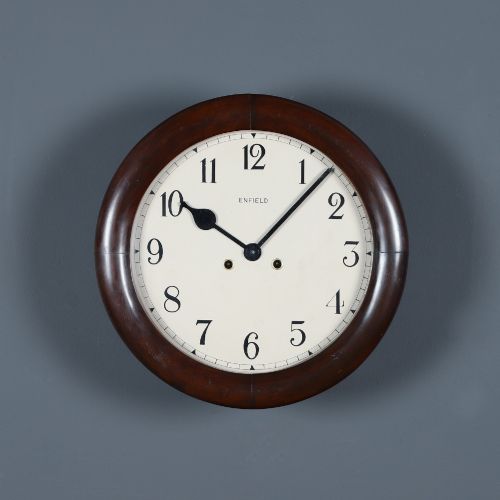
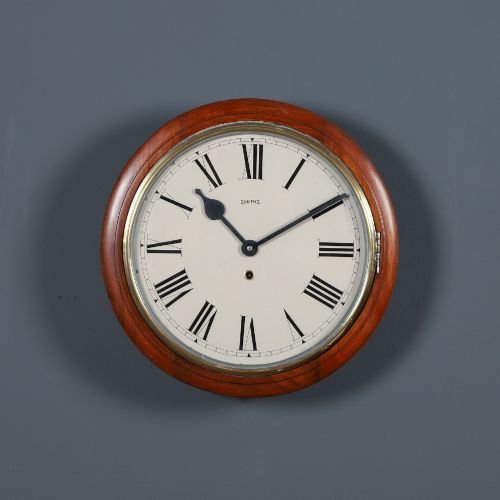
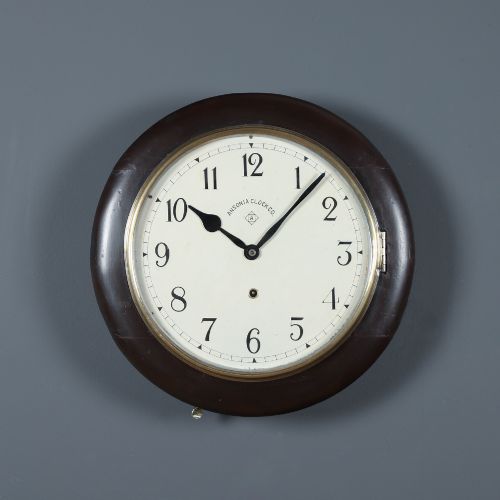


Round School Clock
A round school clock is a dependable wall timepiece designed for clear visibility, bringing crisp circular dials and sturdy timber cases into domestic interiors.
Round School Clock
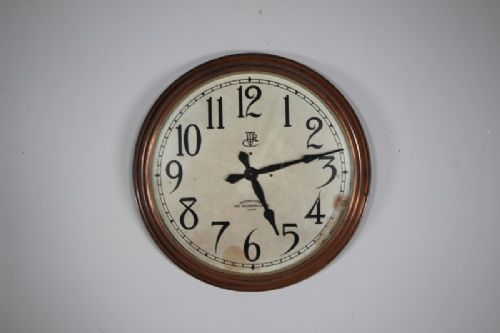
A round school clock is a prominent wall timepiece characterised by a circular face and a robust timber housing designed for municipal and educational spaces. You find these dials recorded across the Victorian era, the Edwardian period, and into the early twentieth century.
Examples range from compact models measuring six or eight inches across to larger institutional pieces spanning fourteen inches or more. Makers such as Enfield, Ansonia, and Smiths produced these sturdy designs alongside retail names like Harrods.
How they were made
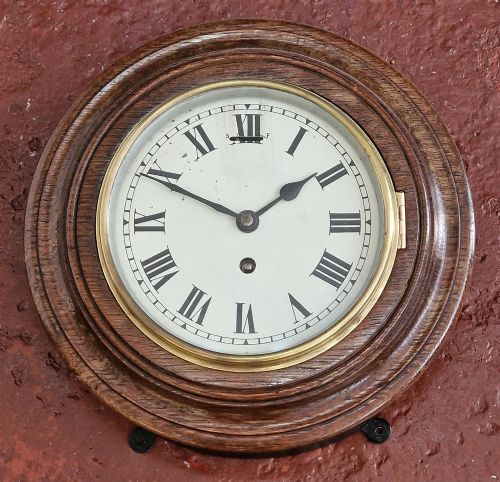
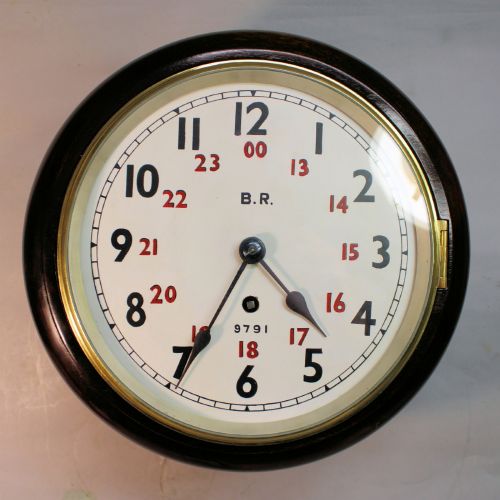
Makers housed these timepieces in substantial timber cases turned from mahogany, oak, and walnut, often secured with brass bezels and heavy protective glass. These woods provided the structural rigidity needed to protect the internal fusee and chiming movements.
Dials were constructed with clear painted numerals behind glass, whilst internal metal components utilised iron and copper for durability. Cases frequently featured carved wooden surrounds or drop-dial configurations to accommodate the pendulum mechanism.
Round School Clock Retail Price Guide 2026
Typical asking prices for round school clock among the pieces listed under this phrase on Sellingantiques today, from the lower quarter to the upper quarter. They describe what is for sale here now, not the wider market.
London County Council marked its timekeeping strictly, stamping authority directly onto municipal dial faces.
What varies in quality
The sophistication of the internal movement dictates the calibre of the piece, with traditional fusee movements representing superior mechanical execution compared to standard timepieces. Better examples maintain precise timekeeping through finely balanced gear trains.
Timber selection and case construction further separate ordinary production from superior pieces, particularly where artisans utilised dense mahogany or figured walnut with clean joinery. The crispness of dial lettering and the quality of brass bezels reflect the original maker's standards.
Enfield·Ansonia·Smiths·Anglo Swiss Watch Co.·Harrods·Wyatt Bournemouth·Palmer and Co·Webster·Balbiani Brookley
The Round School Clock Glossary
- Fusee
- A conical pulley connected to the mainspring by a cord or chain that ensures even tension as the spring unwinds. This mechanism improves the timekeeping accuracy of mechanical wall clocks.
- Dial
- The visible face of the clock where numerals are painted or applied to indicate the hours. These circular surfaces sit directly behind protective glass covers.
- Bezel
- The metal ring, frequently made of brass, that holds the glass door or cover in place over the clock dial. It often hinges open to allow hand adjustments.
- Drop-dial
- A clock case design where a lower wooden trunk extends beneath the circular dial to enclose a swinging pendulum. This configuration typifies many institutional and railway timepieces.
- Timepiece
- A clock that measures and indicates the passage of time without incorporating a striking mechanism to mark the hours audibly.
Round School Clock: Frequently Asked Questions
Where were round school clocks used?
These clocks originally hung in classrooms, railway stations, and municipal offices where large groups needed to read the time at a glance. Their bold circular dials ensured high visibility across busy rooms.
Today, they transition easily into domestic hallways, kitchens, and studies, bringing utilitarian practicality and traditional timber warmth to contemporary walls.
How do fusee movements work?
A fusee movement uses a conical pulley and chain to equalise the pulling power of the mainspring as it gradually unwinds. This clever mechanical design prevents the clock from losing speed as the power diminishes.
Clocks equipped with this system generally represent higher manufacturing standards from the nineteenth century and earlier.
How do I date a wall clock?
Dating relies on examining the timber case style, the construction of the dial, and any maker signatures stamped on the movement. Victorian and Edwardian examples often display distinct timber finishes and hardware details.
Consulting recorded makers and regional retailers listed on the clock face or movement plates helps narrow down the decade of production.
Do these clocks chime?
Some models feature bell-striking or chiming mechanisms to announce the hours, whilst others operate purely as timepieces without acoustic signals. The presence of a strike train depends on the specific institutional purpose for which the clock was ordered.
Checking the movement description reveals whether a model includes internal gongs or bells alongside the primary gear train.