






Round Gilded Frame
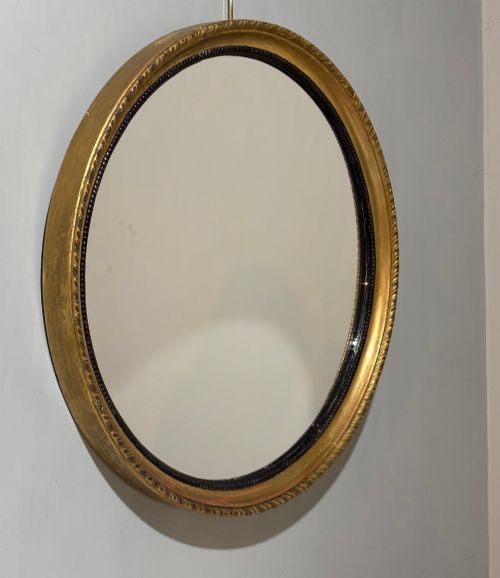
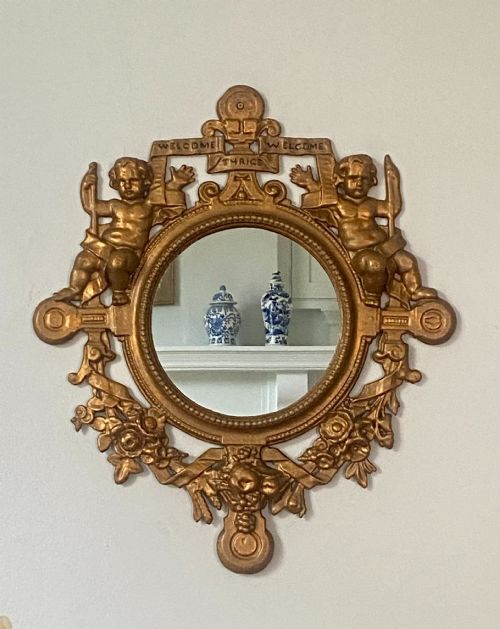
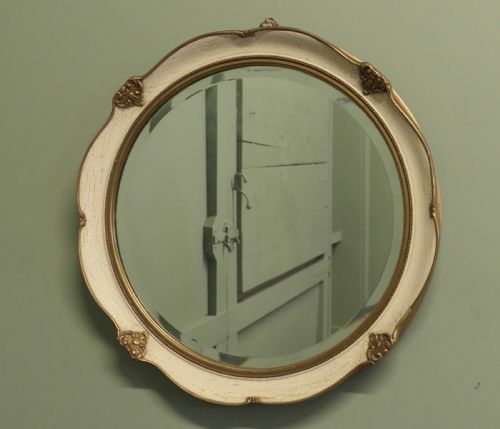
A round gilded frame brings light and depth to a room, framing convex mirrors, portraits, and picture frames from the nineteenth century onward.
Round Gilded Frame
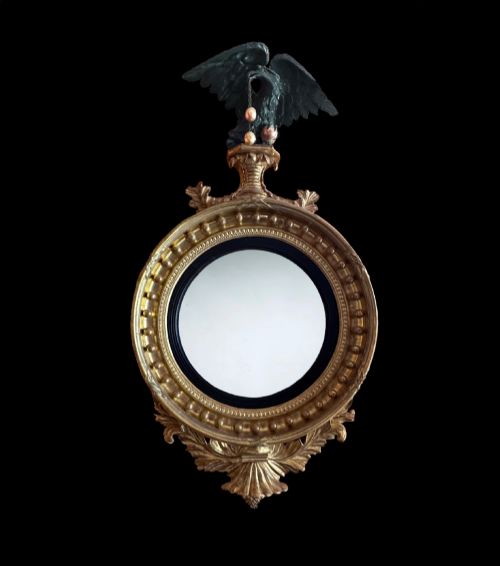
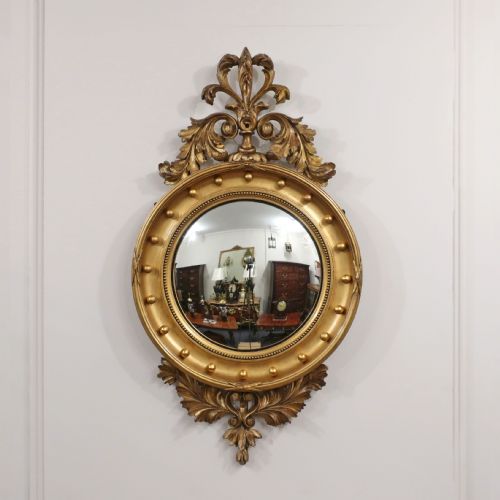
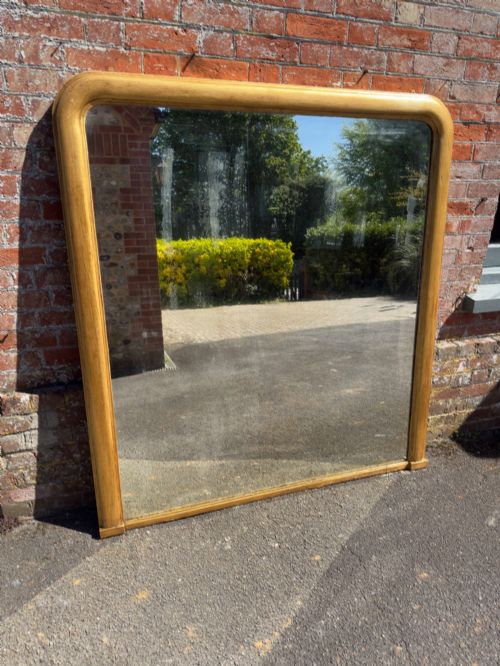
When you search for a round gilded frame, you encounter a selection dominated by nineteenth-century wall mirrors, particularly convex forms originating from the Regency and Victorian periods.
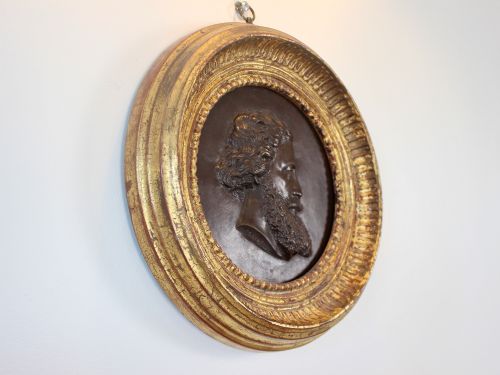
The inventory also includes picture frames, wall plaques, and miniature portraits housed in circular surrounds from later decades such as the nineteen-thirties and nineteen-forties.
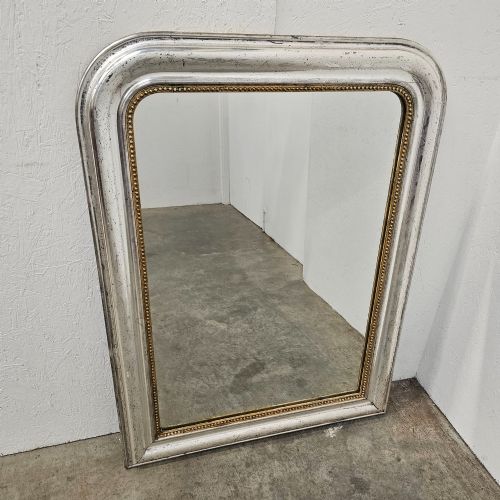
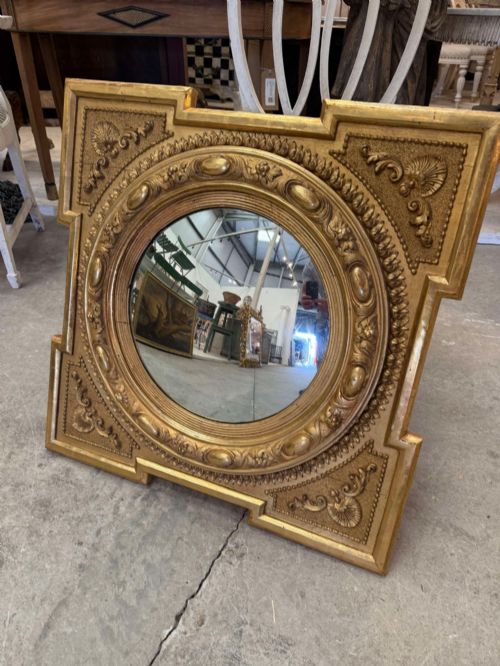
Makers and artisans produced these items in various styles including French Louis Philippe, Grand Regency, and Florentine, offering both grand scale wall hanging options and smaller hall mirrors.
How they were made
Carved wood and moulded gesso form the structural base of many pieces, providing the intricate relief work found on traditional convex and overmantel mirrors.
Giltwood and gold leaf finishes were applied to surfaces using traditional techniques, alongside areas of ebonised wood, paint, and gilt bronze on picture frames.
Round Gilded Frame Retail Price Guide 2026
Typical asking prices for round gilded frame among the pieces listed under this phrase on Sellingantiques today, from the lower quarter to the upper quarter. They describe what is for sale here now, not the wider market.
Listings span multiple eras from the Georgian period through the nineteenth century and into the mid-twentieth century, featuring materials such as glass, gesso, and ebonised wood.
What varies in quality
The crispness of the carved wooden ornament and the depth of the gesso mouldings separate standard production from finer workshops.
The application of gold leaf and the retention of the original glass plate significantly influence the character and visual weight of the piece.
The Round Gilded Frame Glossary
- Convex mirror
- A circular mirror with a bulging spherical glass surface that reflects a wide, curved field of view into the room.
- Gesso
- A plaster-like mixture applied to wood frames to create smooth surfaces or intricate relief ornamentation before gilding.
- Giltwood
- Timber that has been coated with a thin layer of gold leaf or metallic powder, prevalent in Regency and Victorian frames.
- Overmantel mirror
- A large horizontal or shaped wall mirror designed to hang specifically above a fireplace mantelpiece.
Round Gilded Frame: Frequently Asked Questions
What is a convex mirror?
A convex mirror uses a curved glass plate to gather light from across an entire interior space, creating a wide-angle reflection.
Historically placed in halls and reception rooms, these circular looking-glasses served both practical observation and decorative purposes.
How do I date a gilt frame?
Dating relies on observing the underlying timber, the composition of the gesso mouldings, and the specific style of carving.
Regency examples often feature distinct motifs like reeding or carved crests, while later Victorian and Edwardian pieces show different decorative proportions.
Where should I hang a round mirror?
Round mirrors function well as focal points above mantelpieces, console tables, or within entrance halls where they bounce natural light.
Their circular geometry contrasts effectively against the straight vertical and horizontal lines of traditional wood panelling or wall art.
Are these frames made of solid wood?
Many frames combine a sturdy wooden core with applied gesso details to achieve elaborate decorative relief without excessive weight.
This construction method allowed carvers to execute fine details while maintaining structural stability for wall hanging.