
Round Candle Table
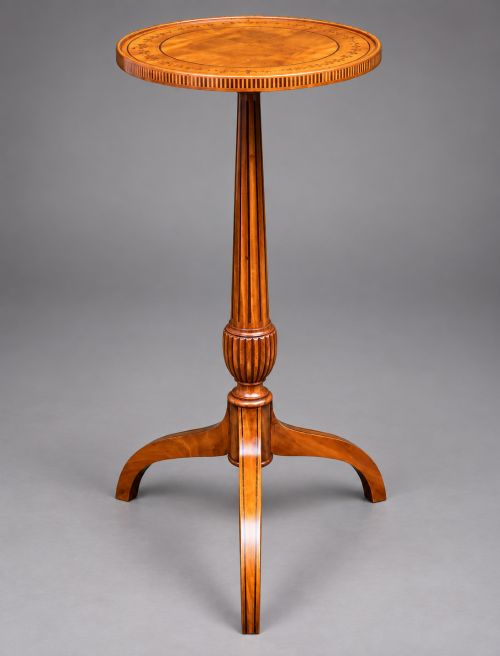
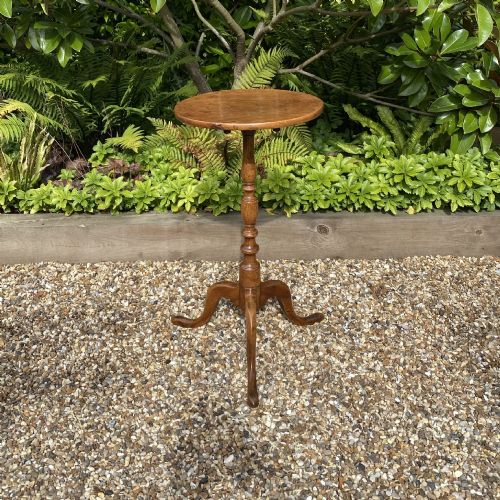
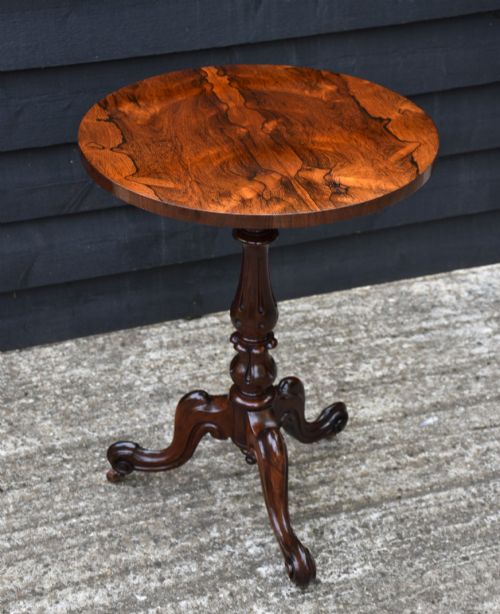
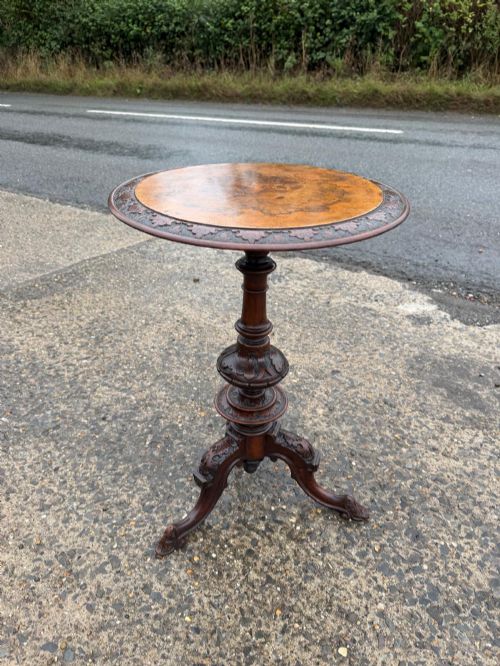
A round candle table is a compact, elevated surface designed for intimate illumination, bringing period character and practical proportion to sitting rooms.
Round Candle Table
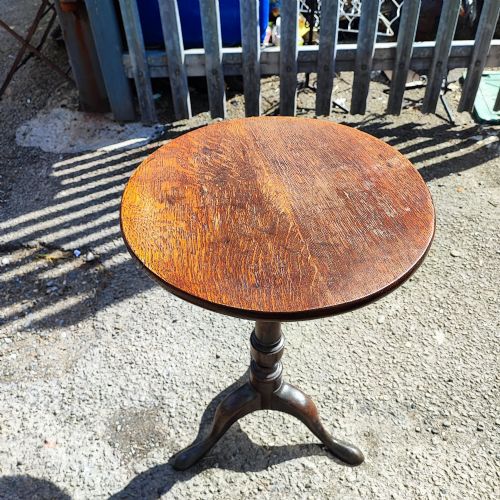
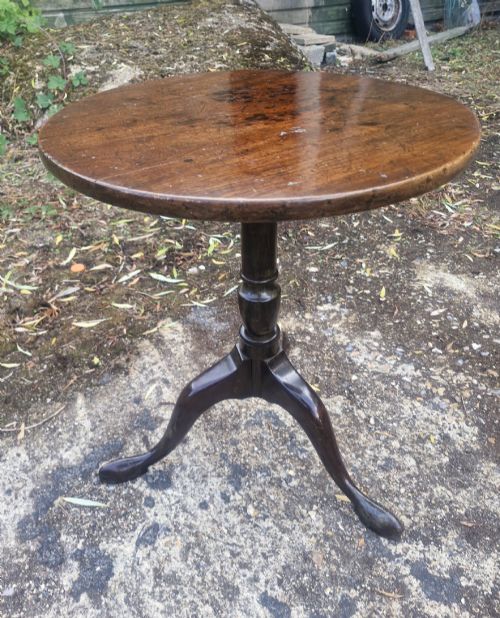
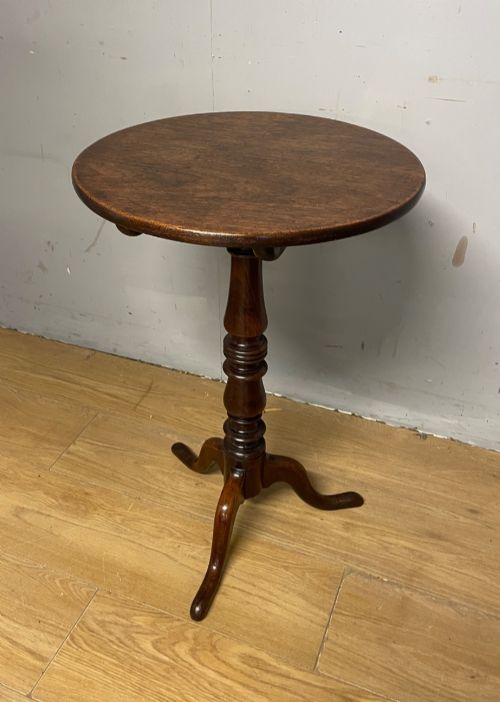
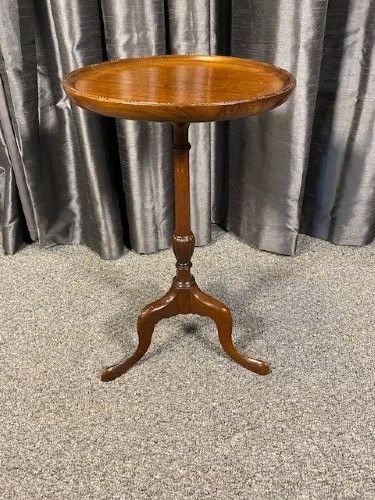
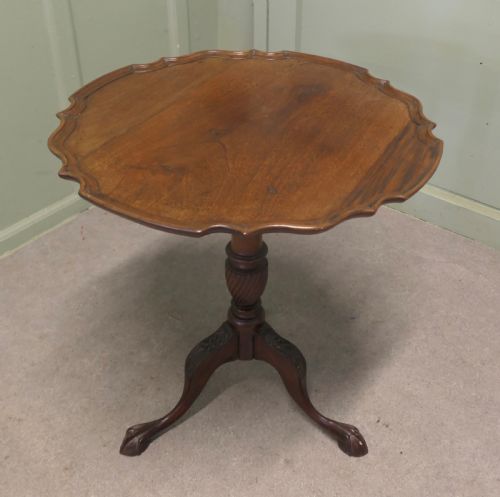
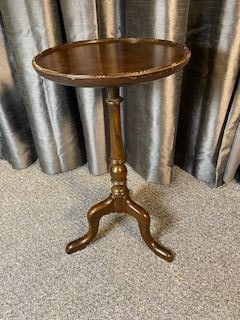
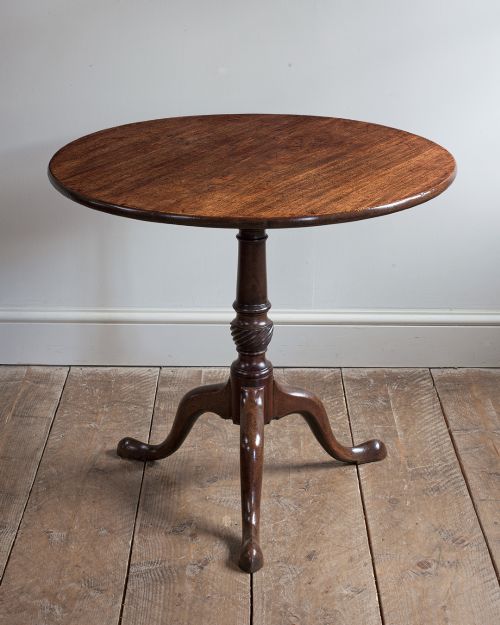
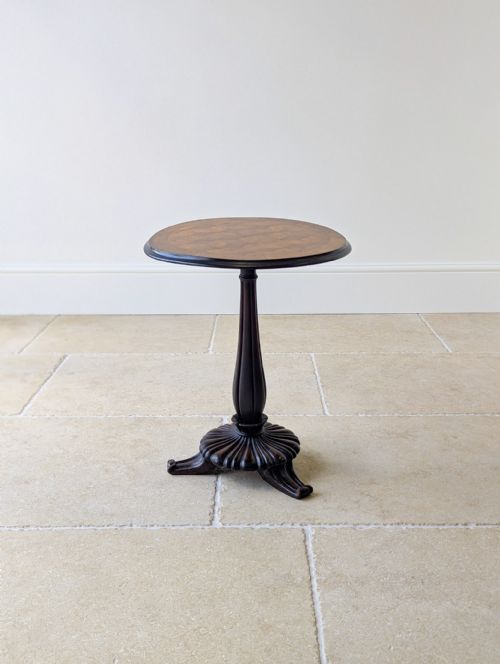
A round candle table serves as an intimate surface, historically positioned beside seating to hold lighting or small personal items. When searching this phrase, buyers encounter compact occasional furniture designed for versatility in domestic spaces. The selection on this page centres heavily upon tripod bases and pedestal forms suited to smaller footprints.
Most examples found here date from the Georgian, Regency, and Victorian periods, alongside later revival pieces. Mahogany and oak dominate the material palette, often accompanied by walnut, rosewood, and occasional painted surfaces. These small tables function effectively today as lamp stands or bedside surfaces alongside modern seating.
Materials and construction
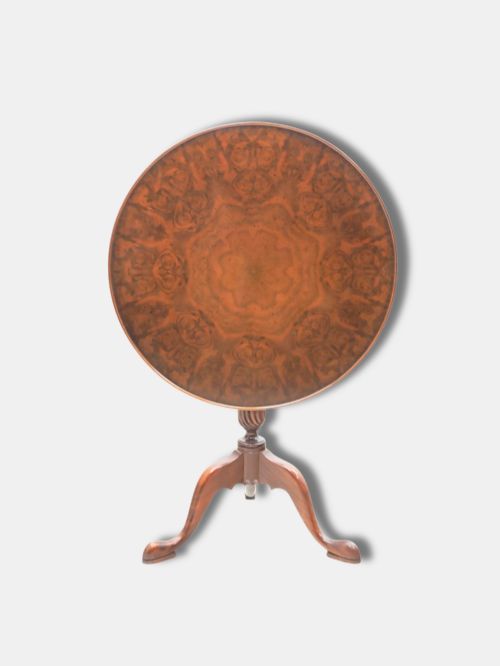
Cabinet makers utilised dense hardwoods such as mahogany, oak, walnut, and rosewood to construct stable pillars and tripod legs. Grain selection played a significant role, with burr wood frequently chosen for circular tops to create striking visual patterns.
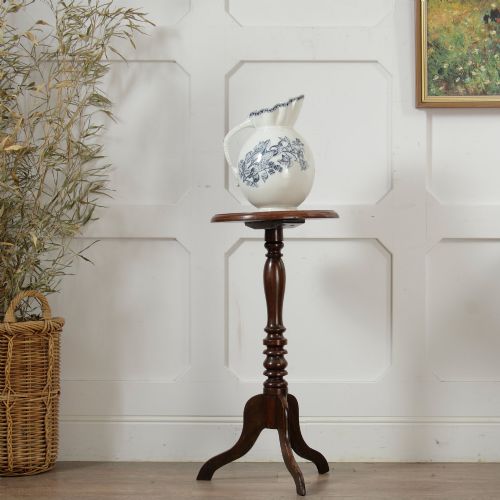
Many examples incorporate tilt-top mechanisms, allowing the circular surface to pivot upright when not in use. Turning techniques shaped central pedestals, ranging from simple vase columns to barley twist profiles.
Mahogany, oak, and walnut are the primary timbers recorded across these listings, alongside decorative rosewood and burr wood veneers.
Assessing quality and craftsmanship
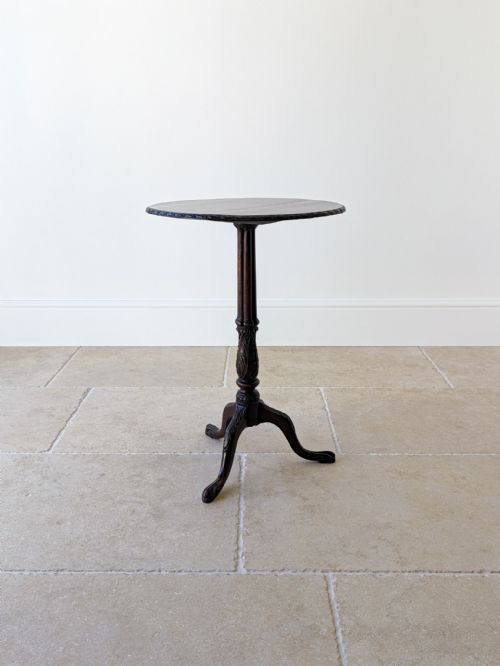
Superior examples demonstrate crisp carving on pedestal legs and secure, well-fitted tilt mechanisms that lock firmly into place. The integration between the central column and the tripod base determines structural stability during daily use.
Fine timber selection and careful matching of grain patterns on the circular top distinguish higher grade pieces from standard utility items. Original brass fittings and untouched surface patination further elevate the standing of a piece.
The Round Candle Table Glossary
- Tripod table
- A small freestanding table supported by a central pillar resting on three legs. This configuration prevents wobbling on uneven historical floors.
- Tilt top
- A circular table top mounted on a hinge mechanism that allows the surface to fold vertically. This clever design saved floor space when the table was not needed for service.
- Birdcage
- A rotating wooden block beneath the table top connected to the central pillar. It permits the surface to both pivot and rotate independently.
- Barley twist
- A carved spiral column resembling the twist of barley stalks. Cabinet makers utilised this decorative turning technique extensively during the Victorian era.
Round Candle Table: Frequently Asked Questions
What is a round candle table?
A round candle table is a small antique stand originally intended to hold a candlestick near seating areas. Its compact footprint makes it ideal for modern spaces as a lamp or side table.
These pieces typically feature a circular top supported by a central pillar and three legs. They combine decorative woodwork with practical utility.
How were tilt top tables used?
Tilt top tables were designed to fold flat when not in use so they could be stored against a perimeter wall. This saved valuable floor space in historical rooms.
When needed for holding drinks or lighting, the top was lowered and locked horizontally onto the pedestal base.
Where should I place mine?
These tables fit easily beside armchairs, sofas, or in neglected corners that require a small surface. Their slender height makes them natural companions for reading lamps.
Avoid placing antique timber surfaces in direct sunlight or beside active heat sources to protect the polished wood.
How do I identify a Georgian piece?
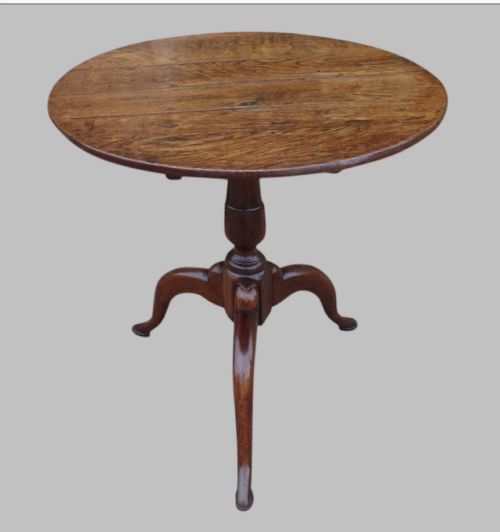
Georgian tables typically display simpler, classical proportions with mahogany or oak construction. Details such as pad feet or slender tripod legs point toward eighteenth-century craftsmanship.
Looking underneath reveals the age of the timber, hand-cut joinery, and the construction methods used by period cabinet makers.