

Rotating Tiered Table
A rotating tiered table organises books or dining service within arm's reach through a smooth swivel mechanism.
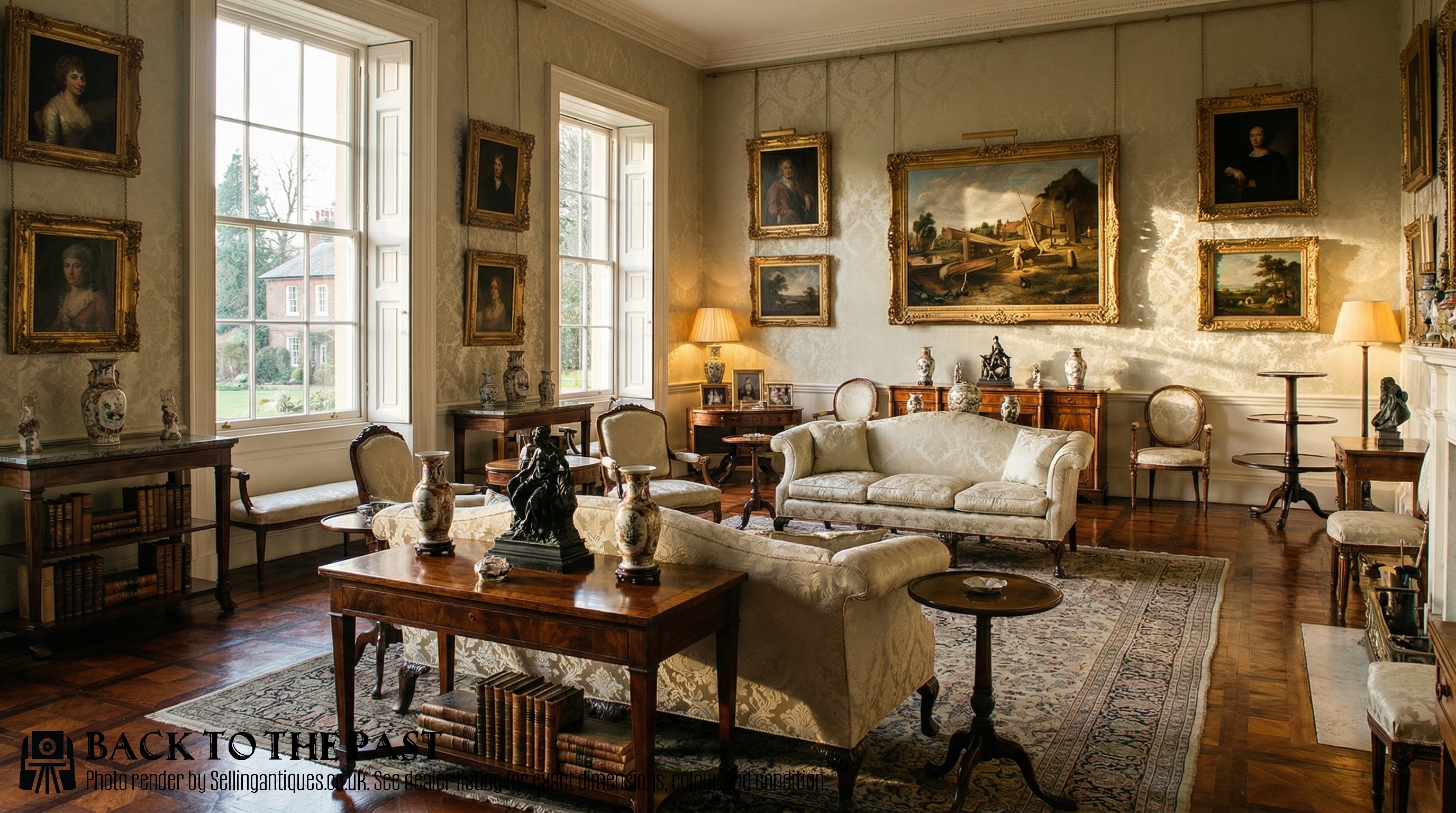
Rotating Tiered Table
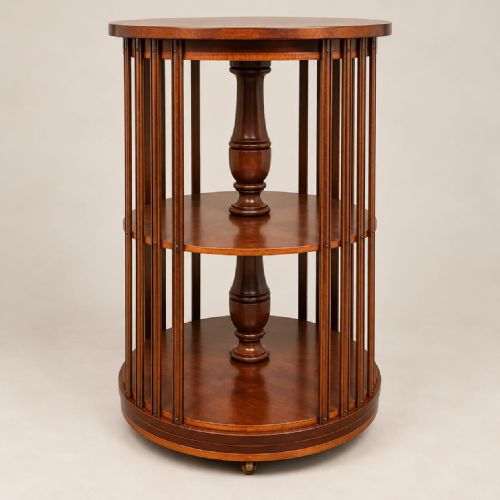
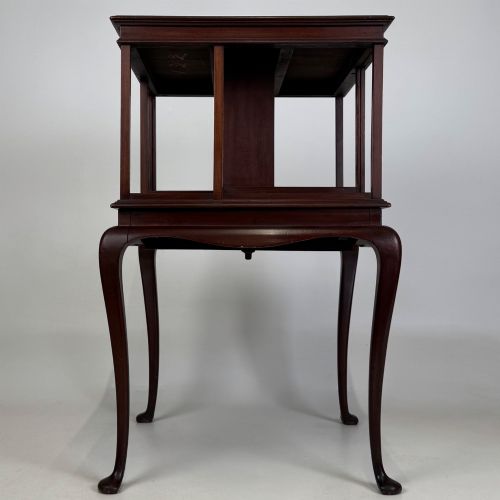
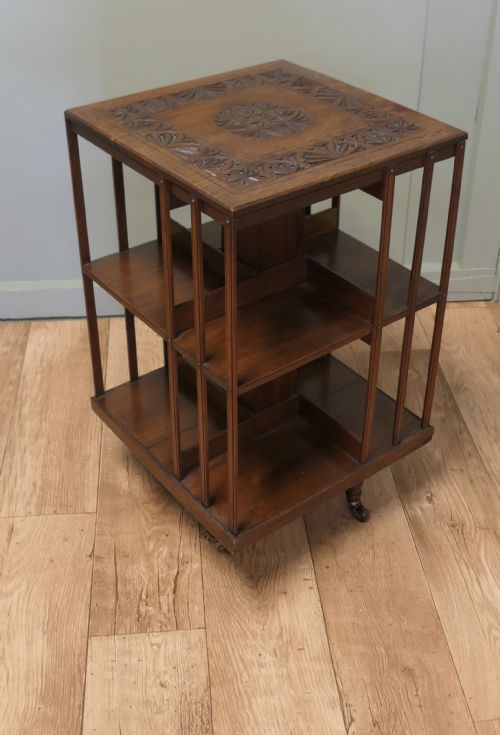
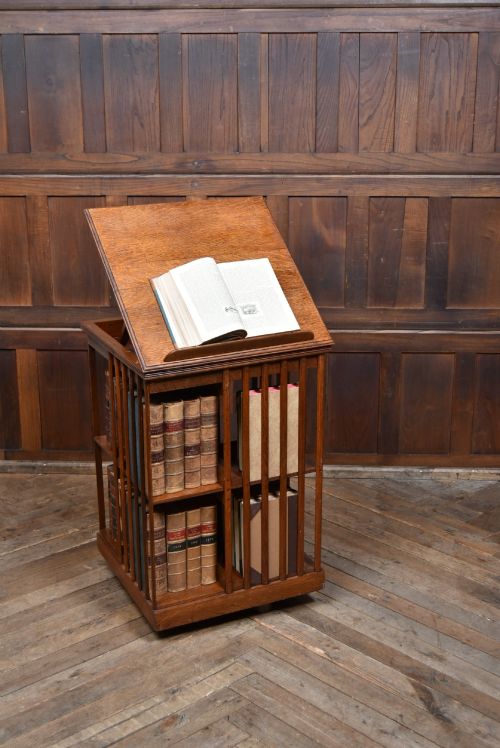
A rotating tiered table groups books, serving items or display pieces across multiple levels that turn independently or together on a central axis. When searching for a rotating tiered table, buyers encounter rotating bookcases, dumb waiters and lazy susans spanning the Georgian, Victorian and Edwardian periods.
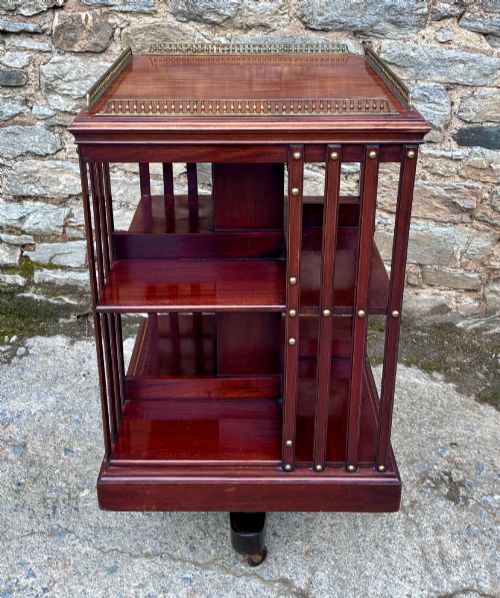
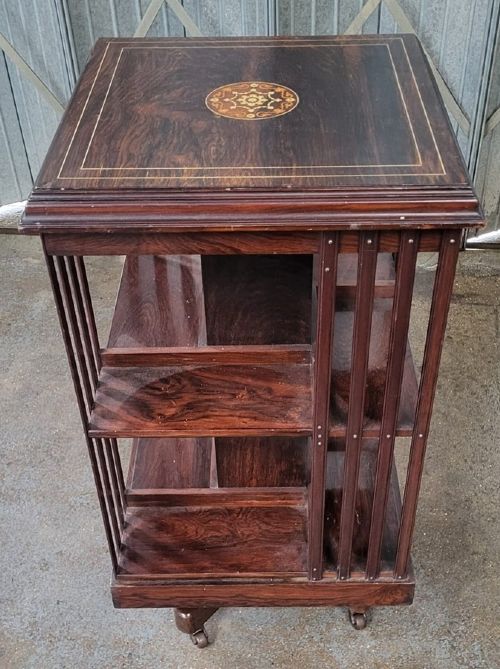
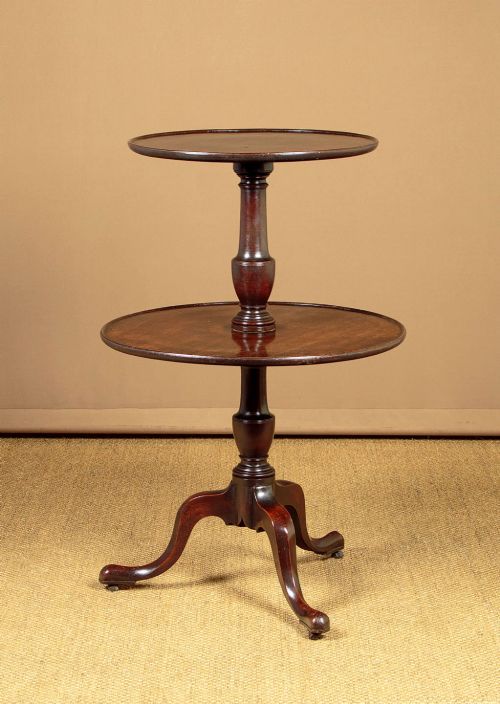
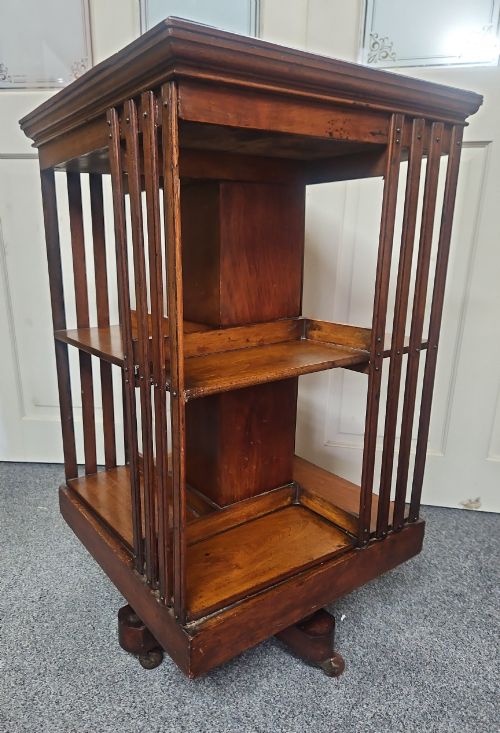
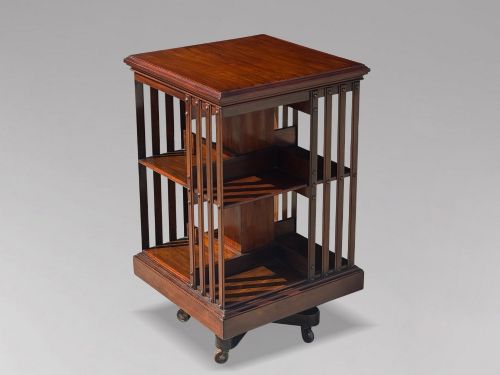
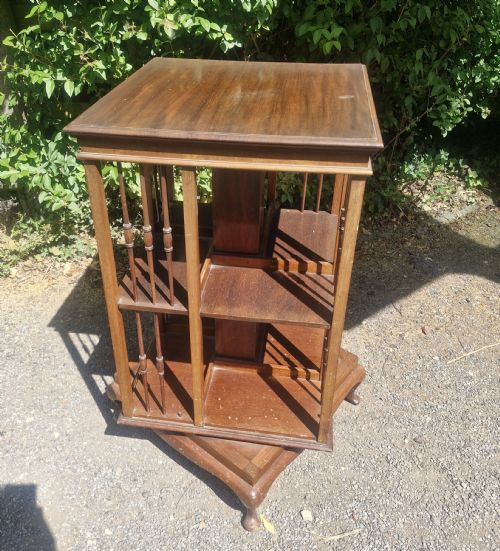
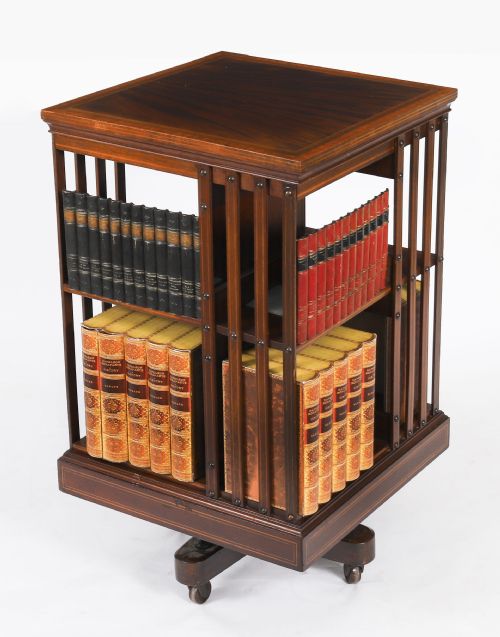
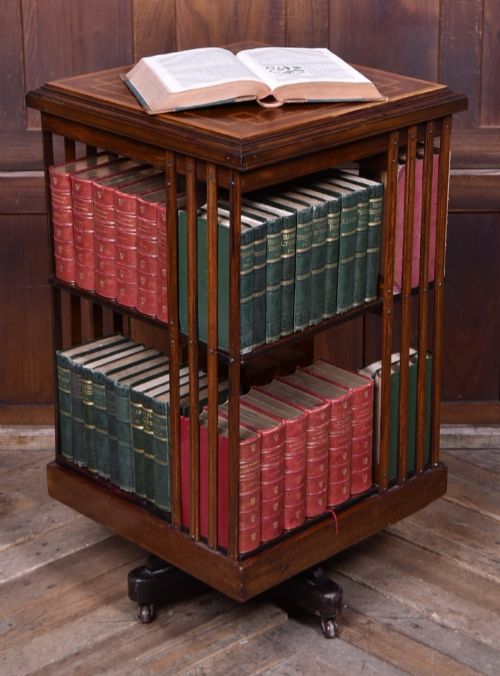
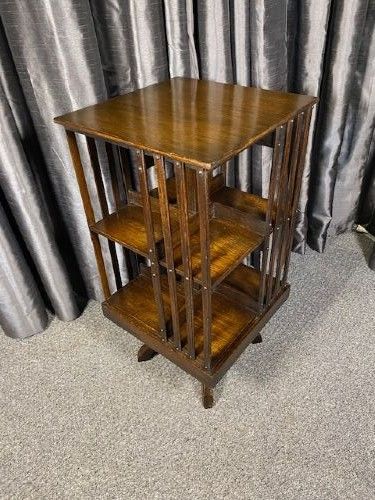
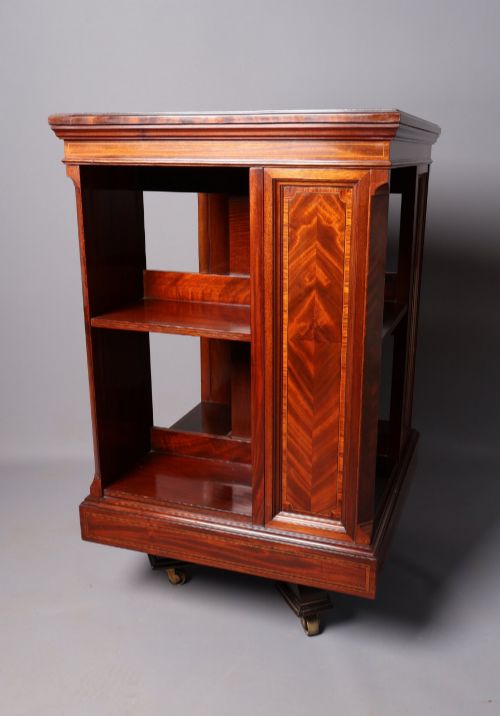
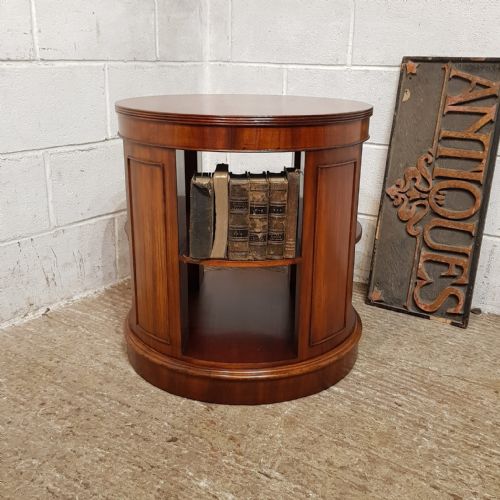
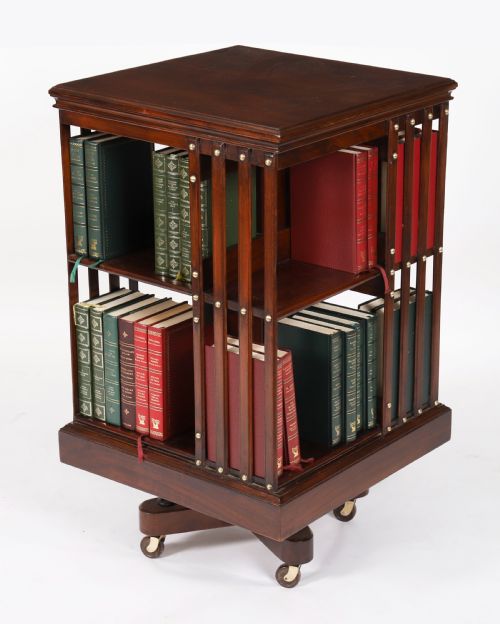
Edwardian mahogany revolving bookcases dominate the current selection, often featuring slatted sides and square or round tops. Alongside these bookstands, the listings include Georgian mahogany dumb waiters with graduated tiers and Victorian revolving wine tables utilising timber and brass.
Distinguishing quality across examples
Quality rests upon the precision of the turning mechanism and the stability of the central column under weight. Superior pieces maintain a balanced, silent rotation across every tier without sagging or friction.
Material selection and decorative execution separate standard productions from finer workshop pieces. Dense grain selection in the mahogany or rosewood, crispness in satinwood inlay and refined brass or ormolu mounts signal higher craftsmanship.
Rotating Tiered Table Retail Price Guide 2026
Typical asking prices for rotating tiered table among the pieces listed under this phrase on Sellingantiques today, from the lower quarter to the upper quarter. They describe what is for sale here now, not the wider market.
Maple & Co
The Rotating Tiered Table Glossary
- Dumb waiter
- A multi-tiered freestanding table used in dining rooms to hold dishes or serving items without servant attendance. These pieces typically feature graduated circular tiers mounted on a single pillar.
- Revolving bookcase
- A freestanding tiered shelving unit designed to turn on a concealed base for easy book selection. Edwardian examples frequently utilise slatted wooden sides to lighten the visual mass.
- Lazy susan
- A revolving tray or tabletop placed on a central pivot to distribute food or items among diners. The listings record nineteenth-century mahogany two-tier examples serving this function.
- Satinwood
- A durable, lustrous timber from tropical trees displaying a golden yellow sheen. Cabinet makers used it primarily for contrasting inlay and stringing on dark mahogany furniture.
Rotating Tiered Table: Frequently Asked Questions
How do I check the revolving mechanism?
Test the rotation by turning each tier gently to ensure it moves evenly without catching on the central column. The movement should feel balanced and controlled across all levels.
Older pieces rely on traditional wooden pivots or early metal bearings that may require minor adjustment or cleaning to restore smooth operation.
Where were dumb waiters used?
Dining rooms and parlours accommodated these multi-tiered tables to hold extra plates, glassware or serving dishes near the table. They allowed diners to help themselves during meals.
In modern rooms, they function well beside seating areas or in corners to display decorative objects and books.
What woods appear most frequently?
Mahogany forms the majority of the surviving pieces, appearing in solid sections and as flame veneer on Edwardian and Georgian examples. Walnut, oak, rosewood and kingwood also feature across Victorian models.
Satinwood and brass frequently provide contrast through inlay work, stringing and structural mounts.
How do I date a revolving bookcase?
Examine the timber selection, construction joints and decorative details such as inlay style to estimate the period. Edwardian pieces often display lighter satinwood stringing and simpler Edwardian forms, while Georgian items show heavier proportions and robust pillar turning.
Victorian examples frequently incorporate mixed materials like marble tops, brass inlay or cast iron components.