



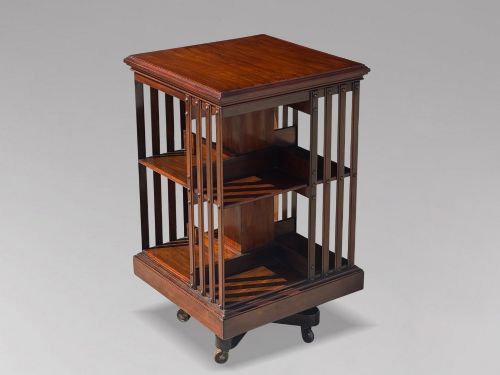

Rotating Tier Stand
A rotating tier stand organises volumes within arm's reach through a clever pivot mechanism that turns smoothly on a central axis.
Rotating Tier Stand
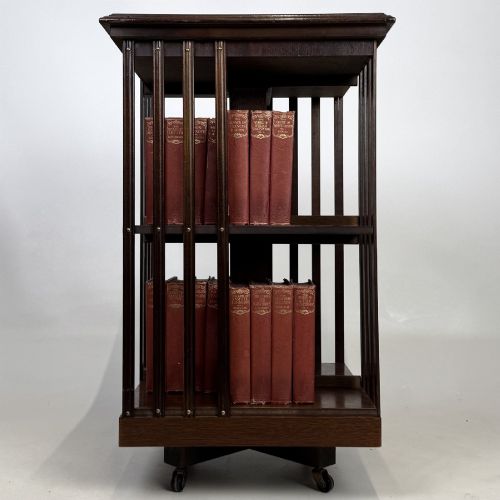
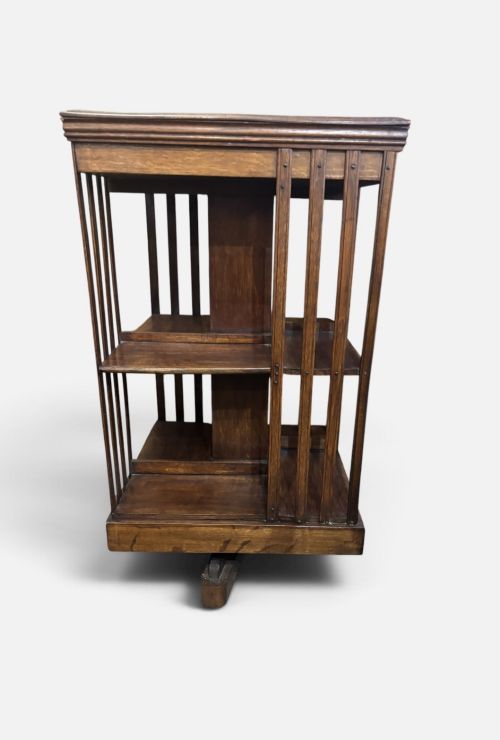
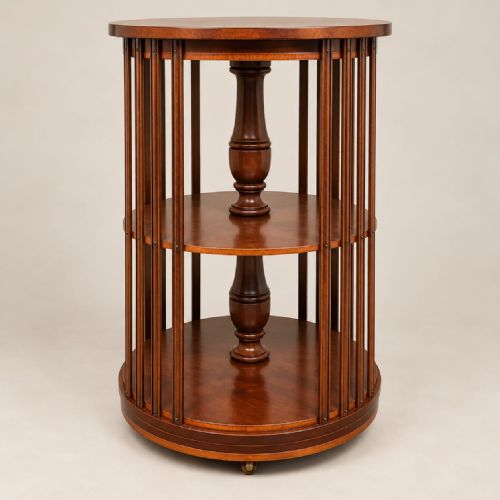
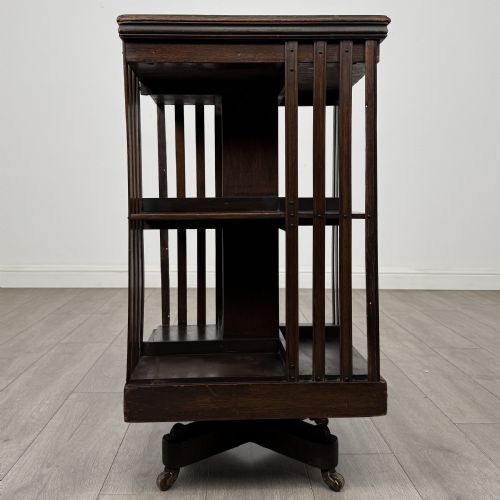
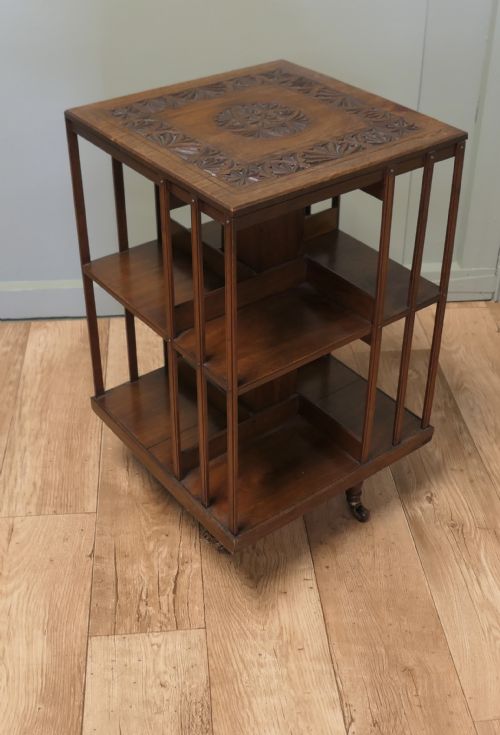
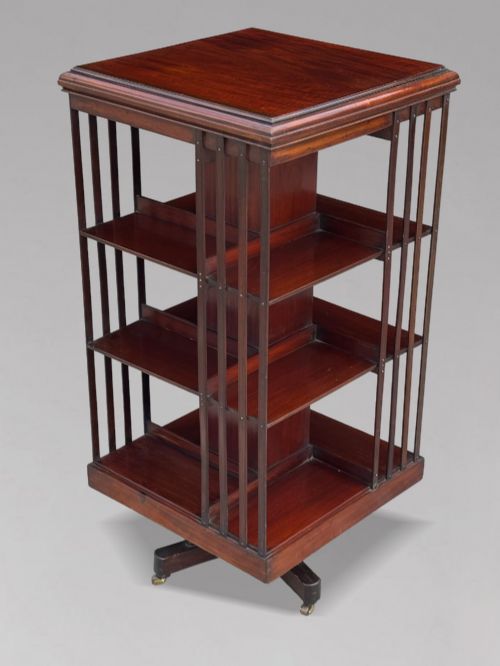
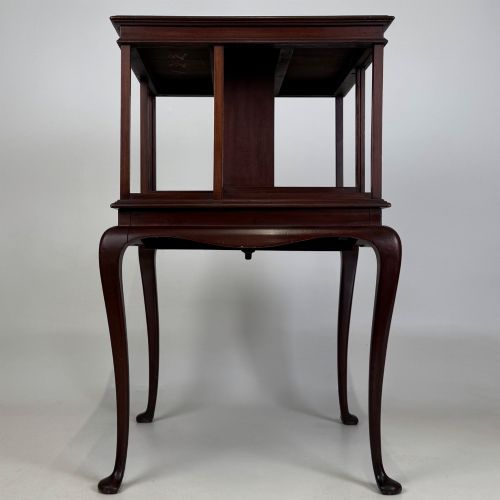
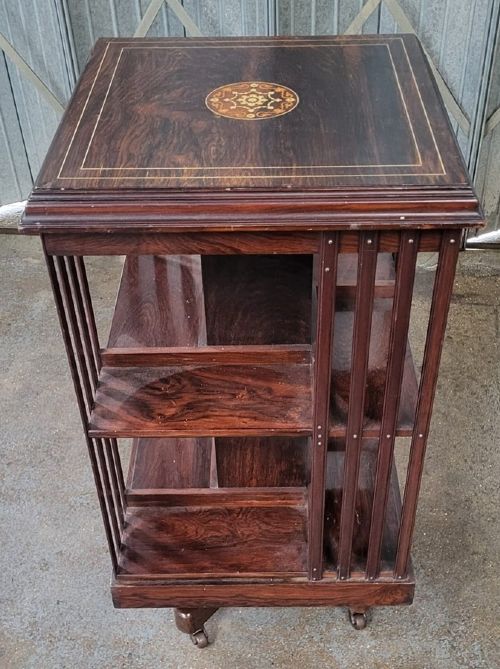
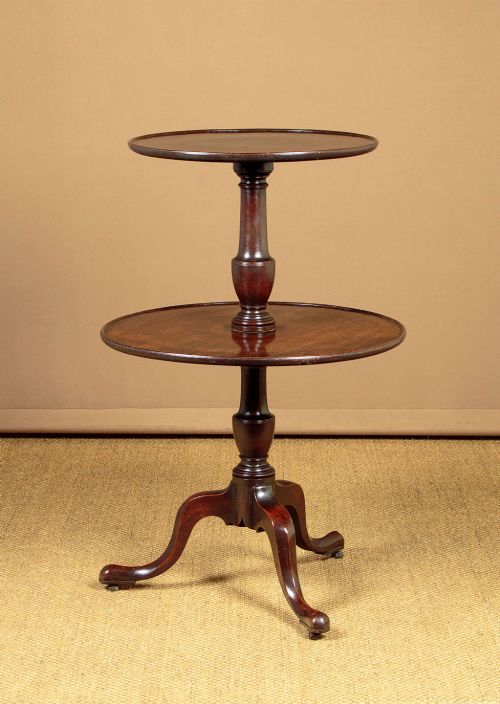
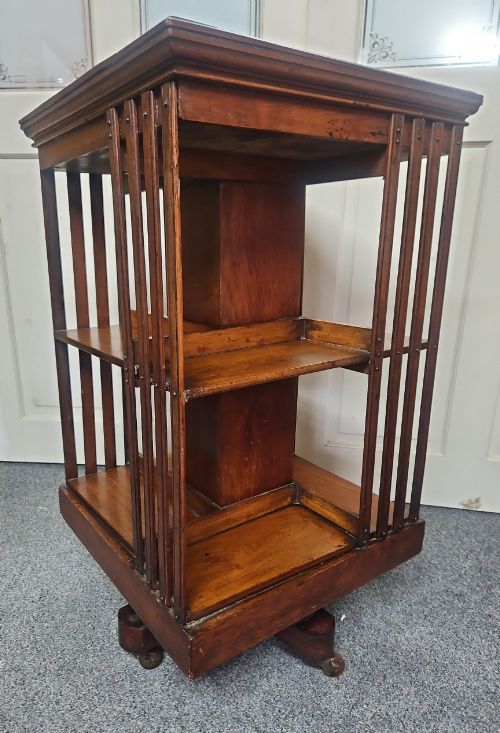
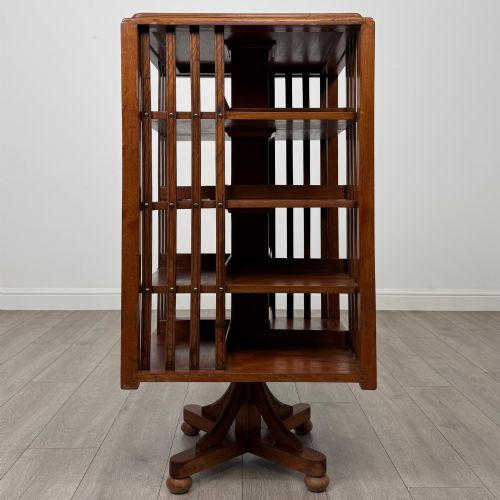
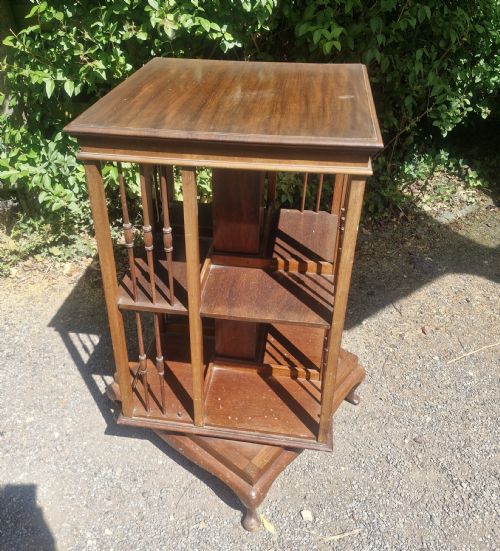
A rotating tier stand typically takes the form of a revolving bookcase or a dumb waiter designed for multi-directional access. You will most frequently encounter Edwardian mahogany revolving bookcases alongside Georgian dumb waiters on this page.
The selection spans periods from the Georgian era through the Victorian period and into the Edwardian years. Forms range from petite four-shelf bookstands to tall oak revolving bookcases and tiered dining service tables.
How they were made
Cabinet makers utilised solid timbers and veneers such as mahogany, oak, walnut and kingwood for the structural tiers and shelves. Brass and iron components provide the internal turning mechanisms and castors that allow smooth rotation.
Rotating Tier Stand Retail Price Guide 2026
Typical asking prices for rotating tier stand among the pieces listed under this phrase on Sellingantiques today, from the lower quarter to the upper quarter. They describe what is for sale here now, not the wider market.
Listings feature mahogany, oak, walnut, kingwood, brass, cast iron, and satinwood inlay across Georgian, Victorian, and Edwardian periods.
What varies in quality
The smoothness of the internal rotating mechanism dictates the mechanical success of each tier stand. Superior examples turn silently and evenly without friction or lateral wobble.
Timber selection and secondary detailing separate standard pieces from exceptional ones. The integration of satinwood inlay, bronze mounts and well-figured mahogany determines the visual distinction.
Maple & Co
The Rotating Tier Stand Glossary
- Dumb waiter
- A tiered stand used in dining rooms to hold dishes or serving items without the need for a servant. These multi-level pieces rotate or stack on a central column.
- Revolving bookcase
- A freestanding tiered stand built to turn on a hidden base for easy book selection from a seated position. They appear in square and circular formats across Edwardian and Victorian examples.
- Satinwood inlay
- A contrasting light timber inserted into darker primary woods like mahogany to form decorative borders or motifs. This technique highlights the edges of revolving book tiers.
- Ormolu
- Gilded bronze ornamentation mounted onto the timber framework of select nineteenth-century stands. It provides metallic contrast against kingwood and walnut surfaces.
Rotating Tier Stand: Frequently Asked Questions
What is a rotating tier stand?
A rotating tier stand is a multi-level piece of furniture engineered to turn on a central pivot for functional access. The design includes revolving bookcases and tiered serving tables.
These pieces allow books or dining items to be stored compactly while remaining reachable from all sides.
How do I date a revolving bookcase?
Dating relies on timber choices, construction methods and stylistic markers associated with specific periods. Edwardian models often feature simple mahogany or inlaid satinwood.
Earlier Victorian and Georgian examples display heavier timber framing and distinct proportioning. Hardware underneath also aids in establishing the period.
Where were dumb waiters used?
Dumb waiters functioned primarily in dining rooms to hold plates, cutlery and serving dishes near the table. The tiered rotating trays kept provisions accessible during meals.
Later adaptations brought similar tier systems into libraries and studies for holding reference volumes.
How do I care for mahogany tier stands?
Maintain timber surfaces with gentle dusting and occasional application of appropriate furniture wax. Avoid placing stands near direct heat sources or strong sunlight.
Check the central rotating mechanism periodically to ensure smooth movement without binding.