

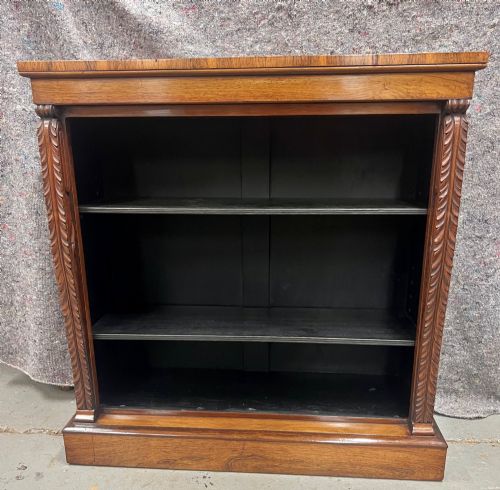
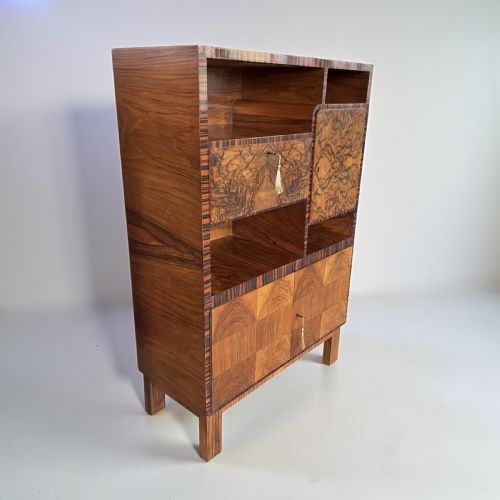

Rosewood Shelving Unit
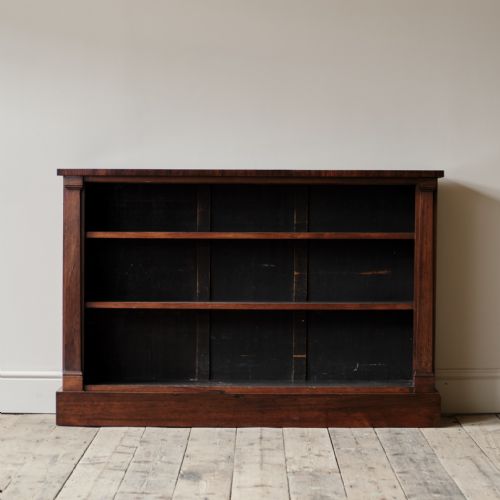
A rosewood shelving unit brings rich timber grain and classic proportion to a room, offering sturdy open display for a serious library.
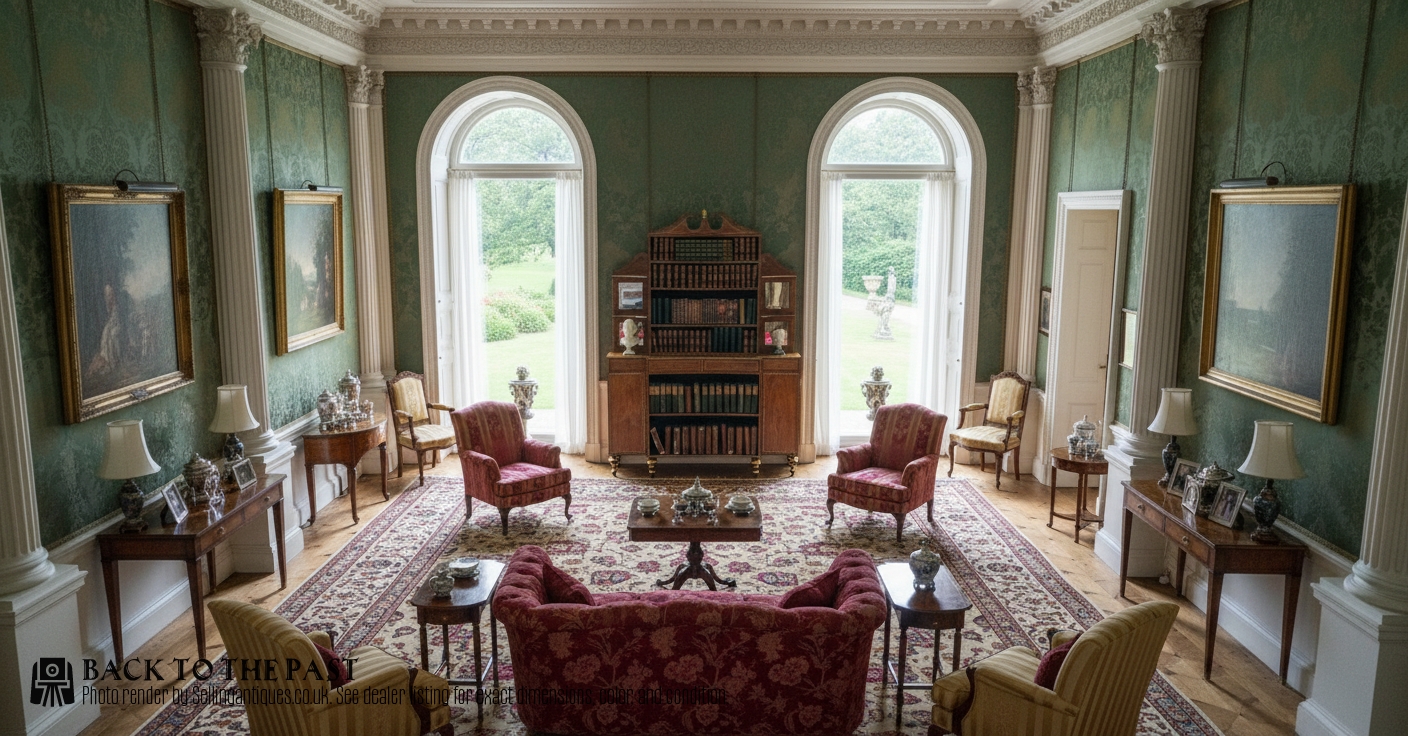
Understanding the rosewood shelving unit
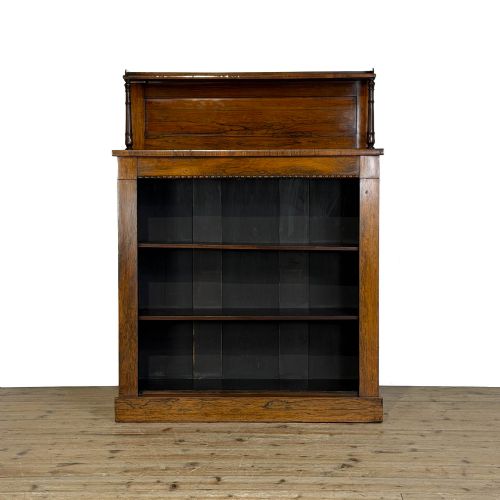
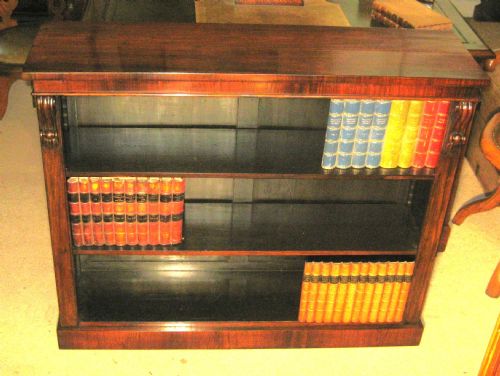
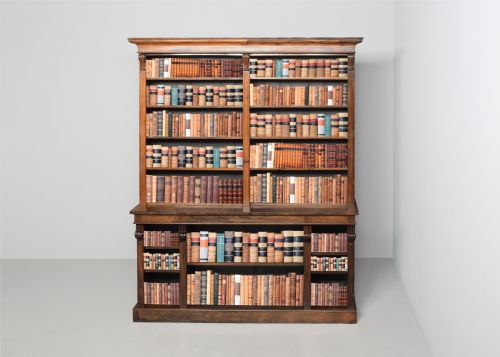
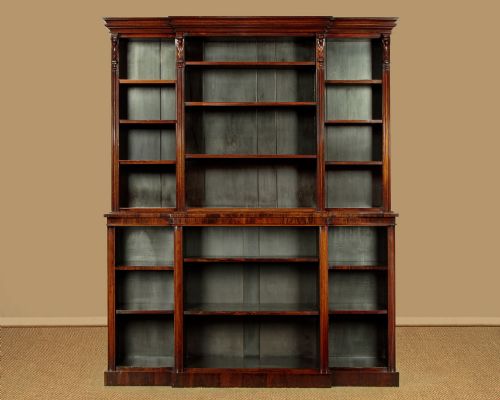
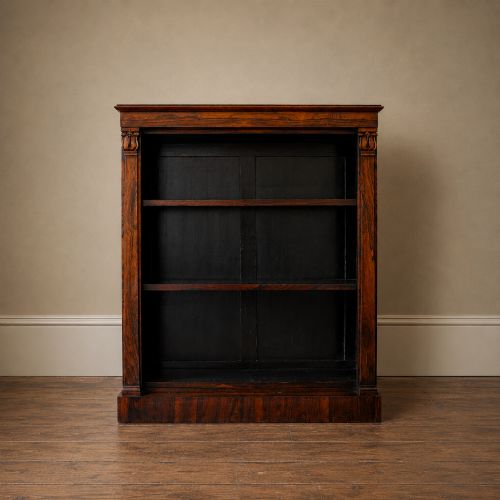
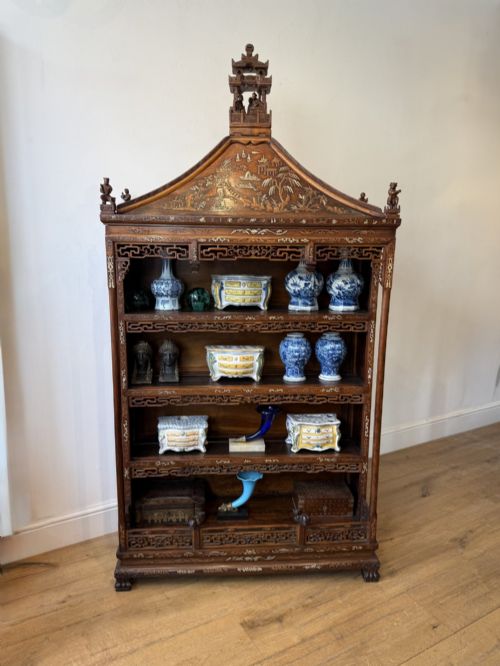
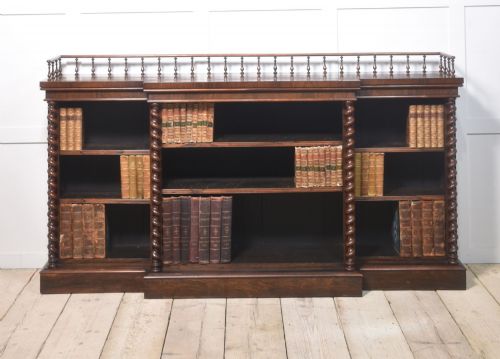
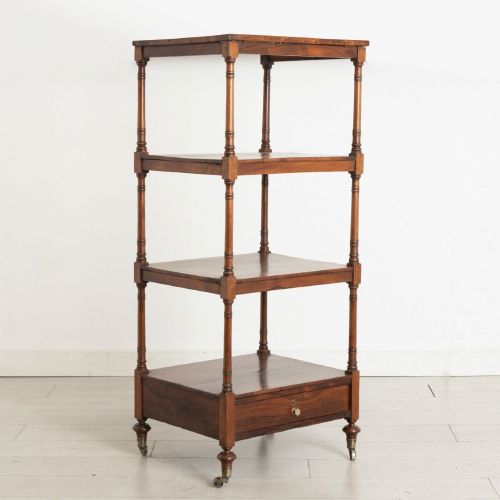
A rosewood shelving unit primarily takes the form of an open bookcase, built to display volumes and decorative objects rather than conceal them behind doors. These pieces emerge predominantly from the 19th century, spanning the Victorian and Regency eras, with occasional revivals from the early 20th century.
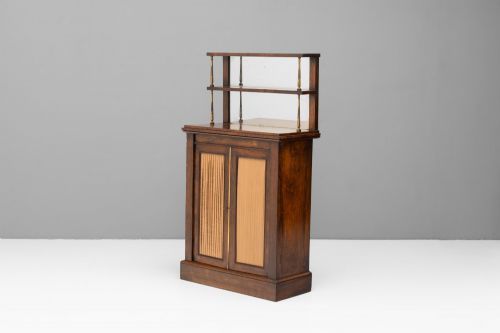
The typical construction follows a straightforward rectangular silhouette designed to sit flat against a wall, sometimes incorporating lower cupboards or mirrored glass sections as seen in chiffonier hybrids. Buyers encountering this search phrase will find open bookcases dominate the available selection.
Origins trace back through Victorian and Regency workshops where timber selection prioritised deep, figured grain patterns. Examples range from compact 1860s iterations to substantial large bookcases dated around 1880.
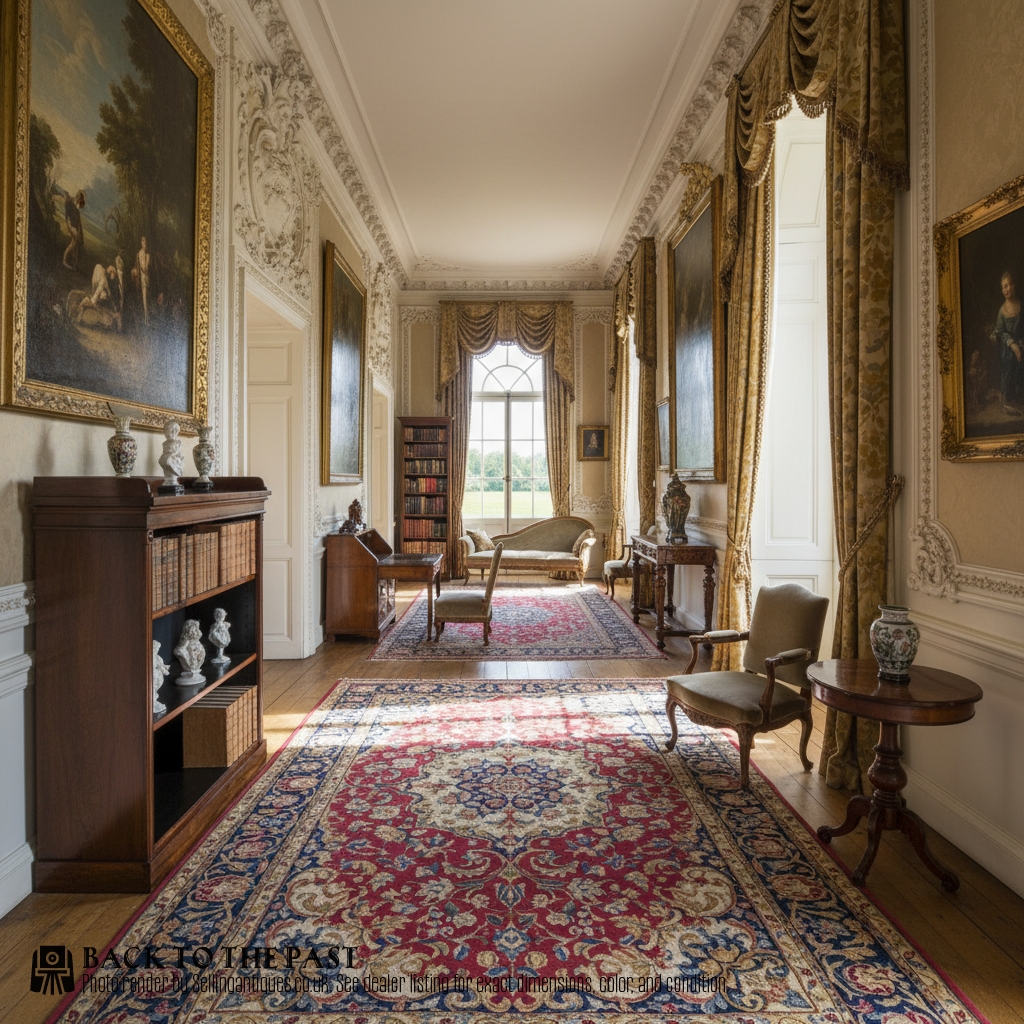
Materials and construction
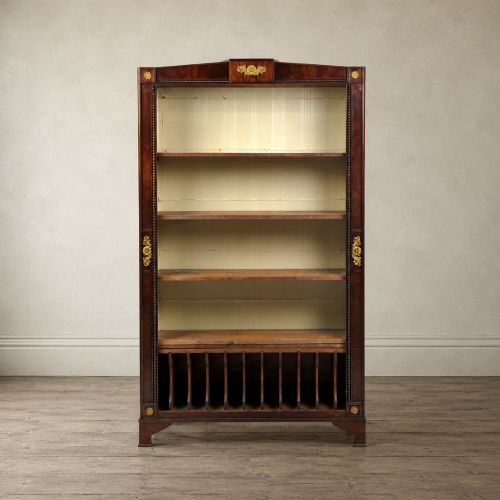
Makers utilised solid and veneered rosewood over supportive framing timbers, capitalising on the dense, heavily figured nature of the wood. Brass inlay frequently accentuates the rectilinear forms, adding metallic contrast to the dark polished surfaces.
Structural integrity relies on traditional joinery methods suited to supporting heavy collections of books across multiple shelves. Secondary woods and stained timber sometimes appear in internal components, while mirror glass finds use in specific chiffonier variations.
Retail Price Guide 2026
Typical UK retail prices for rosewood shelving unit, calculated from the Sellingantiques database of over a million retail prices indexed since 2003. This retail price guide relies exclusively on Sellingantiques data; no external sources or auction records are used, so the figures do not describe the wider market.
Early cabinetmakers occasionally hid secret compartments behind decorative book spines, delighting future owners with miniature drawers.
Assessing quality and craftsmanship
Superior examples display exceptional grain selection and meticulous book-matching of the rosewood veneers across the facade. The integration of brass inlay, where present, reveals the hand of a skilled artisan through precise fitting rather than crude surface application.
Proportion and architectural detailing distinguish finer pieces from utilitarian storage, particularly in Regency and early Victorian interpretations where classical restraint governs the design. The quality of the original polish and the stability of the open shelves indicate the standard of the workshop of origin.
The Rosewood Shelving Unit Glossary
- Rosewood
- A dense, heavily figured timber prized for its deep reddish-brown colour and dark grain markings. It takes a high polish and forms the primary material for these bookcases.
- Open bookcase
- A piece of furniture consisting of horizontal shelves supported by vertical uprights without enclosing doors. This is the predominant form found under this search phrase.
- Chiffonier
- A low cabinet or sideboard, sometimes combined with open shelving. Certain Regency examples blend this form with open bookcase functionality.
- Regency
- An English design style spanning the early 19th century, characterised by classical symmetry and refined proportions. Pieces from this period often feature precise brass detailing.
- Victorian
- A period of furniture production spanning the reign of Queen Victoria, encompassing varied revivals and robust construction standards. Many surviving bookcases date from this era.
Frequently Asked Questions
What is a rosewood shelving unit?
A rosewood shelving unit is an open bookcase constructed from dense, figured rosewood timber, primarily originating from the 19th century.
These pieces provide accessible tiered storage for books and decorative objects, featuring sturdy horizontal shelves within a refined wooden framework.
How do I date a rosewood bookcase?
Dating relies on stylistic markers such as Regency classical restraint or Victorian proportions, alongside construction techniques visible in the timber and joinery.
Cabinetmakers of different decades applied distinct decorative elements, from brass inlay to mirrored glass, which help place a piece in its historical context.
Where should I place an open bookcase?
An open bookcase suits living rooms, studies, or libraries where easy access to books and a dignified aesthetic are desired.
Positioning the unit away from direct sunlight protects the rich rosewood polish and timber grain from fading over time.
What is the difference between Regency and Victorian pieces?
Regency pieces often display sharper classical symmetry and delicate brass inlay work, reflecting early 19th-century neoclassical tastes.
Victorian iterations tend toward robust proportions and varied revival styles, spanning from the 1840s through to the late 19th century.