
Rosewood Pedestal Stand
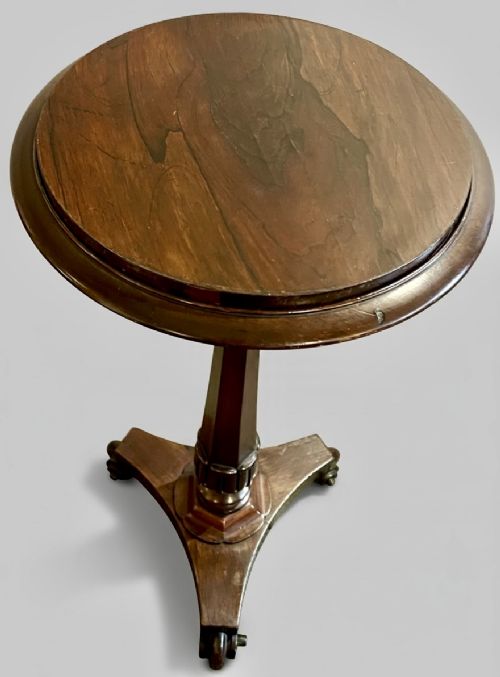
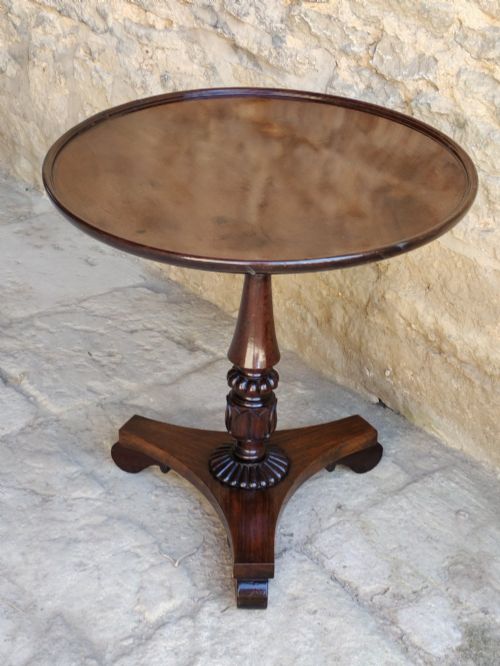
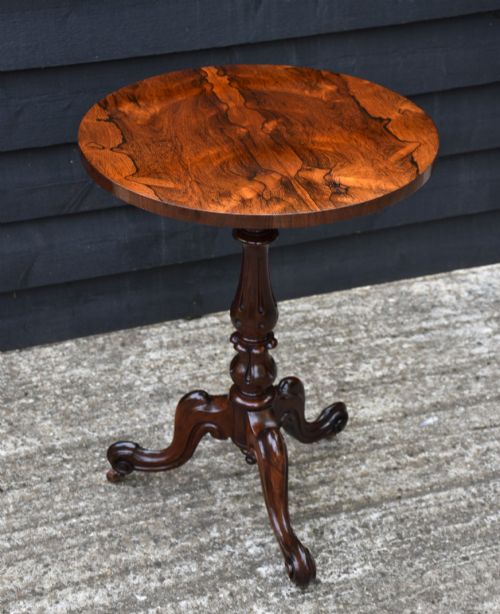
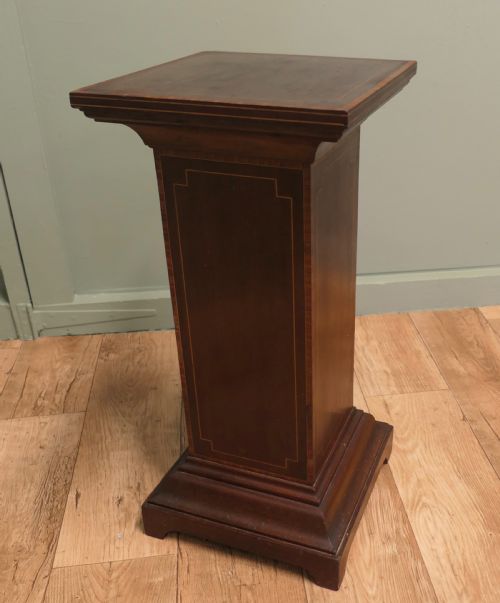
A rosewood pedestal stand combines rich, dark timber with a sturdy central column, designed to elevate plants, lamps, or decorative objects in a room.
Rosewood Pedestal Stand
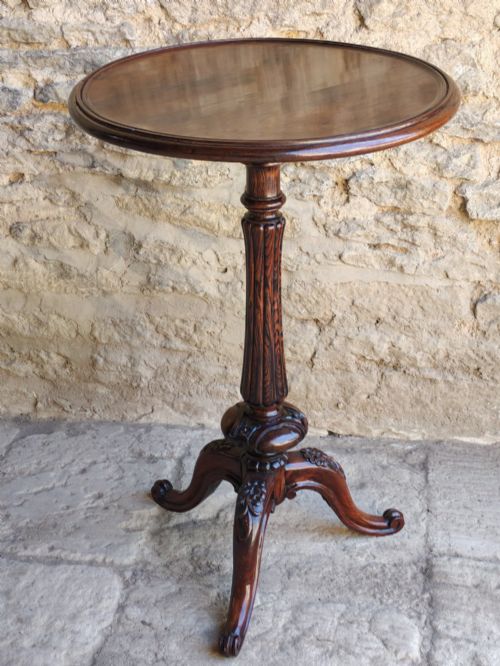
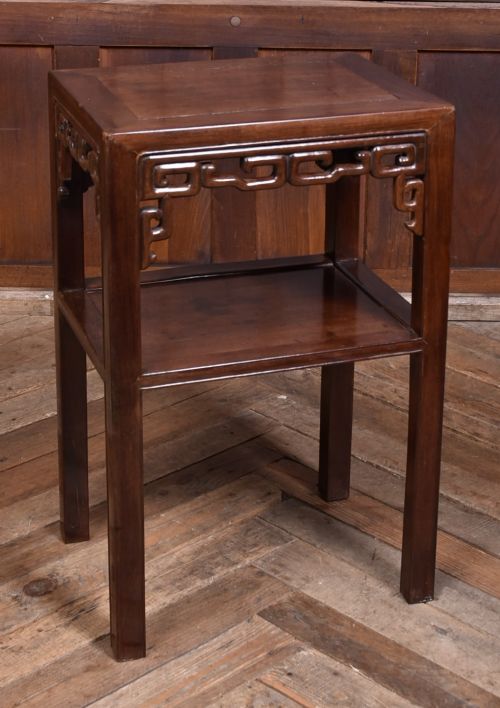
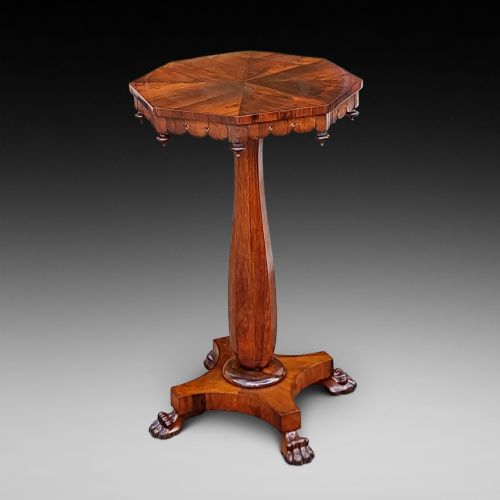
A rosewood pedestal stand encompasses a range of elevated supports, from British occasional tables and wine tables to imported Chinese jardiniere stands and pot stands. Buyers seeking a rosewood pedestal stand will encounter nineteenth-century pieces alongside Regency, Victorian, and Edwardian examples that served various domestic functions.
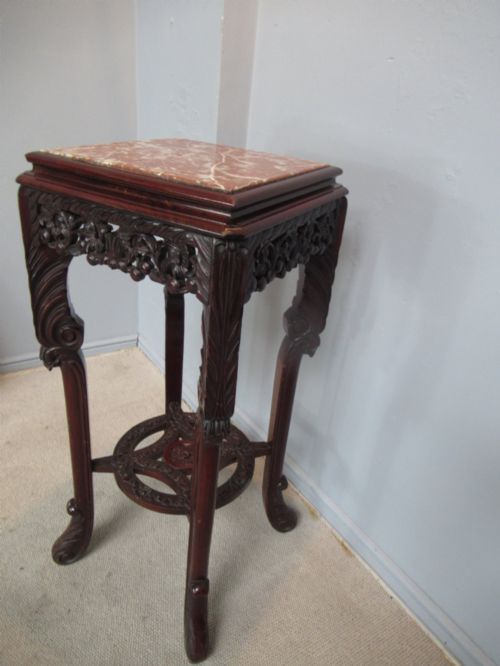
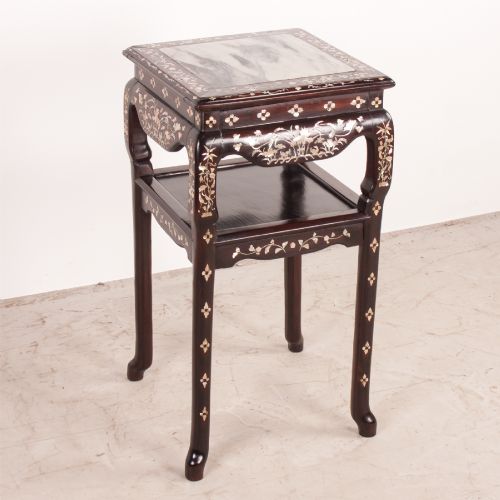
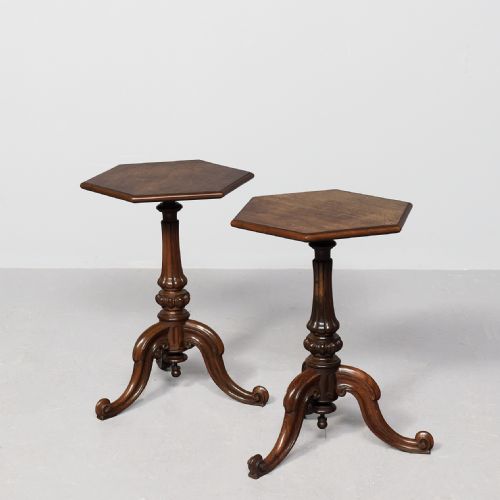
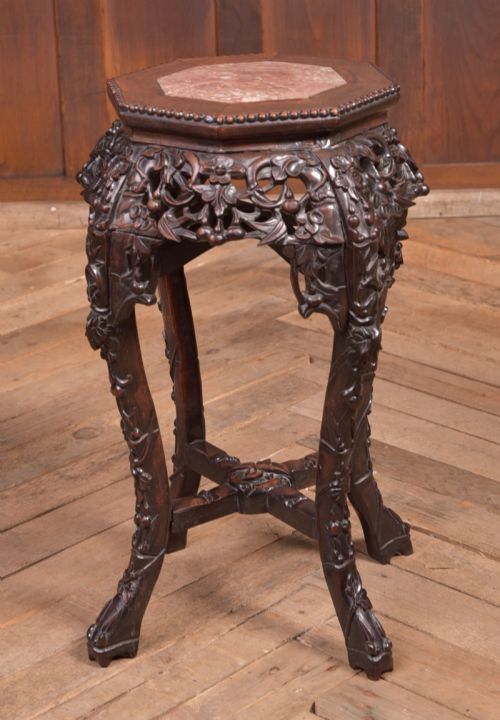
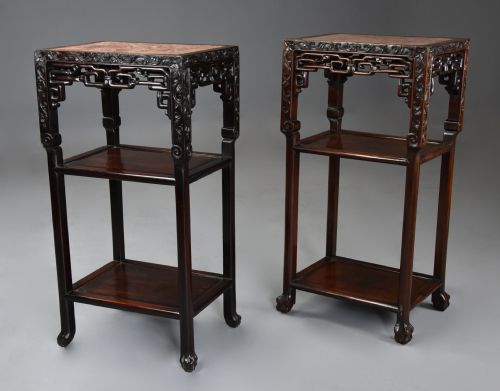
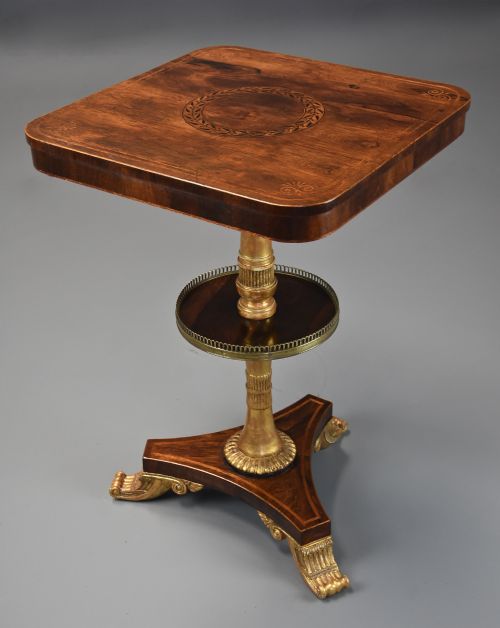
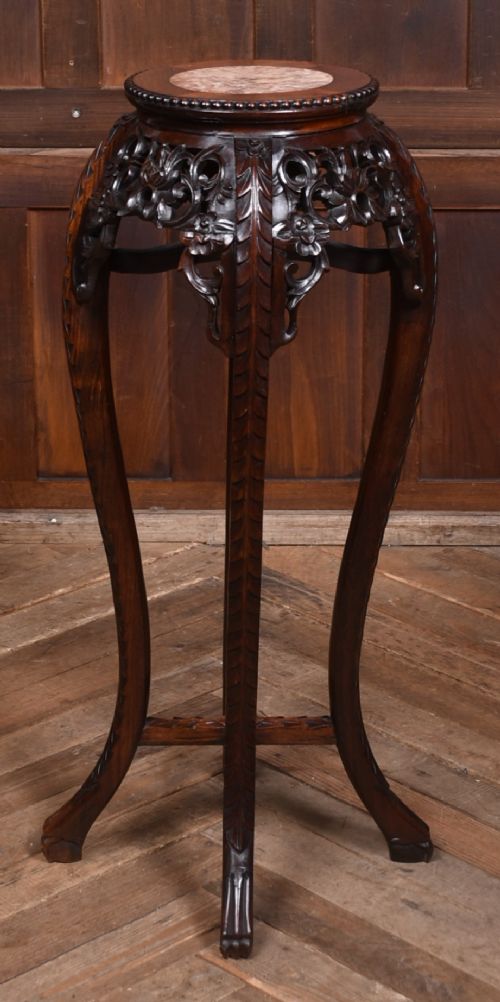
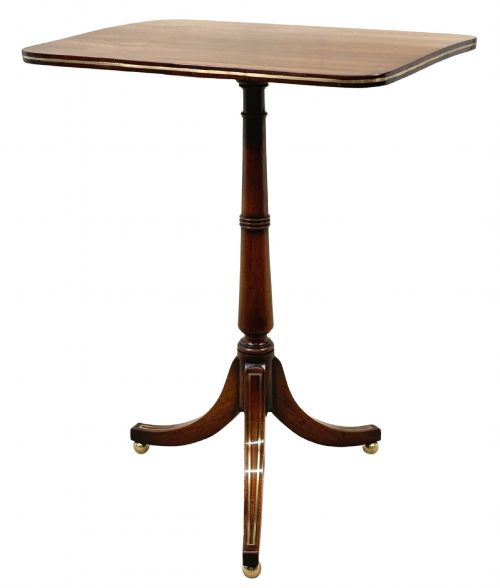
The domestic British tradition favours turned columns, occasional tables, and telescopic designs in solid or veneered rosewood, sometimes with brass stringing or specimen wood tops. Alongside these, international trade brought heavily carved hardwood stands featuring inset marble tops and intricate mother of pearl inlay.
Materials and construction
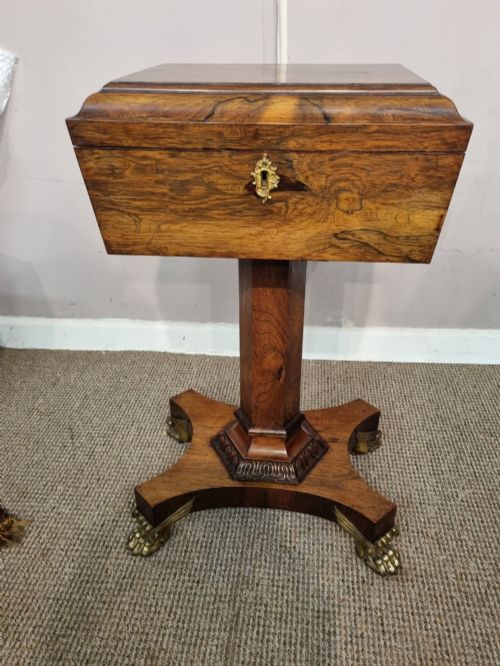
Cabinet makers utilised dense exotic timbers, primarily rosewood and padouk, often combined with secondary hardwoods and finished with fine turnings or barley twist legs. British pieces from the Regency and William IV periods demonstrate precision joinery and crisp brass detailing.
Chinese export and Qing Dynasty pieces rely on intricate carving, mortise and tenon construction, and fitted marble inserts designed to withstand the weight of heavy ceramic planters and bronze vases.
Some nineteenth-century stands feature telescopic mechanisms, allowing a tea table to adjust its height for an afternoon beside the armchair.
Judging the execution
Quality rests in the selection of the timber grain, the crispness of the hand-carved detail, and the stability of the central column where it joins the base. Pieces retaining their original finish and structural integrity show superior workshop standards.
The integration of inset marble tops and mother of pearl inlay distinguishes finer decorative examples from plain utility furniture, reflecting the skill of the artisans who made them.
Gillows·George Bullock
The Rosewood Pedestal Stand Glossary
- Jardiniere stand
- A tall piece designed specifically to hold a plant container or flower pot. These often incorporate water-resistant tops such as marble.
- Teapoy
- A small box or table on a central pedestal originally intended to store tea leaves. Later examples function as compact occasional tables.
- Torchiere
- A tall ornamental stand or candlestick holder adapted to display sculpture or lamps. The form originates from lighting supports.
- Mother of pearl inlay
- The embedding of iridescent shell fragments into carved recesses within the timber surface. This technique creates contrasting floral or geometric patterns.
- Brass stringing
- Inlaid thin lines of brass set flush into grooves cut into the wood. Regency cabinet makers used this method to outline table tops and drawers.
Rosewood Pedestal Stand: Frequently Asked Questions
What is a rosewood pedestal stand used for?
These stands serve as elevated platforms for display, holding table lamps, decorative ceramics, or potted plants in principal rooms.
Historically, specific forms also accommodated tea equipment, music books, or wine glasses within domestic settings.
How do I date a rosewood stand?
Dating relies on stylistic markers such as Regency brass stringing, Victorian barley twist turnings, or Edwardian marquetry inlay.
Construction methods and timber selection further help distinguish early nineteenth-century pieces from later copies.
Are marble top stands fragile?
The inset marble slabs are heavy and solid, designed to support substantial weight without cracking under normal conditions.
Care is required during relocation to ensure the loose or fitted stone top does not shift or strike the surrounding wooden frame.
What is the difference between British and Chinese stands?
British examples from the Regency and Victorian periods typically feature veneered mahogany or rosewood with polite turnings, tripod legs, and occasional brass stringing.
Chinese export pieces are generally carved from solid dense hardwoods, frequently incorporating rouge marble inserts and mother of pearl decoration.