


Rosewood Parlour Chairs
Rosewood parlour chairs bring rich grain and sculpted Victorian warmth to a room, offering enduring seating for a traditional interior.
Rosewood Parlour Chairs
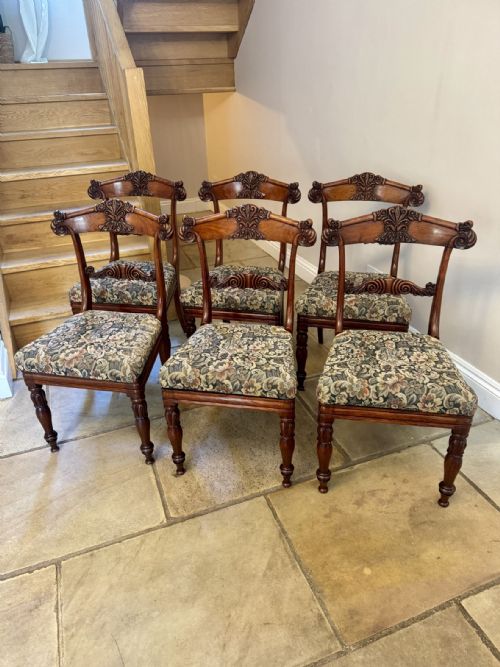
When you search for rosewood parlour chairs, you encounter seating designed for formal reception rooms during the nineteenth century. The selection spans the Regency, Victorian, and Edwardian periods, reflecting changing domestic tastes in formal entertaining.
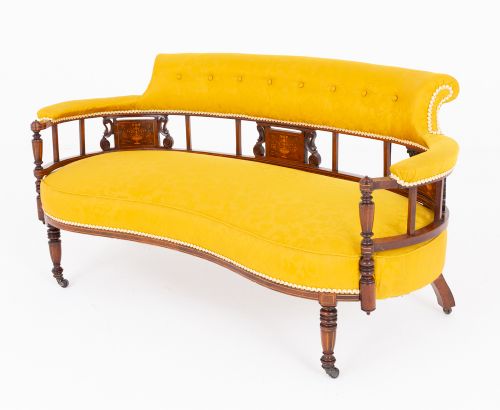
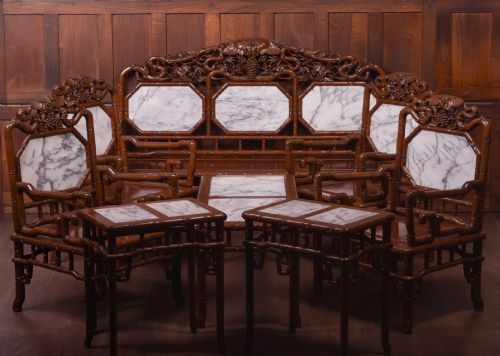
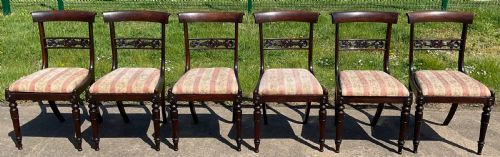
The pieces on this page appear most frequently as single side chairs, pairs, or matched sets of dining and salon chairs. You also meet occasional armchairs, settee groups, and complete parlour suites that share timber and stylistic traits.
Materials and Construction
Cabinetmakers utilised dense, dark rosewood for its deep natural polish and ability to hold crisp carved details. Workshops shaped the timber into curved showwood frames, balloon backs, and serpentine rails.
Upholstery completed the framework, using fabric, velvet, and textile coverings alongside needlepoint seats. Some examples incorporate brass fittings, marquetry inlay, or mother of pearl details to accent the polished wood.
Rosewood Parlour Chairs Retail Price Guide 2026
Typical asking prices for rosewood parlour chairs among the pieces listed under this phrase on Sellingantiques today, from the lower quarter to the upper quarter. They describe what is for sale here now, not the wider market.
Listings span from the Regency era through the Victorian and Edwardian periods, featuring rosewood paired with velvet, needlepoint, and brass.
Judging Quality
The standard of carving distinguishes standard seating from the finest work. Crisp, deep relief work on the showwood frame and carved rails indicates skilled hand labour.
Cohesion within a set determines its desirability. Matched timber grain, uniform proportions, and intact marquetry or inlay elevate multi-piece suites and dining sets.
The Rosewood Parlour Chairs Glossary
- Rosewood
- A dense, heavily figured timber valued for its dark reddish-brown colour and fine grain. It accepts a high polish and forms the primary material for these seats.
- Balloon Back
- A chair back shaped in a continuous curved outline resembling a balloon. This silhouette is common in Victorian examples.
- Marquetry
- Decorative patterns formed by inserting pieces of contrasting wood veneer into the primary surface. It appears on Edwardian and Victorian inlaid frames.
- Showwood
- The exposed polished wooden frame of an upholstered chair or settee. It displays the carving and grain rather than being covered in fabric.
- Serpentine Seat
- A seat frame curved with a convex centre and concave sides. This shape adds visual movement to the front rail of a parlour chair.
Rosewood Parlour Chairs: Frequently Asked Questions
What periods do these chairs date from?
The listings span the nineteenth and early twentieth centuries, covering Regency, Victorian, and Edwardian eras. Most examples date from the Victorian period, particularly the mid-nineteenth century.
Design details shift from Regency restraint through ornate Victorian curves to lighter Edwardian inlay. Each era brings distinct proportions and decorative treatments to the timber.
How were parlour chairs used originally?
Parlour chairs furnished the formal reception rooms where families entertained guests and hosted visitors. They served as occasional seating rather than everyday lounging chairs.
Arranged around the room or grouped into suites with matching settees, they contributed to the cohesive look of a Victorian interior.
Are these chairs suitable for daily dining?
Many rosewood chairs function well around a dining table, particularly those designed originally as dining sets. Their sturdy construction supports regular domestic use.
Buyers should check the structural stability of joints and the condition of the upholstery before putting antique seating into daily service.
How do I care for rosewood furniture?
Maintain rosewood by keeping pieces away from direct sunlight and steady heat sources that dry out the timber. Regular dusting with a soft, dry cloth preserves the polished surface.
Avoid commercial silicone polishes and protect the upholstery from excessive wear by using appropriate textiles and cleaning methods.