


Rosewood Low Tea Table
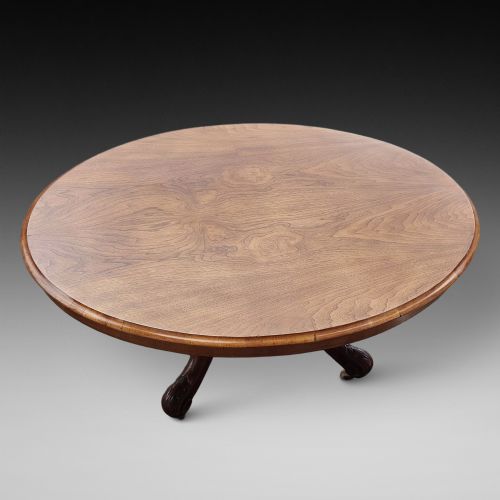
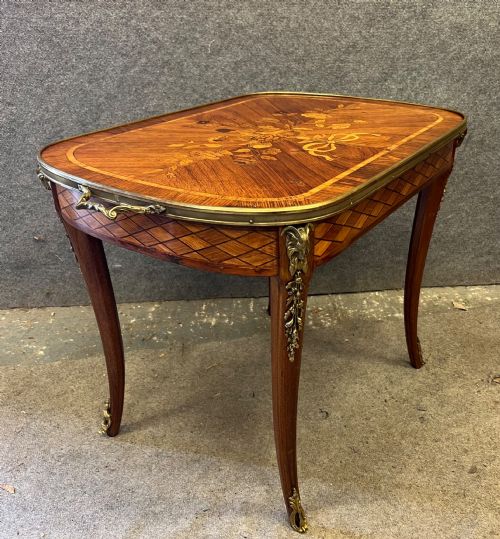
A rosewood low tea table brings low-profile seating and rich, dense timber grain into a modern room with effortless presence.
Rosewood Low Tea Table
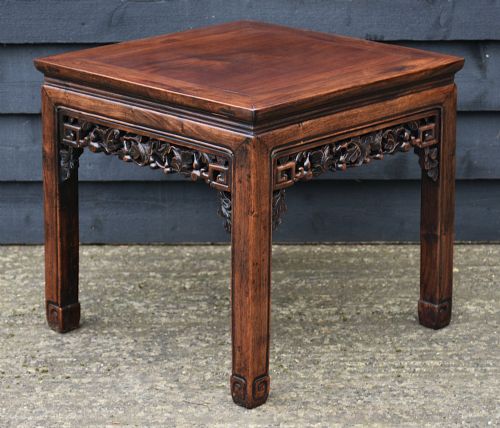
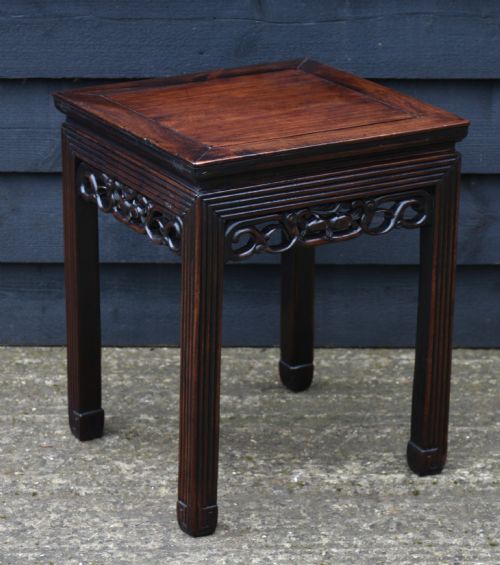
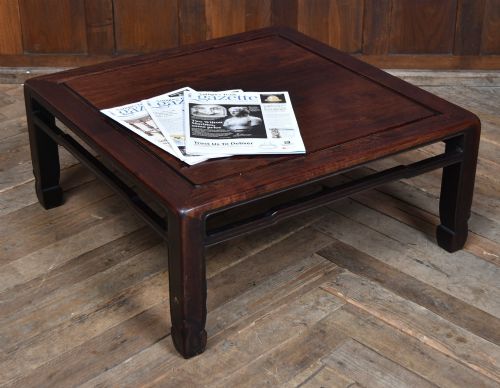
When you search for a rosewood low tea table, you encounter low-slung surface forms rooted in nineteenth-century Chinese Qing Dynasty traditions and Anglo-Indian workshop practices. These pieces function naturally as coffee tables today, offering generous proportions and solid timber construction.
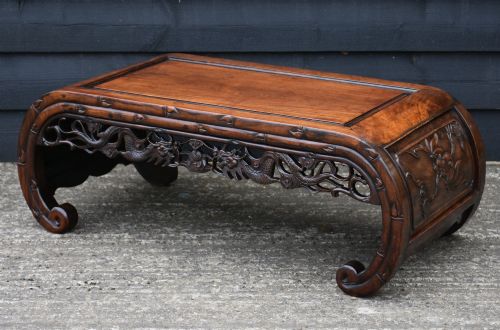
The most common examples you meet on this page span the nineteenth century and the early twentieth century, including square and rectangular formats alongside scroll-end kang tables. Makers constructed these low forms for floor-level living and serving, adapting them over decades into versatile low tables.
Archival evidence shows occasional Georgian fold-over tea tables and teapoys by makers such as Gillows of Lancaster, though low Chinese and Anglo-Indian hardwood tables dominate the current selection. This mix reflects both traditional domestic tea service and nineteenth-century export production.
How they were made
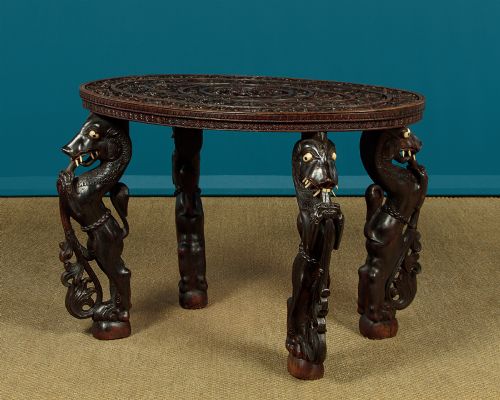
Craftsmen utilised dense hardwoods, predominantly rosewood, padouk, huanghuali and huali, selecting timber for its heavy weight and deep, figured grain. These dense tropical woods permitted precise carving without splintering, allowing workshops to execute detailed scroll ends, dragon motifs and recessed panel tops.
Joinery relied on traditional mortise and tenon frames designed to accommodate the natural movement of heavy timber across seasonal humidity changes. Secondary materials like bone, glass and ebonised detailing appear in specific Anglo-Indian and nineteenth-century examples to accent the primary hardwood surfaces.
Listings feature nineteenth-century and early twentieth-century dates, utilising rosewood, teak, padouk, bone and glass.
What varies in quality
The distinction between standard commercial pieces and finer examples rests on the selection and matching of the rosewood grain. Superior tables display uniform figure across the top panel and crisp, deep hand-carving on the apron and legs rather than shallow, mechanical indentation.
Structural integrity also separates the output of various workshops, seen in the tightness of the joinery and the preservation of original timber colour. Tables that retain their native patination without excessive surface refinishing demonstrate greater material authenticity and workshop skill.
Gillows of Lancaster
The Rosewood Low Tea Table Glossary
- Kang table
- A low platform table traditionally used in northern China for sitting, dining and serving tea. These pieces sit close to the floor and frequently feature scroll ends.
- Padouk
- A heavy, durable tropical hardwood with a reddish hue that darkens with age and exposure to light. Artisans valued it for its stability and fine finish.
- Opium table
- A common historical term for a low Chinese tea or serving table, typically built with modest height and robust hardwood framing. They now serve widely as coffee tables.
- Scroll end
- A decorative terminal detail where the ends of a table top or stretcher curve outward in a deliberate scroll motif. This feature is typical of Chinese Qing Dynasty scholar furniture.
Rosewood Low Tea Table: Frequently Asked Questions
What is a low tea table?
A low tea table is a short-format piece designed for serving tea or sitting close to the floor. Historical examples originate primarily from Chinese Qing Dynasty kang traditions and nineteenth-century Anglo-Indian workshops.
Today, buyers use these low surfaces as coffee tables in living spaces, where their rich rosewood timber and carved details provide a strong focal point.
How do I style a rosewood low table?
These tables work best as central coffee tables where their low height and dense grain can be appreciated. Pair them with clean-lined modern seating to let the carved aprons and scroll ends stand out.
Keep surface styling minimal to allow the figured rosewood timber and traditional joinery to remain the visual priority.
How do I date a Chinese rosewood table?
Dating relies on examining the timber selection, construction methods and wear patterns across the piece. Nineteenth-century examples often display huali or padouk woods with hand-cut joinery and deep patination.
Later pieces from around nineteen hundred frequently incorporate specific regional carving styles, such as dragon motifs or integrated scroll ends.
What is the difference between a kang table and a coffee table?
A kang table was originally built for use on a heated brick sleeping platform in traditional Chinese homes, featuring a low profile and rolled ends. A coffee table is a Western furniture form adapted for use beside seating.
Because of their ideal height, nineteenth-century kang tables function seamlessly as coffee tables in contemporary interiors.