


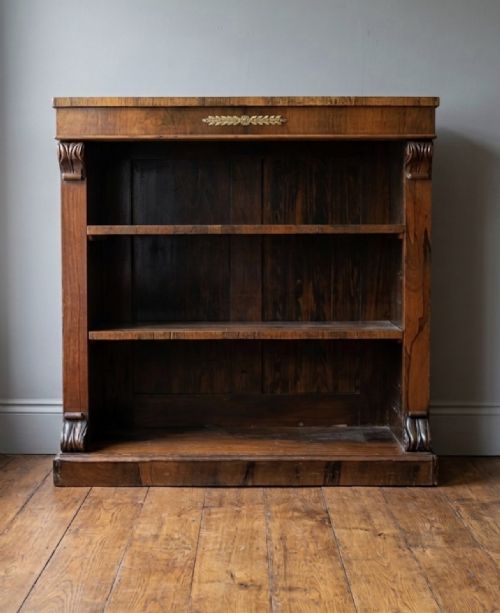


Rosewood Book Shelves
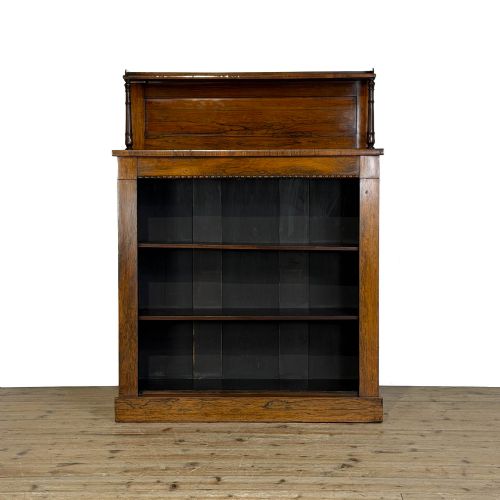
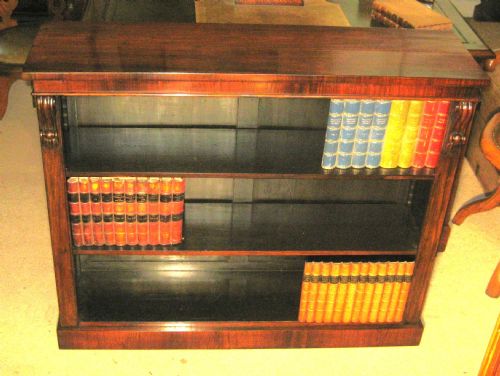
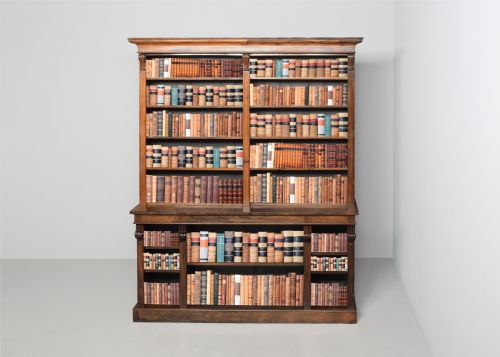
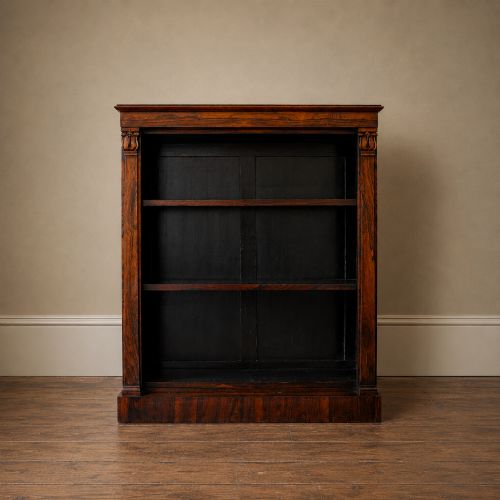
These rosewood book shelves bring together rich timbers and practical tiered storage, forming a refined centrepiece for a library or study.
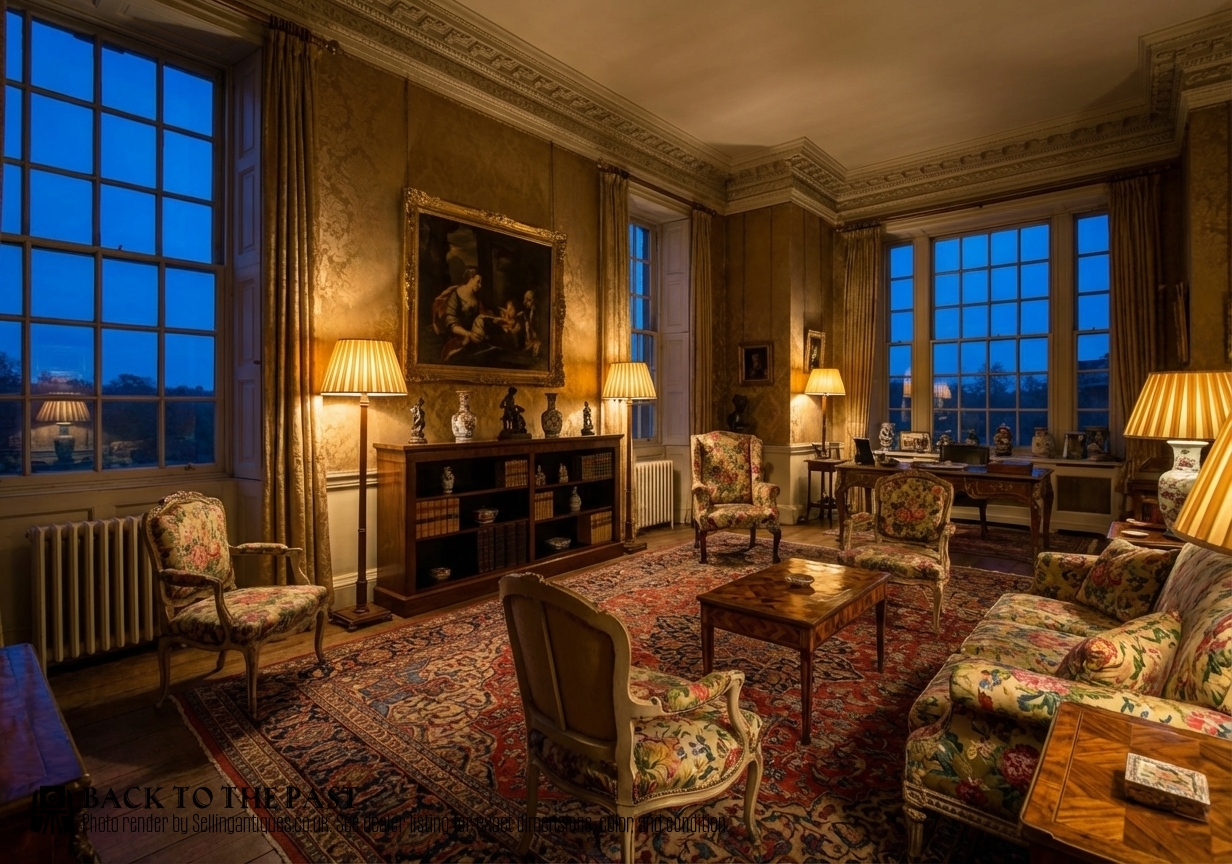
Rosewood Book Shelves
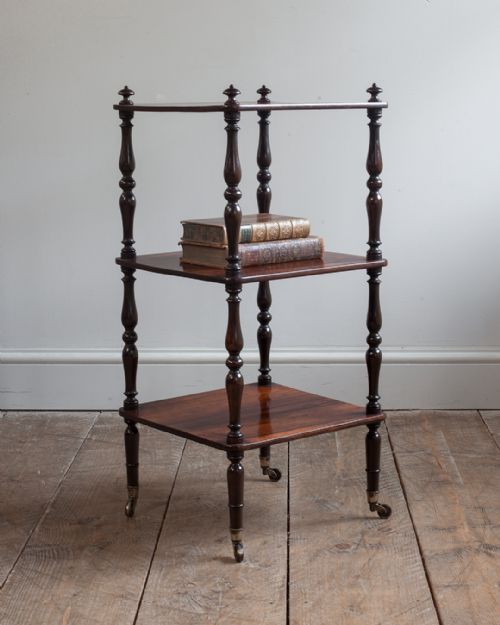
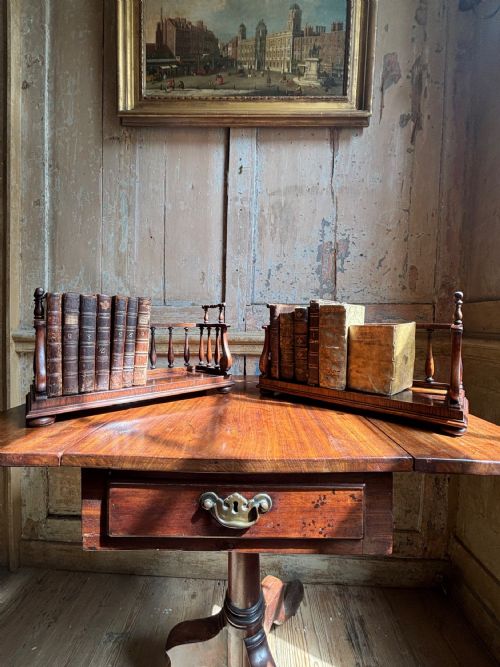
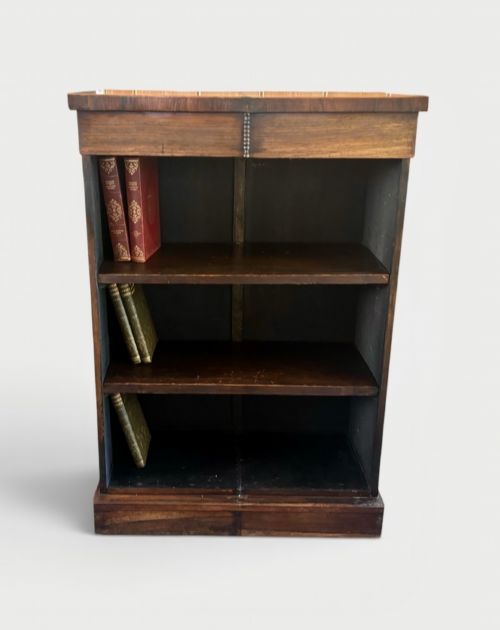
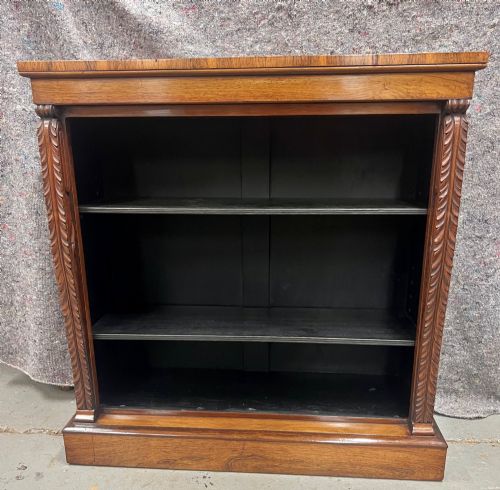
When you search for rosewood book shelves, you encounter an array of open bookcases, multi-tiered whatnots, and compact book stands. The pieces span from the early nineteenth century through the Victorian era and into the Edwardian period, capturing distinct shifts in domestic taste.
You are most likely to meet open bookcases and tiered whatnots on this page, often featuring adjustable shelves for practical use. Formats range from low dwarf cabinets to taller waterfall designs and rotating structures.
Origins include classical Regency and William IV commissions, robust Victorian examples with carved corbels, and occasional Anglo-Indian interpretations. Makers such as Gillows occasionally appear in attributions, linking pieces to notable cabinet-making workshops.
How they were made
Cabinet makers utilised dense rosewood and rosewood veneer over secondary timbers like pine and mahogany, achieving deep grain patterns and smooth surfaces. Brass inlays, parcel gilding, and ormolu mounts frequently accent the timber frames.
Structural elements incorporate leather details, marble tops, and functional mechanisms for adjustable shelving and revolving tiers. Joints are tightly fitted to support the considerable weight of bound volumes and display items.
Rosewood Book Shelves Retail Price Guide 2026
Typical asking prices for rosewood book shelves among the pieces listed under this phrase on Sellingantiques today, from the lower quarter to the upper quarter. They describe what is for sale here now, not the wider market.
Some Regency cabinets include clever leather dummy books on their shelves to hide actual storage space behind fake bindings.
What varies in quality
The distinction between ordinary and exceptional pieces rests upon the selection of timber and the fineness of the carving. Richly figured rosewood veneer, carefully matched across panels, signals a higher grade of craftsmanship.
Proportion and detail elevate a piece, seen in refined architectural mouldings, well-turned columns, and original brass fittings rather than heavy or uninspired execution.
Gillows
The Rosewood Book Shelves Glossary
- Whatnot
- A moveable set of open shelves used for books or ornaments, popular from the Regency period onwards. These tier-based pieces often feature slender upright supports.
- Waterfall bookcase
- A standing set of graduated shelves where each tier steps back from the one below it. This style creates a cascading silhouette characteristic of later nineteenth and Edwardian designs.
- Dwarf bookcase
- A low open bookcase designed to sit beneath dado height. They frequently include adjustable wooden shelves and simple plinth bases.
- Parcel gilt
- Woodwork partially decorated with gold leaf applied to carved details or mouldings. This technique highlights specific ornamental motifs against the dark rosewood background.
- Corbel
- A structural bracket projecting from a vertical surface to support the upper shelf or cornice. Carved wooden corbels add architectural weight to Victorian open bookcases.
Rosewood Book Shelves: Frequently Asked Questions
What periods do these pieces date from?
The listings span the nineteenth and early twentieth centuries, encompassing Regency, William IV, Victorian, and Edwardian eras. Earlier examples display classical restraint, while later pieces introduce lighter forms and different timber combinations.
Craftsmanship evolves across these decades, shifting from architectural proportions to more delicate waterfall silhouettes and revolving structures.
Are the shelves adjustable?
Many of the open bookcases and dwarf cabinets feature adjustable shelving supported by wooden racks or brass pins. This allows storage for volumes of varying heights.
Fixed tiers also appear, particularly in whatnots and multi-tiered book stands intended for display alongside storage.
What materials are used besides rosewood?
While solid rosewood and rosewood veneer dominate, secondary woods such as pine and mahogany form internal carcases and backing boards. Accents of brass, marble tops, leather inserts, and parcel gilding frequently appear.
Occasional pieces incorporate goncalo alves or pine frames beneath the decorative exterior veneers.