





Rope Twist Frame
A rope twist frame brings maritime and classical carved texture to mirrors and furnishings, offering a distinct helical motif that catches the light.
Rope Twist Frame
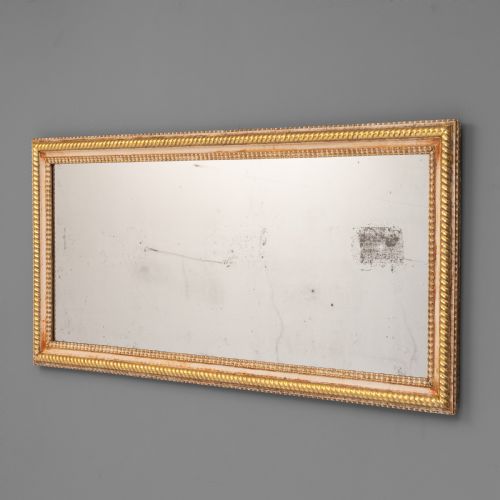
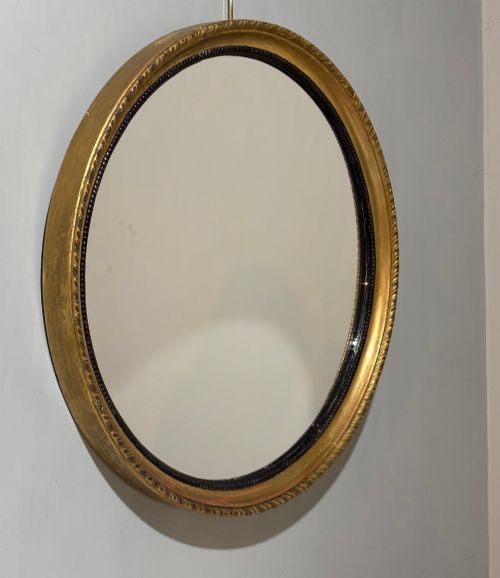
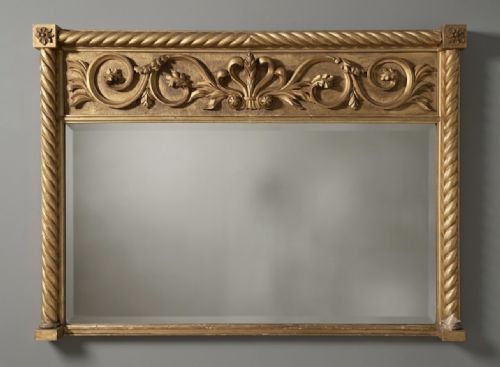
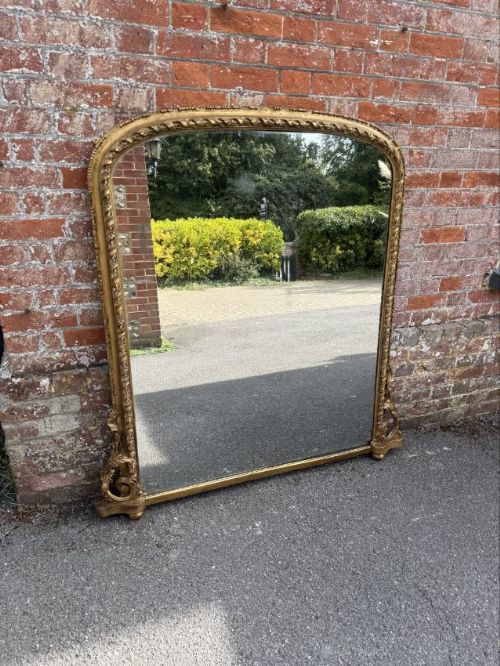
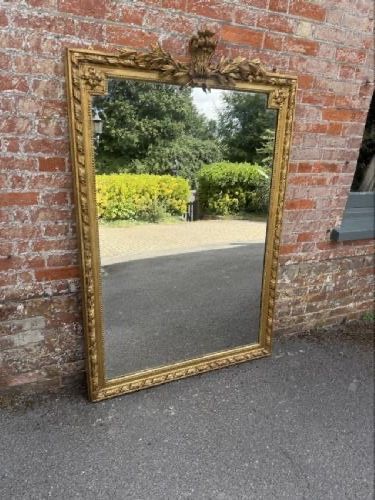
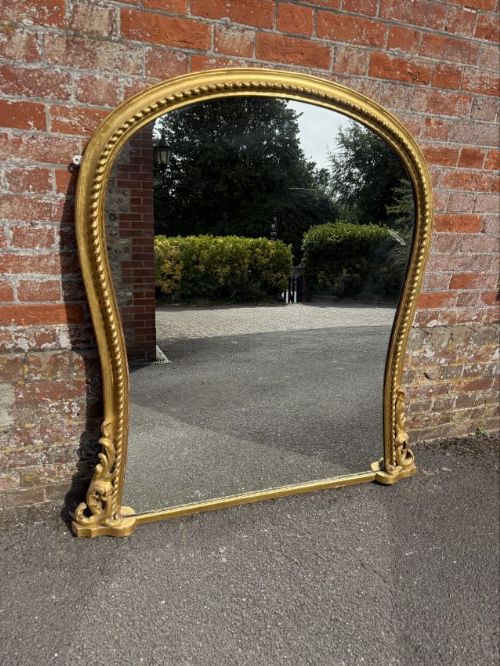
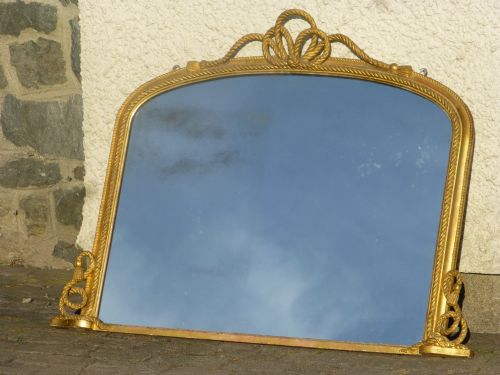
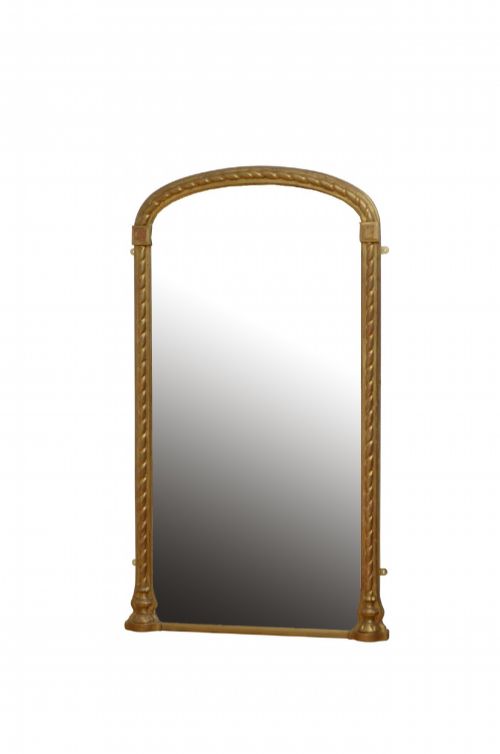
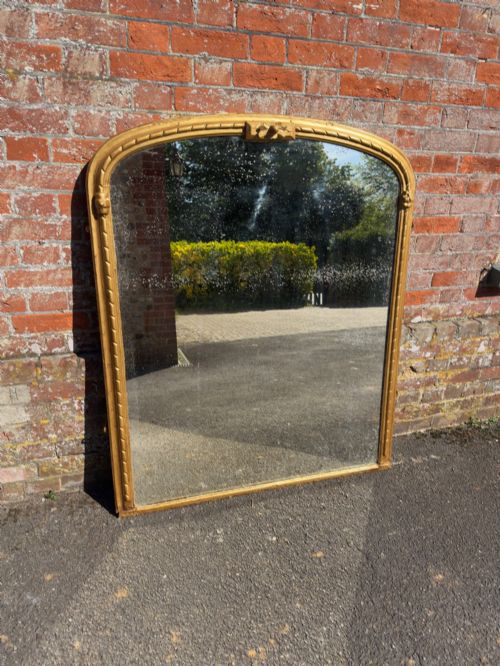
When you search for a rope twist frame, you encounter large gilt overmantel mirrors, pier glasses, and wall mirrors dating predominantly from the nineteenth century. These pieces combine architectural scale with a continuous carved spiral moulding that imitates cordage or rope.
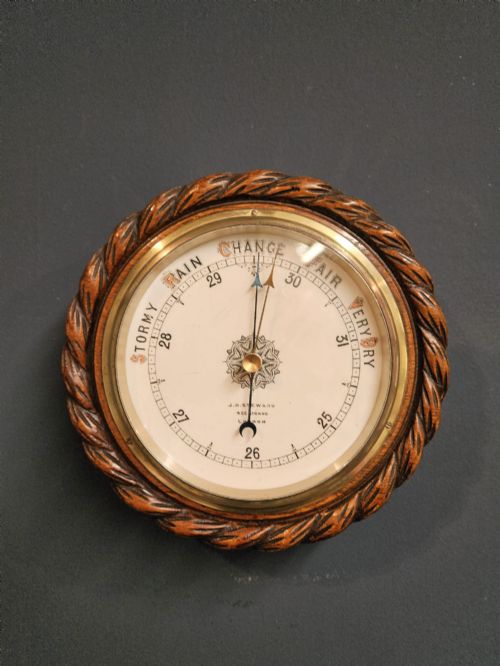
The most common form on this page is the nineteenth century English or French overmantel mirror, often finished in gold leaf or composition over gesso and wood. Alongside these large looking glasses, the selection includes occasional variations such as dining chairs, barometers, and small jewellery pendants.
Originating across English, French, and Spanish workshops, these items span periods from the Regency era through the late Victorian decades. The rope motif appears either as the primary border of the glass or as a secondary interior moulding framing the reflective plate.
Materials and construction
Carved wood and composition applied over a pine or timber base form the structural foundation of the gilt mirrors found here. Artisans shaped the helical rope pattern directly into the wooden substrate or moulded it using composition, a pliable mixture of whiting, resin, and glue.
Gilding was applied using gold leaf or fine metallic leaf laid over a prepared gesso ground, which was often tinted with a warm bole before burnishing. This traditional layering creates the characteristic depth and subtle tonal variation visible on nineteenth century giltwood surfaces.
Rope Twist Frame Retail Price Guide 2026
Typical asking prices for rope twist frame among the pieces listed under this phrase on Sellingantiques today, from the lower quarter to the upper quarter. They describe what is for sale here now, not the wider market.
Object forms include wall mirrors, grand overmantel mirrors, dining chairs, barometers, and small gold charms.
Factors of distinction
The definition and depth of the carved helical moulding determine much of the visual impact, distinguishing hand-carved wooden rope twists from simpler moulded composition versions. Crisp undercutting in the twists allows light to catch the edges more effectively.
The preservation of the original gilt surface and the quality of the underlying mirror glass dictate the integrity of each piece. Retaining the original mercury or early silvered glass plates adds historical weight to the object.
The Rope Twist Frame Glossary
- Gesso
- A plaster-like preparation mixture used as a smooth base for gilding on wood frames. It provides the foundation that holds fine carved detail before gold leaf application.
- Giltwood
- Timber that has been coated with gold leaf or metallic powder. It forms the primary bright finish on nineteenth century pier and overmantel mirrors.
- Overmantel mirror
- A large looking glass designed to hang specifically above a fireplace mantelpiece. These frames often feature arched tops or grand horizontal proportions to suit domestic interiors.
- Composition
- A moulded mixture of whiting, linseed oil, resin, and glue used to form decorative ornament on frames. It allowed workshops to produce complex rope and bead patterns efficiently.
- Pier mirror
- A tall vertical looking glass made to fit the wall space between windows. They frequently incorporate lower pedestals or matching console tables.
Rope Twist Frame: Frequently Asked Questions
Where should I hang an overmantel mirror?
These large looking glasses sit naturally above a fireplace mantelpiece, where their generous proportions reflect light across the room. They also function effectively as leaner mirrors placed directly against a wall on the floor.
Ensure the wall fixings match the substantial weight of carved wood and gesso frames. Professional mirror brackets secure the piece safely to solid masonry or studwork.
How do I clean a giltwood frame?
Dust the carved rope twist surface gently with a soft dry brush to remove particles without disturbing the finish. Avoid liquid cleaners, water, or chemical solvents, which can damage delicate gold leaf and gesso.
If the glass requires cleaning, apply a small amount of glass cleaner to a cloth rather than spraying directly onto the mirror plate. This prevents moisture from seeping behind the frame rabbet.
What is the difference between gesso and carved wood?
Carved wood involves shaping the timber substrate directly with gouges and chisels to form the rope motif. It shows crisp tool marks and distinct individual handwork.
Composition is pressed into moulds and applied over a simpler wooden core to achieve uniform decorative repetition. Many nineteenth century frames combine both techniques, using carved wooden rails alongside moulded ornament.
How can I date a nineteenth century mirror?
Examine the construction of the wooden backboards, frame joints, and the composition of the mirror glass itself. Hand-beveled plates, older backing screws, and handwritten workshop labels often provide clues to the decade of manufacture.
Stylistic shifts also help narrow the timeline, moving from the architectural neoclassical restraint of the Regency period to the heavier ornamentation of Victorian design.