



Roman Numeral Dress Watch
A roman numeral dress watch brings together precise early timekeeping and classic dial design, offering a wearable piece of history.
Roman Numeral Dress Watch
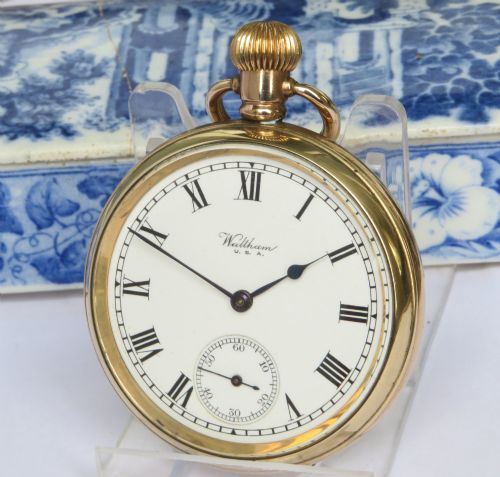
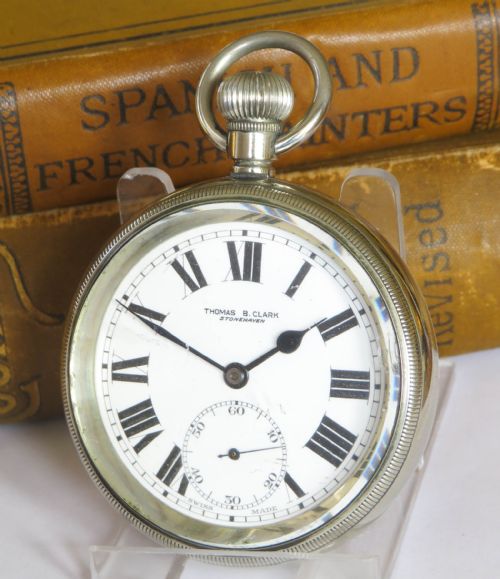
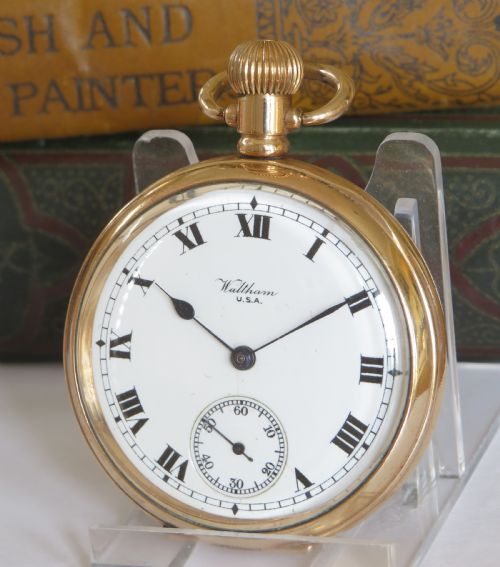
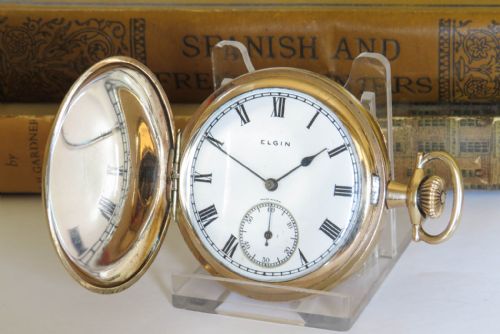
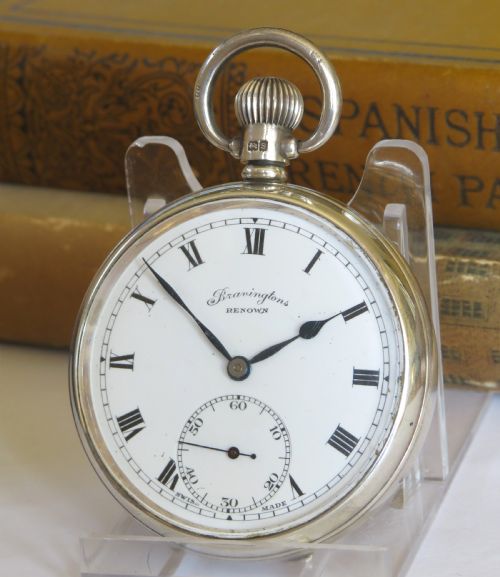
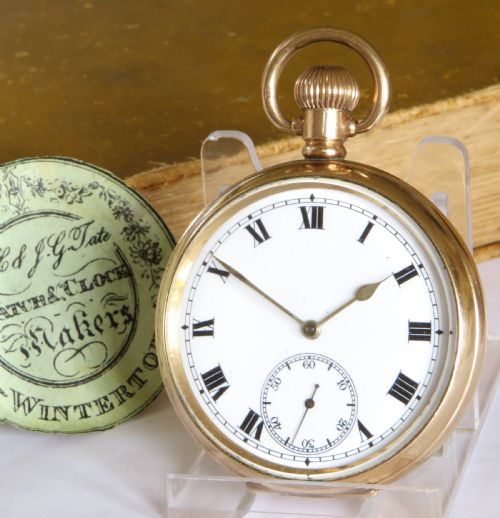
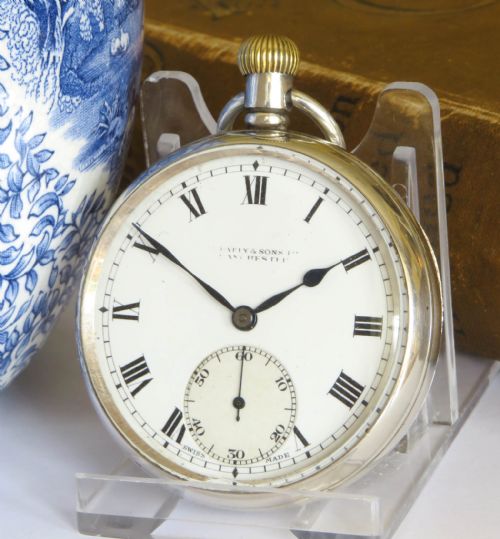
When you search for a roman numeral dress watch, you encounter timepieces spanning from the Edwardian era through to the 1950s. These pieces include both pocket watches and manual wristwatches featuring prominent character dials.
The selection here heavily leans towards pocket watches from the 1920s and 1930s, alongside Swiss open faced designs and gold plated variations. Early twentieth century examples and Art Deco styling dominate the available selection.
How They Were Made
Casing materials range from solid silver and gold to gold plate, brass, and steel, paired with protective glass covers and leather straps where applicable. Dial faces frequently utilise enamel work to render crisp numerals and subsidiary seconds tracks.
Movements rely on traditional mechanical construction housed within robust metal chassis, often accompanied by matching chains or alberts for pocket variations.
Roman Numeral Dress Watch Retail Price Guide 2026
Typical asking prices for roman numeral dress watch among the pieces listed under this phrase on Sellingantiques today, from the lower quarter to the upper quarter. They describe what is for sale here now, not the wider market.
Listings span from the Edwardian period through to the 1950s, featuring silver, gold plate, steel, and enamel materials.
What Varies in Quality
The grade of materials used for the case and the complexity of the internal movement set examples apart. Solid precious metals and recognised Swiss or British workshops represent a higher tier of production than standard brass or gold plated alternatives.
Preservation of the enamel dial and clarity of the numerals significantly influence the overall standard of each piece. Clean dial faces without hairline fractures indicate superior preservation over decades of use.
Buren·Waltham·Revue·Elgin·Vertex·Consul·Fortex·Helvetia·Stayte·Tavannes·Omega·Bravingtons
The Roman Numeral Dress Watch Glossary
- Open faced
- A pocket watch design that lacks a hinged metal cover over the glass, allowing an immediate view of the dial. This style became widely adopted for quick time reading during the twentieth century.
- Full hunter
- A pocket watch fitted with a spring loaded metal cover that protects the glass dial. Pressing the crown opens the case to reveal the face.
- Albert
- A chain attached to a pocket watch, designed to secure the timepiece to a waistcoat or belt loop. These chains frequently match the metal grade of the watch case.
- Enamel
- A glassy substance fused to a metal dial substrate through high temperature firing. It provides a smooth, durable surface for painted numerals.
- Manual wind
- A mechanical movement powered by manually turning the crown to tension the mainspring. These movements precede modern automatic and quartz technologies.
Roman Numeral Dress Watch: Frequently Asked Questions
How do I wind a vintage pocket watch?
Gently rotate the crown between your thumb and forefinger clockwise until you feel firm resistance. Do not force the crown past this stopping point to avoid over tensioning the internal mainspring.
Wind the piece at a consistent time each day if you wear it regularly. This maintains steady tension and helps keep the timekeeping accurate.
Can I wear a pocket watch daily?
These watches suit regular daily wear provided you store them securely in a dedicated waistcoat pocket or trousers pocket. Pairing them with a sturdy albert chain prevents accidental drops.
Keep the watch away from strong magnetic fields and moisture. Servicing the mechanical movement periodically ensures reliable daily operation.
What is an open faced watch?
An open faced watch leaves the glass crystal exposed without a protective metal front cover. This design allows you to check the time at a glance without opening a case.
Such configurations were common for both pocket watches and early wristwatches. They showcase the dial layout and roman numerals prominently.
How are different decades identified?
Stylistic cues such as case shapes, typography on the dial, and hallmarks stamped into the metal help determine the era. Art Deco pieces often feature geometric motifs and specific font styles popular in the nineteen twenties and thirties.
Comparing the movement signatures and internal serial numbers against historical maker records provides further chronological confirmation.