




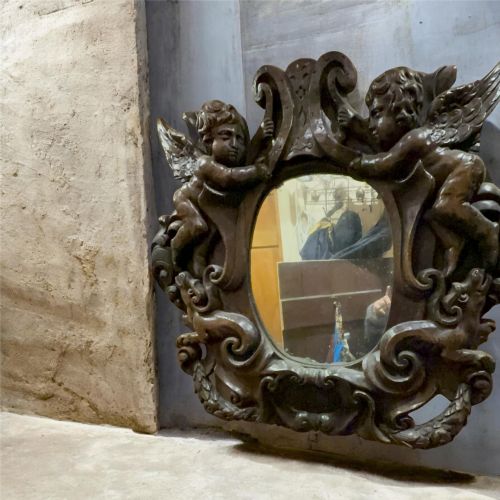
Rococo Wooden Mirror
A rococo wooden mirror brings dramatic scrolling lines and carved depth into a room, capturing the lively spirit of eighteenth-century design through later revivals and period originals.
Rococo Wooden Mirror
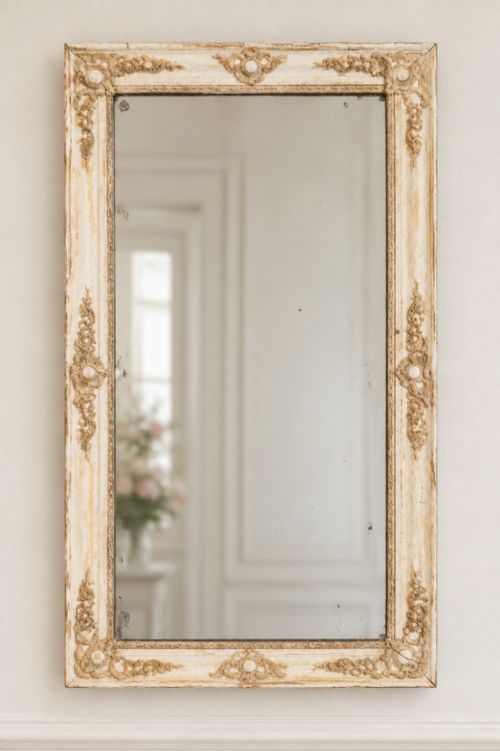
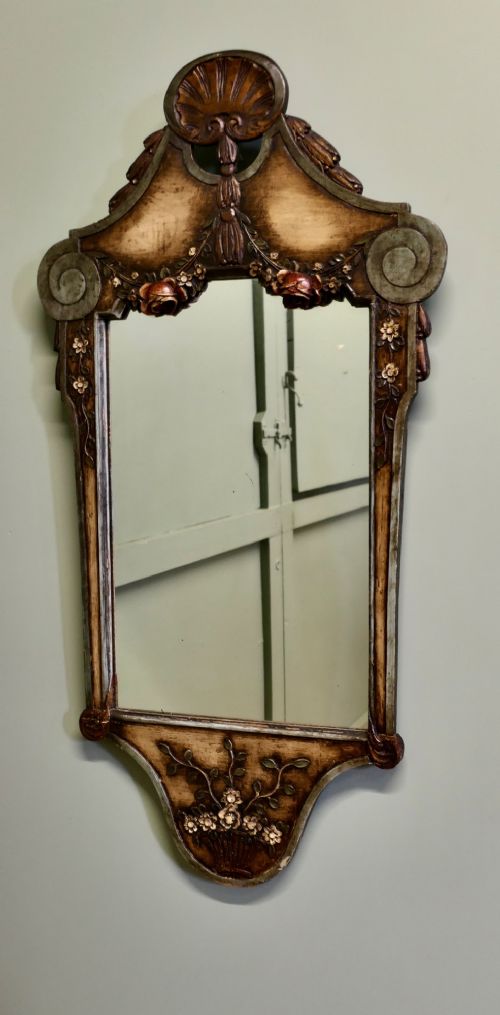
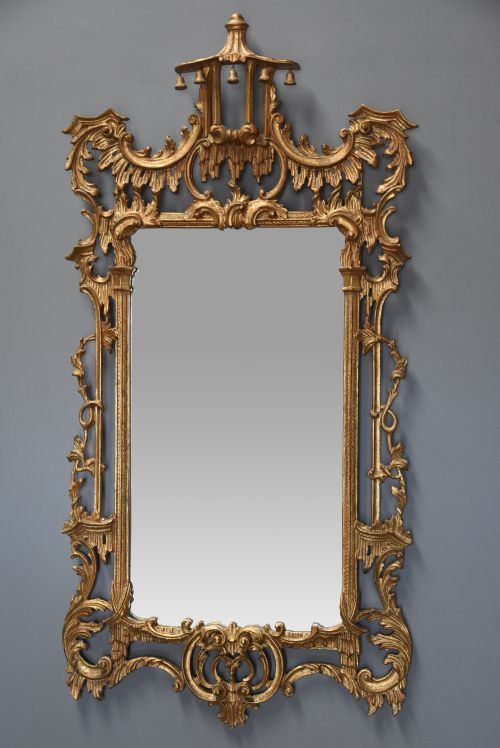
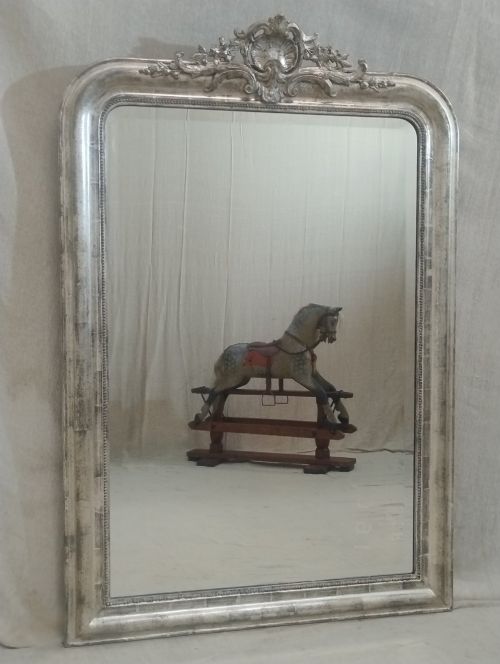
A rococo wooden mirror combines asymmetrical scrollwork, naturalistic shell motifs, and dynamic frames designed to catch the light. When searching for a rococo wooden mirror, buyers encounter everything from grand eighteenth-century originals to nineteenth-century revival pieces influenced by French and Italian tastes.
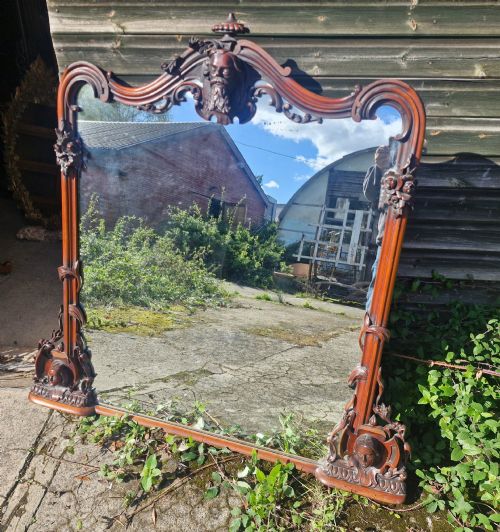
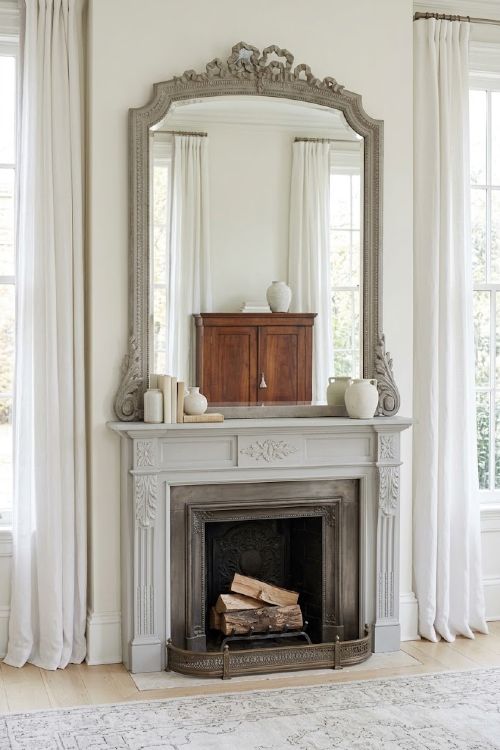
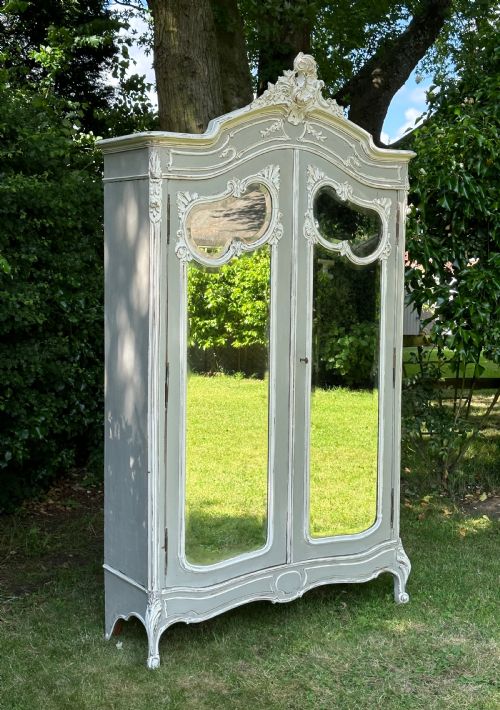
The forms span large overmantels intended for grand drawing rooms, tall wall mirrors, and smaller carved frames suited for hallways. Many examples show the enduring popularity of Louis XV and Chippendale styles executed in carved wood, gesso, and paint.
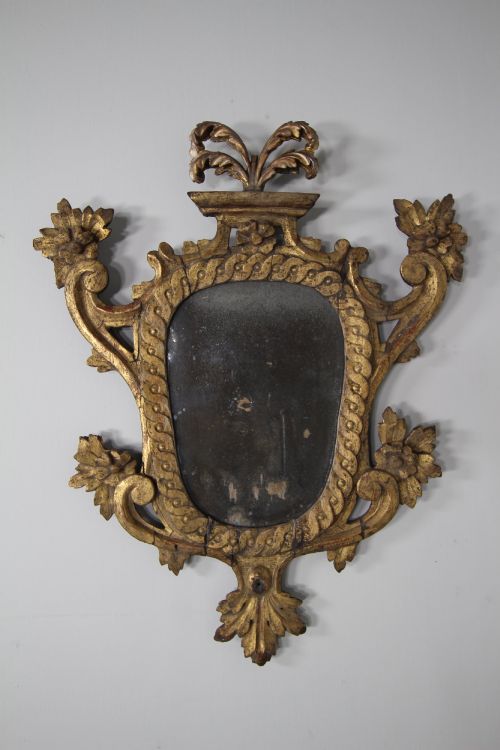
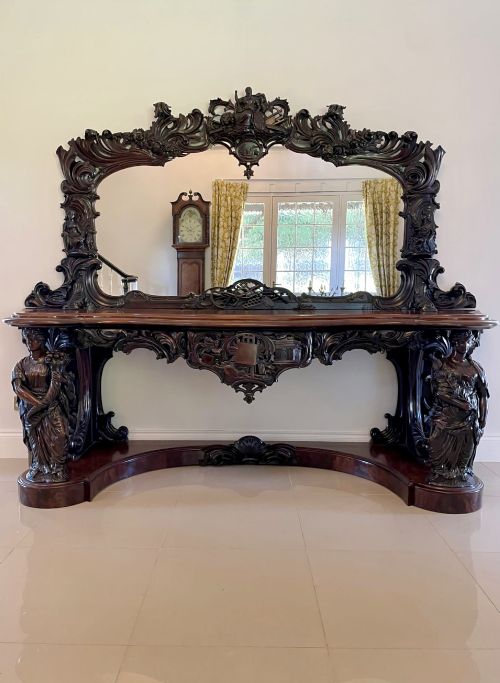
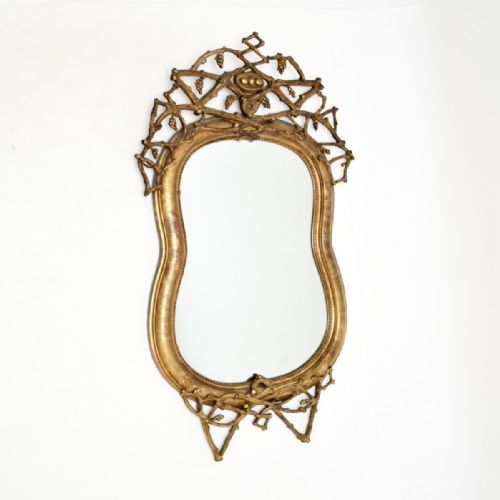
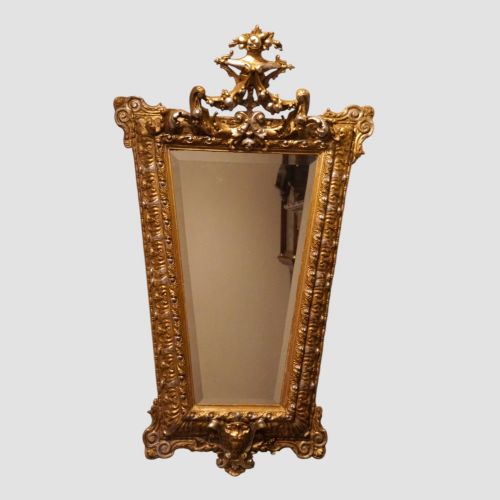
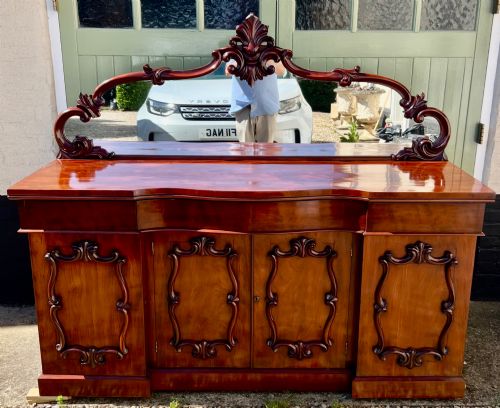
Originating primarily from English, French, and Italian workshops, these pieces demonstrate how continental decorative ideas adapted across different periods. The selection on this page reflects both formal giltwood wall hangings and robustly carved mahogany overmantel designs.
Materials and construction
Makers shaped these frames from solid timbers such as mahogany, oak, walnut, and sycamore before applying intricate surface decoration. Carvers worked directly into the wood to achieve deep relief work, curling foliage, and characteristic C-scrolls.
Gesso, a mixture of chalk and binder, was built up over the wooden base to form crisp decorative details that could be finely chased. Artisans then applied gold leaf, silver leaf, or paint to achieve the luminous metallic finishes seen on period examples.
Rococo Wooden Mirror Retail Price Guide 2026
Typical asking prices for rococo wooden mirror among the pieces listed under this phrase on Sellingantiques today, from the lower quarter to the upper quarter. They describe what is for sale here now, not the wider market.
Geographic origins represented across the inventory include workshops from England, France, and Italy.
Assessing quality and craftsmanship
The distinction between ordinary and exceptional pieces lies in the crispness and depth of the hand-carved detail. Superior examples display undercut foliage and fluid asymmetry that feel organic rather than rigid.
The quality of the gilding or paint layer also dictates value, with well-preserved gold leaf reflecting light evenly across complex contours. Original mirror plates showing gentle foxing and age add authenticity compared to modern replacements.
The Rococo Wooden Mirror Glossary
- Giltwood
- Wood that has been coated with a thin layer of gold leaf over a prepared gesso ground. This technique creates a rich, warm metallic sheen that endures for centuries.
- Gesso
- A plaster-like preparation applied to wood frames to provide a smooth surface for carving intricate details. It allows for sharp, crisp relief work before gilding.
- Overmantel mirror
- A large mirror specifically designed to hang above a fireplace mantelpiece. These pieces often feature horizontal proportions to complement the width of the hearth.
- Rococo revival
- A nineteenth-century design movement that reinterpreted the playful, asymmetrical forms of the eighteenth-century rococo style. It produced heavily carved and gilded mirrors with exuberant ornamentation.
- Trumeau mirror
- A decorative wall mirror incorporating a painted panel or oil painting within the upper section of the frame. Originating in France, these pieces served as architectural wall decoration.
Rococo Wooden Mirror: Frequently Asked Questions
Where should I hang a large overmantel mirror?
These mirrors anchor a room when mounted centrally above a fireplace, reflecting natural light and opening up the space.
Ensure the wall fixings are secured directly into studs or masonry to support the substantial weight of the carved wooden frame.
How do I date a carved wooden mirror?
Examine the wood behind the frame, tool marks, and the construction methods used to join the corners together.
Original backboards, hand-cut screws, and the condition of the silvering on the glass plate also provide reliable clues to the manufacturing period.
What is the difference between French and Italian styles?
French rococo designs typically emphasise refined asymmetry, delicate shell motifs, and smooth giltwood surfaces suited to formal salons.
Italian pieces often feature bolder, more theatrical carving in walnut or fruitwood, reflecting local Baroque and regional decorative traditions.