




Rococo Upholstered Side Chairs
Rococo upholstered side chairs bring sweeping scrollwork and rich textiles together, offering versatile seating that grounds a room with period character.
Rococo Upholstered Side Chairs
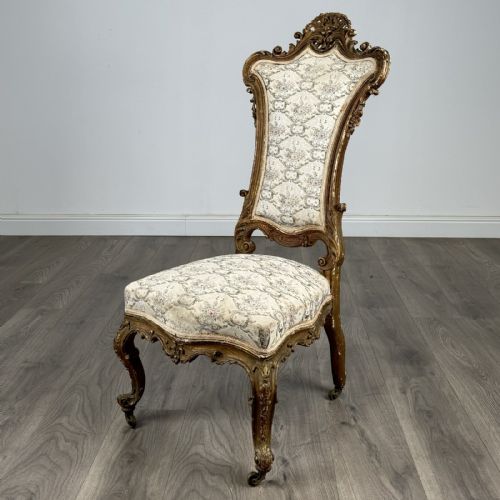
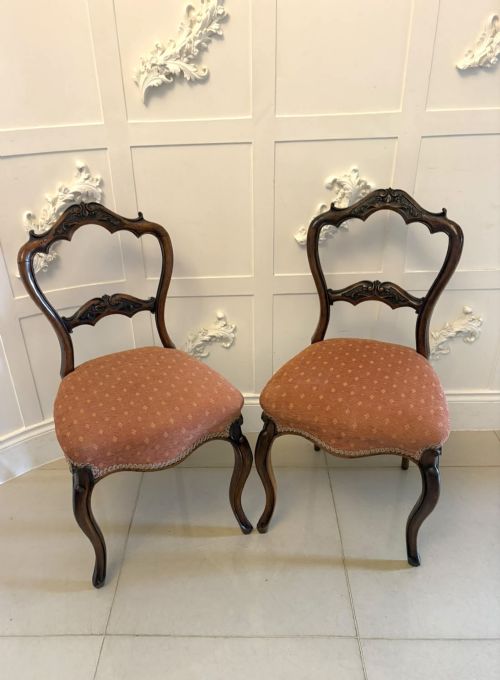
Rococo upholstered side chairs encompass seating designed without arms, primarily intended for dining, salons, and occasional use. The selection spans the eighteenth century through the Victorian era, capturing the revival of fluid, organic lines.
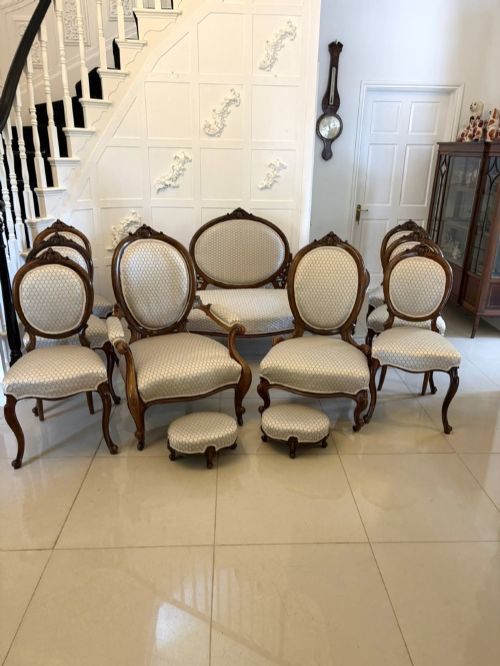
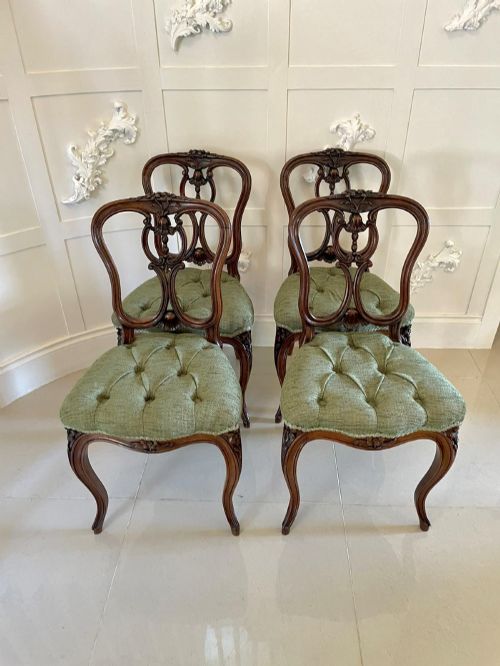
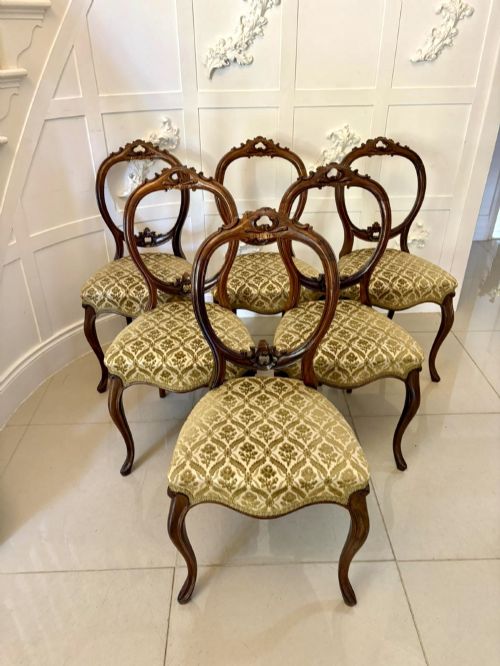
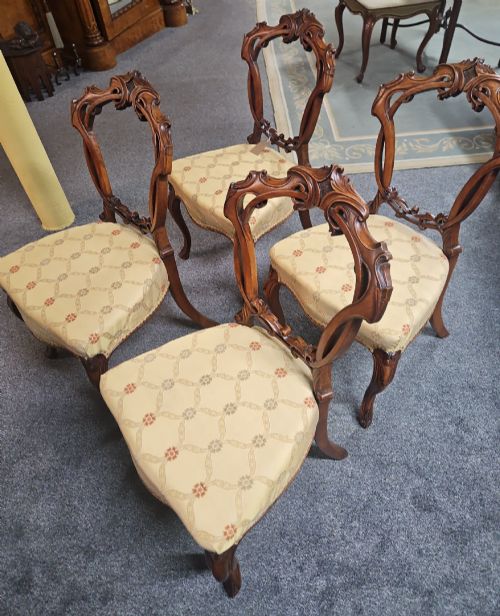
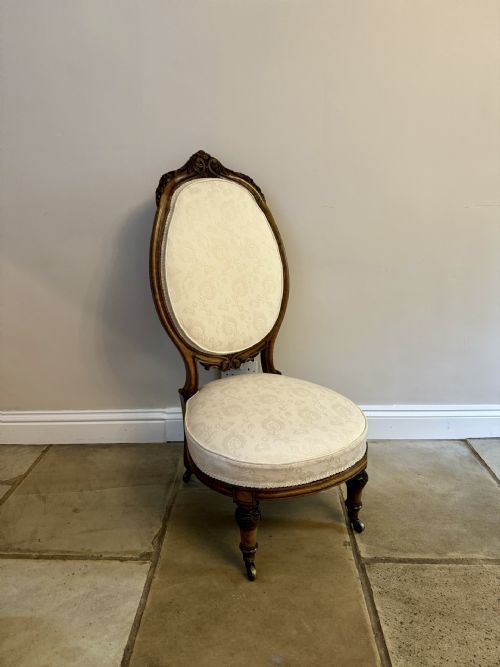
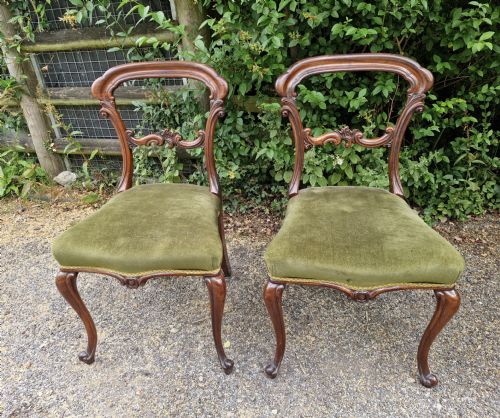
Buyers encounter walnut and rosewood frames most frequently, often shaped with scroll arms, pierced splat backs, or button balloon backs. The forms include dining sets, pairs, and single accent chairs originating from English, French, and Italian makers.
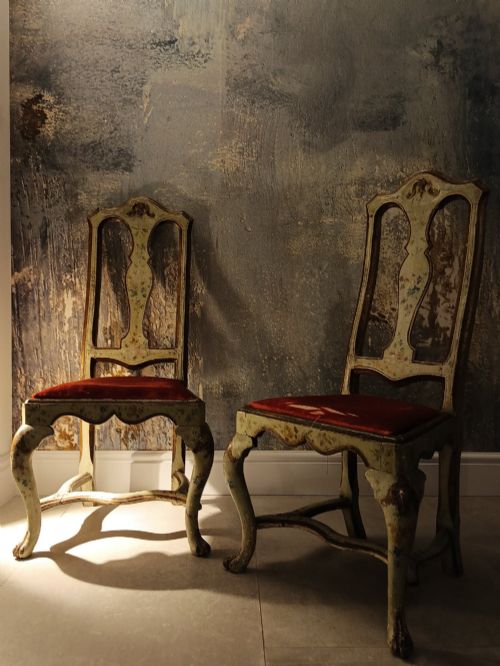
The style draws heavily on Louis XV inspiration, featuring carved cabriole legs and ornamental woodwork. Examples range from mid-eighteenth-century continental pieces to nineteenth-century Victorian interpretations.
How they were made
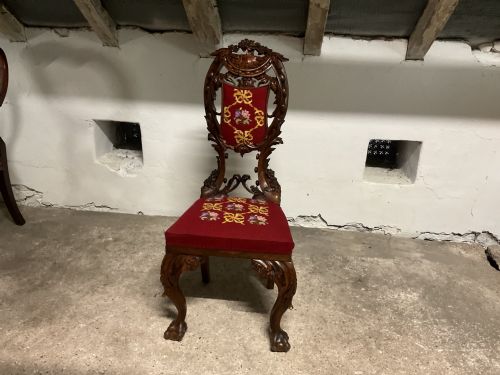
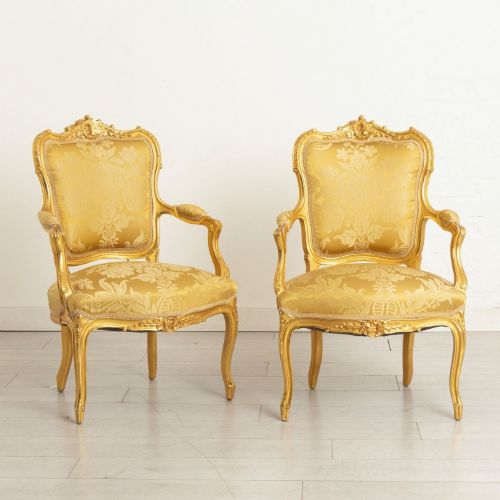
Craftsmen shaped dense hardwoods like walnut, rosewood, and mahogany using traditional hand-carving techniques. Giltwood also appears on frames designed for formal reception rooms.
Upholstery relies on textiles such as velvet, silk fabric, and contemporary or traditional woven materials. Brass tacks and careful stitching secure the fabrics to the padded seats and high backs.
Listings feature walnut and rosewood most often, alongside mahogany and occasional giltwood frames.
What varies in quality
The crispness and depth of the wood carving dictate the distinction between standard production and master craftsmanship. Fine examples display deeply undercut foliage and scrollwork executed entirely by hand.
The structural integrity of the frame joints and the authenticity of the timber determine longevity. Matching sets of chairs command greater interest than assembled groups due to the uniformity of their ageing.
Morison & Co of Edinburgh
The Rococo Upholstered Side Chairs Glossary
- Cabriole leg
- A furniture leg that bends outward in a convex curve and tapers inward in a concave arc to a pad or scroll foot. This shape mimics animal limbs and defines much of the Rococo aesthetic.
- Balloon back
- An oval chair back shaped like a inflated balloon, popular during the Victorian period. It often incorporates button tufting and padded upholstery.
- Giltwood
- Timber coated with a thin layer of gold leaf or powder. It appears frequently on formal French salon chairs.
- Splati
- A central vertical strip of wood within a chair back. Pierced splats are open-carved for decorative effect.
- Gondola chair
- A curved-back chair resembling the traditional Venetian boat. This form provides a cradling seat for the user.
Rococo Upholstered Side Chairs: Frequently Asked Questions
Where were these chairs used originally?
These chairs served multiple functions in grand homes, appearing around dining tables, in formal drawing rooms, and beside dressing tables. Smaller occasional and salon variants moved easily between rooms to accommodate guests.
Their decorative backs and carved frames meant they often stood against walls when not in active use during gatherings.
How do I care for antique upholstery?
Protect the fabric from direct sunlight to prevent fading and brittle fibres over time. Gentle vacuuming with a soft brush attachment removes surface dust without stressing the textile.
For wooden frames, regular dusting with a dry cloth preserves the polished finish without applying heavy chemical polishes.
Can I mix these chairs with modern tables?
The organic curves and rich wood tones of these chairs provide a striking contrast against clean-lined contemporary dining tables. Pairing antique side chairs with a minimalist setting highlights the carved details of the woodwork.
Ensure the seat height matches your table clearance before arranging them together for daily use.
How do I distinguish eighteenth-century from Victorian pieces?
Eighteenth-century pieces typically exhibit regional European craftsmanship with hand-shaped joinery and aged patination unique to their origin. Victorian interpretations from the nineteenth century often show heavier proportions and steam-pressed or machine-assisted carving.
Examining the underside of the seat frame and the wear on the wood helps reveal the true age of the construction.