

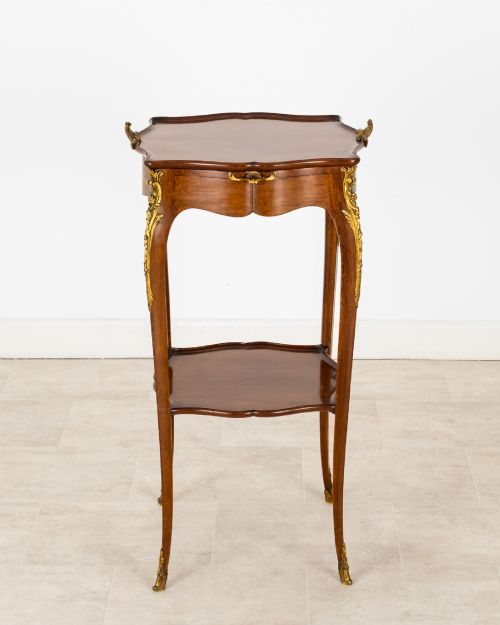
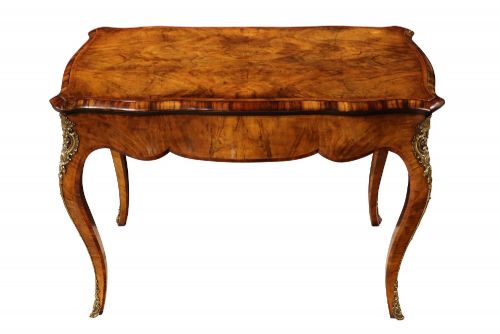

Rococo Tea Table
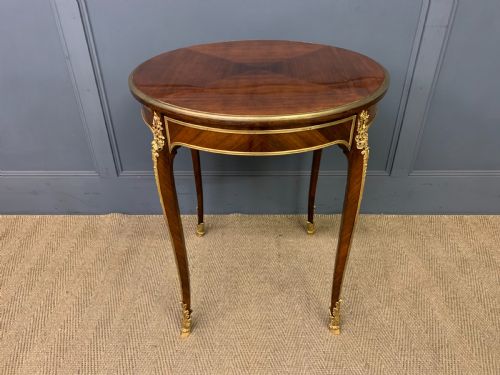
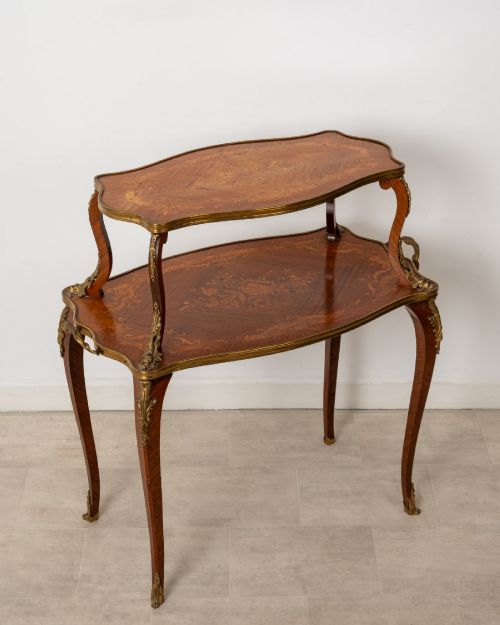
A rococo tea table brings serpentine lines and intricate marquetry into a room, serving as a striking focal point for formal gatherings.
Rococo Tea Table
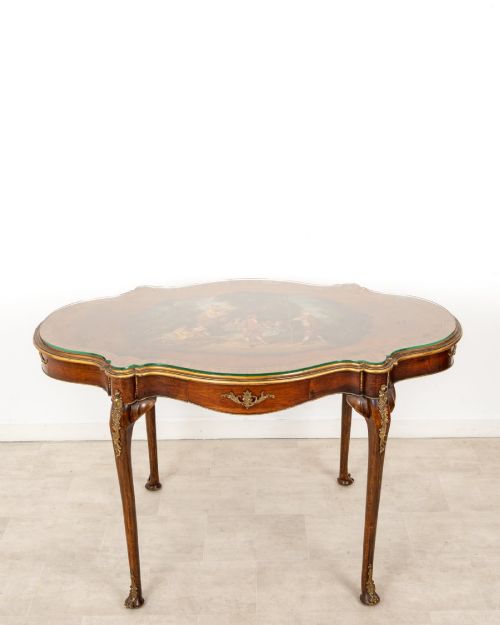
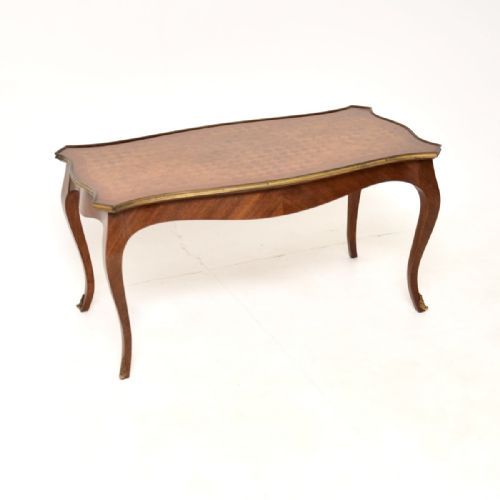
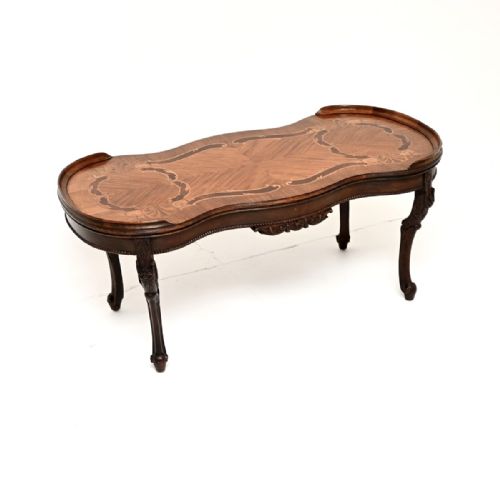
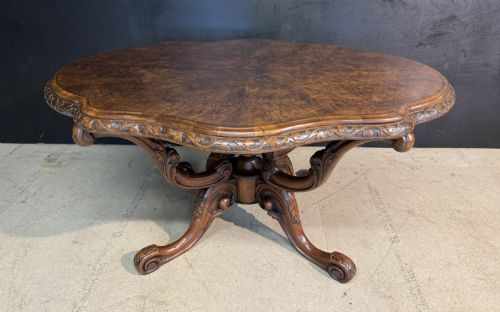
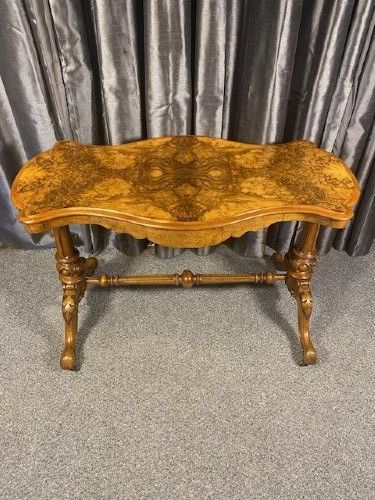
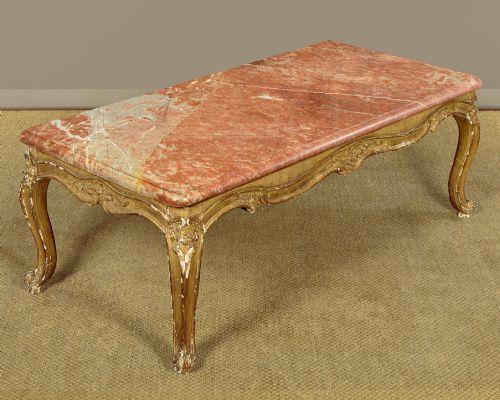
When you examine a rococo tea table, you are looking at small-scale furniture designed for domestic hospitality, typically featuring fluid, asymmetrical curves and shaped tops. The examples you encounter on this page span the nineteenth and twentieth centuries, drawing heavily upon earlier Louis XV designs and revival aesthetics.
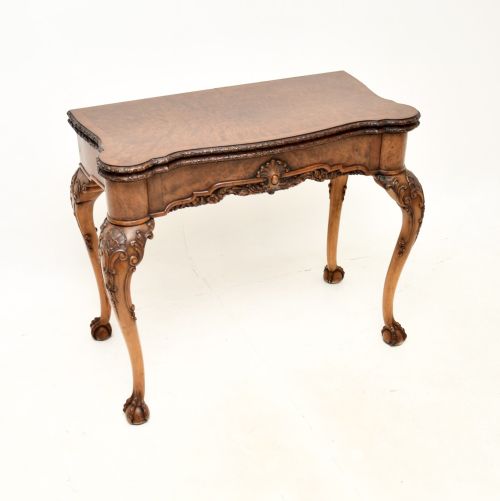
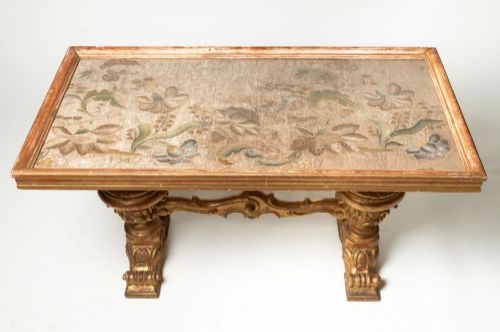
Beyond tea tables proper, the selection encompasses related serving and display forms such as side tables, card tables, and occasional tables. These pieces utilise walnut, burr walnut, mahogany, and exotic veneers shaped into serpentine outlines that reflect eighteenth-century continental taste.
Materials and technique
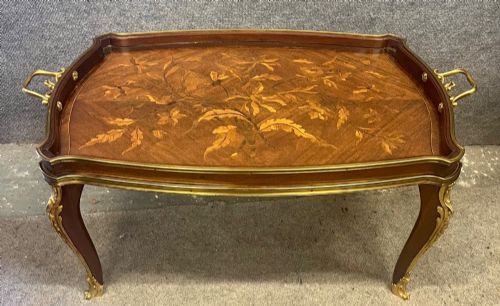
Cabinetmakers constructed these tables using solid foundational timbers such as walnut and mahogany, overlaid with decorative veneers including kingwood, satinwood, and burr walnut. Marquetry and parquetry patterns add geometric or floral complexity to the top surfaces.
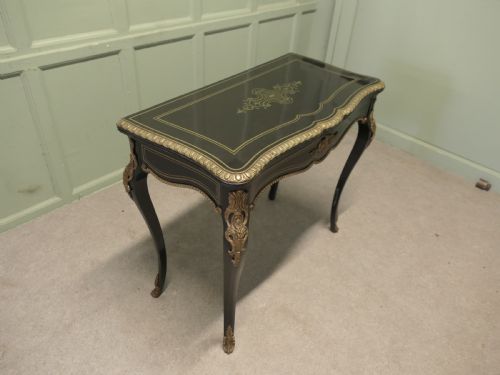
Gilt bronze and ormolu mounts accentuate the curved contours and corners, often cast in naturalistic plant motifs. Ebonised finishes, brass inlay, and hand-painted details complete the decorative surface vocabulary.
Some tables hide clever folding mechanisms for cards and tea, built for eighteenth-century secrets long before flat-pack furniture existed.
Judging the work
The distinction between ordinary and exceptional pieces lies in the crispness of the carving and the precision of the veneer work. Superior examples display seamless joins in the marquetry and finely chased ormolu mounts that integrate harmoniously with the timber frame.
Structural integrity of the complex serpentine frames and the depth of figure in the burr walnut or kingwood veneers dictate the standing of a piece. Finer tables maintain proportion and balance across every curved angle without appearing heavy or clumsy.
Joseph-Emmanuel Zwiener·François Linke·Edwards & Roberts
The Rococo Tea Table Glossary
- Ormolu
- Gilt bronze mounts applied to furniture edges and legs. This technique adds metallic highlights that catch the light.
- Marquetry
- Fitted pieces of veneer assembled to form decorative pictures or patterns on a wooden surface. It requires considerable skill to align the grain and colours.
- Serpentine
- A curved line that bends alternately inward and outward, resembling a snake. This profile defines the perimeter of many table tops and aprons.
- Étagère
- A small open shelving unit or tiered table designed for displaying ornaments. They frequently appear in French revival outputs.
- Parquetry
- Geometric patterns formed by small pieces of wood veneer. It creates a tiled mosaic effect across the tabletop.
Rococo Tea Table: Frequently Asked Questions
What is a rococo tea table used for?
These tables originally served for the social ritual of pouring and drinking tea in private drawing rooms. Today they function primarily as decorative centre tables or display surfaces in living spaces.
Their compact dimensions allow them to sit easily beside seating arrangements while offering a surface for lamps, books, or decorative objects.
How do I identify a revival piece?
Revival pieces draw inspiration from eighteenth-century French and English designs, typically utilising nineteenth-century timber preparation and construction methods. Examination of the interior secondary woods and joinery helps clarify the manufacturing era.
Stylistic cues such as heavy ormolu mounts combined with nineteenth-century burr walnut veneers point directly to revival periods rather than original eighteenth-century production.
Are these tables suitable for everyday use?
Most of these tables feature delicate veneered surfaces and applied mounts that require gentle care. Placing coasters beneath glasses and protecting the timber from direct heat sources preserves the polish.
While robust enough for daily placement in a room, they benefit from careful handling and placement away from heavy traffic areas.
How should I care for walnut veneer?
Walnut and marquetry surfaces respond best to dry dusting with a soft, lint-free cloth. Avoid chemical polishes and silicone sprays that can degrade historic finishes over time.
Maintaining stable room humidity prevents the timber beneath the veneer from expanding or contracting, which protects the intricate parquetry from lifting.