



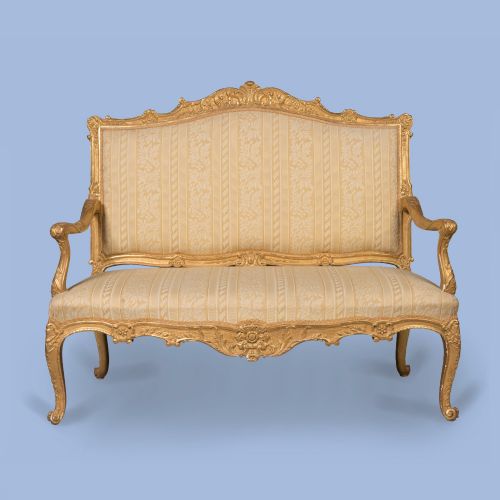


Rococo Style Bench
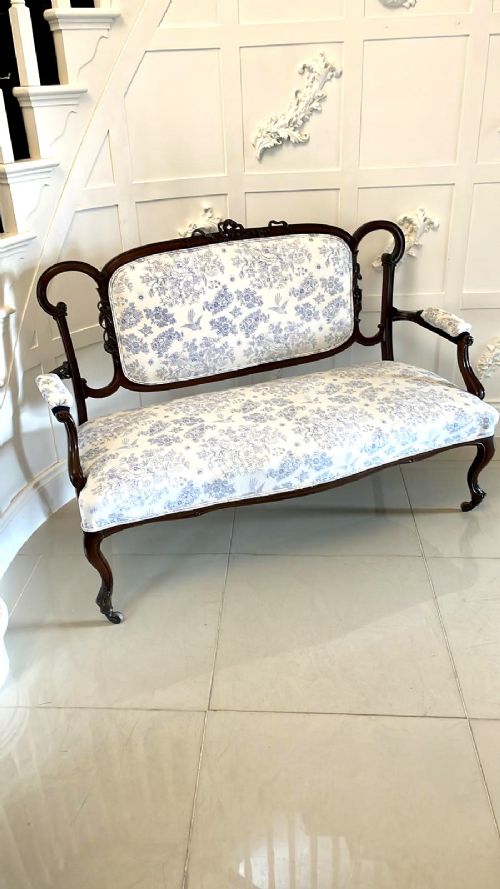
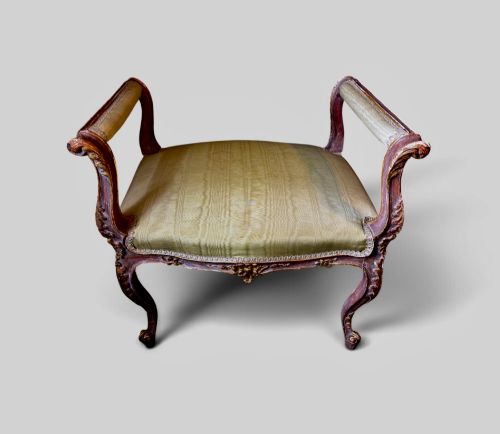
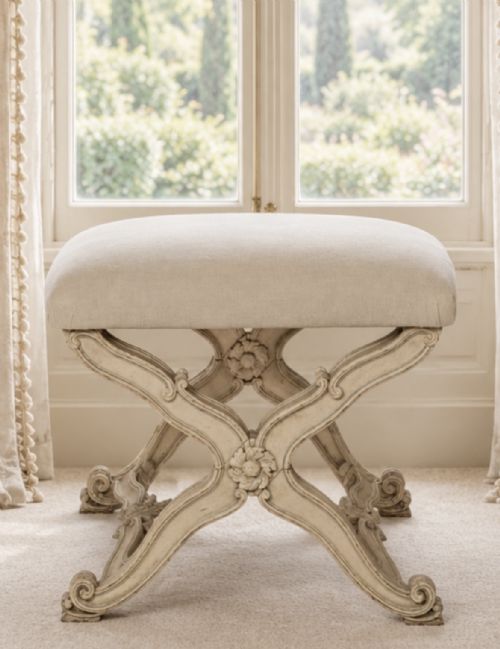
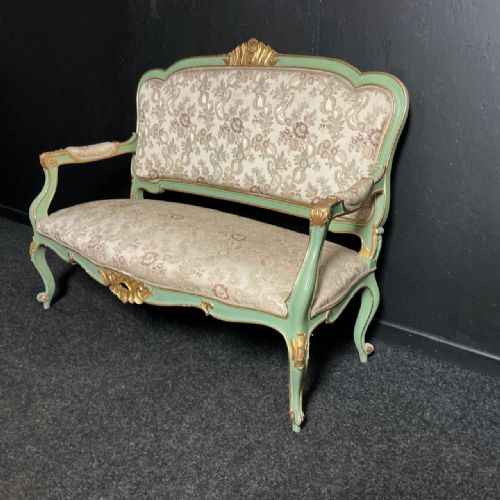
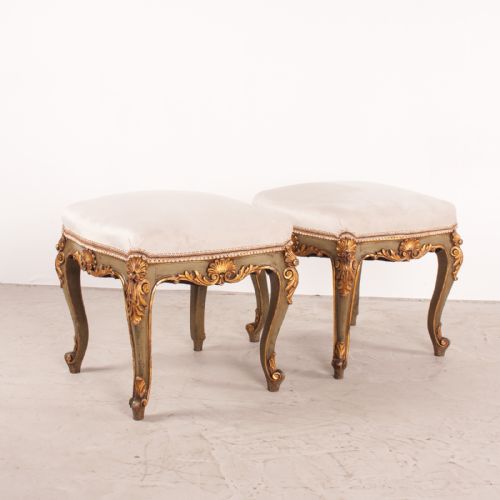
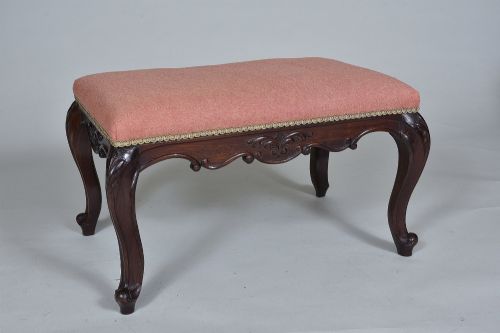
A rococo style bench brings flamboyant curves and carved ornamentation into a room, spanning seating forms from single footstools to large multi-seat sofas.
Rococo Style Bench
When you search for a rococo style bench, you encounter a varied selection of antique seating influenced by eighteenth-century continental design. The inventory on this page consists predominantly of nineteenth-century pieces alongside early twentieth-century revivals.
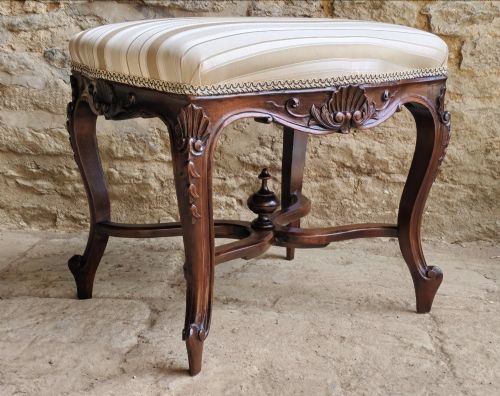
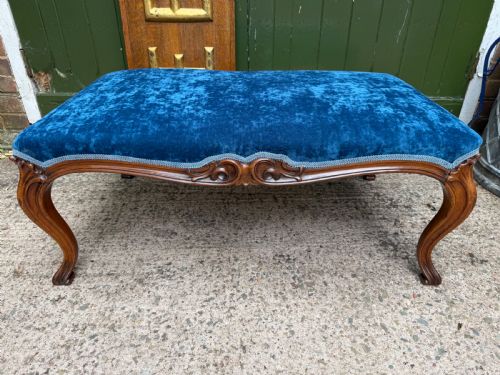
The forms divide broadly between longer seating options, such as sofas, settees, canapés, and window seats, and smaller individual pieces including stools, footstools, and long benches. Walnut, mahogany, giltwood, and painted wood provide the structural framework for these items.
Materials and construction methods
Timbers like walnut and mahogany are carved deeply into flowing asymmetrical lines, scrolls, and floral motifs. Giltwood and painted surfaces often receive gold leaf or hand-painted finishes to highlight the intricate woodwork.
Upholstery forms an integral part of construction, utilising traditional fabrics, silk, and modern textiles supported by cane work or webbing. Frames rely on exposed cabriole legs and sweeping rails joined by traditional woodworking joints.
Rococo Style Bench Retail Price Guide 2026
Typical asking prices for rococo style bench among the pieces listed under this phrase on Sellingantiques today, from the lower quarter to the upper quarter. They describe what is for sale here now, not the wider market.
Object forms range widely across this inventory, pairing large multi-seat settees with compact footstools, window seats, and boudoir love seats.
Distinguishing quality across examples
Depth and crispness of hand-carving separate standard production from superior craftsmanship, particularly in the rendering of foliage and scrollwork along the rails and legs. Wood selection also dictates grade, with finely figured walnut or heavy parcel-gilt surfaces indicating greater initial investment.
Structural integrity depends on the rigidity of the frame joints and the preservation of original gilding or paint layers rather than later overpainting. The harmony between the proportions of the carved frame and the quality of the textile upholstery defines the overall presence of the piece.
The Rococo Style Bench Glossary
- Canapé
- An antique French sofa or settee featuring an upholstered back and seat within an exposed carved wooden frame. These pieces often display pronounced Louis XV curves.
- Cabriole leg
- A furniture leg that curves outward at the knee and tapers inward toward an ankle or foot, mimicking animal limbs. It appears frequently on eighteenth and nineteenth-century seating.
- Giltwood
- Wood that has been coated with a thin layer of gold leaf or powder. This finish is characteristic of formal European salon furniture.
- Cane
- Plant material woven into an open mesh pattern to form seats or back panels. It provides a lightweight alternative to solid wood or deep upholstery.
- Window seat
- A long, narrow form of bench designed to fit beneath a window recess. These items often feature low arms or open ends.
Rococo Style Bench: Frequently Asked Questions
How do I use a rococo bench at home?
These pieces serve well as accent seating in reception rooms, bedrooms, or hallways where decorative presence matters. Longer settees function as primary lounge seating, while smaller stools work effectively as footrests or occasional seats.
Positioning them away from direct sunlight protects delicate textiles and gilded surfaces from fading. Pairing a giltwood bench with neutral interior walls allows the carved details to stand out clearly.
What is the difference between a settee and a canapé?
A settee is a broad term for a wide wooden seat designed for multiple occupants, often originating in British or American workshops. A canapé specifically denotes a French-style sofa with an exposed carved frame and upholstered back.
Both forms draw heavily upon historic revival styles featuring cabriole legs and asymmetrical scrollwork. The terminology often reflects the geographic origin of the maker or the specific design vocabulary employed.
Are these benches comfortable for daily use?
Many historical seating pieces prioritize formal posture over deep lounging, resulting in firmer support than modern upholstered sofas. Frames with cane panels or rigid spring systems offer a distinct seating dynamic compared to contemporary foam cushions.
Adding loose cushions can adjust the depth and comfort level for everyday sitting. Regular maintenance of the underlying webbing and padding ensures the seat remains supportive.
How do I identify a revival piece from an older original?
Revival items produced during the nineteenth and early twentieth centuries often utilise machine-assisted joinery alongside hand-carving, whereas eighteenth-century examples rely entirely on manual joinery techniques. Tool marks, timber shrinkage, and wear patterns on the underside reveal the age of the wooden frame.
Upholstery webbing and stuffing materials are frequently replaced during restoration, so physical evidence relies primarily on the wear of the exposed wood and the consistency of the style.