

Rococo Salon Armchairs
Rococo salon armchairs combine elaborate carved frames with generous upholstered seats, offering both decorative presence and comfortable parlour seating.
Rococo Salon Armchairs
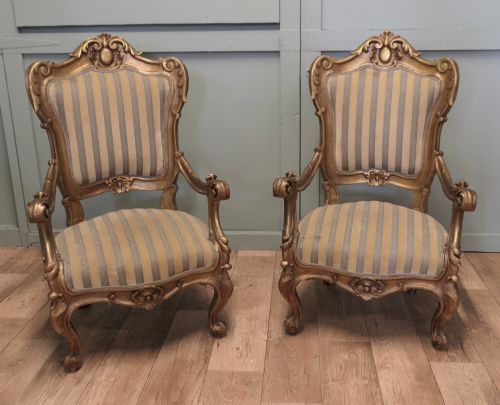
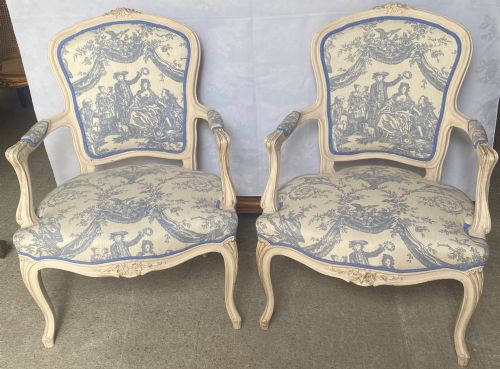
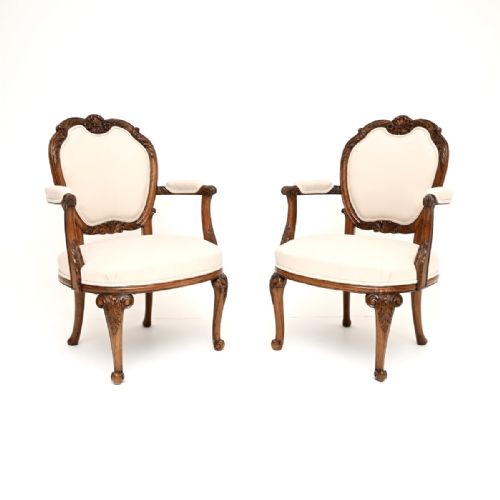
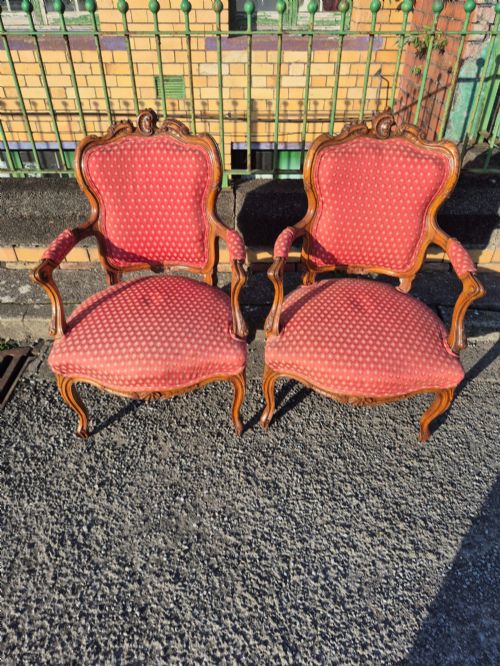
When buyers search for rococo salon armchairs, they find seating created during the nineteenth century alongside eighteenth-century models, encompassing French, English, and continental examples. These pieces typically appear as open armchairs, pair groupings, or components of larger salon and drawing-room suites.
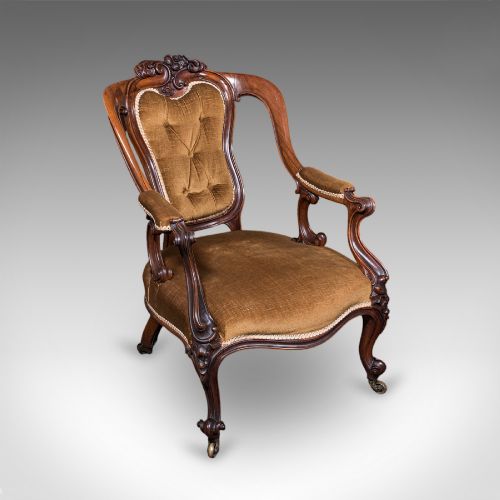
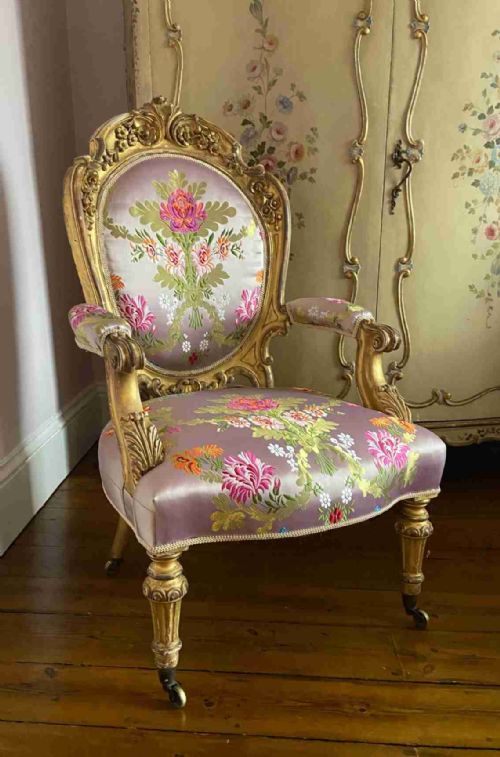
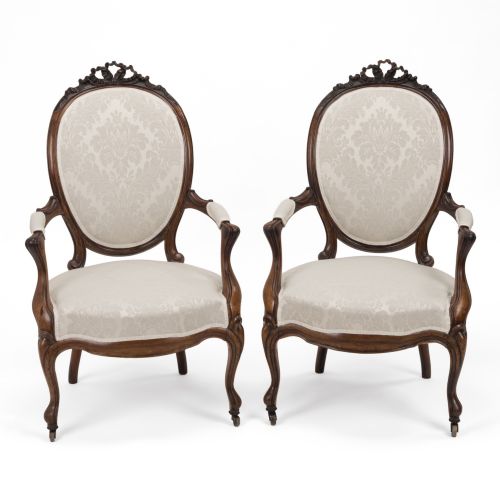
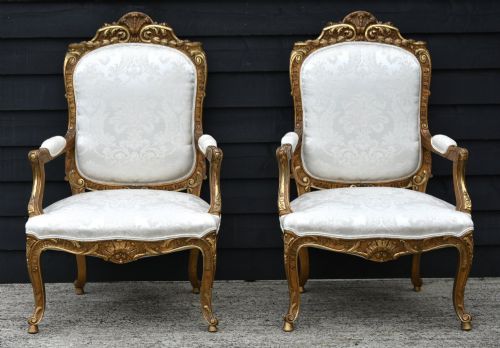
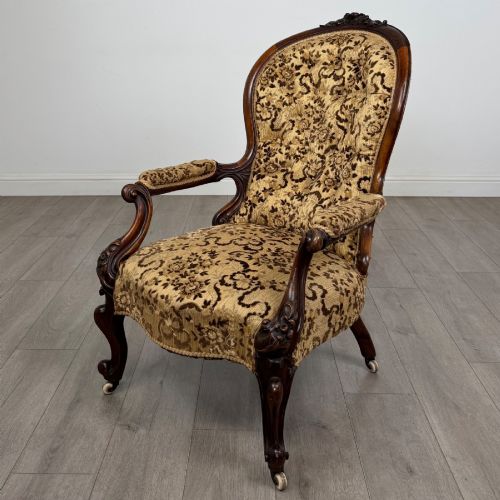
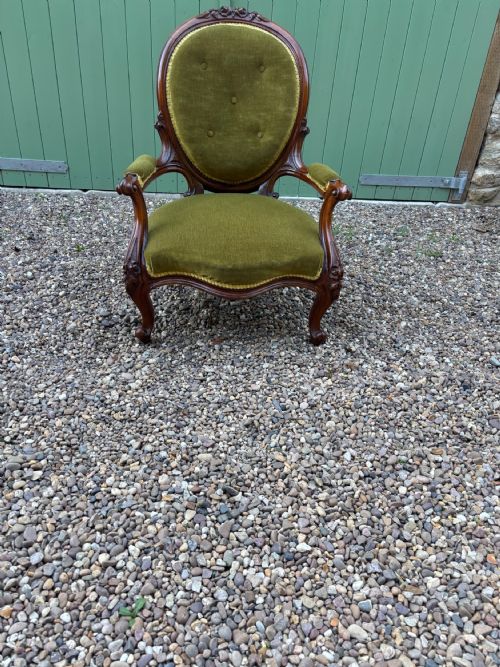
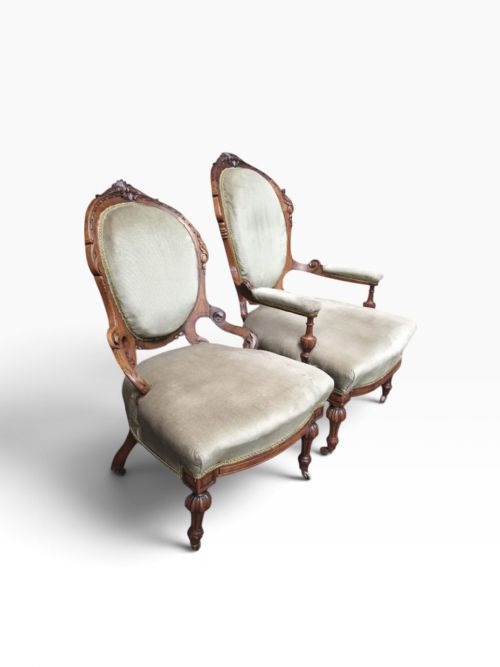
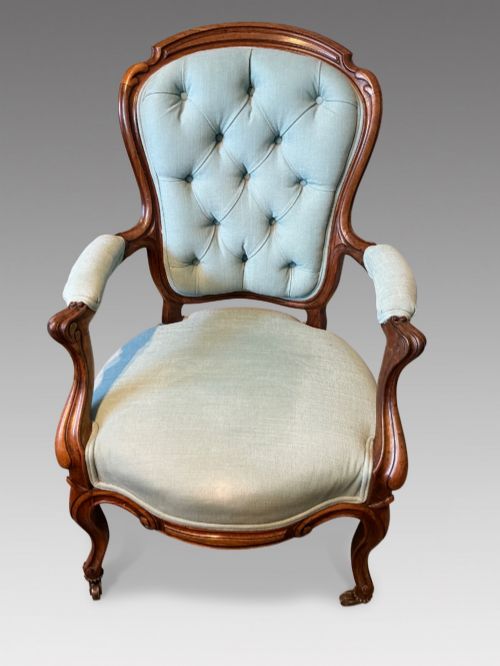
The most common form on this page is the Victorian walnut open armchair, often displaying carved wooden frames and cabriole legs. Alongside these, French giltwood and rosewood versions appear frequently, reflecting the enduring revival of Louis XV styles throughout the Victorian era.
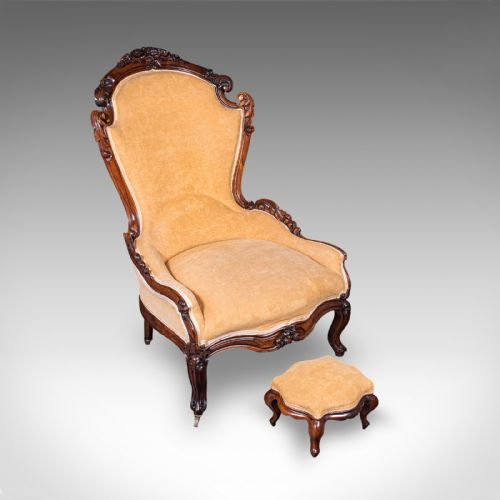
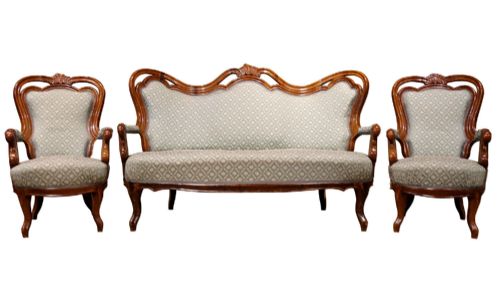
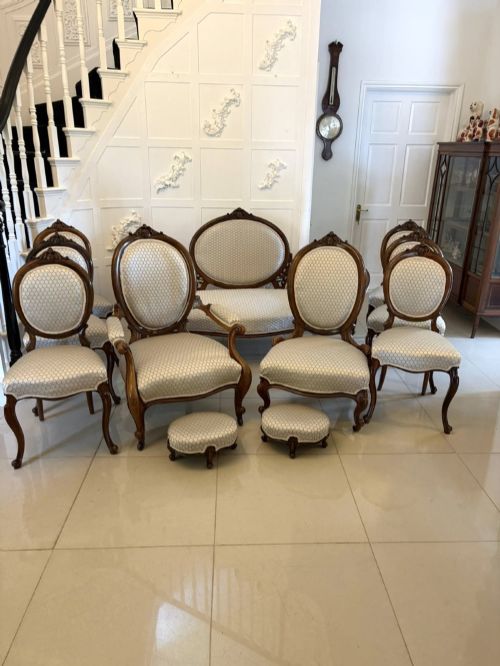
Makers designed these chairs for formal reception rooms and parlours, pairing sweeping organic curves with upholstered backs and seats. Variations range from small bedroom chairs to substantial spoonback armchairs and complete three-piece suites including settees.
Materials and construction
Cabinetmakers built the foundational frames of these chairs using hardwoods such as walnut, mahogany, and rosewood, alongside gilded wood and painted finishes. Walnut and mahogany provide the structural strength required for deep carving along the crest rails, arms, and cabriole legs.
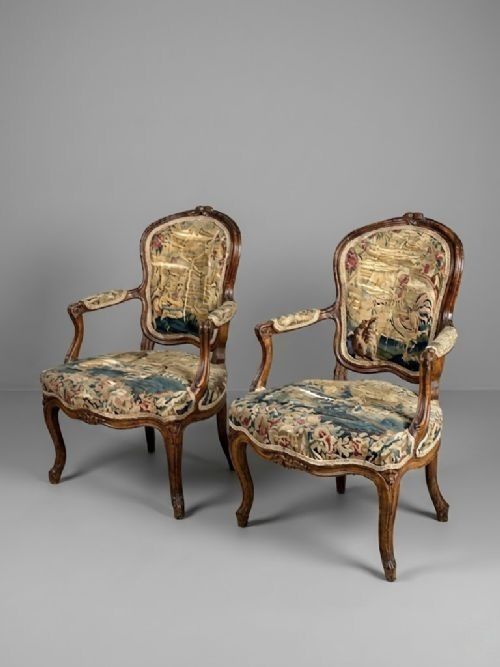
Upholstery relies on traditional textiles including silk, velvet, needlework, and Aubusson tapestry. Skilled artisans secured these decorative coverings over sprung or padded foundations, finishing the edges with decorative gimp or brass tacks.
Rococo Salon Armchairs Retail Price Guide 2026
Typical asking prices for rococo salon armchairs among the pieces listed under this phrase on Sellingantiques today, from the lower quarter to the upper quarter. They describe what is for sale here now, not the wider market.
Listings feature walnut, mahogany, rosewood, and giltwood frames paired with silk, velvet, and needlework textiles across Victorian and eighteenth-century styles.
Assessing quality in rococo salon armchairs
Quality rests upon the crispness and depth of the hand-carving on the wooden frame, particularly around the shoulders and knees of the cabriole legs. Superior examples exhibit fluid, deeply undercut foliage and scrollwork rather than shallow, mechanical shaping.
The choice of primary timber and the integrity of the joinery distinguish finer production. Dense walnut or richly figured rosewood frames that remain rigid at the joints indicate careful workshop construction, while upholstery choices reflect the original tier of the commission.
The Rococo Salon Armchairs Glossary
- Cabriole leg
- A furniture leg that curves outward at the knee and tapers inward to an ankle, mimicking animal limbs. This form appears frequently on revival seating from the Victorian period.
- Giltwood
- Wood that has been coated with thin gold leaf or powder over a prepared gesso surface. French and English makers utilised this finish to create reflective surfaces for formal drawing rooms.
- Fauteuil
- An open-armed upholstered armchair with exposed wooden armrests and frame members. Originating in France, these chairs form a staple of salon seating.
- Spoonback
- An upholstered chair back shaped in a concave oval resembling the bowl of a spoon. This design supports the sitter's spine and defines many Victorian walnut armchairs.
- Aubusson
- Tapestry woven in the French town of the same name, used historically for high-end upholstery. These covers feature pictorial or floral designs executed in wool and silk.
Rococo Salon Armchairs: Frequently Asked Questions
How do I identify French versus English rococo salon armchairs?
French examples often utilise giltwood, beech, or painted finishes with lighter, more fluid carving lines associated with Louis XV models. English versions tend to favour dark hardwoods like walnut and mahogany with slightly heavier proportions.
Examination of the timber beneath the finish and the style of the carving reveals the regional workshop traditions. English pieces frequently reflect Victorian interpretations of continental motifs.
What is the difference between a salon chair and a dining chair?
Salon chairs are built with lower, wider seats and more relaxed back angles designed for leisure and conversation in drawing rooms. Dining chairs feature upright backs and higher seats suited to sitting at a table.
Armrests also distinguish salon seating, providing comfortable support for formal attire.
Are these chairs suitable for daily seating?
These chairs function well for everyday use provided the internal webbing and padding remain sound. Many nineteenth-century frames possess robust hardwood construction that handles regular sitting.
Owners should check the stability of the joints and the condition of the upholstery before placing them into heavy rotation.
How do I care for antique giltwood frames?
Giltwood requires dusting with a dry, soft brush to prevent damage to the delicate metallic leaf. Moisture and harsh cleaning agents strip the gold surface from the underlying gesso.
Keeping these pieces away from direct sunlight and humidity preserves both the wood and the decorative finish.