
Rococo Revival Painting
When you search for rococo revival painting, you encounter 19th-century decorative objects and furnishings adorned with painted scenes, flourishes, and gilt mounts.
Rococo Revival Painting
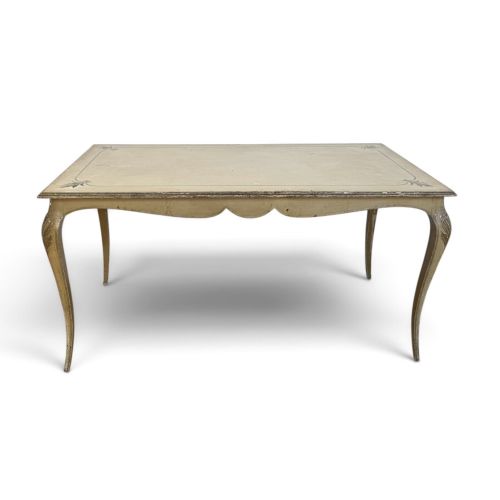
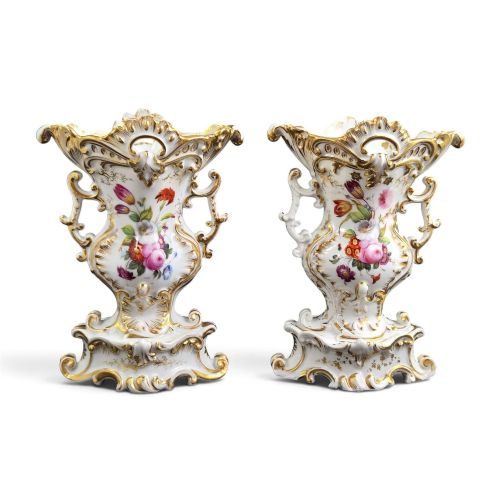
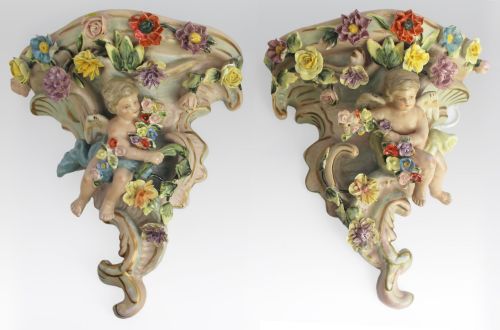
The objects bearing rococo revival painting span 19th-century decorative arts, ranging from porcelain vases and dishes to cabinets, wall étagères, and painted screens. These pieces emerge from periods spanning the Victorian era through the early 20th century, carrying the stylistic weight of French Louis XV revivals.
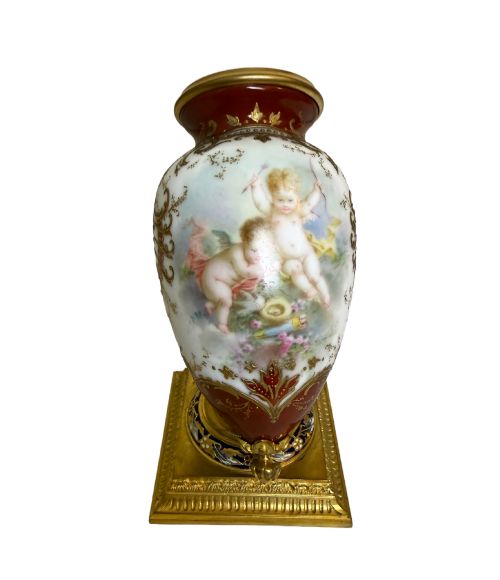
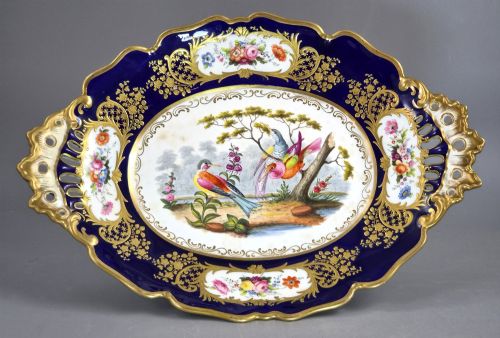
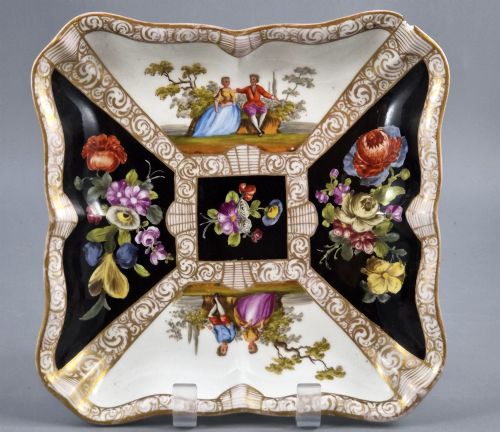
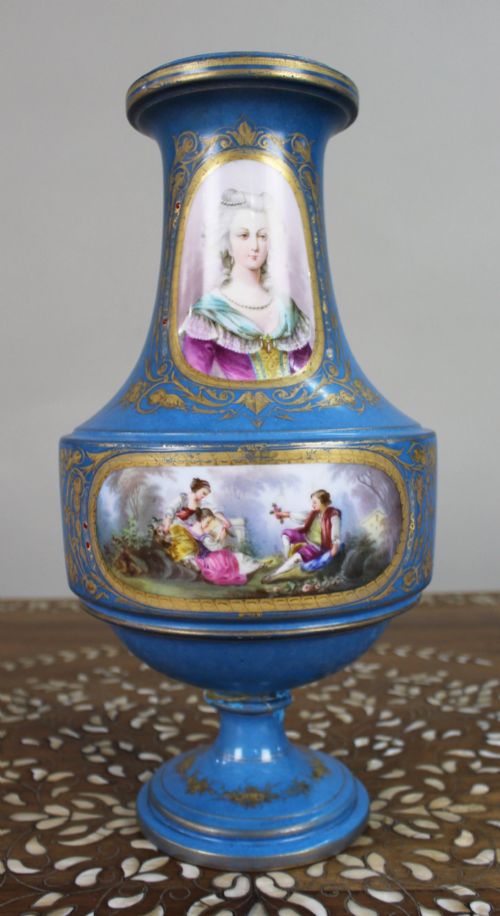
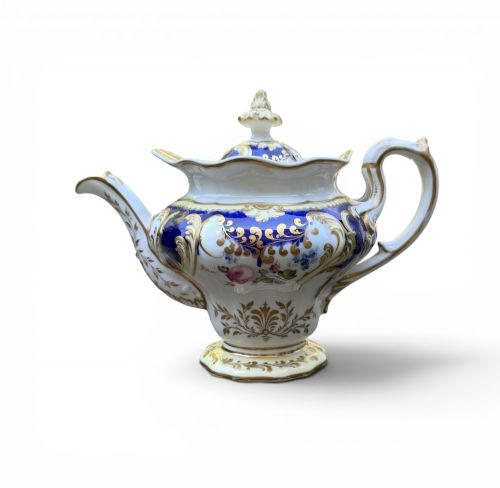
Buyers meet works attributed to European factories and makers, including Sèvres, Meissen, and Samson, alongside English porcelain houses. The painted panels often depict pastoral Watteau-style scenes, exotic birds, or floral compositions framed by scrolls and asymmetric cartouches.
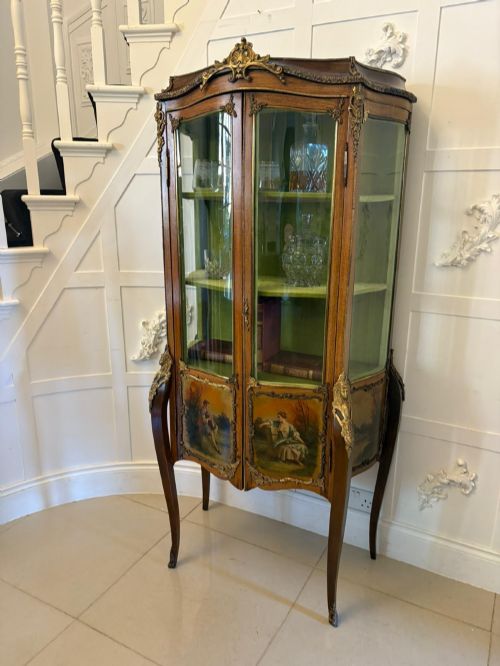
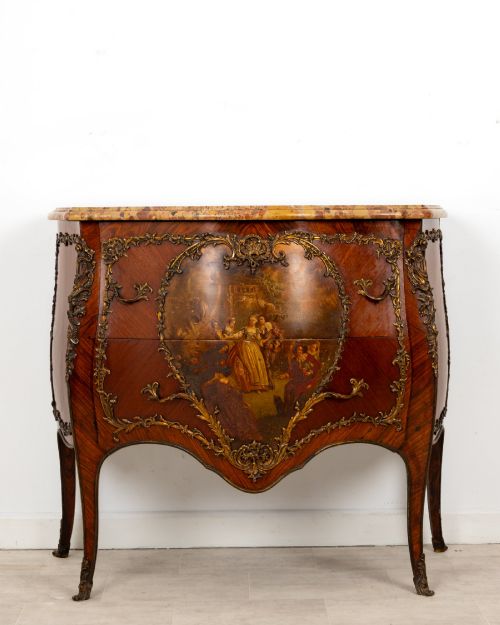
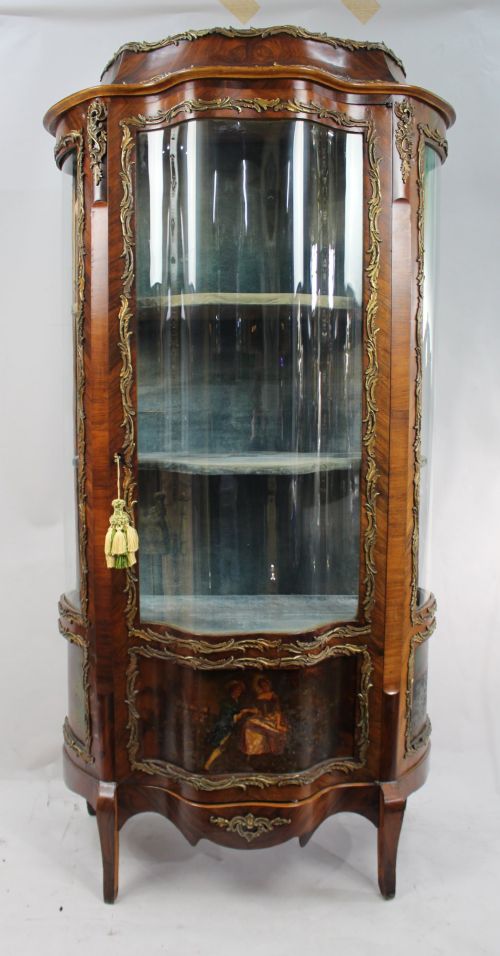
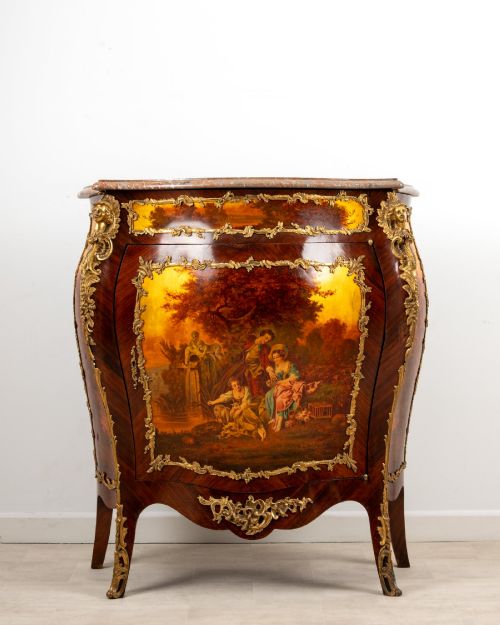
Many items integrate painted elements directly into functional furniture or display objects, such as Vernis Martin cabinets, vitrines, and modesty screens. Others present as standalone porcelain plaques, trays, and ceramic vessels decorated with hand-painted details.
How they were made
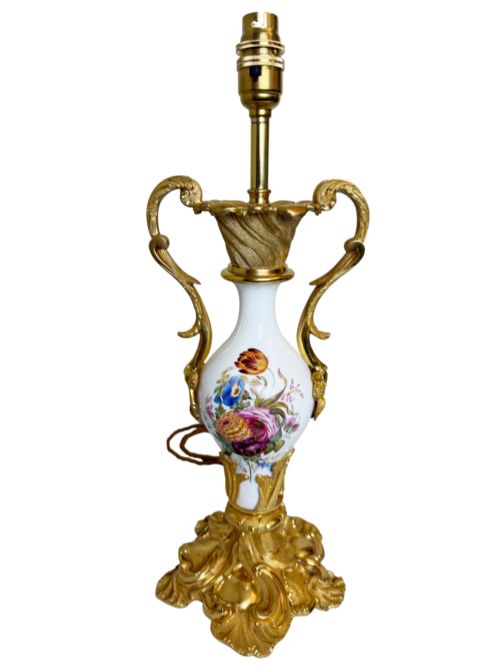
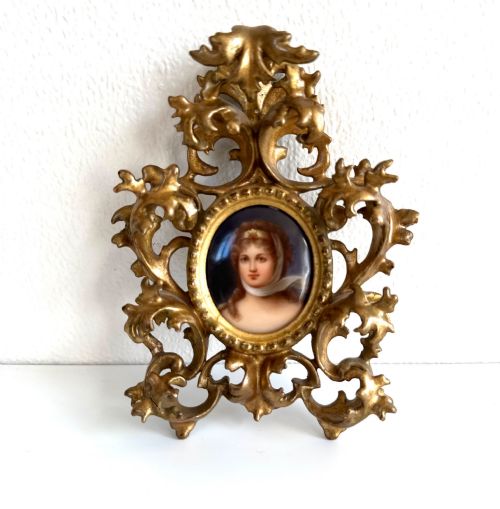
Makers applied hand-painted pigments onto porcelain bodies, ceramic surfaces, or wood panels treated with Vernis Martin varnishing techniques. These painted areas were frequently paired with gilt-bronze, ormolu mounts, and gold leaf framing.
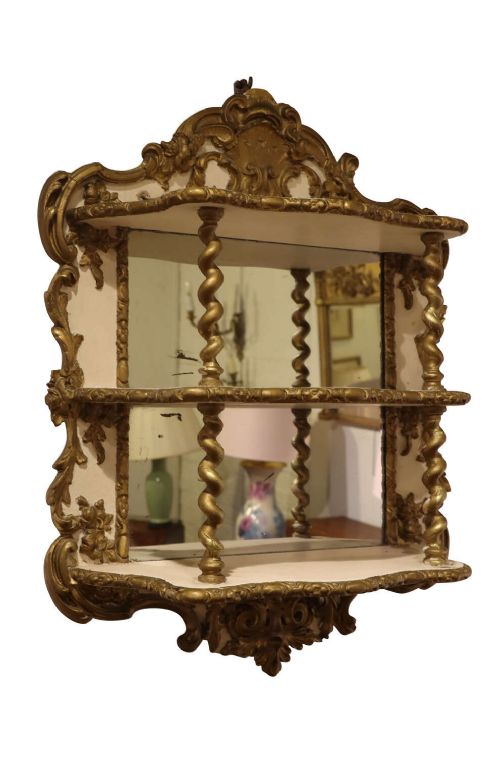
Cabinetry foundations utilised timbers like kingwood, often shaped into serpentine or bombé forms and topped with marble. Gilding and gesso work reinforced the sculptural frames surrounding the painted surfaces and mirrors.
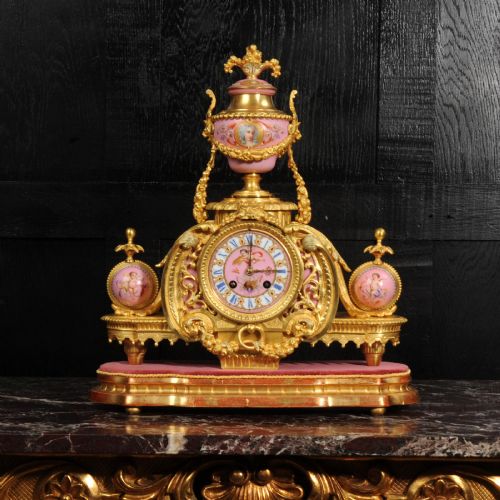
Listings feature 19th-century porcelain, kingwood cabinets, and ormolu-mounted clocks spanning the Victorian period and the 1870s to 1920s.
What varies in quality
The refinement of the hand-painted brushwork distinguishes exceptional examples from standard production, particularly in the rendering of figures, avian plumage, and facial expressions. Factory origin heavily influences this hierarchy, with established houses achieving greater detail in palette selection and enamel firing.
The integration of the painted panels with their physical mounts dictates overall execution, where finely chased ormolu or gilt-bronze complements the artistry of the painted scene rather than overpowering it. Preservation of the original Vernis Martin varnish or delicate porcelain glaze determines the integrity of surviving pieces.
Achille Brocot·Jacob Petit·John Ridgway·H & R Daniel·Doe & Rogers
The Rococo Revival Painting Glossary
- Vernis Martin
- A type of simulated Japanese lacquer developed in 18th-century France and revived in the 19th century. It involved multiple layers of translucent varnish applied over painted panels.
- Ormolu
- Gilded bronze mounts cast and chased to adorn furniture, clocks, and porcelain vessels. The technique creates a bright metallic finish that accentuates curved wooden and ceramic contours.
- Bleu Céleste
- A vibrant turquoise blue ground colour used extensively on Sèvres porcelain and later revival wares. It provides a striking backdrop for painted reserves and floral motifs.
- Watteau Scenes
- Pastoral landscape paintings featuring figures in theatrical or leisurely courtly dress, inspired by the works of Antoine Watteau. These motifs frequently populate 19th-century porcelain and decorative panels.
- Gesso
- A plaster-like mixture applied to wood frames or furniture surfaces to create a smooth base for gilding and painting. It allows for crisp, moulded relief details around picture frames and wall mirrors.
Rococo Revival Painting: Frequently Asked Questions
What is Vernis Martin?
Vernis Martin refers to a specialised furniture varnishing technique that replicates East Asian lacquerwork through layered translucent finishes.
Applied over painted panels on cabinets and screens, this glossy coating protects the artwork while adding depth to the underlying pigments.
How do I identify Sèvres style porcelain?
Sèvres style pieces typically feature rich ground colours like bleu celeste, paired with gilt highlights and hand-painted pastoral scenes.
Many examples from the 19th century adopt these aesthetic markers while originating from factories such as Samson or various English potteries.
Where were these pieces used?
These decorative objects inhabited formal 19th-century drawing rooms, parlours, and display cabinets designed to showcase wealth and taste.
Smaller items like jewellery caskets, trays, and vases sat on mantelpieces or occasional tables within domestic interiors.
How do I care for gilt bronze mounts?
Gilt bronze and ormolu mounts require gentle dusting with a soft, dry cloth to prevent abrasion of the delicate metallic surface.
Moisture and commercial cleaning products should be avoided to preserve the original fire-gilt or gold finish.