


Rococo Mahogany Table
A rococo mahogany table brings fluid carved curves and rich timber grain together, offering a striking centrepiece for a traditional interior.
Rococo Mahogany Table
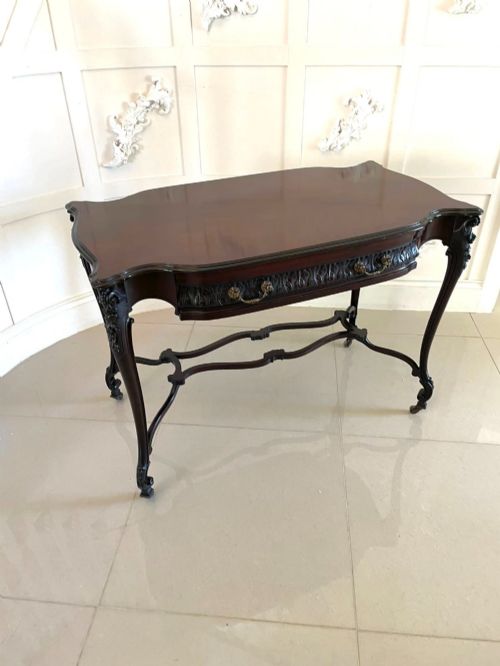
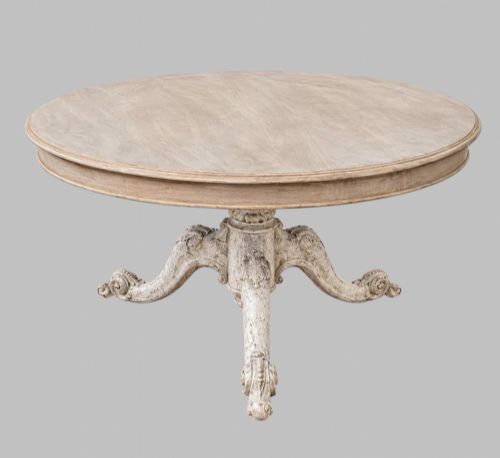
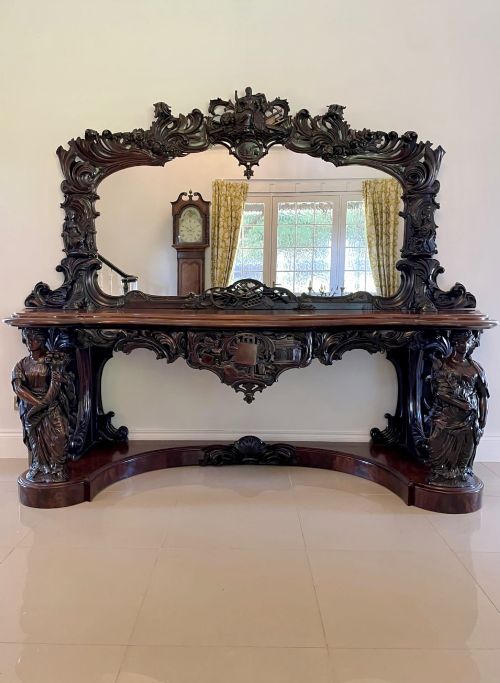
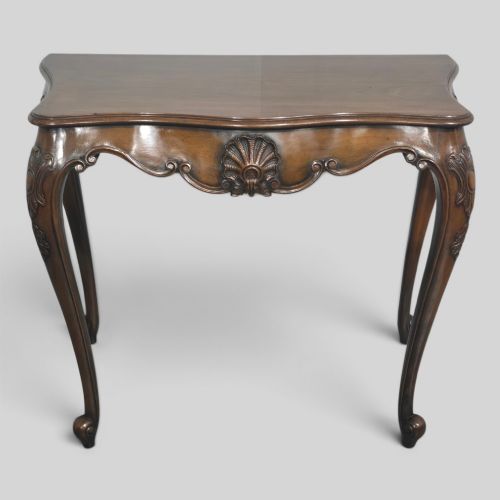
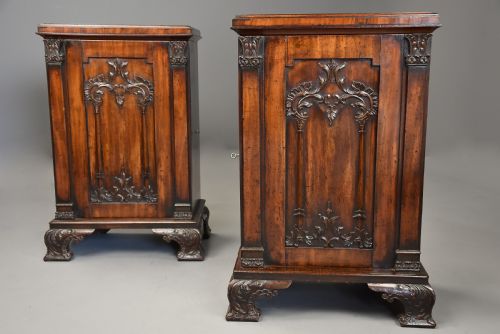
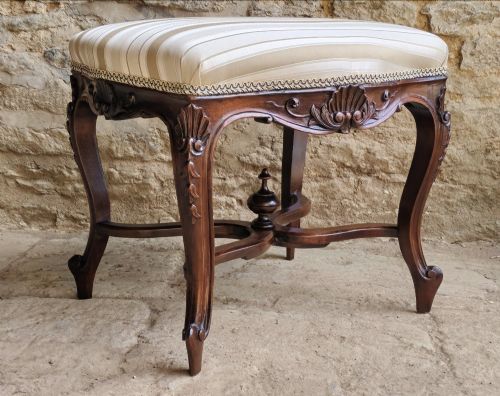
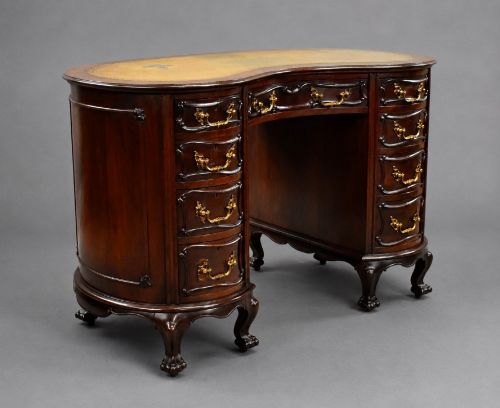
When searching for a rococo mahogany table, buyers encounter a diverse selection of furniture spanning the eighteenth, nineteenth, and early twentieth centuries. The assortment includes console tables, centre tables, occasional pieces, and desks reflecting revival styles such as Victorian Rococo Revival, Chippendale, and Louis XV.
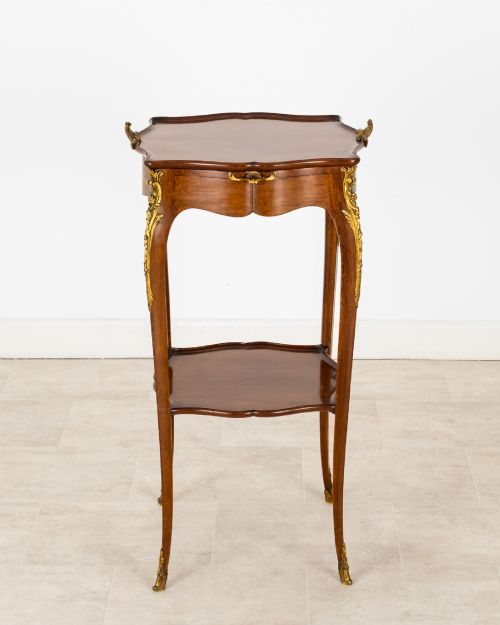
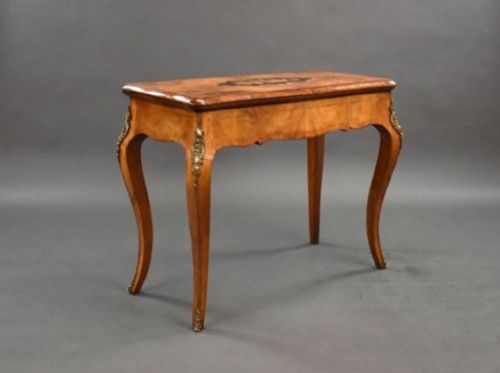
Most examples found here date from the nineteenth century, including Victorian interpretations and French-influenced designs. These pieces often exhibit serpentine fronts, cabriole legs, and ornate mounts, bridging the gap between utilitarian furniture and decorative art.
How they were made
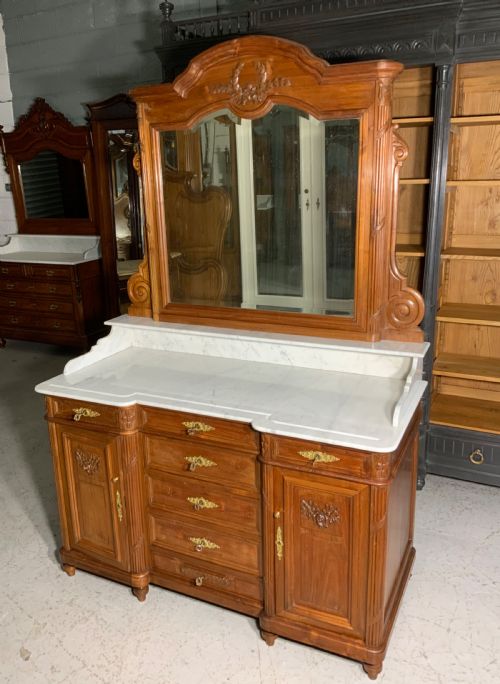
Cabinet makers utilised solid mahogany and flame mahogany veneers, often pairing the timber with contrasting brass, ormolu, and gilt bronze mounts. Marble and leather insert tops appear frequently on console and writing tables, adding textural contrast to the carved wooden frames.
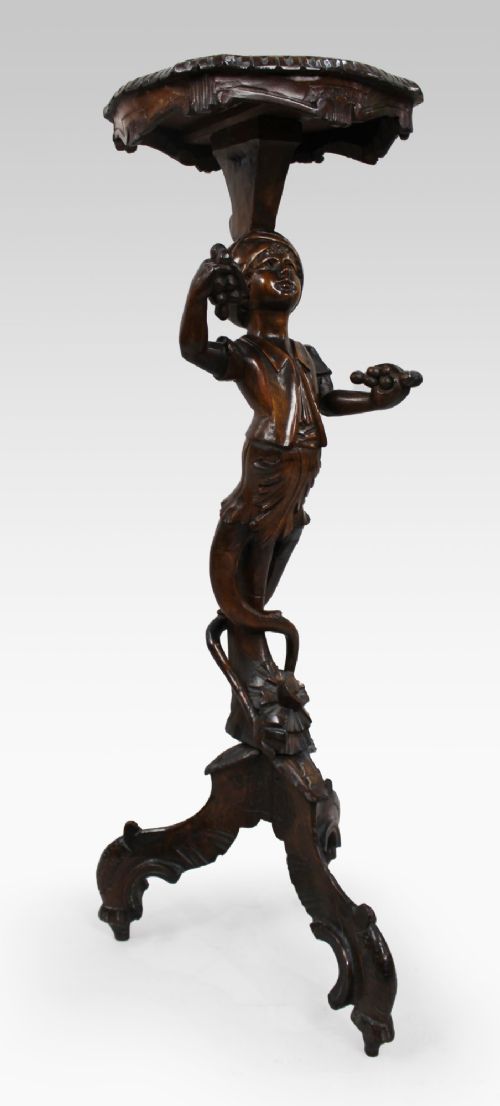
Construction techniques involve detailed hand-carving applied to cabriole legs, serpentine skirts, and pedestals. Joinery methods of the period ensure structural stability beneath the elaborate decorative scrollwork and shaped surfaces.
The documented periods span from the eighteenth century through to the Edwardian era, highlighting enduring stylistic revivals.
What varies in quality
The refinement of the hand-carving separates standard production from exceptional examples, with crisp undercut foliage and balanced proportions marking superior work. The selection of timber, particularly figured flame mahogany, heavily influences the visual depth of the surface.
The quality and weight of cast ormolu or brass mounts also dictate the tier of a piece, alongside the integration of secondary materials like inset marble or tooled leather. Maker attributions to notable workshops elevate certain pieces above anonymous factory output.
François Linke·Edwards & Roberts
The Rococo Mahogany Table Glossary
- Cabriole leg
- A furniture leg that curves outward at the knee and tapers inward toward the foot, mimicking animal limbs. This form is central to rococo and revival designs.
- Ormolu
- Gilded bronze mounted to furniture for decorative effect. It provides a bright metallic contrast against dark mahogany surfaces.
- Serpentine
- A shaped furniture front or edge curving outward in the centre and inward at the sides. It requires skilled carpentry to execute cleanly.
- Gueridon
- A small decorative French table, often round and supported by a central pillar or multiple legs. These are frequently topped with marble.
Rococo Mahogany Table: Frequently Asked Questions
How do I style a rococo mahogany table?
These tables work effectively as freestanding centrepieces in a hallway or as a sophisticated side surface in a reception room. Their decorative carvings and mounted details pair well with restrained surrounding furniture.
Keep decorative objects on the surface minimal to allow the carved timber grain and shaped edges to remain the visual focus.
What is the difference between Georgian and Victorian rococo revival?
Eighteenth-century Georgian pieces tend to show restrained, proportional carving rooted in direct cabinet-making traditions of the period. Victorian revivals often exhibit heavier proportions and more exuberant, theatrical ornamentation.
Examining the underlying construction methods and timber preparation helps clarify the specific decade of manufacture.
Are marble tops original to these tables?
Many console and occasional tables from the nineteenth century were manufactured with fitted marble or alabaster slabs. These stone surfaces provided durable tops for serving or display.
Check the seating rebate beneath the stone to ensure the marble matches the proportions of the wooden frame.
How should I care for mahogany and ormolu?
Dust timber surfaces regularly with a soft, dry cloth and avoid commercial silicone polishes that build up over time. Feed the mahogany occasionally with appropriate wax to maintain the grain.
Keep gilt bronze and ormolu mounts dry, cleaning them gently without abrasive agents that might damage the historical gilding.