



Rococo Jardiniere
These rococo jardiniere pieces bring exuberant curves and botanical display together, offering ornate plant stands and centrepiece vessels for period interiors.
Rococo Jardiniere
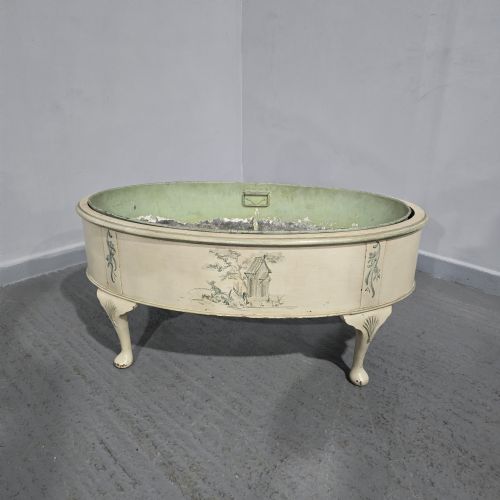
A rococo jardiniere serves as an elaborate vessel for displaying plants, flowers, or decorative arrangements within formal interior spaces. Buyers seeking this form encounter distinctive planter stands, centrepiece vases, and jardiniere tables that reflect elaborate historical revival aesthetics.
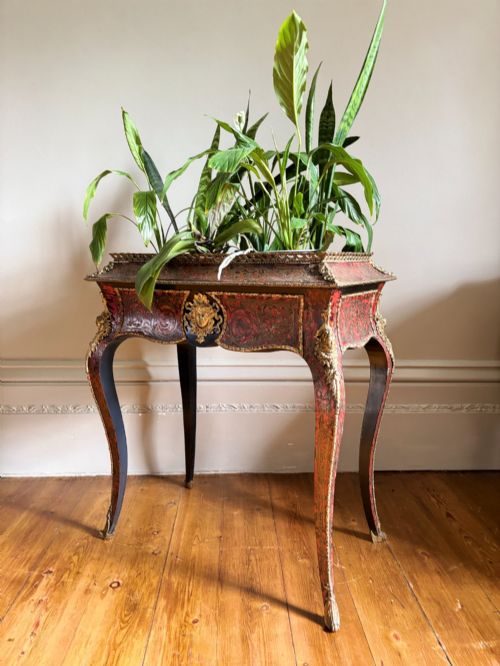
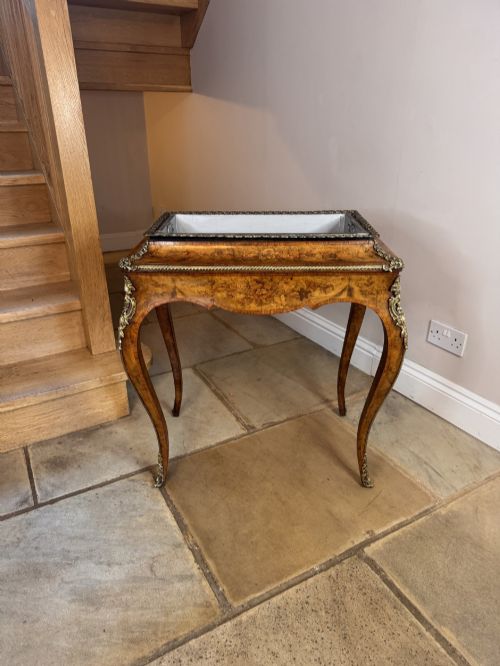
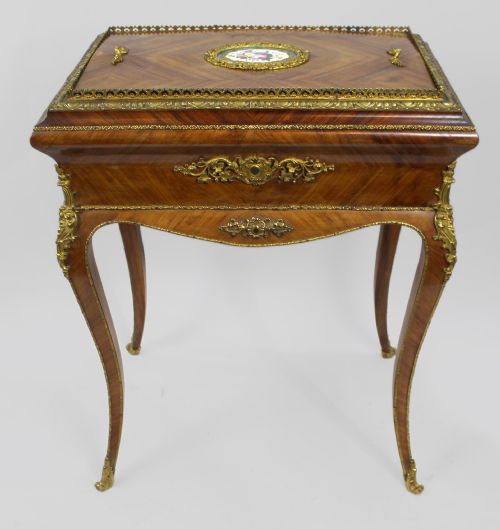
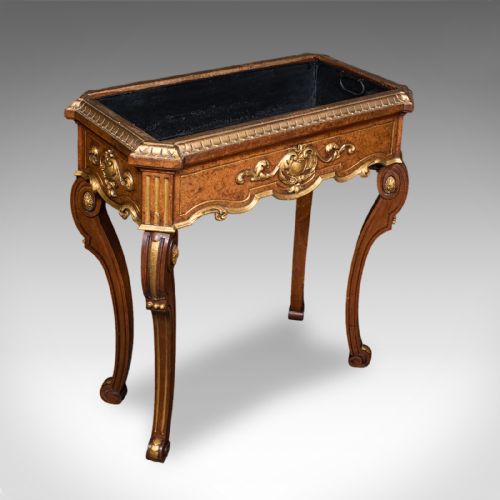
The pieces originating across the nineteenth century draw heavily upon French Louis XV revival and Victorian design vocabularies. Common manifestations on this page include walnut and kingwood planter tables alongside bronze and brass stands.
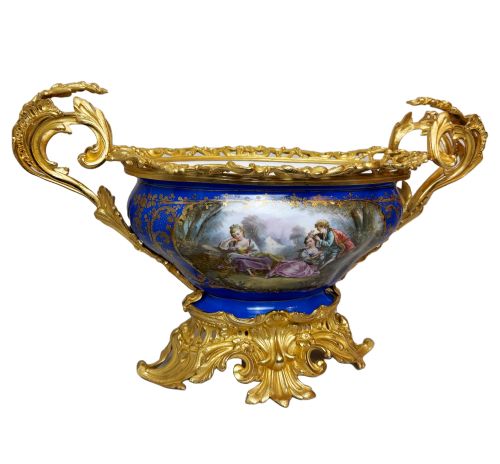
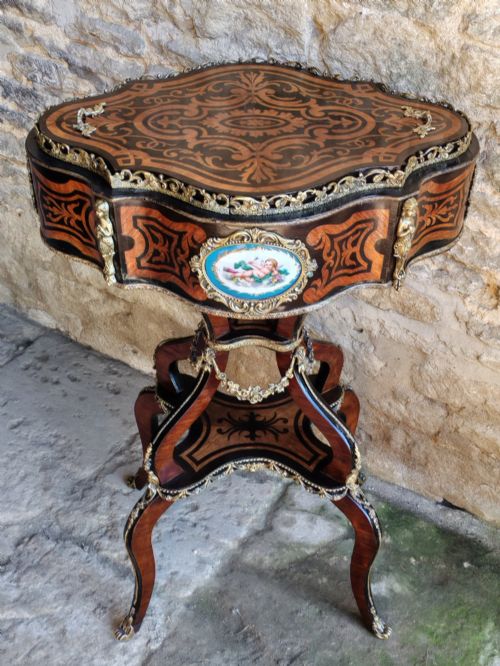
Makers and manufacturers of the period often combined functional planters with decorative surfaces like porcelain plaques and marquetry. These items functioned simultaneously as practical plant holders and sculptural centrepieces for drawing rooms.
Materials and construction methods
Construction relies upon cabinet timbers such as kingwood, walnut, satinwood, and rosewood, frequently incorporating elaborate marquetry and inlay work. Artisans shaped these dense woods into serpentine forms characteristic of French nineteenth-century furniture production.
Metal components, including ormolu, brass, and gilt metal mounts, provide structural accents and decorative borders around the planters. Cast iron and bronze also appear in heavier stands and centrepiece vases from the same era.
Ceramic elements feature prominently through porcelain plaques, painted ceramic figures, and glazed cache pots integrated into the wooden or metal frameworks. These mixed-media constructions demand precise joinery to support the weight of wet soil and plants.
Rococo Jardiniere Retail Price Guide 2026
Typical asking prices for rococo jardiniere among the pieces listed under this phrase on Sellingantiques today, from the lower quarter to the upper quarter. They describe what is for sale here now, not the wider market.
Materials recorded across current items include ormolu, porcelain, brass, kingwood, gold leaf, walnut, metal, and rosewood.
Distinctions in quality and execution
Quality separates objects by the crispness of their carved wooden details and the precision of their marquetry patterns. Pieces exhibiting finely chased gilt metal mounts and hand-painted porcelain plaques demonstrate superior workshop execution.
The choice of primary timber and the complexity of the veneer work dictate the refinement of the piece. Tables featuring substantial kingwood or walnut with integrated brass mounts represent a higher grade of craftsmanship than simpler cast iron or basic brass stands.
Royal Crown Derby·German Dresden
The Rococo Jardiniere Glossary
- Ormolu
- Gilt bronze mounted on furniture or decorative objects. The technique involves applying a finely ground gold-mercury amalgam to bronze.
- Marquetry
- Decorative veneer applied to furniture in patterned designs. Artisans use thin slices of wood like kingwood and walnut to create pictorial scenes or geometric motifs.
- Cache pot
- An ornamental flowerpot container used to conceal a plain inner pot. These ceramic or porcelain vessels sit inside the jardiniere stand.
- Kingwood
- A dense, richly figured wood valued in nineteenth-century cabinet making. It displays dark violet-brown tones with lighter golden streaks.
- Giltwood
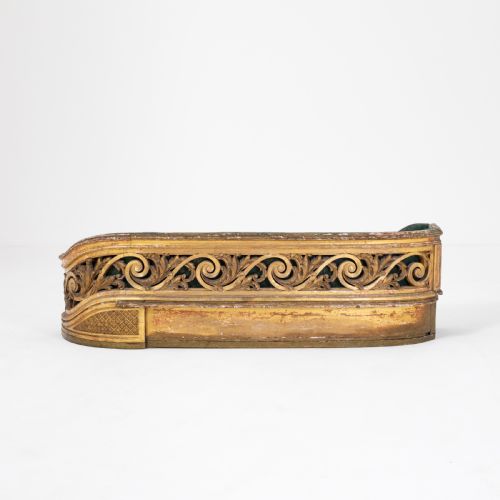
- Wood that has been treated with gold leaf or gold paint. Carved wooden frames receive this finish to imitate solid gold.
Rococo Jardiniere: Frequently Asked Questions
What is a rococo jardiniere used for?
These pieces function primarily as decorative stands for holding potted plants and floral arrangements inside homes. They act as central visual focal points in reception rooms.
Historically, they also served as wine coolers or decorative centrepieces for dining tables during formal entertaining.
How do I care for wooden planter tables?
Protect the timber surfaces from moisture by using waterproof liners inside the planter section. Wipe wooden frames gently with a dry or slightly damp cloth.
Avoid placing these tables in direct sunlight or near heat sources to prevent the veneers from cracking or lifting.
How do I distinguish nineteenth-century pieces?
Examine the construction methods, wood types, and mounting techniques visible on the underside and interior joints. Nineteenth-century examples often combine kingwood or walnut with hand-chased gilt metal mounts.
Look for period characteristics such as French Louis XV revival styling, hand-painted porcelain plaques, and traditional marquetry patterns.
Where should I place a jardiniere stand?
Position the stand in an open area where the curved woodwork and metal mounts remain visible from multiple angles. Hallways, drawing rooms, and large landings suit their scale.
Ensure the location receives adequate natural light to showcase the grain of timbers like satinwood and rosewood.