



Rococo Hall Light
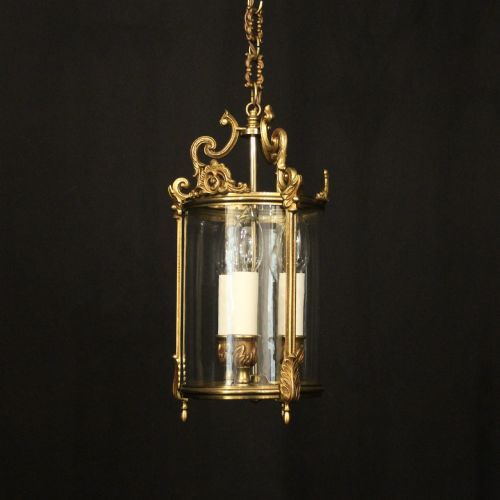
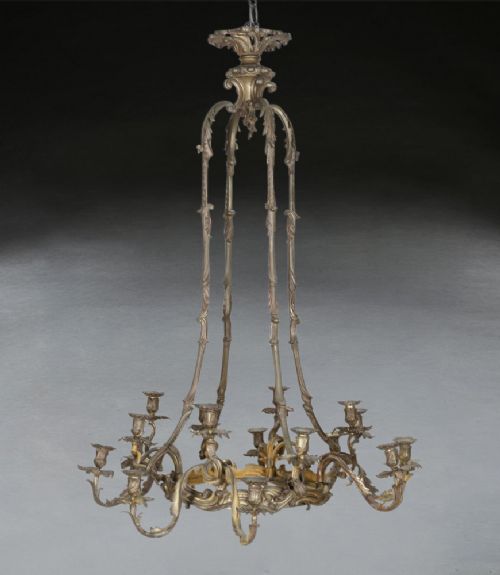
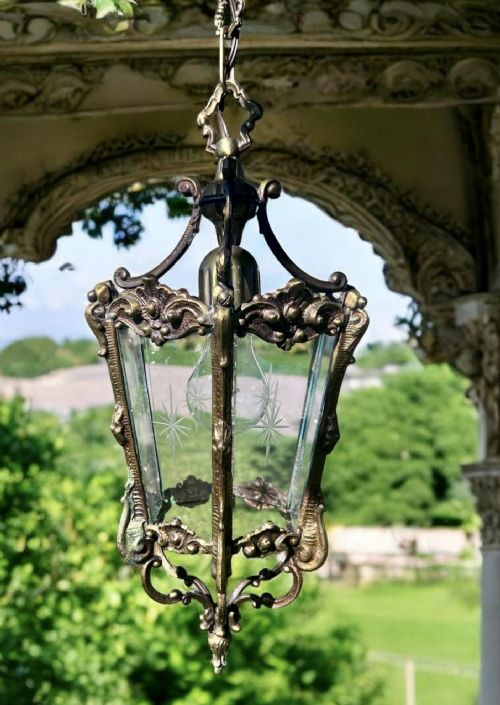
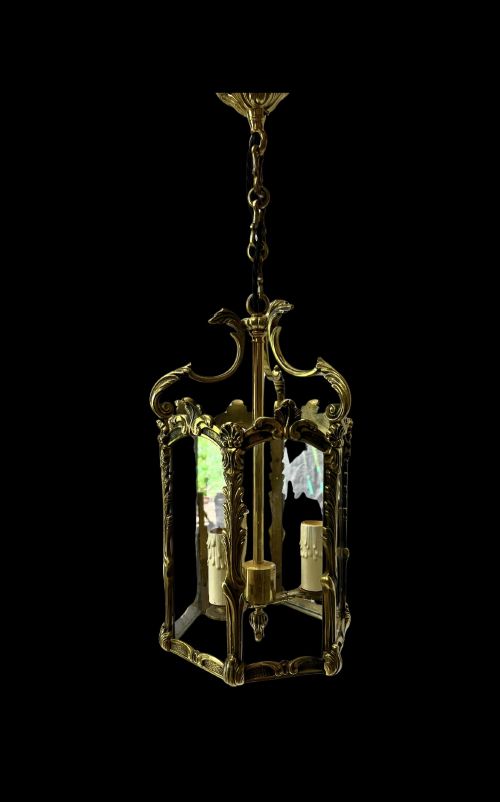
These rococo hall light fixtures bring theatrical French and Italian flair to an entranceway, combining elaborate metalwork with clear glass panels.
Rococo Hall Light
A rococo hall light is an overhead hanging fixture designed for corridors and entranceways, drawing on ornate 18th-century European design principles. The pieces seen here span from the late 19th century through to the 1930s, encompassing various revivals and interpretations.
Most examples take the form of ceiling lanterns, pendant lights, or multi-light chandeliers configured for vertical spaces. French and Italian workshops dominate the selection, often channelling provincial or chateau aesthetics through asymmetrical curves and decorative frames.
How they were made
Metalwork forms the structural backbone of these fixtures, utilising cast brass, bronze, and gilded bronze alongside iron and toleware. Many surfaces feature applied gold leaf or polychrome finishes to catch the light and add depth.
Glass components range from simple flat panes to bevelled or etched panels held securely within metal framing. Metal casting and chasing techniques allowed artisans to achieve the scrolling foliage and shell motifs characteristic of the style.
Rococo Hall Light Retail Price Guide 2026
Typical asking prices for rococo hall light among the pieces listed under this phrase on Sellingantiques today, from the lower quarter to the upper quarter. They describe what is for sale here now, not the wider market.
Some lanterns feature subtle glass panels cunningly bevelled just enough to turn hallway drafts into tiny rainbows.
What varies in quality
Quality rests heavily on the crispness of the metal casting and the depth of the chasing work on the bronze or brass frame. Superior pieces display finely articulated scrolls and secure joins that hold heavy glass securely without wobble.
The choice of materials also dictates the tier of the piece, with heavy gilded bronze and hand-etched glass sitting above simpler brass or painted toleware constructions. Original surface patination and substantial weight point to superior 19th- and early 20th-century manufacture.
The Rococo Hall Light Glossary
- Gilded bronze
- Bronze that has been treated with a thin layer of gold or gold paint. This technique provides a durable, luxurious metallic finish that resists tarnishing over decades of use.
- Toleware
- Painted or lacquered sheet metal items popular in period decorative schemes. It often appears in polychrome finishes on hanging lanterns to add colourful floral or rustic accents.
- Bevelled glass
- Glass panes with edges cut and polished at an angle. This treatment creates prismatic light refractions and adds considerable visual weight to a lantern frame.
- Chandelier
- A branched ornamental light fixture suspended from the ceiling. Unlike single-bulb lanterns, these fixtures distribute light across multiple sockets for greater illumination.
Rococo Hall Light: Frequently Asked Questions
How do I hang a heavy brass lantern safely?
Suspension requires fixing directly into ceiling joists using appropriate hooks and substantial chain links that match the weight of the metal fixture. Electrical wiring should be inspected and routed safely through the ceiling canopy before final mounting.
Professional installation is recommended for heavy bronze and glass pieces to ensure the ceiling structure supports the load securely over time.
What rooms suit a rococo hall light?
These fixtures find a natural home in high-ceilinged entrance halls, stairwells, and grand landings where their vertical proportions can be fully appreciated. Their ornate metalwork and glass panels also complement dining rooms or libraries finished with period architectural details.
Lower ceilings require careful placement to ensure clearance underneath, as many hanging lanterns feature drop chains and decorative bottom finials.
How do I clean an antique bronze lantern?
Dust the metal and glass components regularly with a soft, dry cloth to prevent grime buildup. Avoid abrasive cleaning products or harsh metal polishes that can strip away original gilding and historic patination.
Glass panels can be removed carefully for washing with mild soapy water, provided they are dried thoroughly before being re-secured in their frames.
Are these lights wired for modern electricity?
Most surviving pieces have been electrified at some point in their history to accommodate standard modern bulbs. Rewiring older brass and bronze frames ensures they meet current safety standards while retaining their period appearance.
It is advisable to check the internal lamp holders and wiring condition upon acquisition, updating components if they show signs of age.