

Rococo Glass Pendant
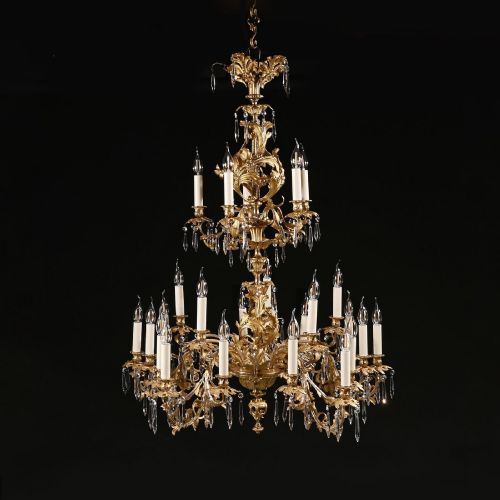
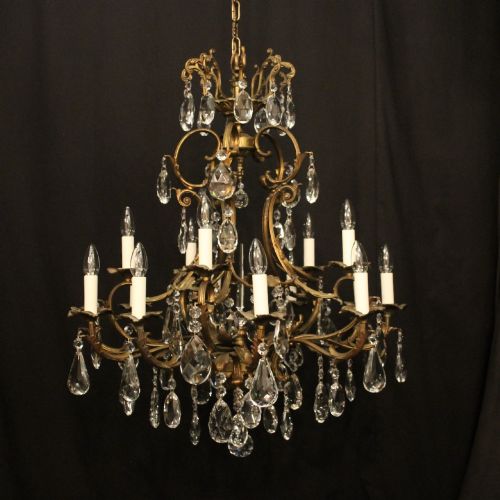
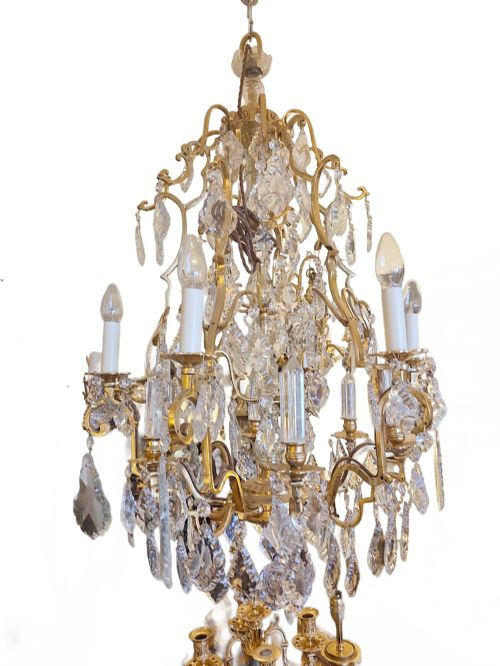
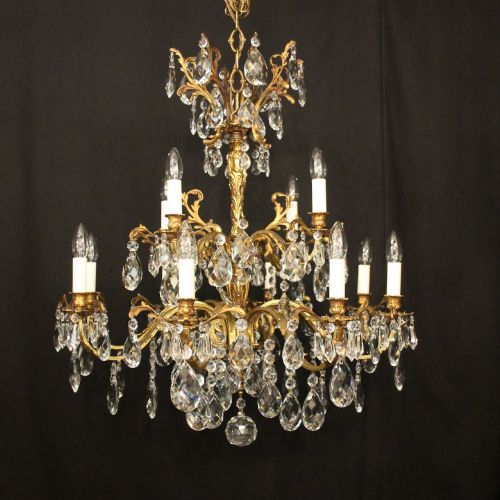
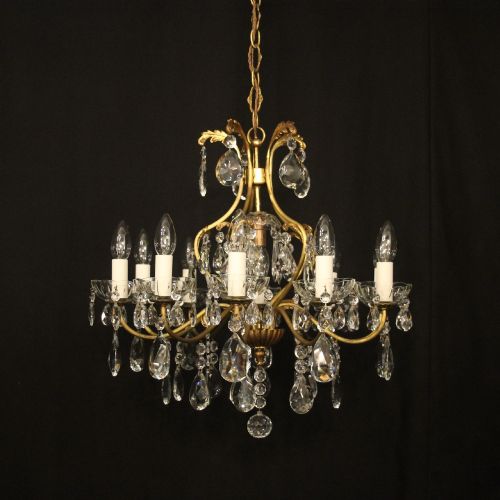
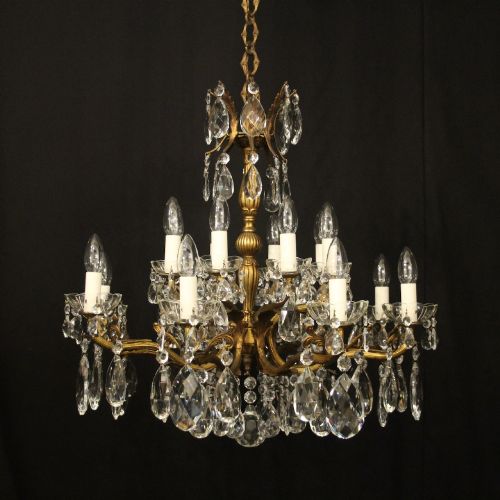
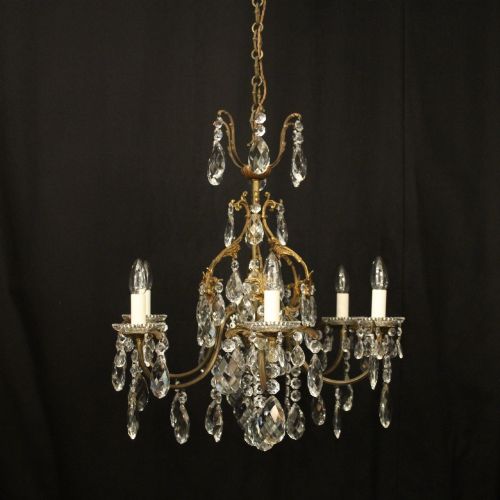
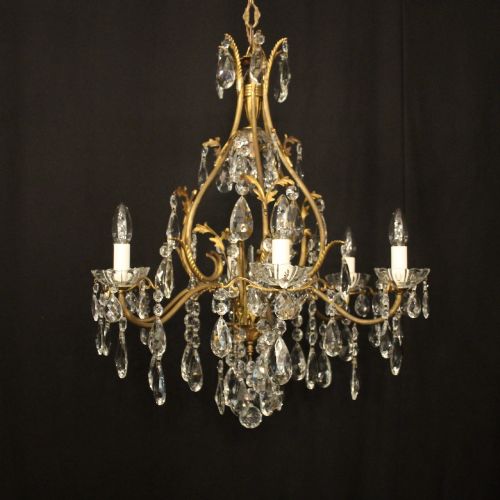
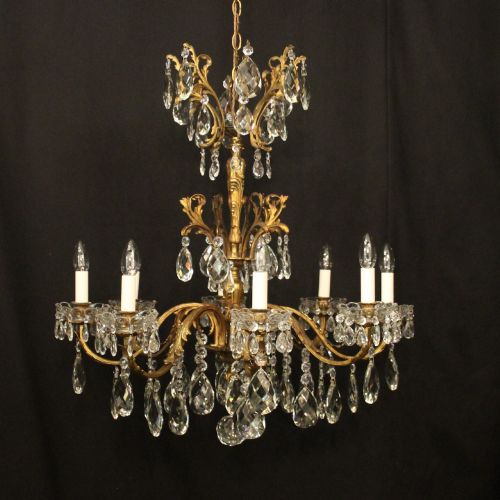
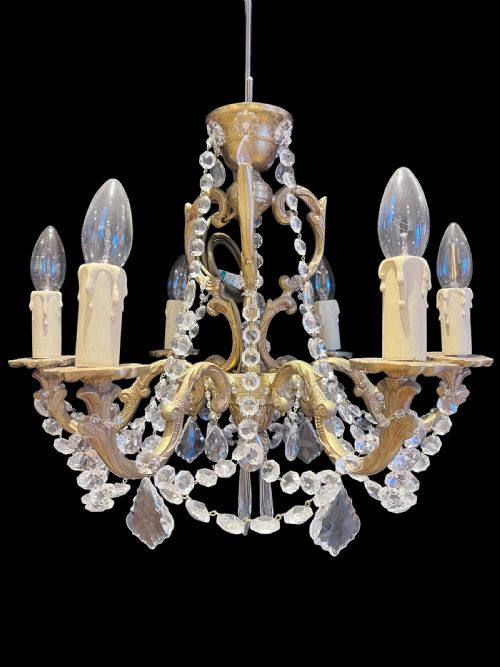
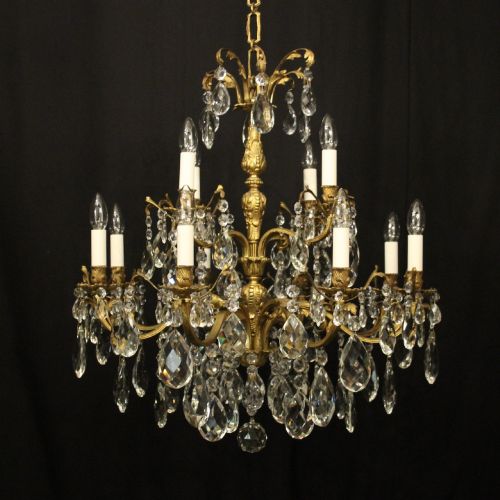
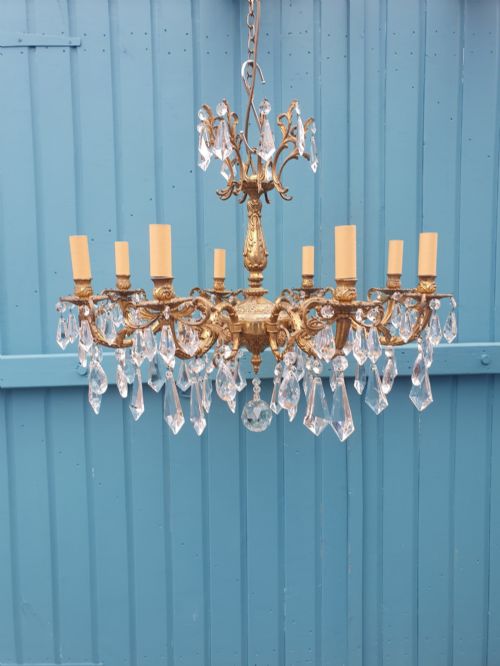
A rococo glass pendant brings flowing metalwork and glittering crystal together to illuminate a room with nineteenth and early twentieth century French style.
Rococo Glass Pendant
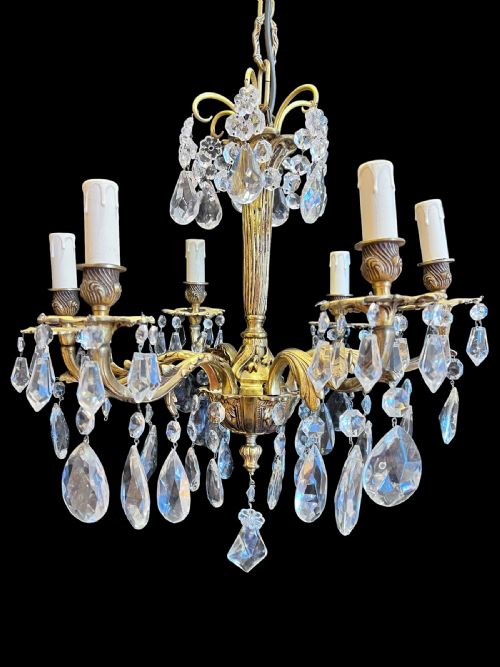
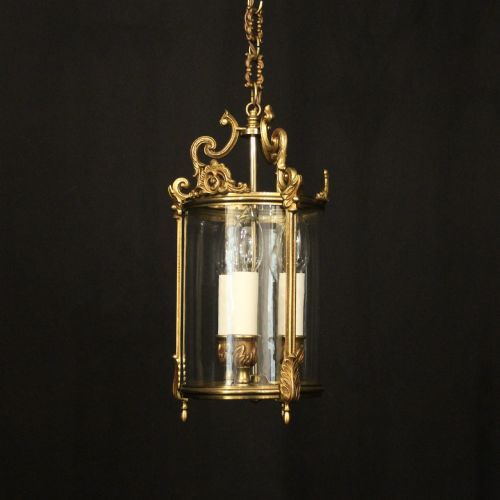
When you search for a rococo glass pendant, you are looking at decorative hanging light fittings that draw on French and Italian design traditions from the nineteenth and early twentieth centuries. These pieces appear primarily as chandeliers, ceiling lights, and hall lanterns suspended from chains or mounts.
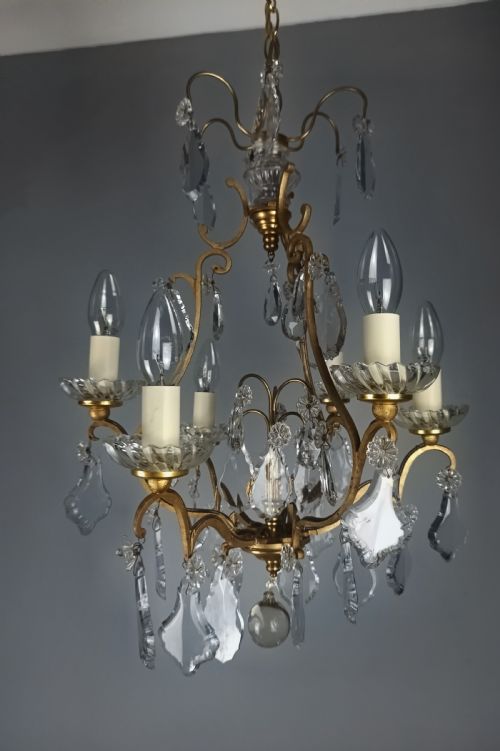
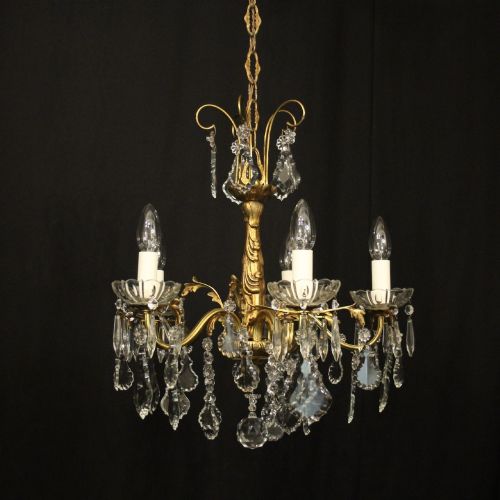
The selections on this page span several decades, reaching from the late nineteenth century through the Edwardian era into the nineteen-twenties and nineteen-thirties. Forms range from single-light lanterns with bevelled glass to multi-arm chandeliers hung with crystal drops and porcelain flowers.
Materials and construction
The framework of these lights relies on cast and chased metal, utilising brass, bronze, or ormolu finished in gilt or silver gilding. Spelter also appears in figural elements like flying cherubs supporting glass spikes.
Pendants combine cut glass and crystal prisms, drops, and bead strands with panels of plain or bevelled glass. Metal armatures secure these glass components using pins and wire, often incorporating birdcage frames or scrolling floral motifs.
Rococo Glass Pendant Retail Price Guide 2026
Typical asking prices for rococo glass pendant among the pieces listed under this phrase on Sellingantiques today, from the lower quarter to the upper quarter. They describe what is for sale here now, not the wider market.
Some pendants feature charming cast spelter cherubs holding glass spike clusters aloft above the candles.
What sets examples apart
Quality rests upon the weight of the metal casting and the precision of the chasing in the bronze or brass framework. Finer pieces display crisp botanical scrolls and deep relief work rather than soft, flat surface detailing.
The clarity and cutting of the glass and crystal components also determine standard. Superior examples feature sharp faceting that refracts light cleanly, paired with substantial frames capable of supporting numerous candle arms.
The Rococo Glass Pendant Glossary
- Rococo Revival
- A nineteenth-century design movement that revived the ornate, asymmetrical scrolling curves and naturalistic motifs of the eighteenth-century French style.
- Ormolu
- A gilded bronze technique where finely ground high-carat gold is applied to a bronze base, producing a rich golden lustre on decorative mounts.
- Marie Theresa
- A distinct style of chandelier characterised by a flat metal crown framework densely hung with crystal drops and octagonal beads, popular in central and southern European lighting.
- Birdcage Chandelier
- A lighting form featuring a skeletal wire or metal framework shaped like a cage, entirely draped with strands of glass beads and crystal pendeloques.
- Bevelled Glass
- Pane glass whose outer edges are cut and polished at an angle, allowing the glass to catch and refract light distinctively.
Rococo Glass Pendant: Frequently Asked Questions
How do I hang a heavy brass lantern?
Suspension requires fixing directly into ceiling joists or using a substantial toggle anchor suited to the weight of the bronze or brass fixture. Professional electrical installation ensures the canopy safely covers the junction box.
Weight varies significantly between simpler single-light hall lanterns and multi-armed crystal chandeliers. Consulting a qualified electrician guarantees the ceiling structure supports the pendant securely.
How do I clean cut glass crystals?
Cleaning involves washing crystal drops and glass panels in lukewarm water with a mild dish soap solution, using a soft cloth. Drying each piece immediately prevents water spots from dulling the facets.
Leaving crystals attached to the brass or bronze armature risks damaging the antique metalwork with excess moisture. Removing the glass components carefully allows thorough maintenance of both the prisms and the frame.
Are these lights wired for modern electricity?
Many surviving pieces have been electrified or adapted for modern UK power standards during past restorations. Wiring typically runs through the central shaft to internal lamp holders.
Inspecting the internal wiring configuration with an electrician ensures the antique brass or bronze fitting complies with current safety regulations before connecting it to a mains supply.