
Rococo Glass Chandelier
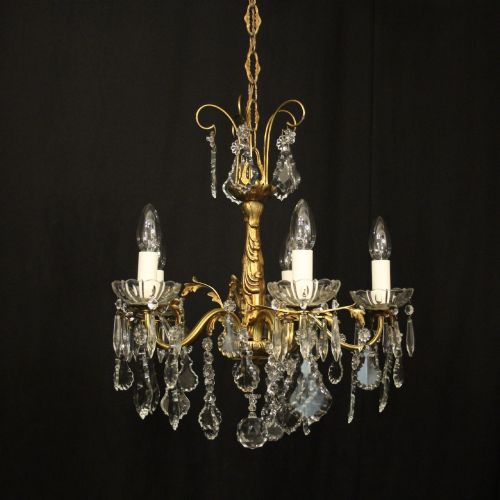
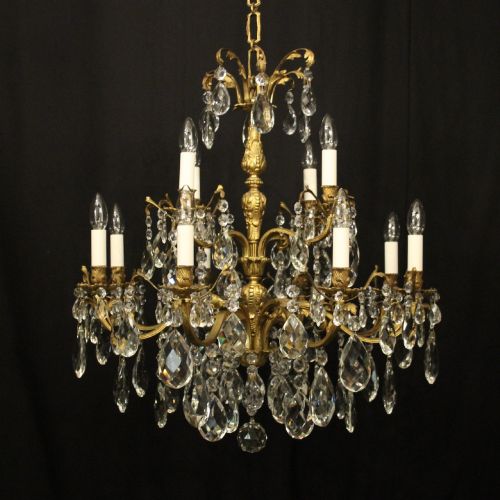
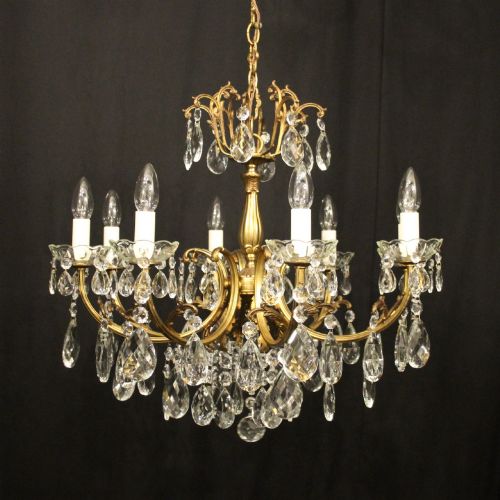
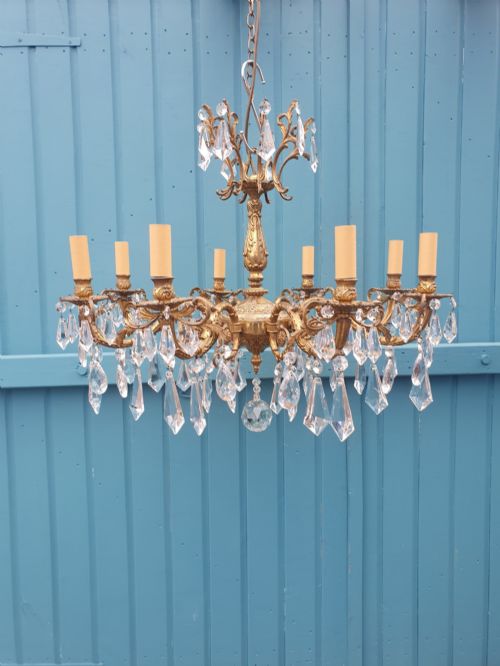
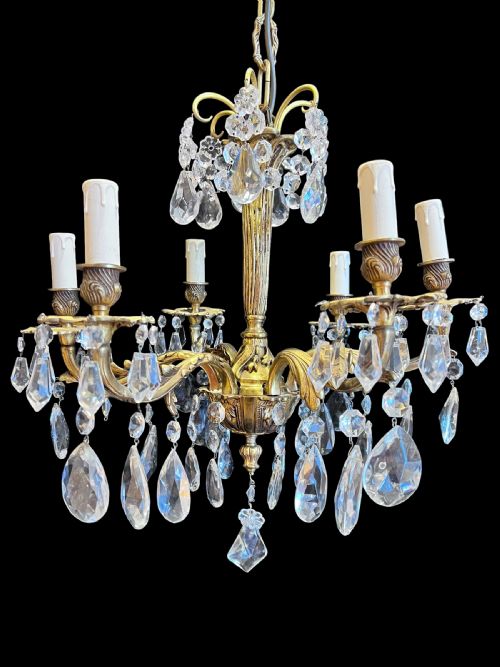
A rococo glass chandelier brings dramatic illumination and fluid, asymmetrical form to a room through cascading crystal drops and intricate gilded metalwork.
Rococo Glass Chandelier
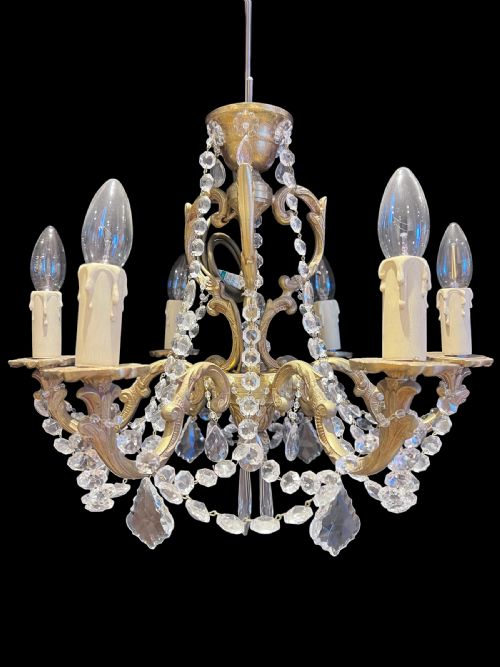
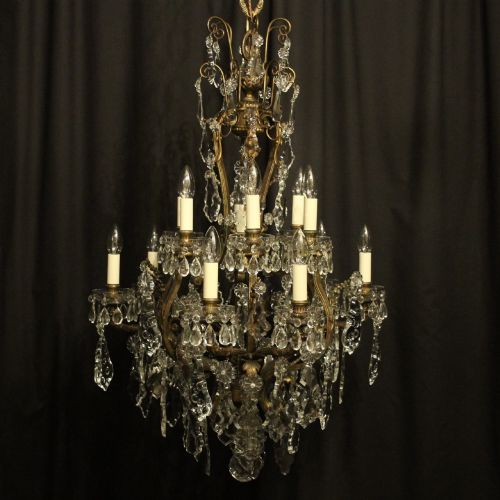
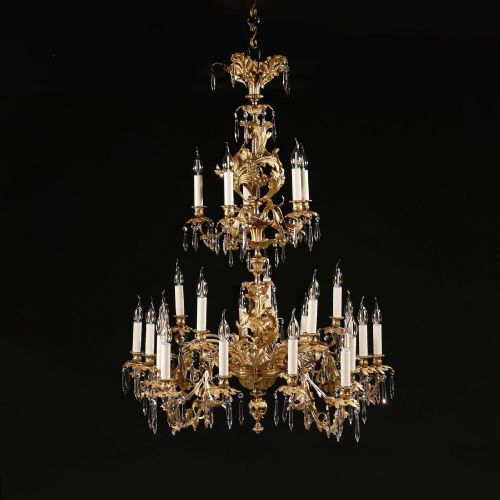
A rococo glass chandelier represents a tradition of ornate overhead lighting drawing on French and Italian decorative vocabularies. When searching for a rococo glass chandelier, buyers encounter pieces spanning the nineteenth century through the early twentieth century, including the 1900, 1910, 1920, and 1930 decades.
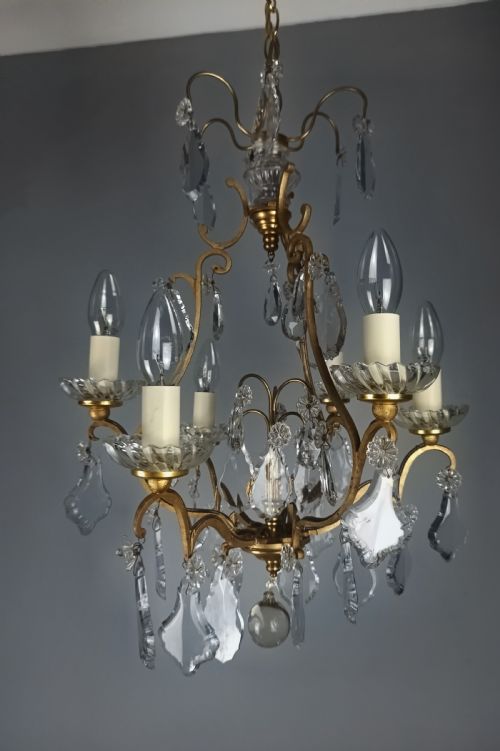
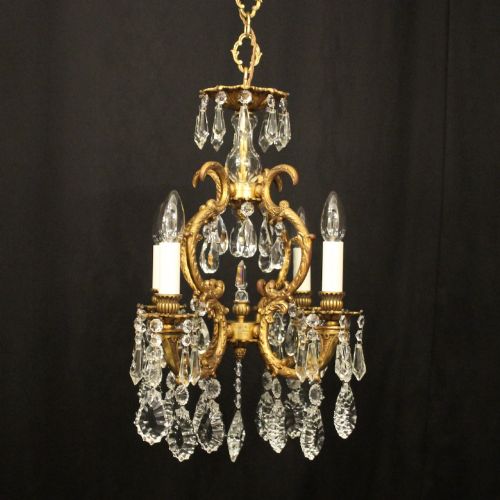
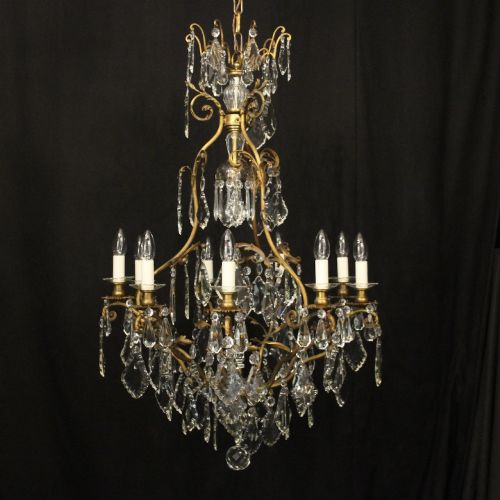
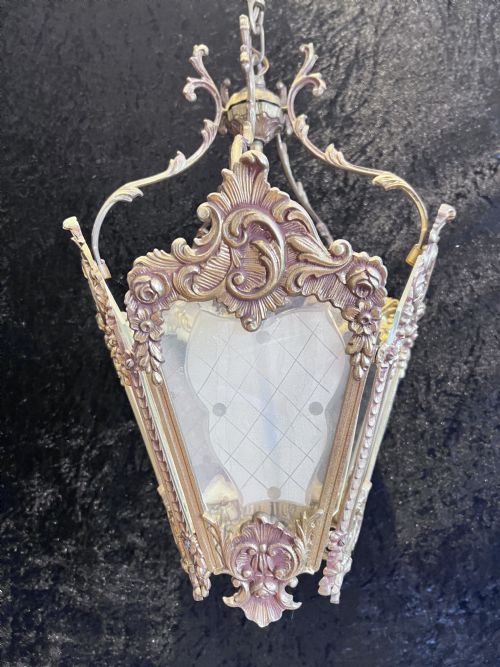
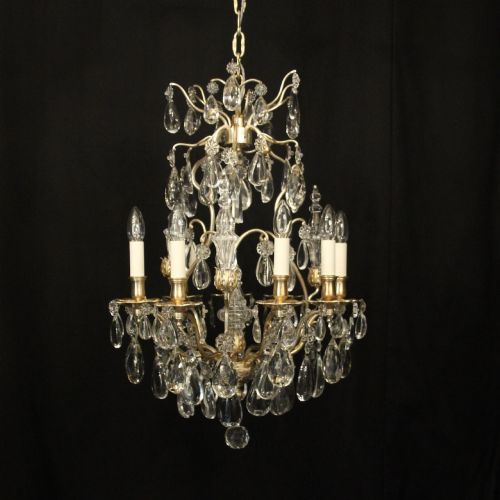
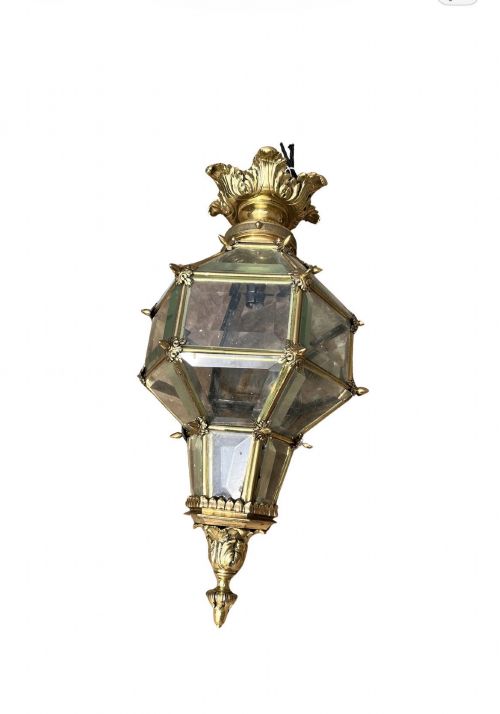
The selections on this page lean heavily toward French and Italian origins, taking the form of multi-light chandeliers, birdcage frames, and hall lanterns. These fixtures use curved metallic structures adorned with glass and crystal pendants to catch and refract light across a space.
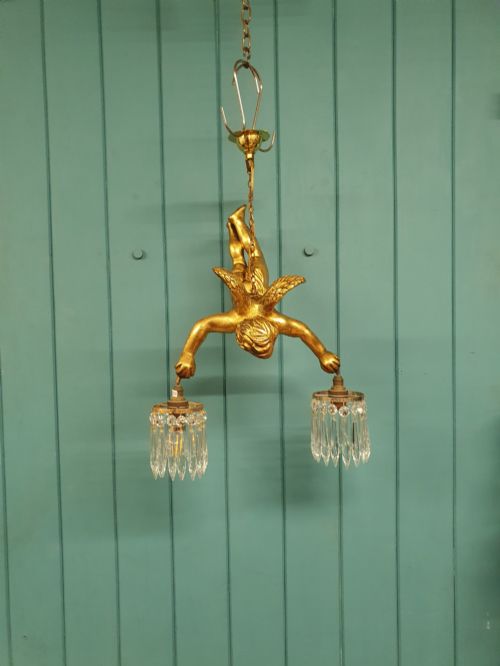
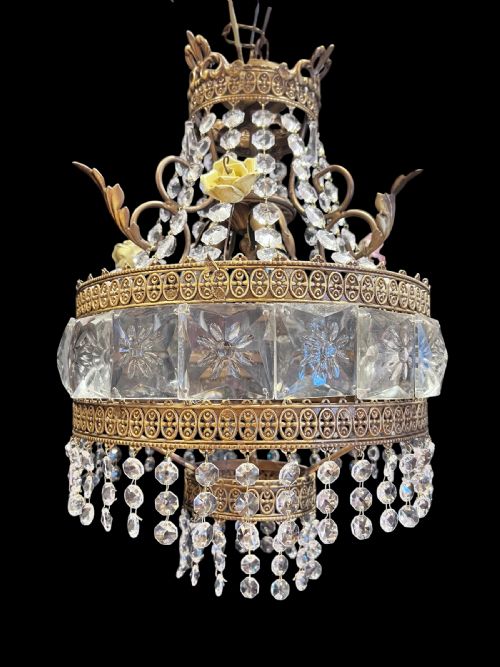
Beyond standard ceiling fixtures, the category embraces variations like wall lights, pendant lights, and hanging lanterns incorporating cherubs, porcelain flowers, and bevelled glass panels. Each style adapts historical revival motifs into functional illumination for domestic interiors.
Materials and Construction
Makers constructed the structural framework of these fixtures using brass, bronze, spelter, and gilt metal, often applying a gilded or silvered finish to the metal surface. These metals provided the necessary strength to support multiple light branches and heavy glass or crystal elements.
Suspended components rely on cut glass and crystal drops, which range from clear prisms to coloured crystals that scatter light. Specialised additions include porcelain flowers and moulded glass elements secured to the metallic armatures by wire or pins.
Period examples span the nineteenth century alongside the decades of 1800, 1880, 1890, 1900, 1910, 1920, and 1930.
Distinctions in Quality
Quality in these chandeliers rests on the substance of the metal frame and the precision of the glass cutting. Heavier bronze and brass castings with intricate chased detail sit at the higher end of the scale compared to lighter stamped or plated alternatives.
The completeness and clarity of the crystal drops also dictate the standard of a piece. Fixtures retaining their matching set of original cut glass pendants and integrated decorative elements display a higher degree of integrity.
The Rococo Glass Chandelier Glossary
- Birdcage chandelier
- A lighting fixture featuring a skeletal metal frame resembling a birdcage, enclosed by cascading strings of crystal drops.
- Gilded bronze
- Bronze metal treated with a thin layer of gold leaf or gold paint to produce a rich, reflective surface finish.
- Cut glass
- Glass shaped and faceted on a wheel to create sharp edges that refract light effectively.
- Hall lantern
- A ceiling-hung light enclosed in glass panels, designed specifically for entryways and narrow corridors.
- Spelter
- An alloy of zinc used as a cost-effective substitute for bronze in decorative castings, frequently painted or gilded.
Rococo Glass Chandelier: Frequently Asked Questions
How do I hang a heavy chandelier?
These fixtures require secure anchoring into ceiling joists using appropriate metal brackets and hooks to support the combined weight of the metal frame and crystal elements.
Professional electrical installation is necessary to connect the internal wiring safely to the main power supply of the room.
What rooms suit a hall lantern?
Hall lanterns work well in entranceways, stairwells, and narrow corridors where vertical drop lighting provides necessary illumination without obstructing passage.
Their enclosed glass designs protect the internal burners or bulbs from drafts in transitional spaces.
How do I clean crystal drops?
Maintenance involves wiping individual glass and crystal pieces with a soft cloth dampened in a mild solution of warm water and gentle soap.
Leaving the drops attached to the frame prevents damage, though delicate metal wiring may require careful handling during the process.
Can I date a piece by its style?
Stylistic revivals like French Rococo or Marie Therese designs draw on eighteenth-century aesthetics while often dating from the nineteenth or early twentieth centuries.
Examining the manufacturing techniques of the metal frame and the cut of the glass helps determine the actual period of production.