
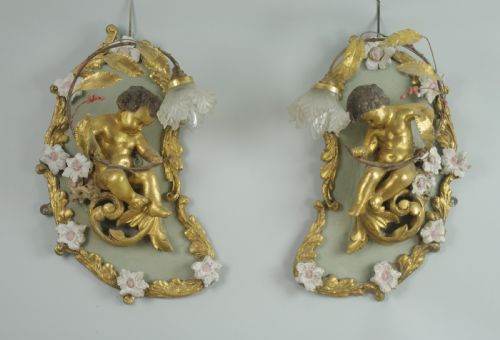


Rococo Giltwood Light
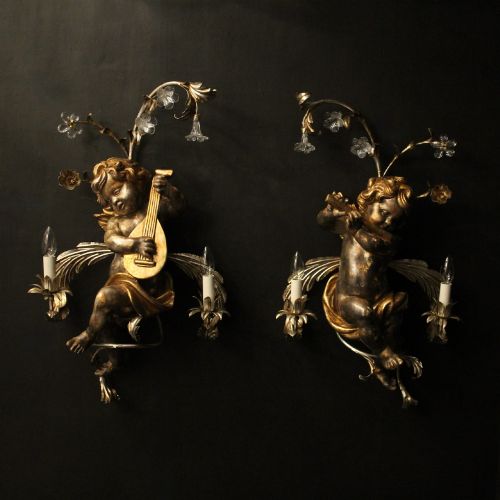
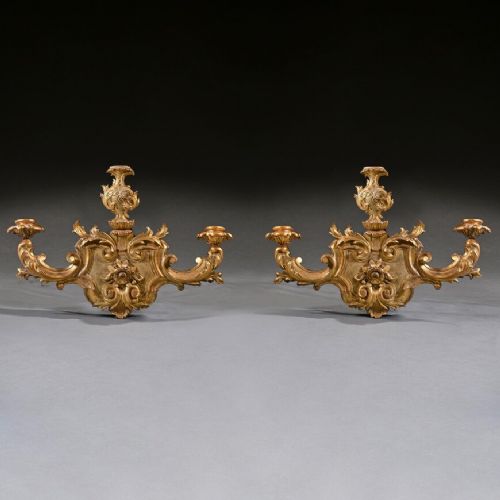
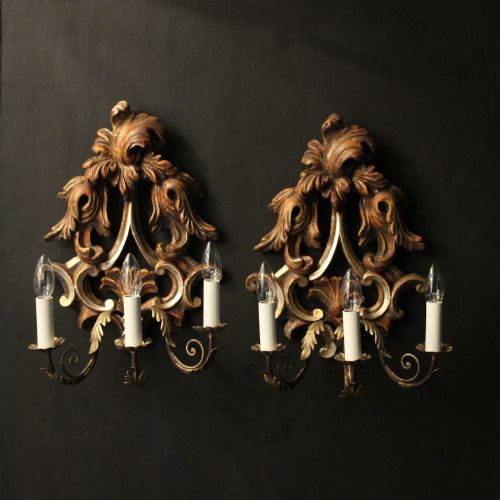
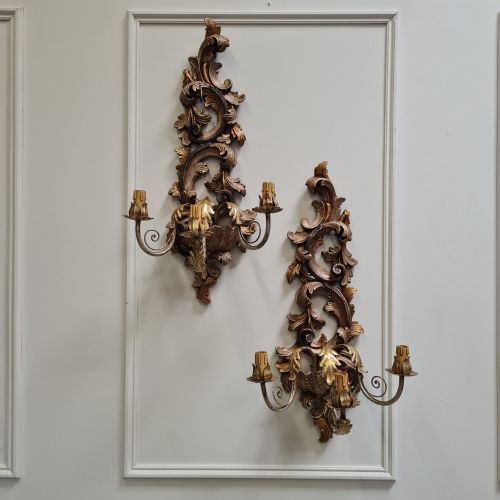
These rococo giltwood light pieces bring asymmetric carved movement and warm metallic reflection to an interior.
Rococo Giltwood Light
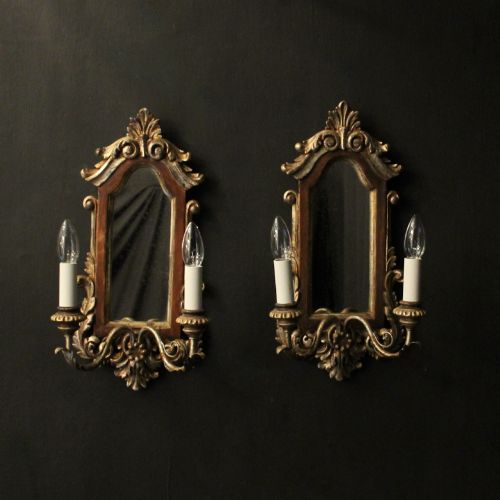
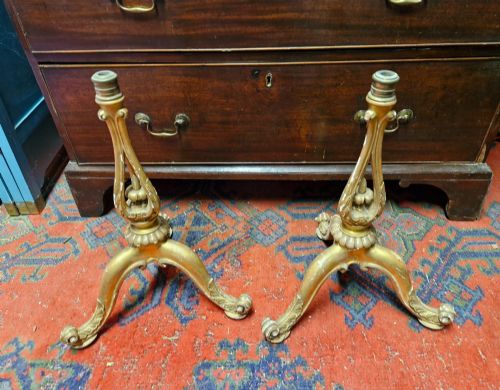
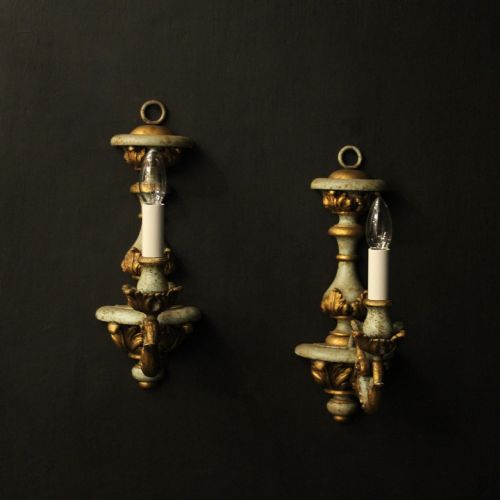
A rococo giltwood light encompasses wall sconces, girandoles, chandeliers and lamp bases created in styles that echo French and Italian workshops. The selection leans heavily toward pairs of Florentine wall lights and girandoles alongside larger French chandeliers.
Most examples originate from the eighteenth century up through the nineteen-thirties, reflecting persistent revivals of earlier baroque and rococo aesthetics. Wall lights frequently feature twin or triple arms designed to hold candles or electrical fittings.
Makers across Italy and France utilised carved wood, gesso and gold leaf to build ornate forms involving scrolls, putti and foliage. Buyers encounter both standard wall fittings and mirrored sconces designed to multiply ambient illumination.
How they were made
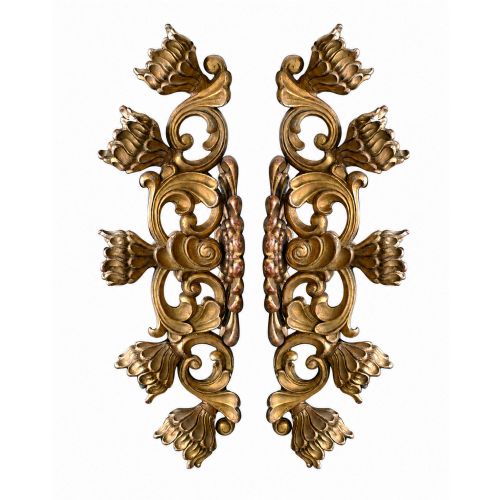
Carved wood provides the structural core for these objects, shaped by hand into fluid organic curves and asymmetric scrolls. Artisans then applied layers of gesso to smooth the surface before adding gold leaf or silver gilt.
Secondary materials such as brass, glass, metal and polychrome paint appear on specific components like arms, lanterns and decorative details. Murano glass elements and mirrored backplates integrate with the wooden frames to catch and reflect light.
Periods represented span from the eighteenth century through nineteen-thirty, covering several distinct revivals of baroque and rococo design.
What varies in quality
Depth and crispness of the hand-carving separate ordinary examples from superior work, particularly in complex areas like foliage, cherubs and scrollwork. Skilled carvers achieved sharp undercut details that hold the eye rather than soft, rounded edges.
The application and retention of gold leaf or gesso also dictate visual richness, as older surfaces show natural ageing that differs from heavier modern interventions. Integration of supplementary materials like Murano glass or mirrored plates alters the overall visual weight.
The Rococo Giltwood Light Glossary
- Giltwood
- Wood that has been coated with gold leaf or powder over a preparation of gesso. This technique gives wooden carvings the appearance of solid gold while maintaining a lighter structural weight.
- Girandole
- An ornamental bracket wall light with a mirrored backplate. The mirror is positioned behind the candle branches to multiply the available illumination in a room.
- Gesso
- A plaster mixture applied to carved wood to create a smooth surface for gilding. It allows craftsmen to model fine details before applying gold leaf.
- Putti
- Representations of small winged infants or cherubs used frequently as decorative motifs. They populate the carved woodwork of many continental European wall lights.
- Sconce
- A wall-mounted lighting fixture attached directly to a vertical surface. These fixtures often project multiple arms to support candles or lamps.
Rococo Giltwood Light: Frequently Asked Questions
How do I install antique wall lights?
Professional wiring is typically required to adapt these older fixtures for modern electrical standards while preserving the original wooden structure and backplates.
Secure mounting is essential because carved wooden frames carry substantial weight, especially when fitted with multiple metal arms or glass components.
Are these lights electrified or for candles?
Surviving fixtures span a long period of production, meaning some retain original candle configurations while others received electrical conversions during the nineteenth or twentieth century.
Buyers should inspect the specific wiring or fitting details within each listing to understand the current functional state.
How do I clean giltwood surfaces?
Dusting requires a very soft, dry brush to avoid disturbing fragile gold leaf layers or delicate gesso ornamentation over time.
Moisture and chemical cleaning agents must be avoided entirely because they dissolve traditional water gilding techniques and antique finishes.
How do I tell Italian from French pieces?
Italian items often display Florentine or Venetian characteristics with bold carved scrolls, polychrome accents and distinctive silver gilt or gold leaf treatments.
French pieces frequently adhere closely to Louis XV styling, showing refined symmetry, putti figures and chateau-inspired ornamentation.