


19th Century Italian Lighting
These 19th century italian lighting pieces bring sculptural warmth and classical theatre into a room through rich gilding and carved detail.
19th Century Italian Lighting
When you search for 19th century italian lighting, you encounter a diverse range of decorative fixtures shaped by historicist revivals and Grand Tour tastes. The selection spans utilitarian forms adapted for modern electricity alongside purely decorative fixtures intended to illuminate grand interiors.
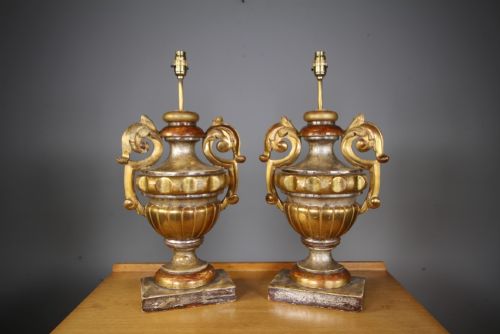
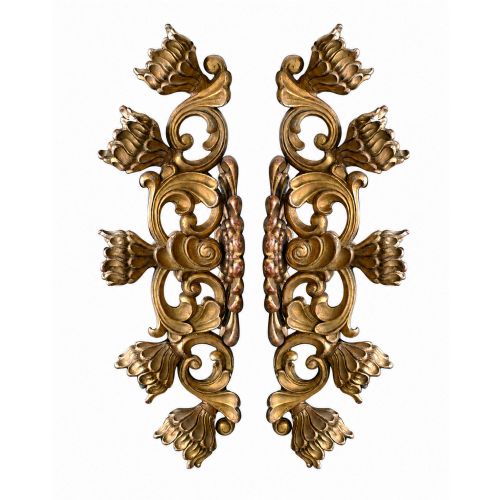
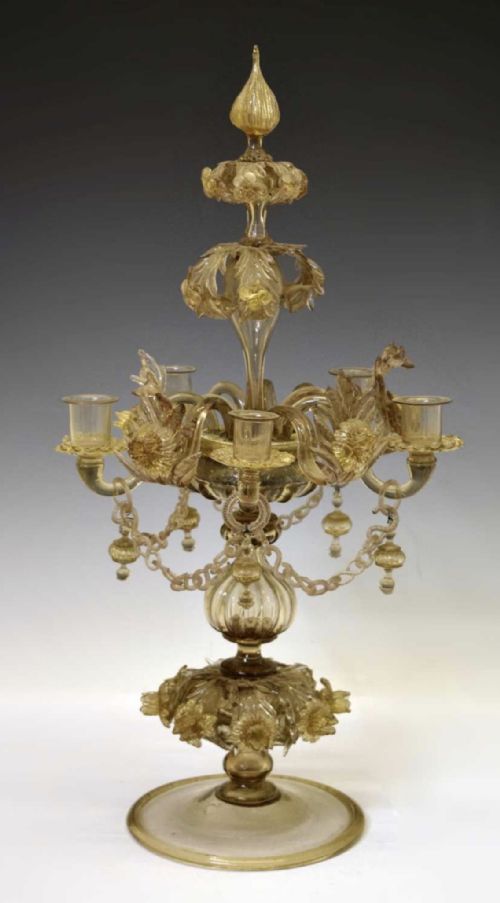
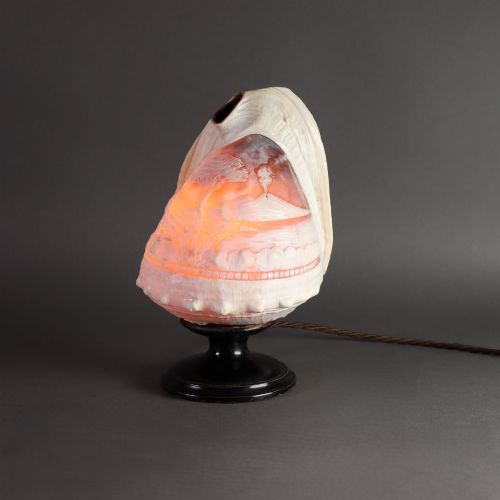
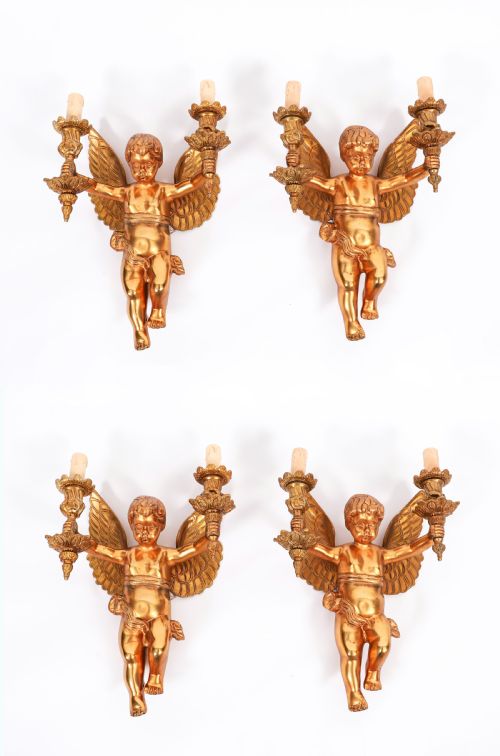
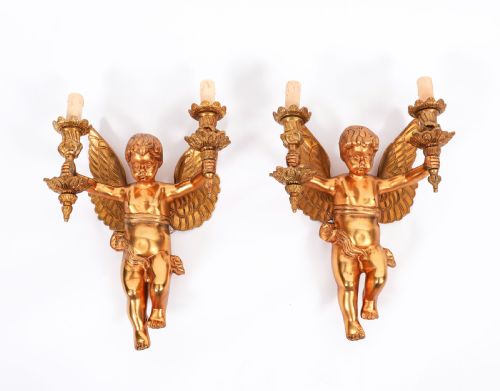
The assortment includes carved wood urn lamps, cast ormolu wall lights featuring cherubs, and Murano glass multi-branch candelabras. Distinctive regional works like Venetian figures on stands with original polychrome finish also appear alongside shell cameo table lamps.
How they were made
Makers shaped these objects using traditional artisan methods, combining carved pine, walnut, and gesso with applied gold leaf and giltwood finishes. Craftsmen also worked with cast brass, bronze, and ormolu to create durable structural frameworks and decorative mounts.
Surface decoration frequently involved polychrome paint and micro mosaic details, particularly on items associated with the Grand Tour. Glass elements, such as Murano branches, relied on specialised glassblowing techniques handed down through generations of Venetian artisans.
What varies in quality
The distinction between standard items and exceptional pieces rests upon the precision of the hand-carving and the depth of the original gilding. Finer works display crisp detailing in motifs like cherubs, acanthus leaves, and figural drapery.
Preservation of original surfaces, including polychrome paint and micro mosaic work, elevates a piece considerably. Alterations made during later lamp conversions also influence desirability, depending on how sensitively electricians integrated modern wiring into antique metal or wood bases.
The 19th Century Italian Lighting Glossary
- Ormolu
- Finely ground high-carat gold applied to a bronze object, creating a bright golden finish that resists tarnish. This technique was widely utilised for decorative mounts on lighting fixtures.
- Pricket stick
- A candlestick featuring a central metal spike designed to hold a large wax candle secure. These devices often sat upon altars before conversion into lamp bases.
- Toleware
- Enamelled or painted sheet metal shaped into decorative items like lanterns and shades. Artisans applied colourful pigments to create durable finishes on household hardware.
- Lucerna
- A traditional Italian oil lamp design featuring multiple spouts and suspension picks. Cast brass and bronze examples served as functional lighting before collectors prized them for their sculptural forms.
- Grand Tour
- A cultural journey through Europe undertaken by wealthy young men to study classical art. Souvenirs from this period included micro mosaic chambersticks and carved cameo lamps.
19th Century Italian Lighting: Frequently Asked Questions
How do I wire an antique Italian lamp?
Most conversion work requires running modern internal flex through the original central channel without damaging the antique wood or metal structure. Qualified conservators ensure that wiring respects the historical integrity of the piece.
Working with specialists who understand antique mountings prevents the loss of original patination during the installation of modern lamp holders.
Are these fixtures suitable for daily use?
Many wall sconces and table lamps function reliably as everyday illumination when fitted with appropriate low-heat LED bulbs. Their durable brass, bronze, and carved wooden construction handles regular operation well.
Careful placement away from direct heat sources helps protect delicate gesso and gold leaf surfaces from drying out or flaking over time.
How do I identify Venetian styles?
Venetian lighting often incorporates distinctive polychrome paintwork, figures on stands, or hand-blown Murano glass elements. These pieces reflect the maritime and theatrical aesthetic peculiar to Venice during the 19th century.
Examining the underlying carved wood and surface pigments helps distinguish Venetian workshop production from items made in other Italian regions.
What is a pricket stick?
A pricket stick is a candle holder that uses an upright metal spike to impale and secure a thick wax candle. They were common in ecclesiastical settings before collectors repurposed them as decorative table lamps.
The presence of the original spike often points towards an altar origin, even when the object has undergone later electrical conversion.