



Italian Carved Lamp Base
An italian carved lamp base brings immediate sculptural presence to a room, channelling centuries of continental craftsmanship into everyday lighting.
Italian Carved Lamp Base
When you search for an italian carved lamp base, you encounter pieces that range from monumental standard lamps down to modest table companions. These items frequently take their cues from historical lighting forms, transforming pricket sticks, oil lamp stands, and architectural columns into functional electric lights.
The versions most commonly met on this page span the nineteenth century, drawing heavily on classical vocabulary. You find standard lamps and table lamps shaped by hands that understood historical proportion, often originating from Florentine workshops or grand tour acquisitions.
Makers utilised traditional regional forms, so a base might echo a baroque revival aesthetic or adopt the neoclassical discipline of fluted columns. Amorini, cherubs, and campana urn motifs regularly appear to support the conversion from older lighting methods to modern illumination.
Materials and construction
Makers relied on solid woods, which they carved by hand before applying decorative surface treatments. Giltwood, gesso, and silver leaf frequently coat the structural core, catching ambient light through cracked and patinated finishes.
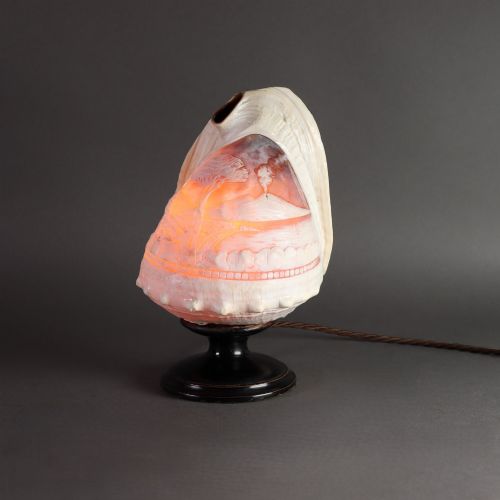
Some examples incorporate unexpected materials like conch shell or alabaster alongside brass and metal components. Ebonised wood also provides a dark contrast to gilded details, maintaining the dramatic chiaroscuro favoured by Italian artisans.
Italian Carved Lamp Base Retail Price Guide 2026
Typical asking prices for italian carved lamp base among the pieces listed under this phrase on Sellingantiques today, from the lower quarter to the upper quarter. They describe what is for sale here now, not the wider market.
Listings here feature nineteenth-century materials including conch shell, alabaster, giltwood, and ebonised wood across table and standard lamp formats.
The markers of quality
Depth and precision of the carving separate standard workshop output from exceptional examples. Master carvers defined drapery, facial expressions, and acanthus leaves with sharp undercut edges that create genuine depth.
Surface preparation dictates how a piece ages, particularly where gesso and gold leaf meet the bare wood. The most successful pieces retain harmonious proportions between the decorative base and the vertical shaft.
The Italian Carved Lamp Base Glossary
- Grand Tour
- A cultural journey undertaken by wealthy young Europeans through Italy, acquiring souvenirs such as carved shells and antiquities. These objects often served as models for later decorative arts.
- Florentine Baroque
- A regional style characterised by dramatic movement, deep carving, and lavish ornamentation. It reflects the theatricality of seventeenth-century art revived in later decorative pieces.
- Campana Urn
- A bell-shaped vessel form originating in classical antiquity, frequently utilised as a decorative base or central urn element. Its flared rim and pedestal foot provide stable proportions.
- Pricket Stick
- A liturgical candlestick featuring an upright spike to secure a candle, later adapted into electrical lamp bases. This form lends a vertical, architectural dignity to domestic interiors.
- Giltwood
- Timber coated with a thin layer of gold leaf over a prepared gesso ground. This technique gives objects a warm, metallic radiance that deepens with age.
Italian Carved Lamp Base: Frequently Asked Questions
What periods do these lamp bases date from?
The pieces seen here primarily date from the nineteenth century, with examples stretching from around eighteen-fifty through to the early twentieth century.
Craftsmen during these eras drew directly on earlier baroque and neoclassical movements to shape their designs.
How were these lamp bases originally used?
Many began life as non-electrical items such as church pricket sticks, oil lamp stands, or architectural elements before later conversion.
Their transformation into lamps allowed historic carved forms to find a practical role in modern domestic lighting.
What materials should I expect to find?
Construction relies heavily on carved wood finished with gesso, giltwood, silver leaf, or ebonised coatings.
Some unusual examples incorporate carved conch shells, marbleized surfaces, alabaster urns, and brass fittings.
How do I live with an antique lamp base?
These sculptural pieces suit placement on side tables, chests, or directly on the floor in the case of standard lamps.
Pair them with simple shades to let the carved woodwork and gilded surfaces remain the primary focus of the room.