








Rococo Gilt Candle Stands
Rococo gilt candle stands are ornate decorative light holders defined by asymmetrical scrolls and rich metallic surfaces that bring immediate warmth to a room.
Rococo Gilt Candle Stands
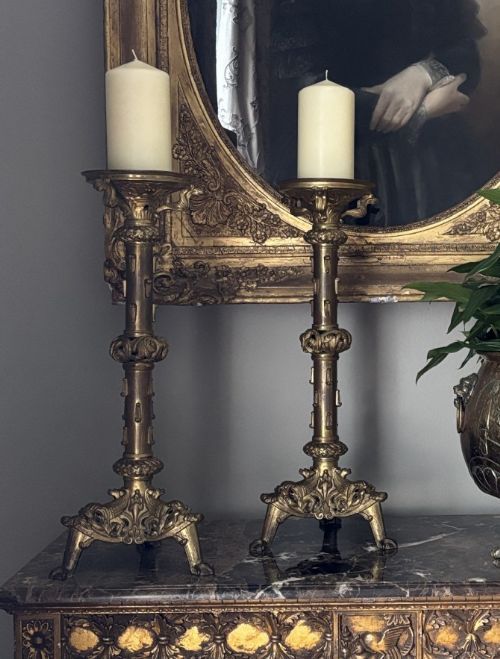
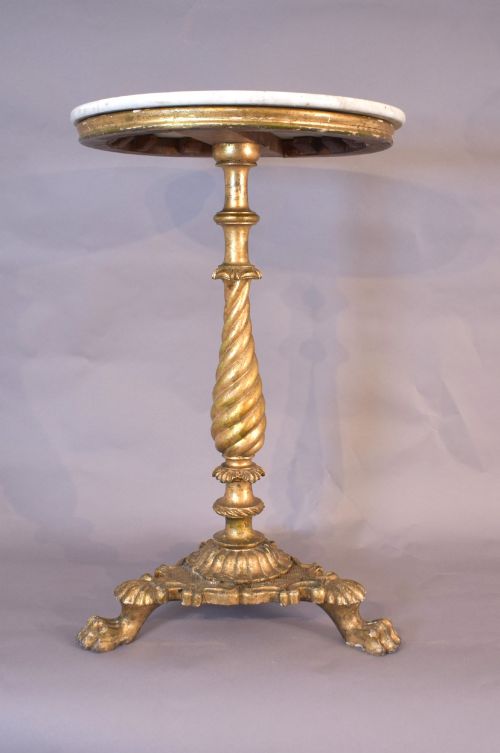
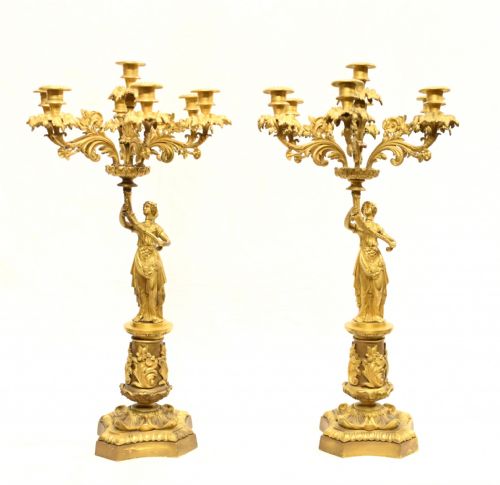
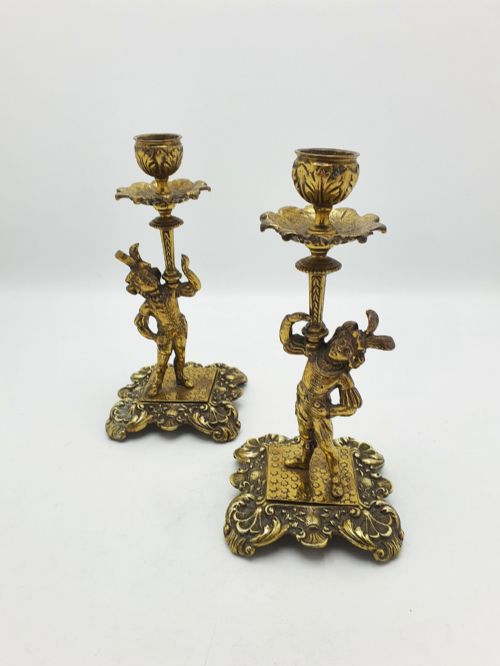
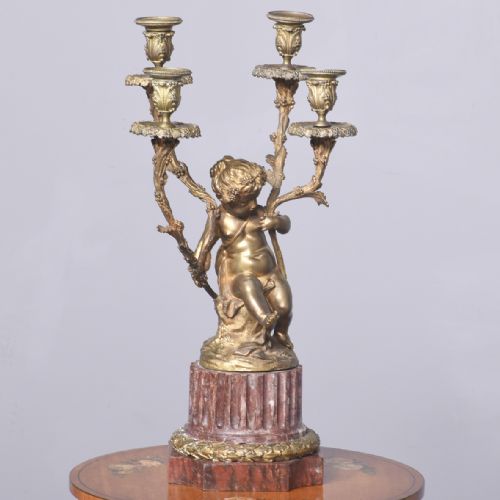
When you search for rococo gilt candle stands, you encounter a variety of lighting fixtures and supports originating from the eighteenth and nineteenth centuries. The selection on this page leans heavily toward pairs of French ormolu and gilt bronze candlesticks, alongside multi-branch candelabras and carved giltwood torchaires. These objects range from Georgian porcelain figural compositions to Napoleon III cast bronze interpretations of Louis XV design.
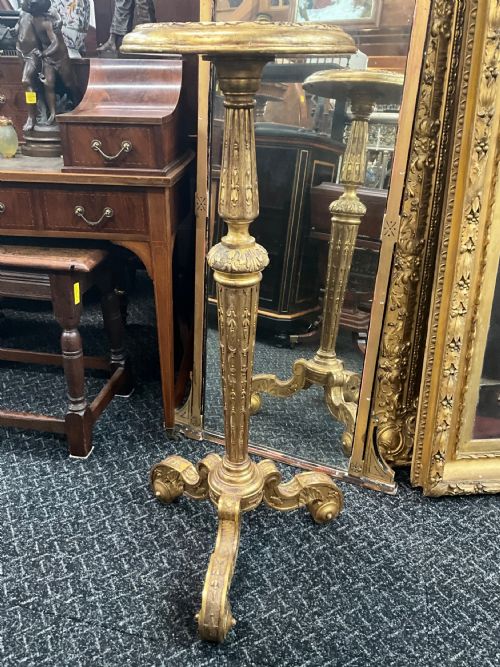
The forms vary from single stem sticks to three-arm candelabras and tall pedestals designed to elevate light sources within a grand interior. Materials shift between cast brass, patinated bronze, and marble bases, though the unifying feature remains the application of gold tones through gilding, ormolu, or gesso. You will find examples influenced by French chateau aesthetics as well as Victorian revivals of earlier continental models.
How they were made
The manufacture of these stands relies on skilled metal casting, wood carving, and surface finishing techniques. Artisans utilised cast bronze, brass, and iron to form the structural bodies, often employing the lost-wax method or sand casting to achieve intricate asymmetrical relief work. Ormolu sections involved mercury gilding or electrogilding applied to bronze bases, creating a durable and brilliant golden layer.
Carved giltwood and gesso pieces required a different workshop discipline, beginning with seasoned timber shaped by hand before applying layers of gesso and gold leaf. Marble components were turned and polished separately before being integrated with cast metal mounts. Many pieces also incorporate porcelain elements, such as birds or figures, fired and glazed in specialist ceramic kilns before mounting into the metal framework.
Rococo Gilt Candle Stands Retail Price Guide 2026
Typical asking prices for rococo gilt candle stands among the pieces listed under this phrase on Sellingantiques today, from the lower quarter to the upper quarter. They describe what is for sale here now, not the wider market.
Current listings feature materials ranging from marble and patinated bronze to traditional giltwood and cast brass.
What varies in quality
The integrity of the materials and assembly further distinguishes the range. Better stands utilise dense marbles, substantial bronzes, and well-seasoned timbers that give the object a reassuring weight and balance. Lesser items may rely on lighter brass stampings or composite materials that feel less rigid and demonstrate less refinement in their structural joints.
The Rococo Gilt Candle Stands Glossary
- Ormolu
- Gilded bronze, where a layer of gold is applied to a bronze base object. This technique was widely used in French decorative arts to create rich golden highlights on hardware and candle stands.
- Rococo
- An eighteenth-century style characterised by lightness, asymmetry, curves, and naturalistic motifs like shells and scrolling foliage. It provides the primary design vocabulary for these stands.
- Torchaire
- A tall decorative stand or candlestick designed to hold a light source above floor level. They often feature elaborate carved and gilded gesso decoration.
- Gesso
- A plaster-like material applied to wood surfaces as a base for paint or gold leaf. It is built up in layers and carved to create crisp decorative relief before gilding.
- Candelabra
- A multi-branched lighting fixture designed to hold several candles simultaneously. These often feature central stems rising from heavy weighted bases.
Rococo Gilt Candle Stands: Frequently Asked Questions
How do I clean gilt metal?
Dust gently with a soft, dry artist's brush to remove surface particles.
Avoid liquid cleaners, chemical polishes, or abrasive cloths that can strip away thin layers of historical gilding.
Are these stands wired for electricity?
Most items listed retain their original function as candle holders and have not been altered for modern wiring.
Converting them requires careful consideration to preserve the antique structure and metalwork.
How do I date a piece?
Examine the casting quality, tool marks on the underside, and the wear patterns on the base and gilding.
Stylistic cues such as the severity of the revival work or the type of marble used also help place the object in the eighteenth or nineteenth century.
Can these hold heavy candles?
Standard taper candles fit most historical sockets, though weight distribution depends on the base stability.
Tall multi-arm candelabras require balanced placement to prevent tipping when fitted with full candles.