


Rococo Gilded Porcelain Dish
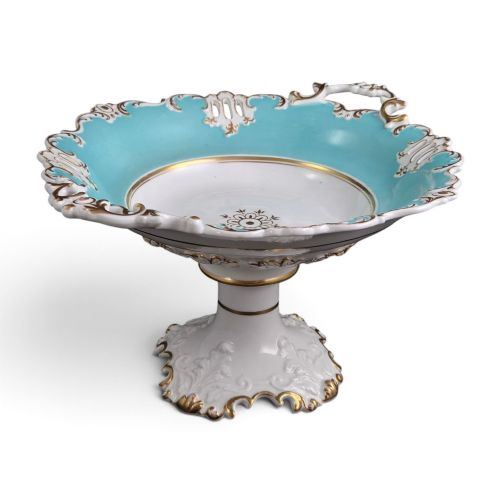
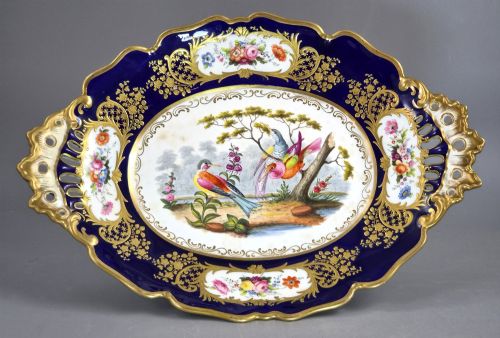
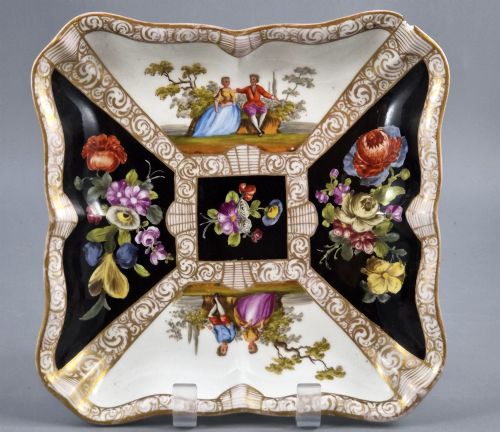
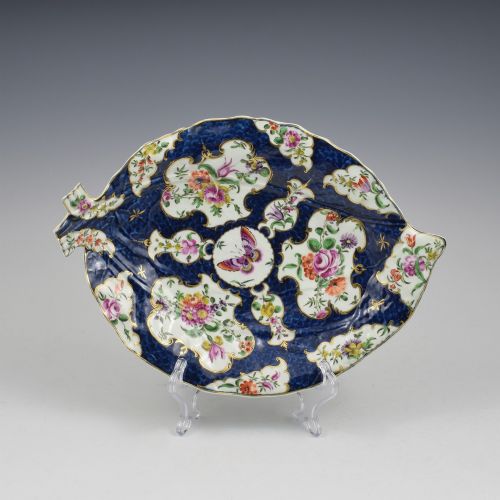
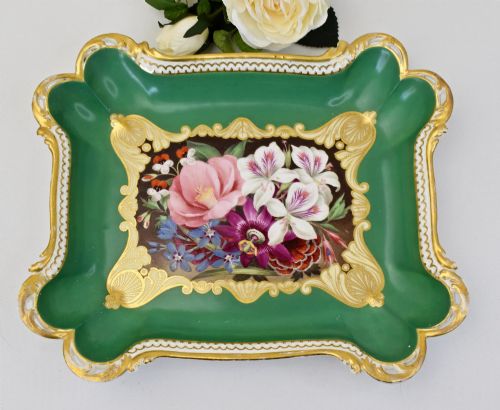
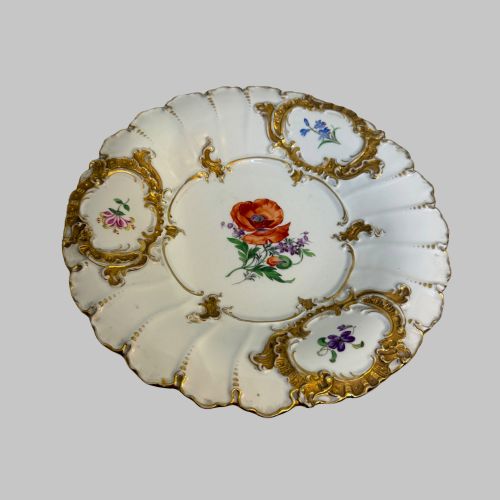
These rococo gilded porcelain dish pieces combine scrolling asymmetrical forms with lavish gold and hand-painted scenes, bringing dramatic eighteenth-century theatre to a tabletop.
Rococo Gilded Porcelain Dish
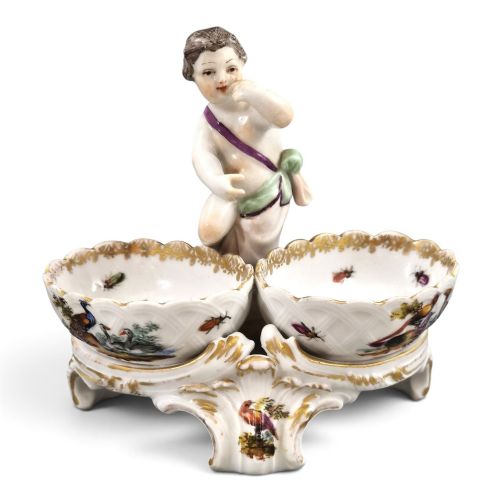
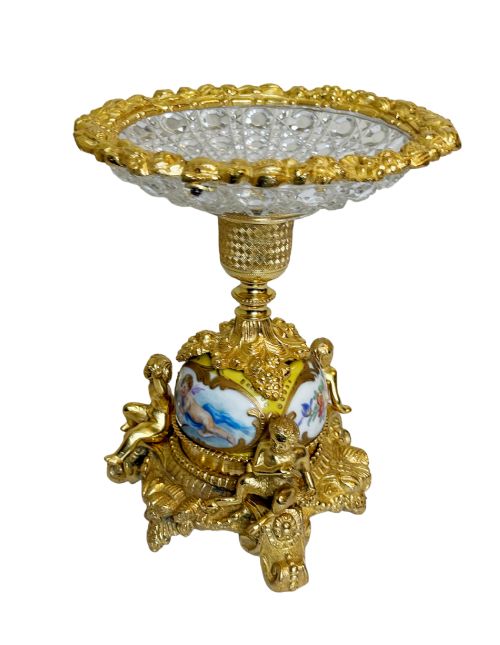
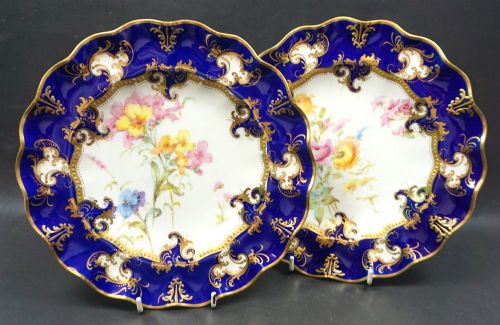
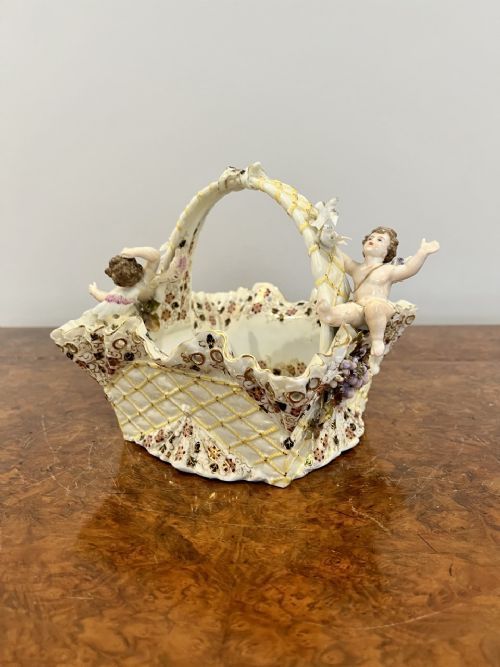
A rococo gilded porcelain dish brings together elaborate, scroll-heavy forms and metallic highlights across a range of serving and decorative vessels. You will encounter cabinet plates, tazzas, sweetmeat dishes, centrepieces, and porcelain baskets originating from eighteenth-century factories through to nineteenth-century revival periods.
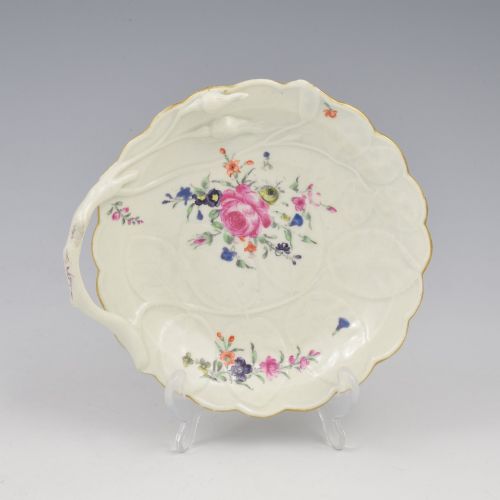
The aesthetic relies heavily on French and English revivals of the nineteenth century, alongside genuine eighteenth-century pieces from English and continental makers. Forms vary from simple leaf-moulded saucers to large figural centrepieces supported by cherubs.
The selection on this page demonstrates how domestic tablewares crossed over into purely decorative cabinet pieces. Makers utilised soft-paste, hard-paste, and bone china bodies to achieve these curvaceous silhouettes.
Materials and Technique
Potters shaped these vessels using various porcelain bodies, including bone china and soft-paste or hard-paste porcelain, moulded into asymmetrical scrolls and leaf motifs. Enamel colours were applied by hand, often featuring birds, floral bouquets, and figural scenes after artists like Watteau and Boucher.
Gold leaf, gilt, and heavy gilding define the surface decoration, accentuating the raised moulding and undulating rims typical of the style. Kiln-firing fixed both the underglaze colours and the burnished gold layers to the ceramic body.
Materials documented across the inventory include hard-paste porcelain, bone china, enamel, and gold leaf.
Assessing Quality
Quality rests upon the crispness of the moulded relief and the skill behind the hand-painted details. Finer examples display precise brushwork in floral sprays and figural vignettes rather than mechanical transfer printing.
The application and burnishing of the gold leaf separate standard items from superior works. Weight, proportion, and the subtlety of the enamel palette determine the standing of each individual piece.
Coalport·Meissen·KPM Berlin·Royal Crown Derby·Doe and Rogers·Paul Müller Selb·Copeland·Chantilly·Volkstedt·Helena Wolfsohn·Royal Worcester·Edm e Samson
The Rococo Gilded Porcelain Dish Glossary
- Tazza
- A shallow ornamental cup or plate raised on a stem and foot. These elevated dishes often served sweetmeats or desserts in formal settings.
- Soft-paste porcelain
- An artificial ceramic composition fired at lower temperatures than hard-paste. It possesses a warm, slightly creamy glaze highly receptive to enamel colours.
- Gilt
- Covered with a thin layer of gold or gold leaf. This metallic finish highlights the characteristic scrolls and edges of the revival designs.
- Sweetmeat dish
- A small vessel designed for holding confectionery, nuts, or dried fruits. They frequently appear in fantastical moulded shapes with painted birds or insects.
- Cabinet plate
- A decorative plate intended for display in a cabinet or on a wall rather than dining use. These pieces often feature elaborate painted scenes and heavy gilding.
Rococo Gilded Porcelain Dish: Frequently Asked Questions
Are these dishes safe for serving food?
Most antique decorative dishes and cabinet plates are intended for display rather than modern culinary use. Older lead glazes and delicate overglaze enamels can degrade when exposed to acidic foods.
Keep them to dry display, or use them strictly for holding dry confectionery as originally intended.
How do I tell an eighteenth-century piece from a nineteenth-century revival?
Examine the paste, weight, and underglaze marks closely. Eighteenth-century pieces often show subtle potting imperfections and distinct paste characteristics unique to early factories.
Nineteenth-century revival items frequently employ brighter Victorian enamels and mechanical factory marks that point to later production dates.
What is the difference between hard-paste and soft-paste porcelain?
Hard-paste porcelain uses kaolin and petuntse fired at very high temperatures, resulting in a dense, vitrified body that resists scratching. Soft-paste is an earlier European formulation using glass frit and white clay.
Soft-paste yields a warmer glaze texture that absorbs enamel colours deeply, though it scratches more readily than hard-paste.