





Rococo Gilded Chairs
Rococo gilded chairs bring the sweeping, asymmetrical carved flourish of the eighteenth century into any room.
Rococo Gilded Chairs
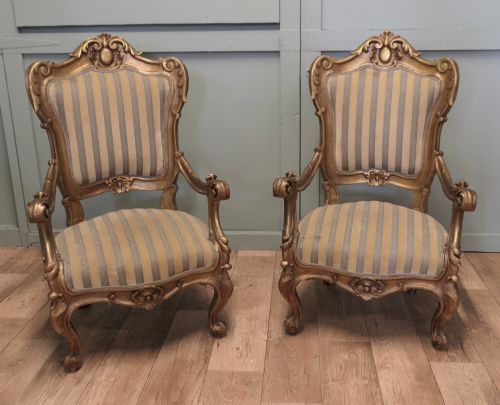
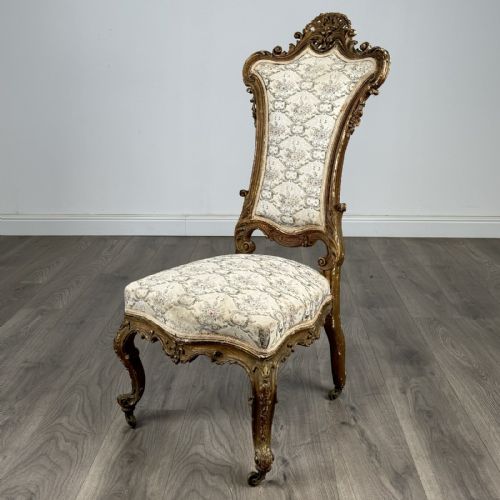
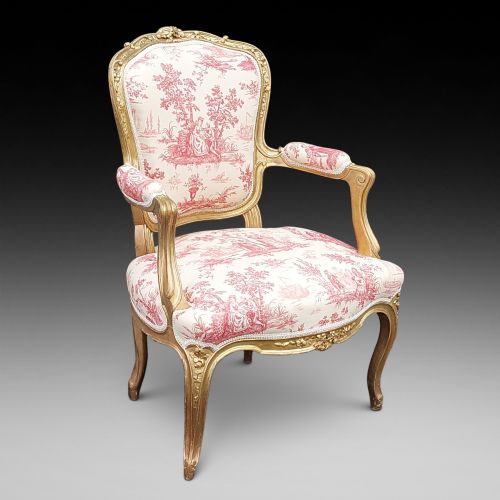
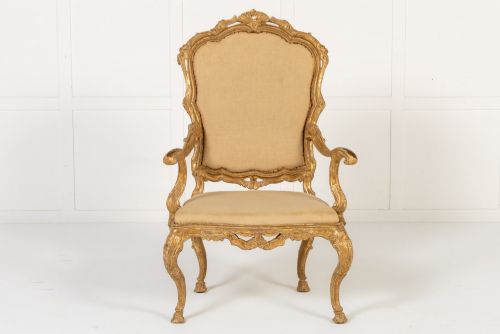
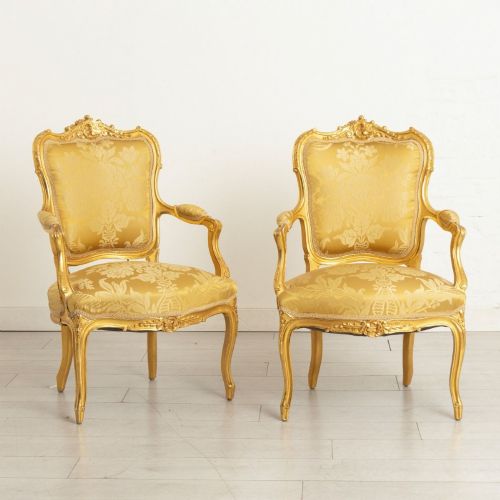
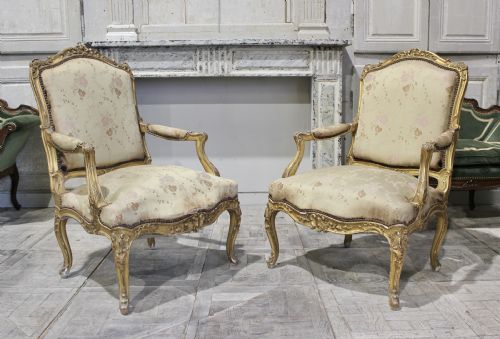
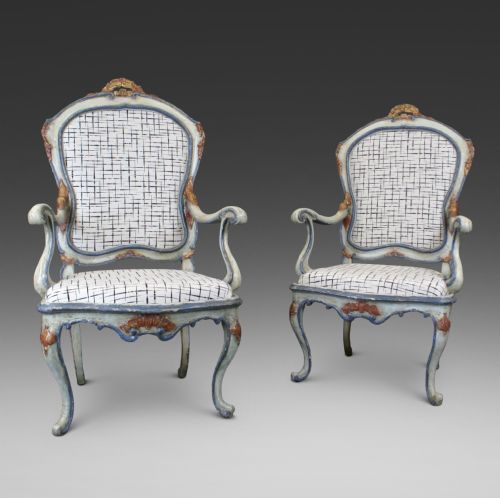
When you search for rococo gilded chairs, you find seating defined by elaborate carved flourishes, cabriole legs, and scroll arms. The selections span the eighteenth century up through the nineteenth-century revivals, taking forms such as open armchairs, side chairs, dining chairs, and salon suites.
The nineteenth-century revival pieces appear most frequently, channelling earlier Louis styles, Napoleon III aesthetics, and Barocchetto influences through giltwood, gesso, and painted finishes.
How they were made
Carvers shaped frames primarily from timber such as beech and walnut, employing hand-carved techniques to create deep relief scrolls, foliage, and asymmetrical cartouches. Artisans then applied layers of gesso to smooth the wooden surface before laying down thin sheets of gold or silver leaf.
Upholstery completed the work, utilising fabrics like silk, velvet, and patterned textiles to cover sprung or stuffed seats and backs. Some examples retain original gilt decoration on lacquered or painted wood surfaces.
Rococo Gilded Chairs Retail Price Guide 2026
Typical asking prices for rococo gilded chairs among the pieces listed under this phrase on Sellingantiques today, from the lower quarter to the upper quarter. They describe what is for sale here now, not the wider market.
What varies in quality
The crispness of the hand carving separates finer examples from softer, more mechanical later copies. Deep undercutting in the woodwork and refined detailing on the cabriole legs demonstrate superior craftsmanship.
The integrity and depth of the original gilding or silvering dictate visual success. Pieces retaining well-preserved leaf layers over gesso show a warmth and brilliance that flat modern paints or worn surfaces lack.
Blaise Maucuy
The Rococo Gilded Chairs Glossary
- Giltwood
- Wood coated with gold leaf over a prepared ground of gesso. This finish gives eighteenth-century and revival seating its characteristic metallic warmth.
- Cabriole leg
- A furniture leg that bends outward in a convex curve and tapers inward in a concave curve, ending in a pad or scroll foot. It is a defining feature of rococo design.
- Fauteuil
- An open-armed upholstered armchair with exposed wooden sides. The arms typically pad the elbow area while leaving the space beneath open.
- Bergere
- An enclosed upholstered armchair with solid upholstered sides and a padded back. These pieces offer a deeper and more enclosed seat than standard armchairs.
- Gesso
- A plaster mixture applied to wood frames to create a smooth surface for gilding. Fine application allows intricate carved details to remain sharp and defined.
Rococo Gilded Chairs: Frequently Asked Questions
What is a rococo gilded chair?
These are ornate wooden seats decorated with gold or silver leaf, featuring the curving lines and asymmetrical motifs typical of mid-eighteenth-century design and its later nineteenth-century revivals.
They function both as decorative focal points and functional seating in salons, drawing rooms, and bedrooms.
How do I spot a revival piece?
Nineteenth-century revival pieces often display heavier framing, machine-assisted finishing beneath the hand work, or distinct secondary timbers alongside styles borrowed directly from earlier reigns.
Comparing the joinery and weight of the frame against known eighteenth-century standards helps clarify the period of manufacture.
How were these chairs used historically?
Owners placed them in formal reception rooms, boudoirs, and dining spaces to signal status and provide comfortable seating for social gatherings.
Matching salon suites accommodated guests during musical recitals, card games, and conversation.
How should I care for giltwood?
Keep gilded furniture away from direct sunlight and damp environments to protect the delicate leaf and gesso layers from flaking.
Dust gently with a dry, soft cloth and avoid chemical polishes that can strip the metallic surface.