

Rococo Furniture
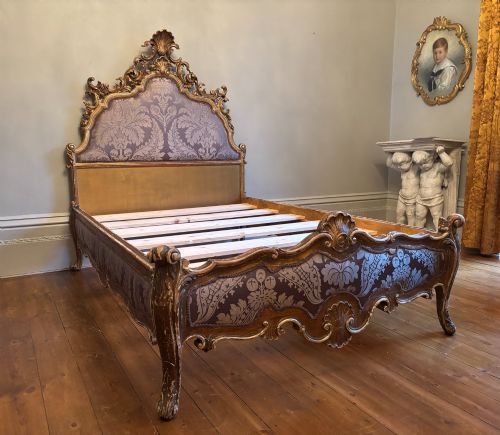
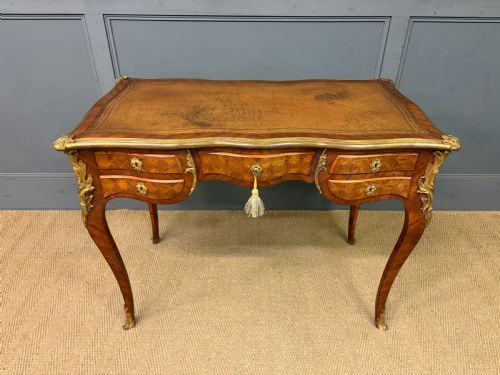
Rococo furniture brings together flowing asymmetric lines and intricate marquetry from the eighteenth and nineteenth centuries.
Rococo Furniture
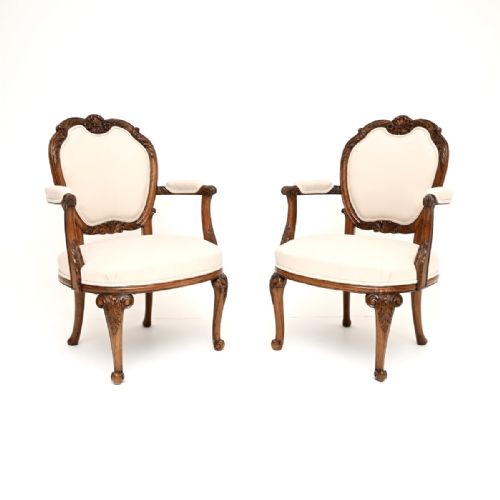
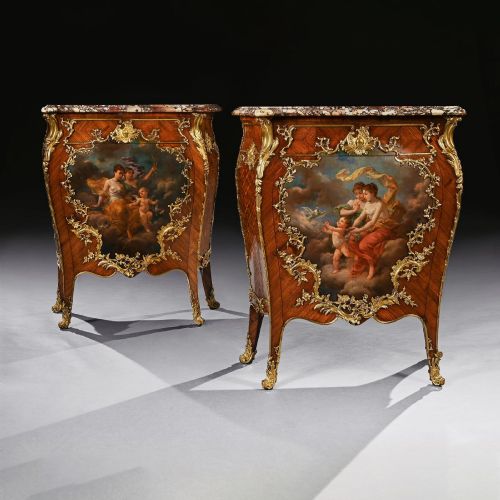
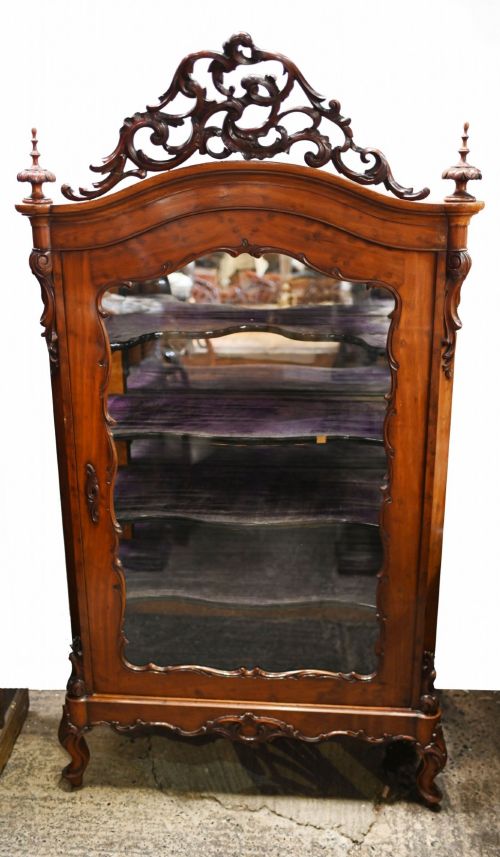
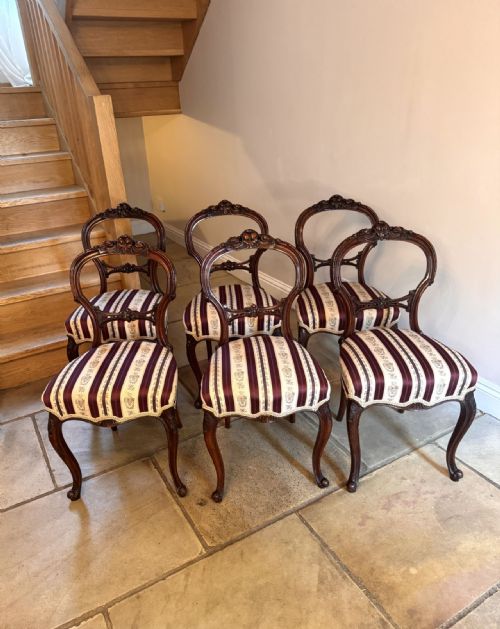
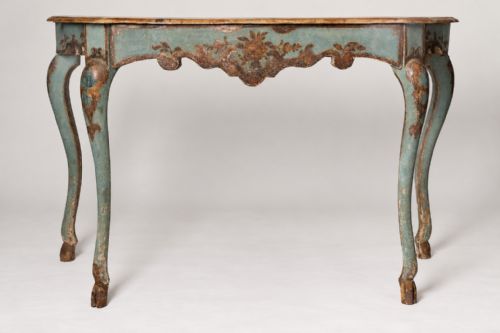
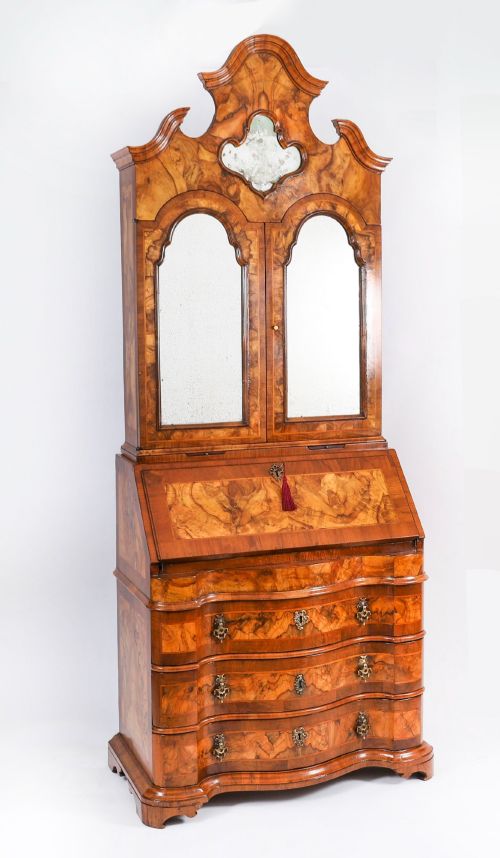
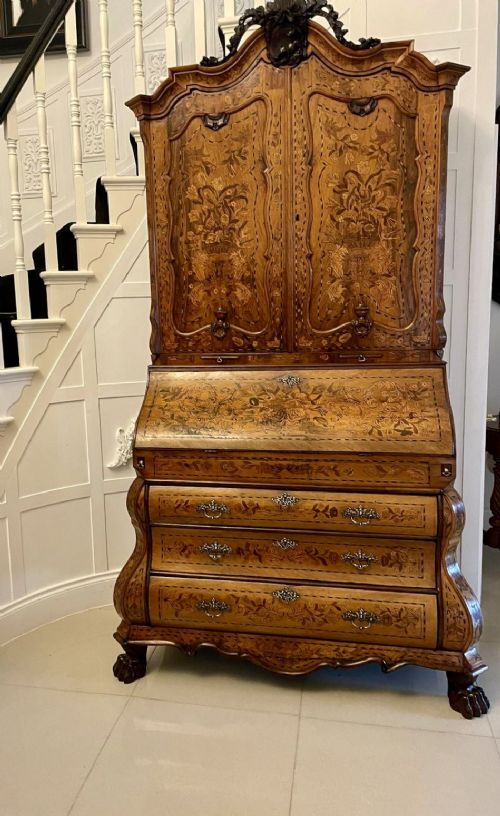
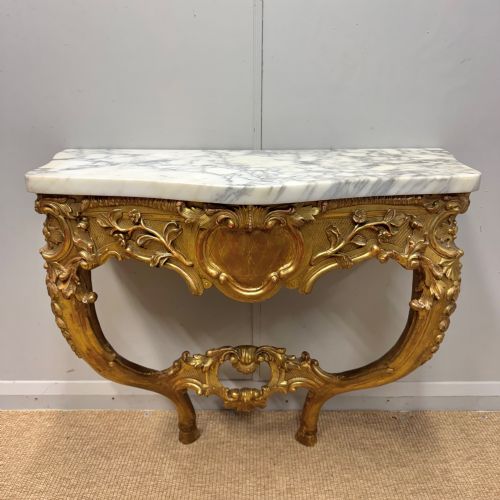
When searching for rococo furniture, buyers encounter pieces ranging from authentic eighteenth-century walnut commodes and bureau bookcases to nineteenth-century revival salon suites and giltwood console tables.
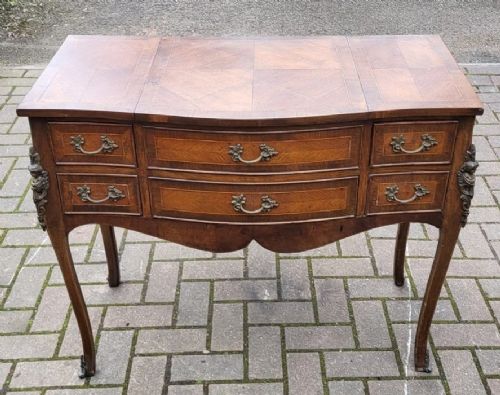
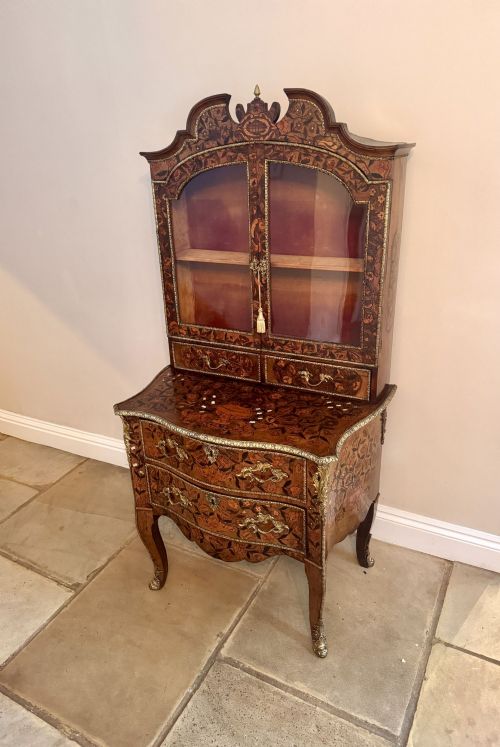
The selections span distinct regional interpretations, including French bombe chests, Dutch floral marquetry cabinets, Italian console tables, and Swedish serpentine commodes.
Forms vary widely from practical storage like chests of drawers and display cabinets to decorative additions such as fire screens, wall appliques, and jardiniere tables.
How They Were Made
Cabinet makers utilised dense hardwoods such as walnut, kingwood, mahogany, and cherry as foundational structures for intricate marquetry and parquetry patterns.
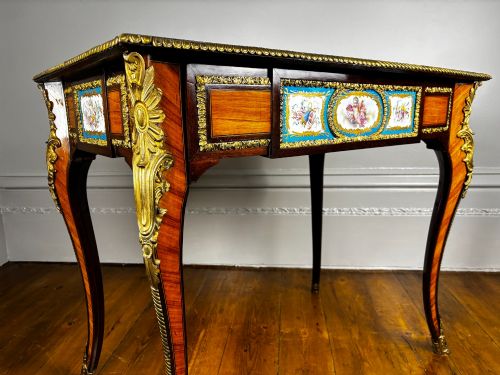
Giltwood and ormolu mounts added metallic highlights, while marble tops in varieties such as breche d'alep completed console tables and commodes.
Rococo Furniture Retail Price Guide 2026
Typical asking prices for rococo furniture among the pieces listed under this phrase on Sellingantiques today, from the lower quarter to the upper quarter. They describe what is for sale here now, not the wider market.
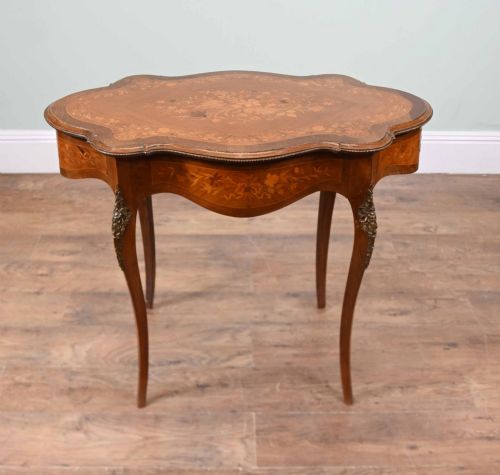
Some tables double as decanter caddies and planter stands.
What Varies in Quality
The distinction between tiers rests upon the precision of the floral marquetry inlay, the crispness of the hand-carved giltwood or walnut ornamentation, and the integration of ormolu mounts.
Superior examples display sophisticated mechanical elements, high-grade figured veneers like burr walnut or kingwood, and original marble tops fitted precisely to serpentine frames.
Francois Linke·Poix Blin·Amleto Bertoni
The Rococo Furniture Glossary
- Bombe
- A bulging, outward-curving shape typical of eighteenth-century chests of drawers and commodes. This swelling contour defines much of the continental case furniture.
- Marquetry
- Decorative veneer applied to furniture in mosaic patterns using various woods. Floral motifs are frequently seen across Dutch and French pieces.
- Ormolu
- Gilt-bronze mounts applied as decorative ornaments to furniture corners, feet, and aprons. This technique enhances the rococo aesthetic with metallic shine.
- Serpentine
- A front edge or surface shaped with a central convex curve flanked by concave sweeps. This flowing line characterises high-style tables and commodes.
- Vitrine
- A glass-fronted display cabinet utilised for showing porcelain and small collectibles. These pieces often feature elaborate marquetry and gilt mounts.
Rococo Furniture: Frequently Asked Questions
How do I identify eighteenth century pieces?
Eighteenth century examples show authentic timber ageing, hand-cut dovetailing, and natural wax patination on walnut and kingwood surfaces.
Revival pieces from the nineteenth century often utilise machine-sawn elements and heavier applied brass or ormolu mounts alongside period styling.
Where should I place a console table?
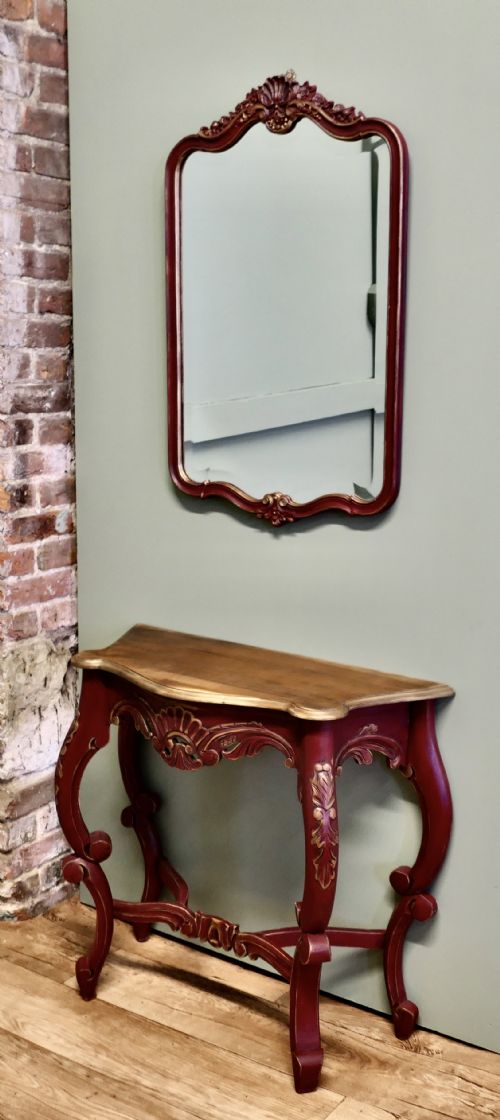
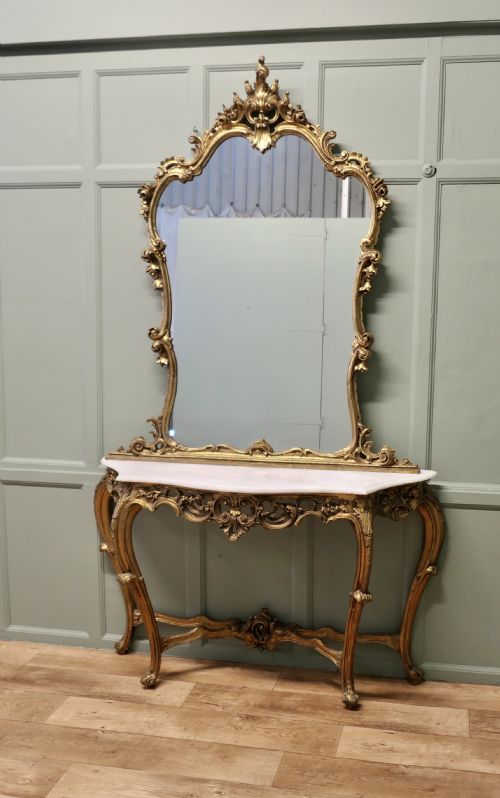
Console tables and matching mirror sets suit hallways, entryways, or living rooms against flat wall spaces.
Because many feature finished backs or require wall fixing, placement depends largely on whether the piece stands freely or relies on a pier mirror.
What is vernis martin?
Vernis martin is a simulated Japanese lacquer finish developed in France to mimic expensive oriental screens and cabinets.
It appears on select nineteenth-century vitrines and commodes, adding layered translucent colour to the case sides.
How do I care for marquetry surfaces?
Marquetry and parquetry require protection from direct sunlight and consistent indoor humidity to prevent veneer lifting.
Regular dusting with a dry cloth and occasional application of appropriate wax maintains the timber lustre without harming the finish.