
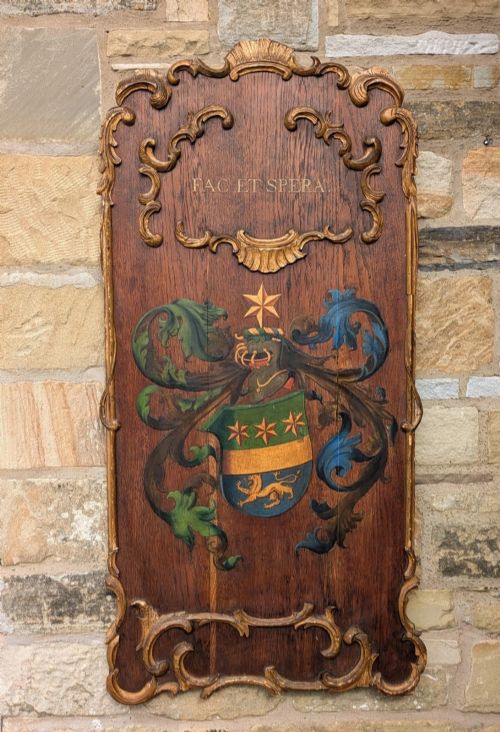
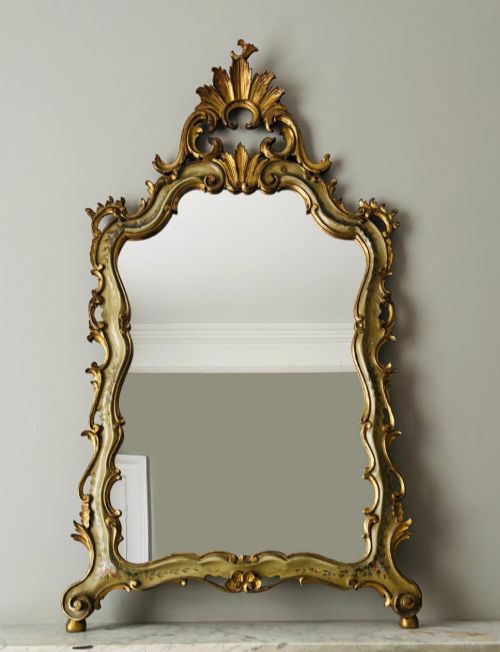
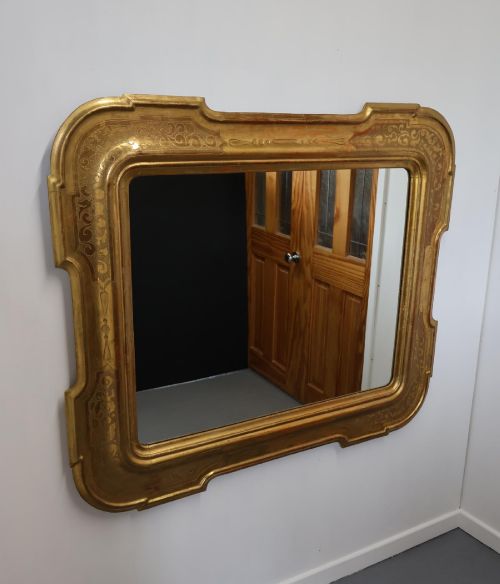
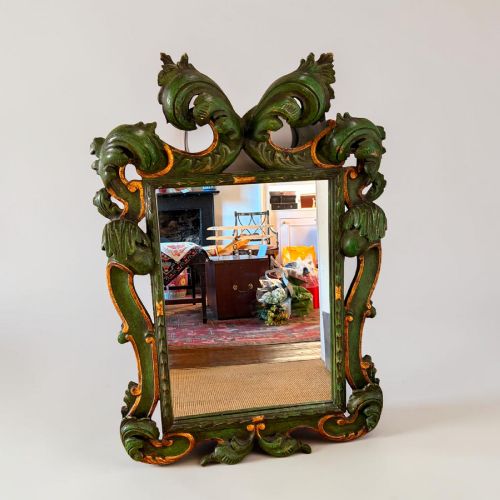
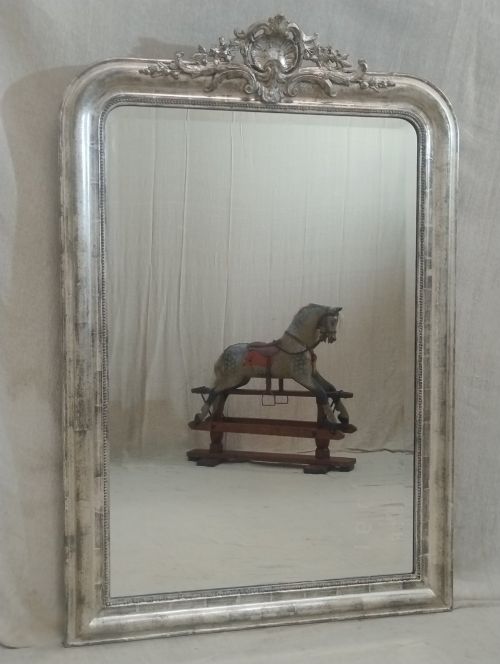
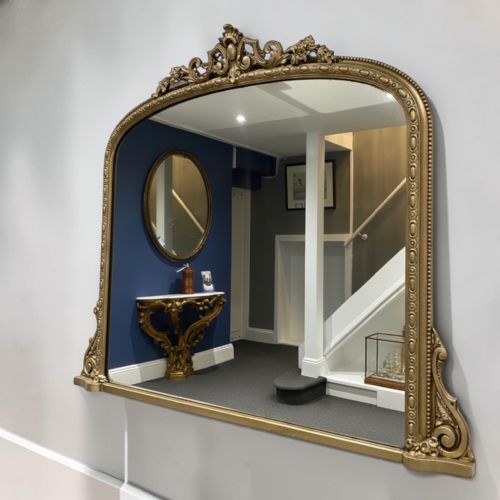
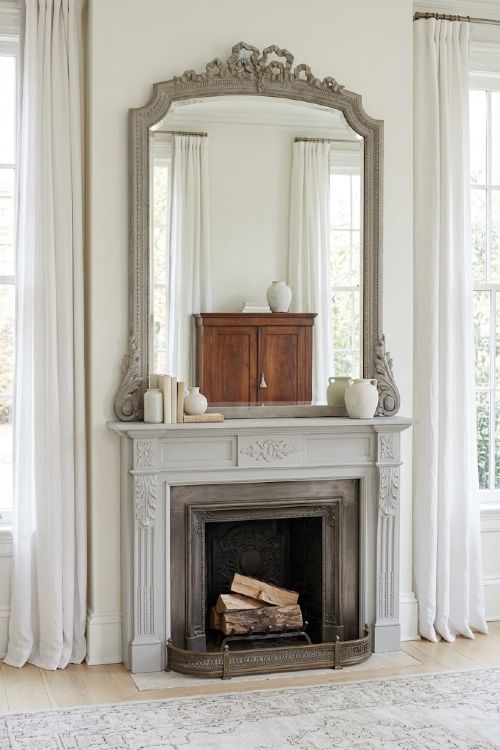
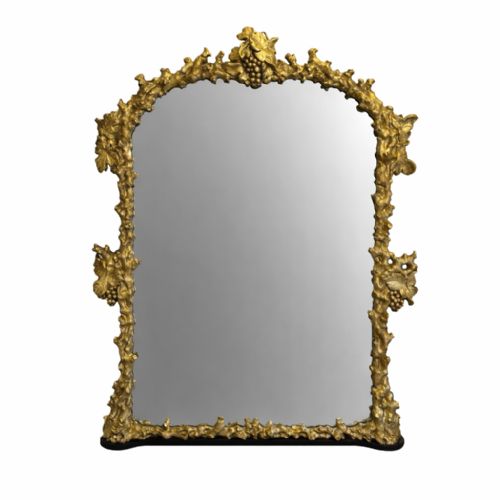
Rococo Carved Wall Frame
When you handle a rococo carved wall frame, you hold centuries of asymmetrical scrollwork and gilded timber in your hands.
Rococo Carved Wall Frame
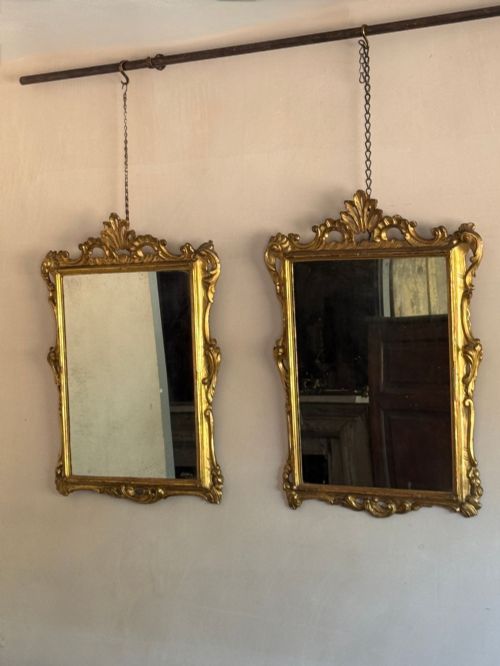
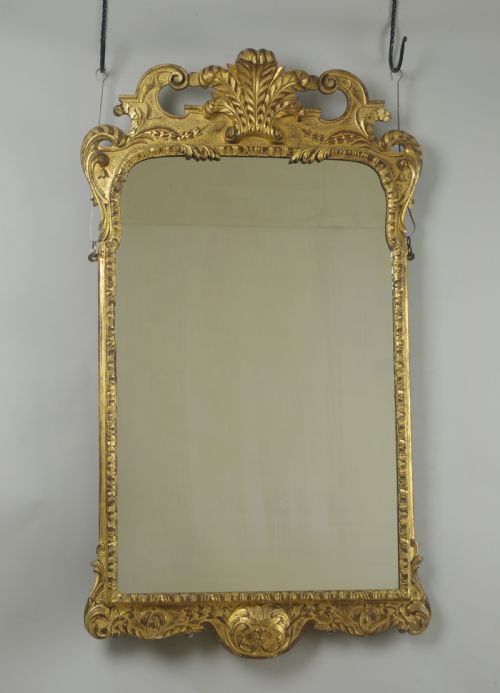
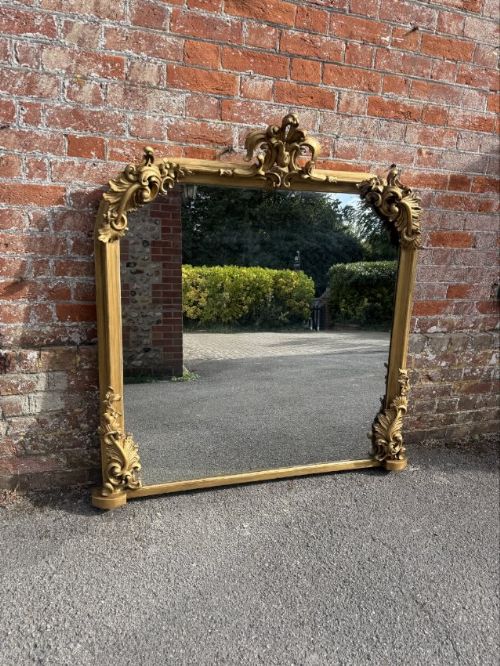
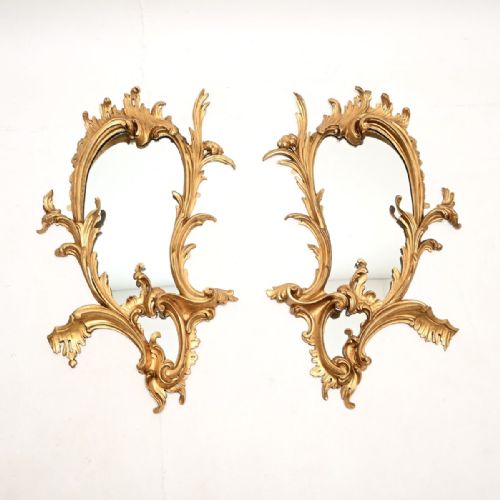
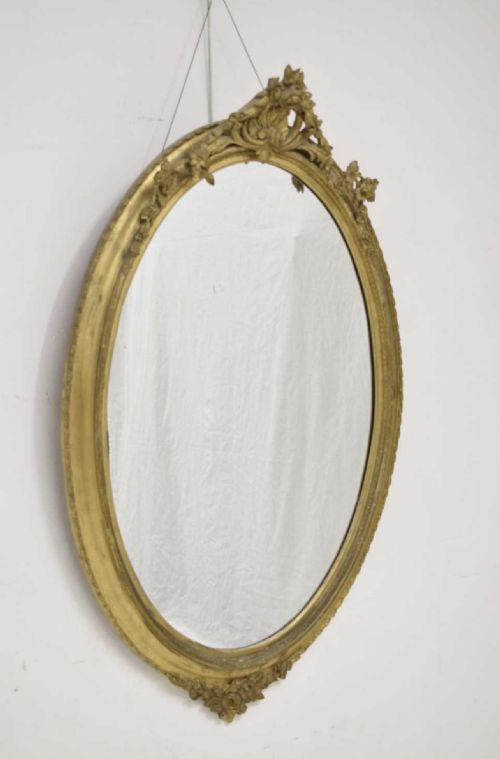
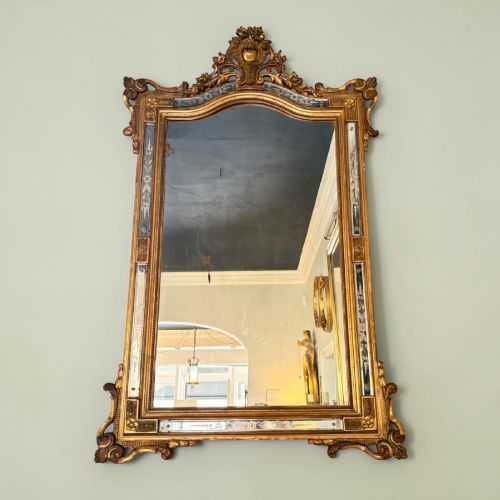
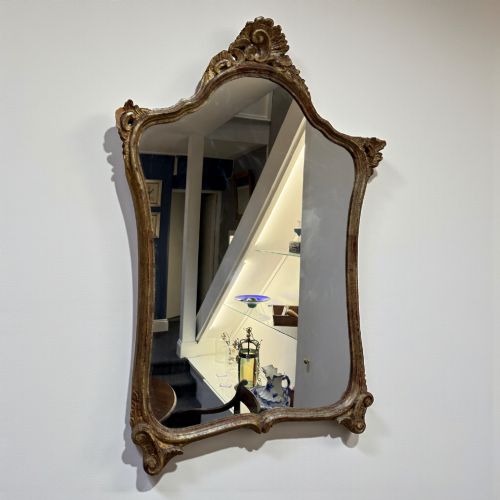
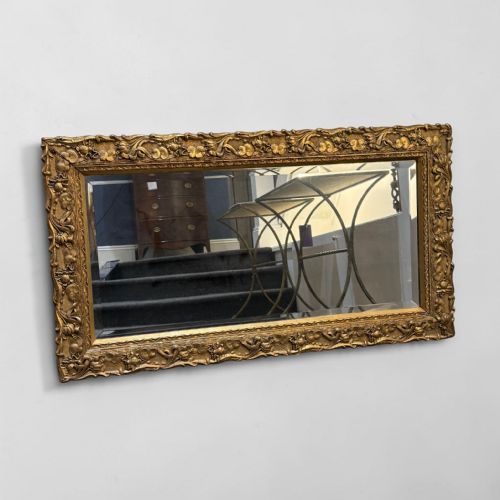
A rococo carved wall frame serves as an ornate housing for mirror glass, paintings, or architectural panels, bringing historic depth to an interior. When searching for a rococo carved wall frame, you encounter grand overmantels, tall pier mirrors, and smaller wall-mounted girandoles from British, French, and Italian workshops.
The pieces span centuries, appearing as authentic eighteenth-century creations from the original movement alongside nineteenth-century revivals and later twentieth-century interpretations. Overmantel mirrors dominate the selection, designed originally to sit above fireplace surrounds and reflect light around a grand room.
Makers utilised rich timbers like oak, walnut, and mahogany beneath elaborate plasterwork, shaping forms that range from simple oval profiles to expansive swept frames decorated with floral motifs, C-scrolls, and decorative masks.
How They Were Made
Carvers shaped solid wood foundations from oak, walnut, mahogany, or general timber before applying layers of gesso to build up high-relief ornamentation. This plaster mixture allowed artisans to carve intricate asymmetric scrolls, vine leaves, and naturalistic motifs with sharp definition.
Gilders applied thin sheets of gold leaf or silver leaf over a bole base, sealing the surface and burnishing areas to create contrasting matte and reflective textures. Many historical examples incorporate antique mirror plates, mercury glass, or bevelled glass secured behind the timber rebate.
Seafarers cross oceans on canvas inside several trumeau frames, where painted galleons battle eternal waves beneath the mirror glass.
What Varies in Quality
The depth and crispness of the carving separate superior examples from standard production, as skilled carvers undercut the wooden foliage to achieve a true sense of three-dimensional movement. Fine pieces display hand-tooled gesso work where floral elements and scrolls maintain sharp edges rather than a softened, cast appearance.
The integrity of the original gilding and the character of the glass plate dictate desirability, with authentic period surfaces showing natural ageing and historic silvering degradation. Heavier timber construction and robust joinery at the frame corners ensure the structure supports the considerable weight of antique glass without sagging.
The Rococo Carved Wall Frame Glossary
- Giltwood
- Timber coated with gold leaf over a prepared ground. It forms the primary reflective surface finish for grand mirrors.
- Gesso
- A plaster mixture applied to wood frames to create a smooth base for carving and gilding. Artisans model high-relief details directly into this medium.
- Girandole
- A branched wall-mounted bracket holding candles alongside a mirror plate. These pieces multiply candlelight within dimly lit historic rooms.
- Overmantel mirror
- A wide horizontal glass frame designed to hang above a fireplace mantelpiece. They frequently anchor the decorative scheme of a formal reception room.
- Trumeau
- A decorative wall mirror paired with an oil painting or panel above the glass plate. Originating in French interiors, these combine fine art with functional reflection.
Rococo Carved Wall Frame: Frequently Asked Questions
How do I hang a heavy antique overmantel safely?
Secure the frame directly into wall studs using heavy-duty brackets rated for the specific weight of the timber and glass. Distribute the load evenly across multiple fixing points.
Avoid relying solely on plasterboard, as the dense combination of wood, gesso, and mercury glass creates a substantial load.
What is the difference between an original eighteenth-century frame and a nineteenth-century revival?
Eighteenth-century pieces display hand-carved joinery, organic asymmetry, and authentic mercury glass plates showing natural foxing. The timber underneath tends to show deep oxidation and hand-cut construction marks.
Nineteenth-century revival pieces often utilise machine-assisted moulding for gesso elements and feature heavier, more uniform proportions typical of Victorian or Edwardian manufacturing.
Where were girandoles placed in historic homes?
Girandoles hung between windows or flanking prominent pieces of furniture to bounce natural light further into the space. The attached candle arms amplified illumination during evening hours.
Their smaller scale allowed them to fit narrow wall spaces where large overmantel mirrors could not go.