
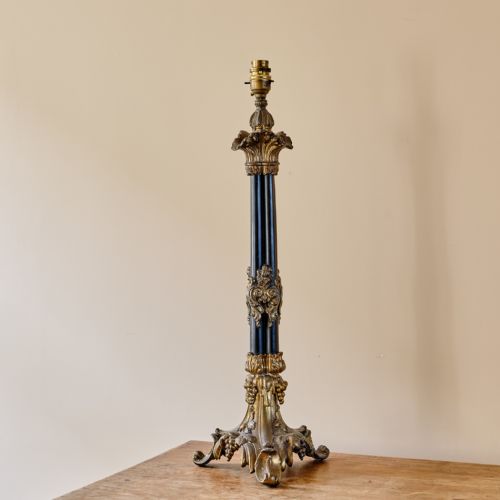
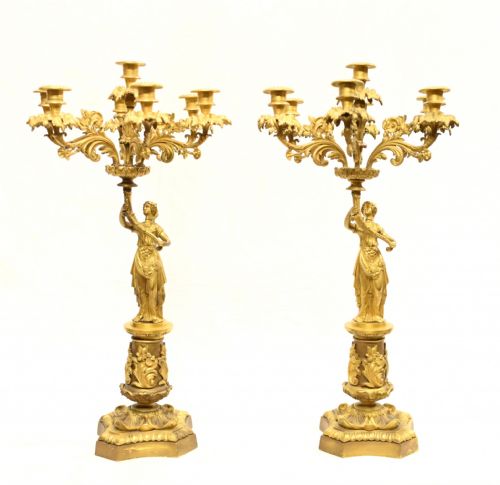


Rococo Brass Candlesticks
Rococo brass candlesticks bring elaborate, flowing curves and asymmetrical forms into a room, offering both period charm and sculptural presence.
Rococo Brass Candlesticks
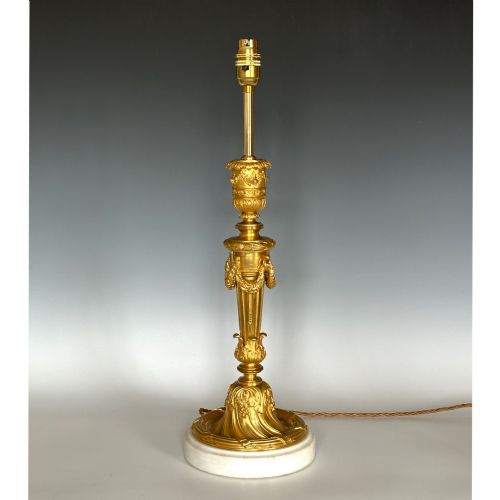
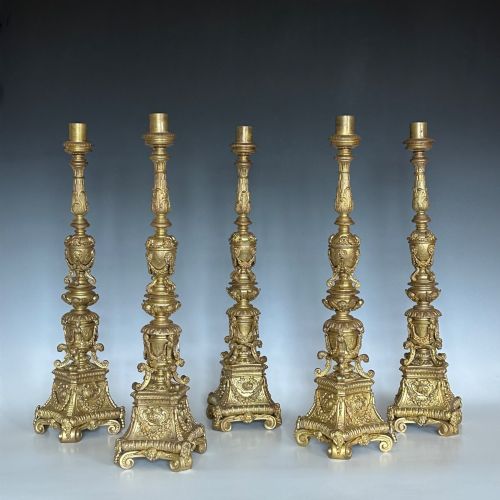
Rococo brass candlesticks combine sweeping, naturalistic motifs with the functional purpose of holding candles or supporting electrical conversions. When searching this phrase, a buyer encounters domestic lighting accessories originating primarily from the nineteenth and eighteenth centuries.
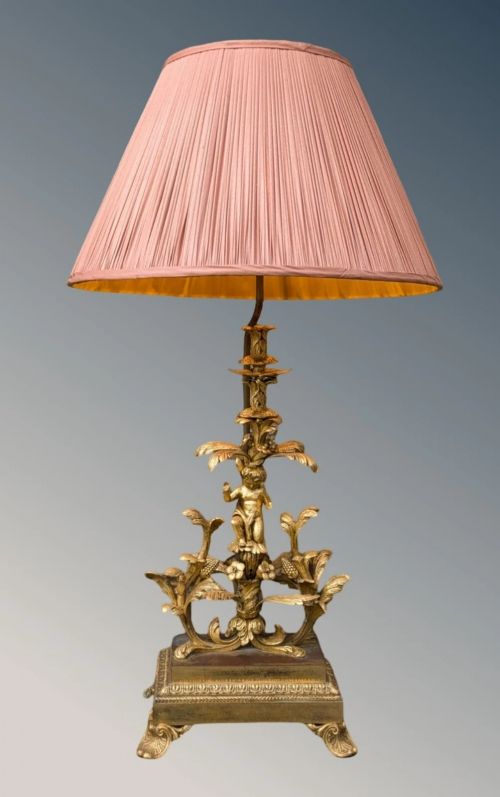
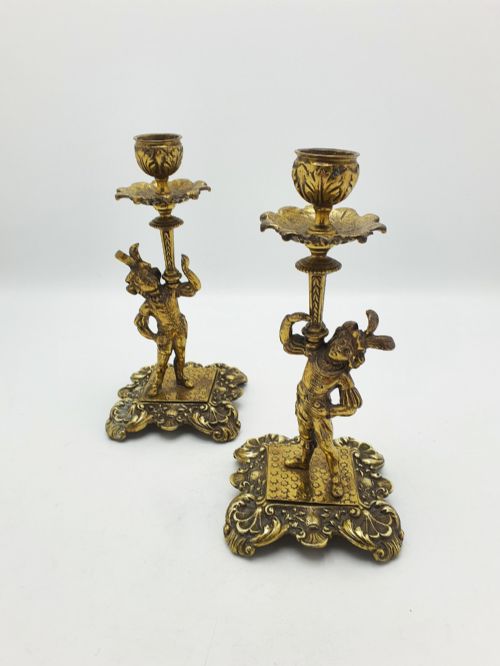
Makers and manufacturers of these pieces frequently drew upon French design vocabularies, incorporating scrolls, floral elements, and occasionally figural subjects such as cherubs. Examples range from simple brass desk accessories to substantial gilt bronze and ormolu lighting fixtures.
How They Were Made
These items rely heavily on metal-casting techniques, utilising cast brass, cast bronze, and gilt bronze to achieve complex, curving contours. Artisans poured molten metal into moulds, subsequently refining the raw castings through chasing and finishing to sharpen the decorative details.
Ormolu surfaces were achieved through the application of a gold mercury amalgam to bronze, producing a rich, lustrous finish that catches the light. Many pieces incorporate secondary materials such as marble bases, glass lustres, and fabric components to add textural contrast.
The inventory spans the eighteenth, nineteenth, and early twentieth centuries, including the Victorian era.
What Varies in Quality
The choice of materials and the integrity of the gilt surfaces also determine the standing of an object. Heavier gauges of bronze and brass, combined with well-preserved fire gilding or ormolu, signal superior craftsmanship and greater durability over time.
The Rococo Brass Candlesticks Glossary
- Ormolu
- A method of applying finely ground high-carat gold in a mercury amalgam to a bronze object, followed by firing to drive off the mercury. This technique creates a durable, golden surface finish characteristic of fine French decorative arts.
- Candelabra
- A branched lighting fixture designed to hold multiple candles or bulbs simultaneously. These items often feature removable arms or central stems that allow for versatile arrangement.
- Rococo Revival
- A nineteenth-century design movement that revived the curving lines, asymmetrical scrolls, and natural motifs of the eighteenth-century French Rococo period. This style dominates much of the ornamental metalwork from the Victorian era.
- Lustre
- A glass pendant or prism hung from a lighting fixture to reflect and multiply candlelight. Lustres add a decorative sparkle and were frequently incorporated into nineteenth-century candelabra and lamps.
Rococo Brass Candlesticks: Frequently Asked Questions
How do I clean rococo brass candlesticks?
Dust the metal gently with a soft, dry brush to prevent the accumulation of dirt within the intricate scrollwork. Avoid using abrasive commercial metal polishes, which can strip away original gilding or patina.
For more stubborn grime, use a damp cloth with mild soap and dry thoroughly immediately afterwards. Preserving the natural ageing of the metal maintains the historical character of the piece.
Were these pieces converted to electricity?
Many nineteenth-century lighting accessories found on the market have been adapted for modern use by housing electrical wiring through the central stem. This conversion process often occurred decades after the original manufacture to suit changing domestic habits.
Buyers can find both unconverted candlesticks intended solely for wax candles and examples wired as table lamps. Checking the wiring and base allows a collector to understand the extent of any alterations.
How can I tell a true period piece apart from later revivals?
Examine the construction methods, weight, and wear patterns on the underside and joints of the metalwork. Nineteenth-century revival pieces often display sand-cast textures and assembly techniques distinct from eighteenth-century originals.
Looking closely at the chasing reveals whether the details were finished by hand or cast directly. Comparing the weight and material composition against known period standards helps clarify the date of origin.
How do I display candelabra in a modern interior?
Place pairs on mantelpieces, sideboards, or large dining tables to create a symmetrical focal point in a room. Their reflective gilt and brass surfaces naturally draw the eye and interact well with both traditional and contemporary surroundings.
Ensure the scale of the object matches the furniture piece it rests upon. Using them simply as sculptural objects without candles or bulbs allows the intricate metalwork to stand alone as art.