



Rococo Architectural Carving
Rococo architectural carving brings dramatic scrolls, asymmetrical flourish and organic movement directly into an interior.
Rococo Architectural Carving
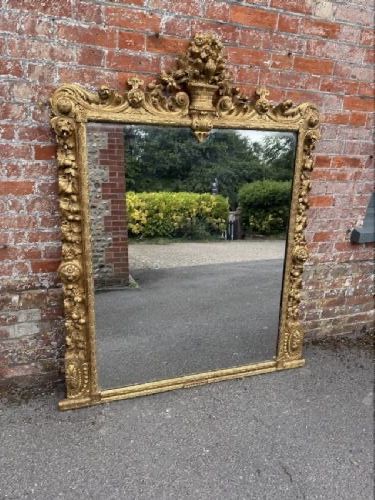
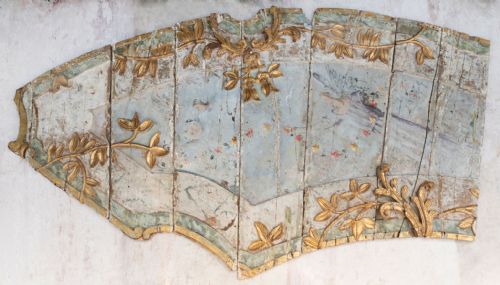
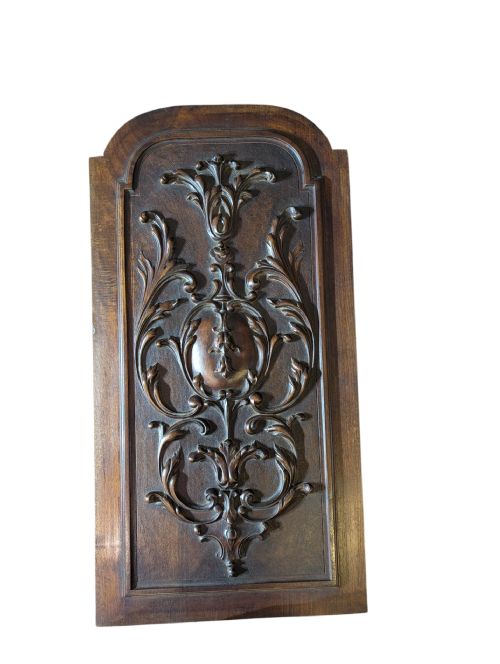
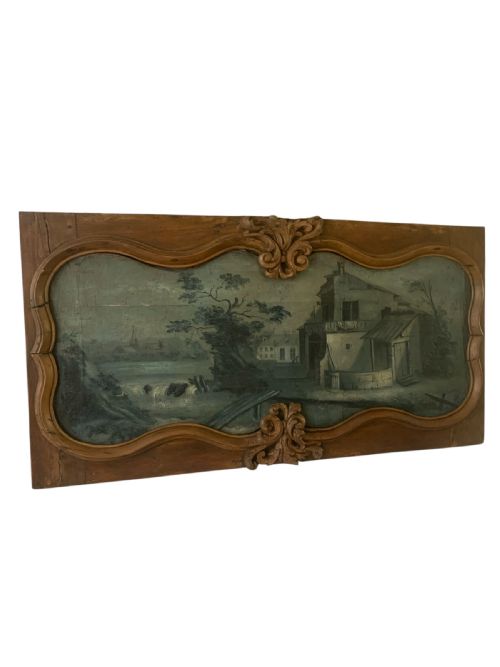
Rococo architectural carving encompasses decorative elements taken from or made for period rooms, including wall panels, overdoors, pediments and overmantel mirrors. These pieces originate across the eighteenth and nineteenth centuries, spanning Italian, French and English interpretations of the style.
The versions most commonly met on this page are nineteenth-century giltwood overmantel mirrors and carved wooden panels. Alongside these, buyers find architectural salvage, pelmets and decorative wall brackets showing revivalist and eighteenth-century influences.
Materials and methods
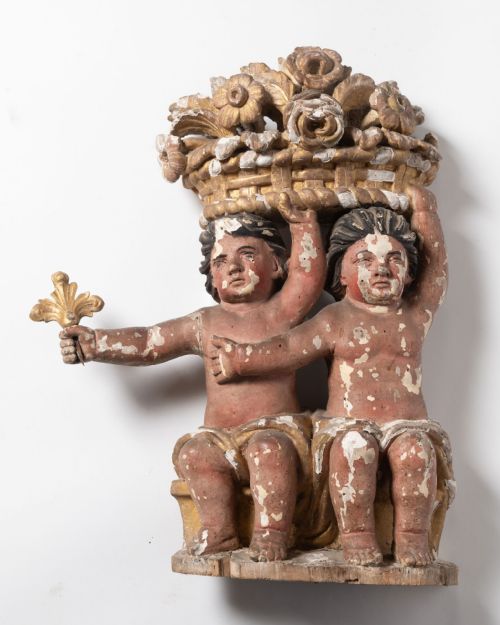
The pieces rely on carved wood, frequently utilising limewood or other pliable timbers that allow for deep, undercut relief work. Craftsmen shaped these materials into intricate scrolls, cherubs and botanical motifs.
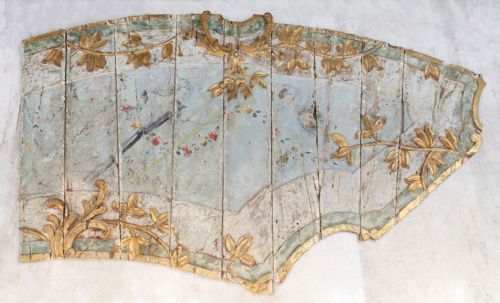
Surface finishes involve gesso applied as a base for gold leaf, silver leaf or paint. Polychrome and giltwood treatments protect the underlying wood while giving the carving its reflective or coloured presence.
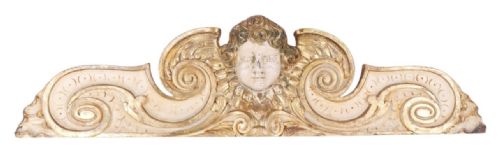
Keep an eye out for hidden cherubs peering out from architectural overdoors, keeping watch over the room.
Judging the work
Quality rests in the depth and sharpness of the hand carving, where superior examples exhibit crisp undercut details rather than soft, flat contours. The fluidity of the asymmetric scrollwork dictates the success of the composition.
The application of the surface finish plays a major role, with intact layers of historic gold leaf or original painted decoration holding significantly more visual integrity than later repainting or heavy restoration.
The Rococo Architectural Carving Glossary
- Giltwood
- Wood that has been coated with gold leaf over a prepared gesso ground. This technique creates a luminous surface that catches candlelight or natural daylight.
- Pediment
- The triangular or curved architectural ornament placed above a door, window or panel. In rococo design, these often break into elaborate scrollwork.
- Boiserie
- French interior wood panelling carved and decorated in relief. These panels frequently incorporate mirrors or painted scenes within architectural frames.
- Overmantel
- A decorative mirror or panel designed specifically to sit directly above a fireplace mantelpiece. They often dominate the wall space in a formal room.
- Appliqué
- A carved wooden element applied to a larger surface as a decorative accent. These pieces build up the layered, ornate effect typical of the style.
Rococo Architectural Carving: Frequently Asked Questions
How do I hang a heavy carved panel?
Large carved panels and overmantel mirrors require secure wall fixings distributed evenly across the weight-bearing points of the wooden frame. Professional installation ensures the piece sits safely without putting undue strain on historic joints.
Because these items often lack modern hanging hardware, custom brackets or french cleats provide a reliable method of mounting them flush against a wall.
Where should I place these carvings?
These pieces suit spaces where their sculptural form can act as a focal point, such as above a fireplace, over a doorway or mounted directly onto a plain wall as art. Their historic character contrasts effectively against minimalist contemporary backgrounds.
Placing them away from direct heat sources and strong sunlight protects the underlying gesso, paint and giltwood from drying out or flaking.
How do I tell eighteenth from nineteenth century?
Eighteenth-century examples generally display the hand-tool marks and organic fluidity characteristic of original period production. Wood species, tool execution and the ageing of the gesso ground offer clues to the exact era of manufacture.
Nineteenth-century pieces often reflect revivalist movements, showing precise interpretations of earlier styles alongside nineteenth-century joinery methods and preparation layers.
How do I clean giltwood and painted carvings?
Dusting requires a very soft, dry brush or feather duster to remove particles without disturbing delicate raised gesso or loose gold leaf. Moisture and modern cleaning chemicals damage historic finishes and must be avoided entirely.
Professional conservators should handle any significant cleaning or consolidation of flaking surfaces to preserve the integrity of the original material.