


River Scene Oil Artwork
When you search for river scene oil artwork, you are looking at painted depictions of waterways executed in oil paint.
River Scene Oil Artwork
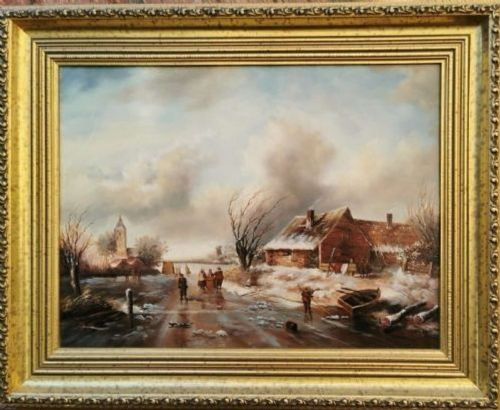
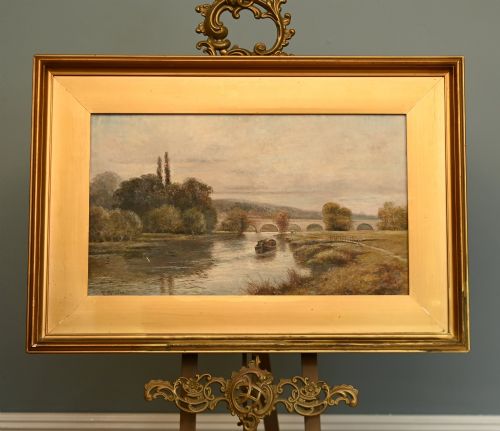
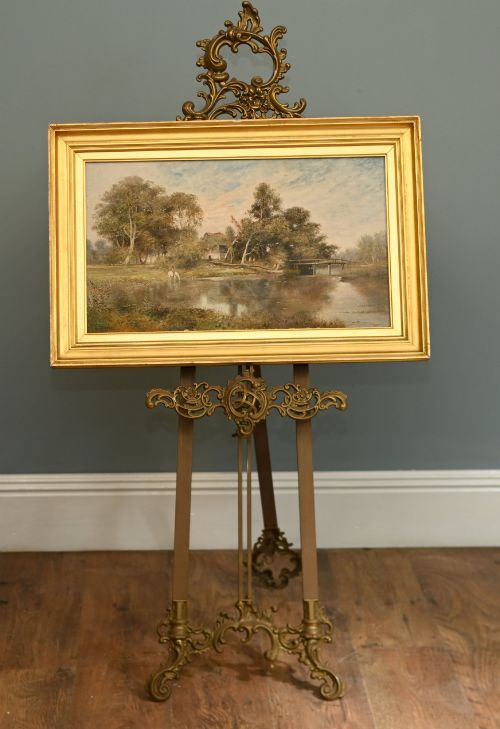
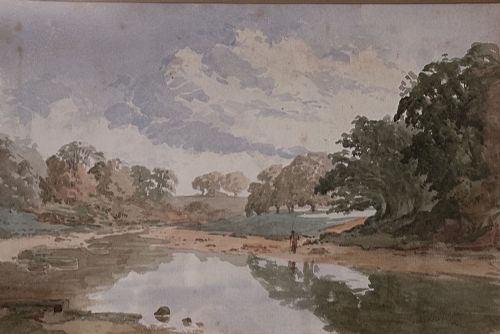
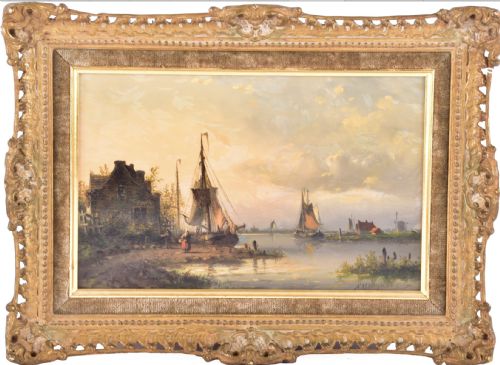
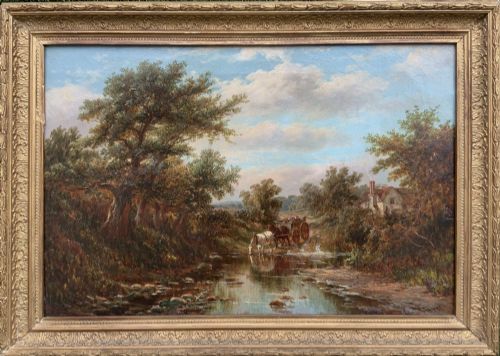
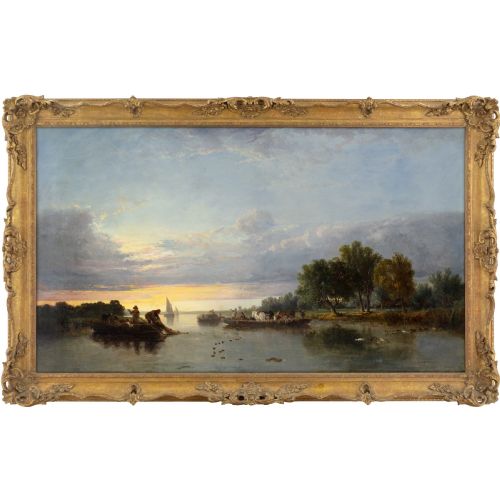
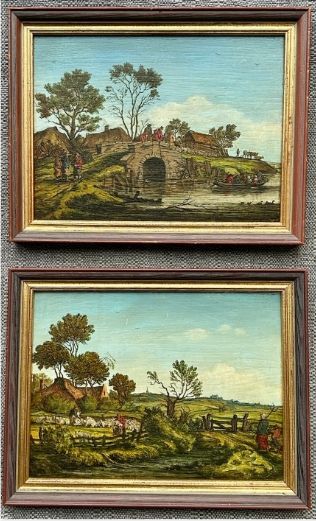
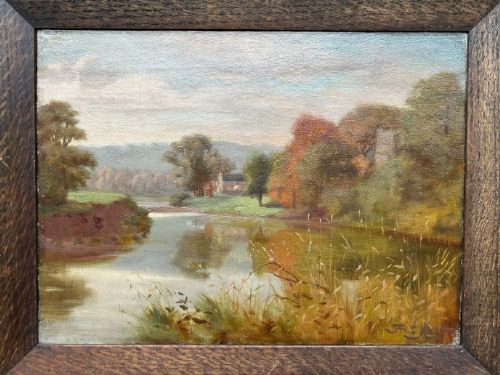
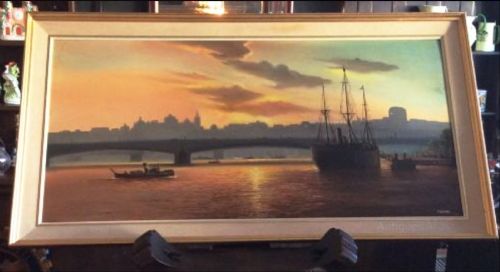
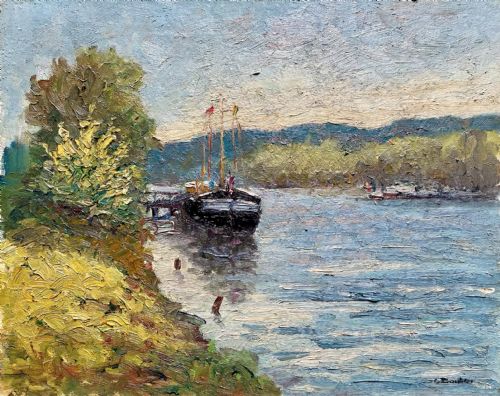
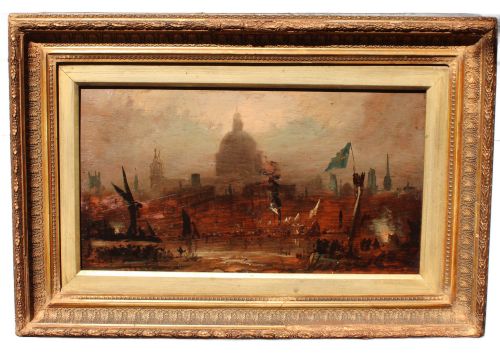
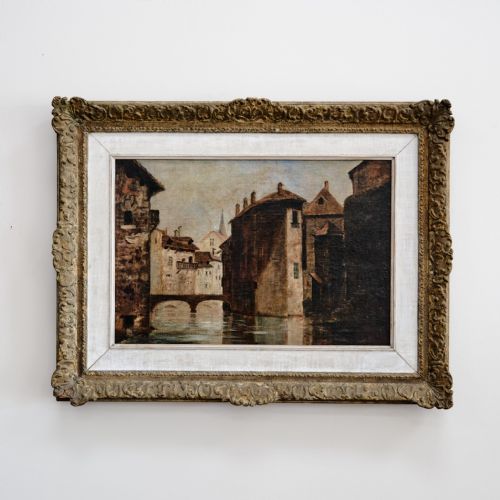
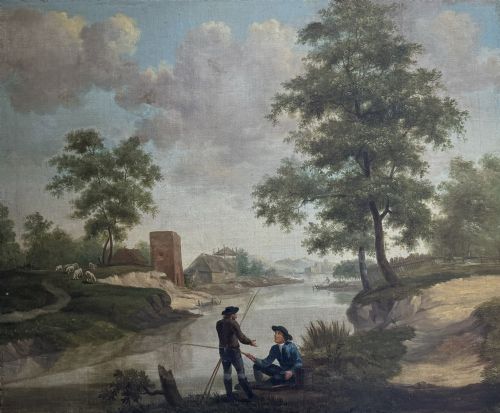
River scene oil artwork encompasses paintings rendered in oil on canvas, wood panel, or board that depict watercourses, bridges, and maritime views. These works capture natural and urban waterways ranging from the Thames and the Seine to Flemish rivers and Dutch frozen landscapes.
The selections available span periods from the eighteenth century through the nineteenth century and into the mid-twentieth century. Buyers will frequently encounter nineteenth-century British and French pieces, alongside early twentieth-century examples and mid-century impressionist interpretations.
The formats vary from intimate panel studies and tondo landscapes to large panoramic canvases and wall art. Subjects extend from rural riverbanks and locks to bustling city bridges, industrial harbours, and quiet footbridges.
How They Were Made
These works are built using oil paint applied to prepared supports such as canvas, wood panels, or rigid board. Many period pieces incorporate gesso priming beneath the pigment layer to seal the surface and provide a smooth ground.
Framed examples frequently utilise wooden mouldings finished with gesso, gilding, or gold leaf to enclose and protect the painting. Brushwork ranges from tight, academic realism to loose, impasto impressionist strokes applied with a palette knife or brush.
Surfaces utilised by artists in these records include stretched canvas, wooden panels, and rigid boards, often prepared with gesso.
What Varies in Quality
Quality rests upon the handling of light, atmosphere, and spatial depth within the composition. Stronger works demonstrate confident brushwork and a coherent tonal palette that conveys the specific mood of the waterway.
The skill of the artist dictates the vitality of the scene, whether rendering figures near a lock, the reflection of a sunset on a river, or the architectural detail of a bridge. Finer pieces maintain harmony across the entire canvas, balancing the water, sky, and surrounding landscape.
Kenneth Cozens·W Klombeck·Frederick Marriott·Albert Bierstadt·Cyril Walduck Edwards·Henri Ottmann·Herbert Royle·Florence Adelina Hess·T C Hofland·Henry H Parker·T. Bergman·John Macvicar Anderson·Honore Cavaroc·Archibald Kay·Henri Jaques Delpy·Thomas Baker of Leamington·André Prévot-Valéri·Arthur Herbert Rigg·John Bell·Ron Folland
The River Scene Oil Artwork Glossary
- Oil on Canvas
- A traditional painting medium where oil paint is applied to a woven fabric stretched over a wooden frame. This combination allows for rich colour blending and textured brushwork.
- Impasto
- A technique where oil paint is laid thickly on the surface, standing out in relief from the canvas. It adds physical texture and catches light dynamically.
- Gesso
- A white paint mixture consisting of a binder mixed with chalk, gypsum, or pigment used as a preparation layer. It creates a smooth, stable surface for oil painting.
- Tondo
- A Renaissance term for a circular painting or relief. These round formats offer a distinctive compositional challenge for landscape artists.
- Giltwood
- Wood that has been treated with gold leaf or a gold-coloured finish. It is commonly found on traditional frames surrounding period paintings.
River Scene Oil Artwork: Frequently Asked Questions
What periods do these river paintings come from?
The available works span several centuries, beginning with eighteenth-century British School pieces and extending through nineteenth-century Victorian and Edwardian examples. You will also find mid-twentieth-century interpretations dating from the 1950s and 1960s.
This broad chronological range allows collectors to select works reflecting distinct artistic movements, from romanticism and the Dutch school to various phases of impressionism.
How do I identify the medium used in a listing?
Listings typically specify the primary materials, such as oil on canvas, oil on wood panel, or oil on board. Gesso and gold leaf are also frequently mentioned in relation to the preparation of the support or the construction of the frame.
Examining the listed support material helps determine whether the artwork is executed on a flexible fabric or a rigid wooden base.
Where were these river scenes painted?
The geographical scope covers diverse waterways across Britain and continental Europe. Common locations include the Thames in London, the Seine in France, Flemish rivers, and various rural waterways, locks, and coastal harbours.
Artists frequently recorded specific topographical landmarks, such as Waterloo Bridge, Prague Castle, or regional landscapes in Yorkshire and Normandy.
How should I display an oil painting at home?
Oil paintings on canvas or panel benefit from stable indoor environments away from direct, harsh sunlight and excessive moisture fluctuations. Most period pieces arrive within their original or period-appropriate frames, ready to hang on a wall.
Ensure the hanging wall can support the weight of the frame, particularly for larger panoramic works and giltwood mouldings.