



Rich Brown Study Desk
A rich brown study desk brings warmth and history to a room, offering practical workspace in traditional timbers.
Rich Brown Study Desk
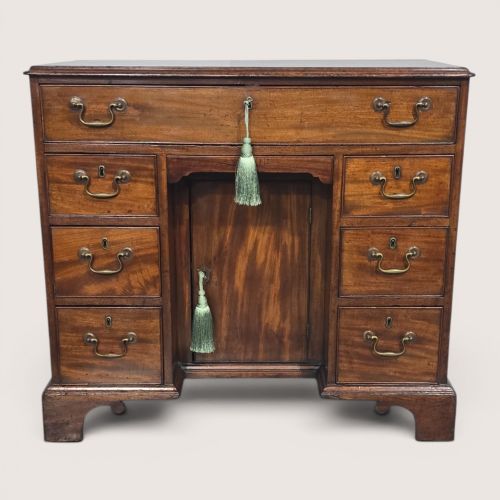
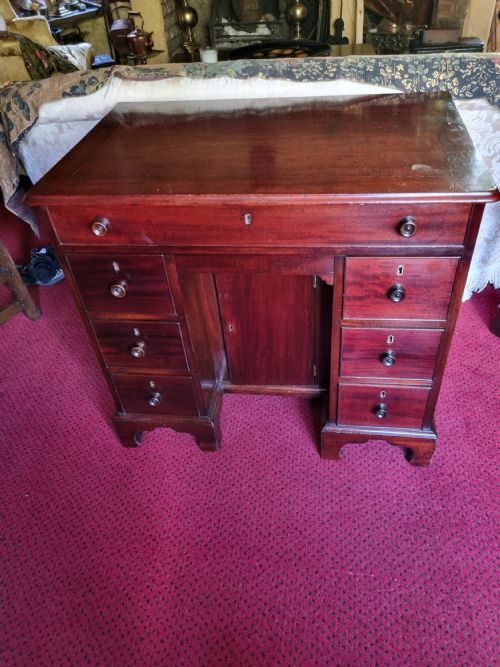
When searching for a rich brown study desk, buyers encounter forms spanning the eighteenth, nineteenth and early twentieth centuries. These pieces appear primarily as writing tables, writing desks, kneehole desks and bureaux.
The materials reflect traditional cabinet making, with mahogany and walnut forming the backbone of the selection alongside rosewood and fruitwood inlay. Stylistic influences range through Georgian, Victorian, Regency and Edwardian periods.
Construction and Materials
Timbers such as solid mahogany and burr walnut provide the foundational dark, rich tones characteristic of these writing furniture pieces. Cabinet makers utilised brass for hardware and incorporated leather writing surfaces into the designs.
Inlay work in fruitwood and marquetry details demonstrate the decorative techniques applied during the eighteenth and nineteenth centuries. Construction methods range from pedestal arrangements to drawer configurations suited to writing and storage.
Rich Brown Study Desk Retail Price Guide 2026
Typical asking prices for rich brown study desk among the pieces listed under this phrase on Sellingantiques today, from the lower quarter to the upper quarter. They describe what is for sale here now, not the wider market.
Some nineteenth-century models feature a pop-up mechanism, proving that clever hidden compartments are not a modern invention.
Assessing Quality and Execution
Superior examples demonstrate refined proportions and meticulous timber selection, particularly in burr walnut and figured mahogany surfaces. The integration of decorative elements like fruitwood inlay or exhibition quality craftsmanship elevates a piece above standard utility desks.
Structural integrity, the quality of drawer construction and the preservation of original materials distinguish higher tier items. The finesse of the carving and the depth of the timber grain determine the overall presence of the desk.
The Rich Brown Study Desk Glossary
- Kneehole desk
- A writing desk featuring a recessed central space for the user's legs, flanked by pedestals of drawers. This form became popular during the eighteenth century for domestic studies.
- Bureaux
- A sloping flap desk that opens to reveal internal pigeonholes and small drawers. These pieces often sit atop a chest of drawers.
- Marquetry
- Decorative veneer patterns applied to furniture using various coloured woods. Dutch examples frequently display floral and botanical motifs.
- Pedestal desk
- A heavy writing desk built upon two self-contained pedestals of drawers. These units support a single wide top surface.
- Writing table
- A freestanding table designed primarily for correspondence rather than storage. These typically feature slim drawers beneath the writing surface.
Rich Brown Study Desk: Frequently Asked Questions
What is a kneehole desk?
A kneehole desk is a traditional form featuring a central recess for seating, flanked by stacks of drawers on both sides. This layout provides structured storage while maintaining a compact footprint for a study.
Such desks date across the Georgian and Victorian eras, often finished in rich mahogany with inset leather writing tops.
How do I date a wooden desk?
Dating relies on examining the timber species, construction methods, and stylistic cues such as Georgian proportions or Victorian embellishments. Drawer dovetailing and hardware types also offer clues to the period of manufacture.
Cabinet makers of different eras utilised specific woods and decorative techniques, from eighteenth-century solid mahogany to Edwardian lighter builds.
What is a bureau desk?
A bureau desk incorporates a hinged sloping flap that folds down to create a writing surface. Inside, small compartments and pigeonholes organise stationery and documents.
These pieces often combine storage drawers below with the compact writing cabinet above, suiting smaller study spaces.
Are these desks suitable for daily work?
Many antique writing desks and tables function well for modern study use, provided the writing height matches ergonomic needs. Their solid timber construction offers durability for everyday tasks.
Leather inserts and drawers provide practical surfaces and storage, though modern equipment placement should be considered relative to historical dimensions.