



Revival Oak Sideboard
A revival oak sideboard brings heavy historical character to a dining room, offering substantial timber storage built in past centuries.
Revival Oak Sideboard
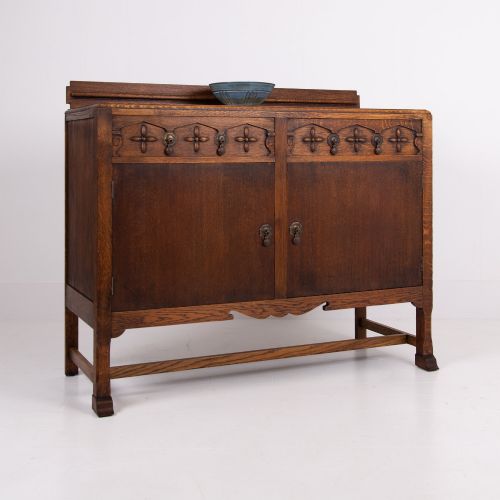
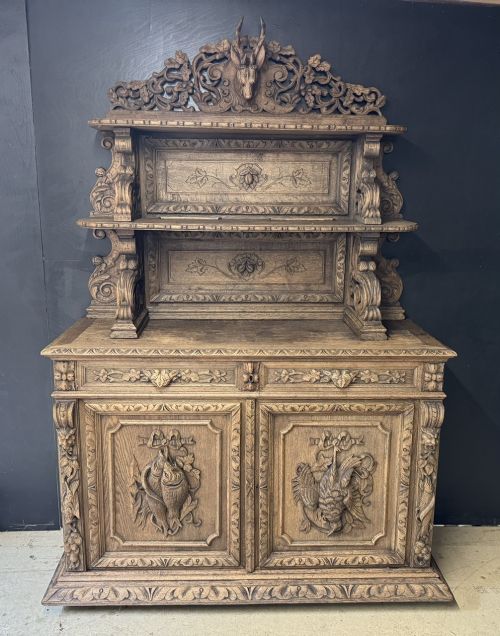
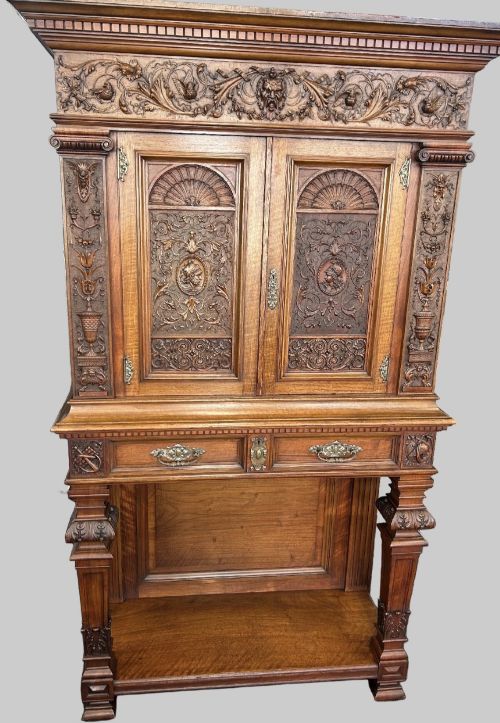
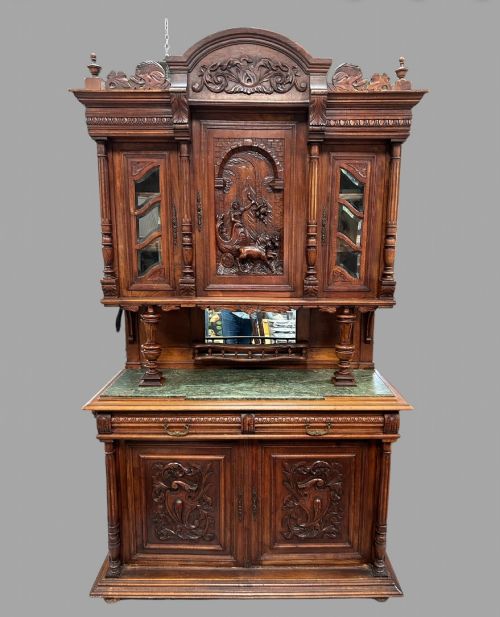
A revival oak sideboard is a substantial storage piece built during periods that looked back to older historical styles, primarily the Victorian and Edwardian eras, alongside the early twentieth century. When searching this phrase, buyers encounter heavy timber furniture taking the form of sideboards, buffets, dresser bases, and cabinets.
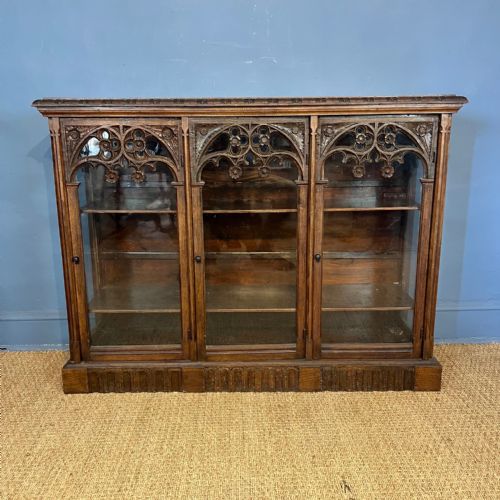
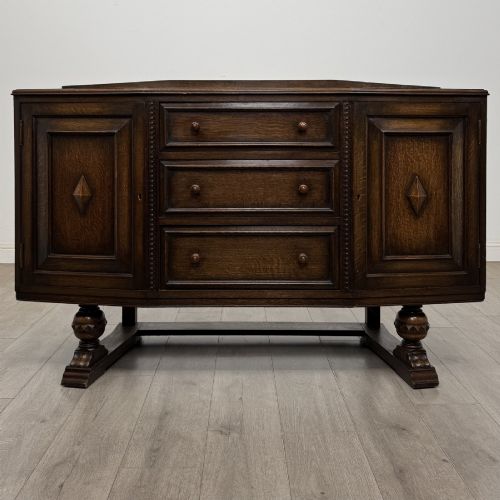
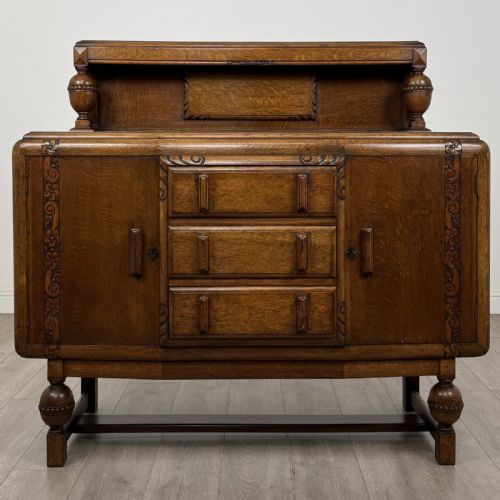
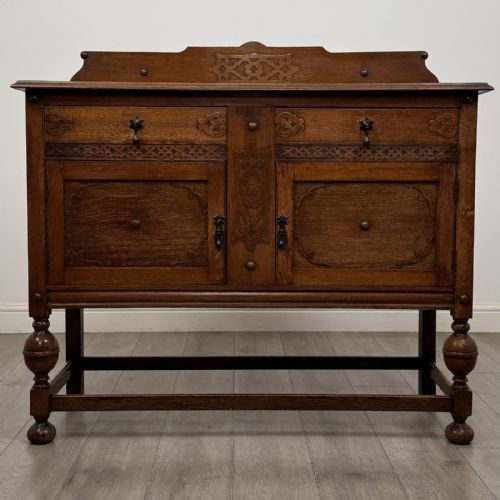
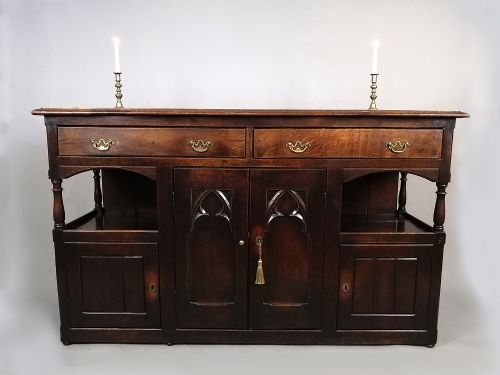
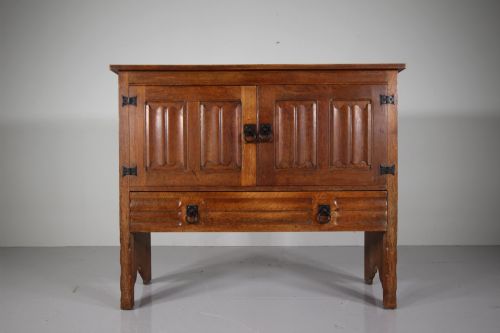
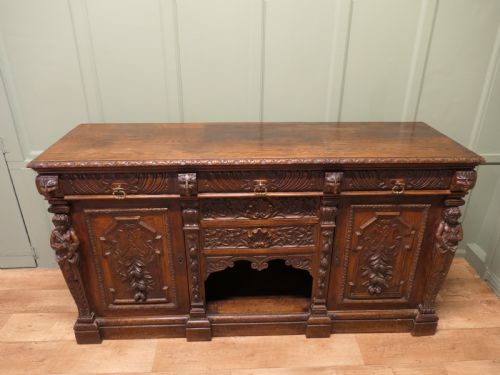
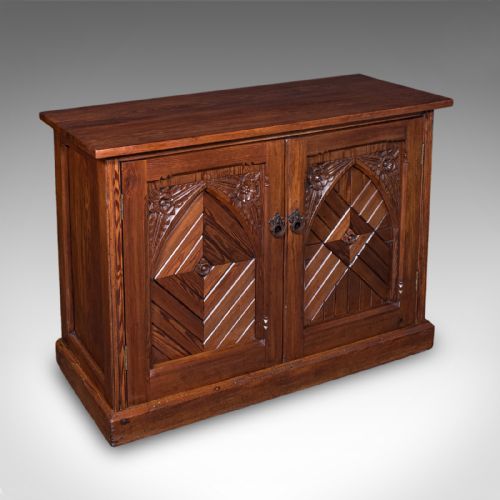
The dominant aesthetic draws heavily from Jacobean, Gothic, and Renaissance revivals, executed mainly in solid oak. Pieces range from large mirror-backed sideboards to narrower dresser bases and linenfold cupboards fitted with brass or iron hardware.
How they were made
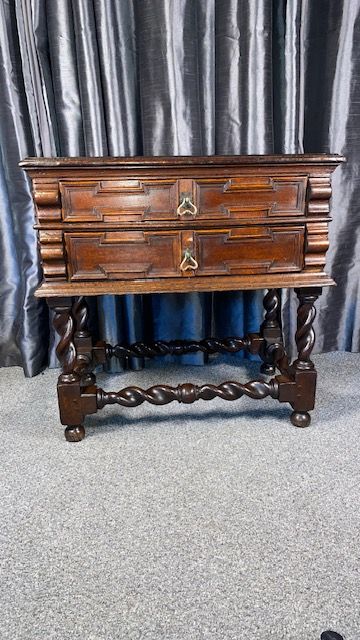
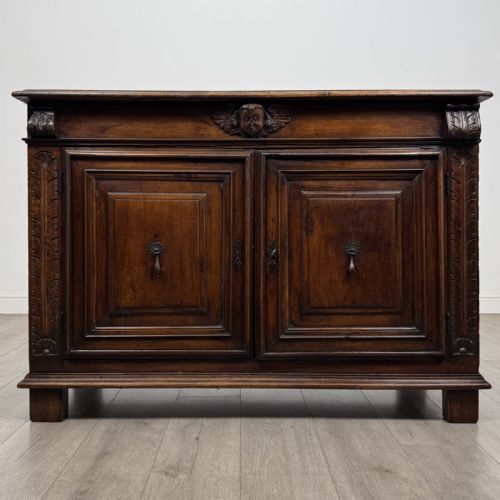
Makers utilised solid oak alongside supporting timbers like pine, shaping surfaces with deep hand-carving including green man motifs, linenfold panels, and geometric mouldings. Structural support often relied on heavy stretcher bases or turned barley-twist legs.
Metal components such as brass handles and iron fittings secure doors and drawers, while occasional variants incorporate glass panels, ebonised hardwood accents, or marble tops.
Revival Oak Sideboard Retail Price Guide 2026
Typical asking prices for revival oak sideboard among the pieces listed under this phrase on Sellingantiques today, from the lower quarter to the upper quarter. They describe what is for sale here now, not the wider market.
Listings feature oak predominantly, alongside walnut, pine, and ebonised hardwood across Victorian, Edwardian, and twentieth-century periods.
What varies in quality
The standard of carving sets the hierarchy among these pieces, separating mechanical factory output from deeply sculpted artisanal work. Crisp detail in figural elements like lion masks or green man faces indicates superior craftsmanship.
Timber selection and structural articulation also divide the range, with dense golden or solid oak assemblies supported by sturdy stretcher bases outlasting lighter constructed variants.
Jaycee·Gillows·Liberty
The Revival Oak Sideboard Glossary
- Linenfold
- A style of wood carving that imitates folded linen cloth, frequently seen on cupboard doors from the revival periods. This decorative technique adds vertical texture to flat wooden panels.
- Stretcher base
- A horizontal system of wooden bracing connecting the legs of a sideboard near the floor for added stability. It is a common feature on heavier oak furniture.
- Barley-twist
- A turning technique that shapes furniture legs or supports into a spiral resembling twisted barley sugar. This decorative support appears often on Edwardian and later pieces.
- Green man
- A sculptural motif depicting a human face surrounded by or sprouting from foliage, symbolising rebirth. Carvers employed this detail prominently on nineteenth-century oak furniture.
- Enfilade
- A long sideboard or cabinet designed for serving food, originating in France. These pieces often feature marble tops and extensive provincial carving.
Revival Oak Sideboard: Frequently Asked Questions
What periods do these sideboards come from?
The listings span from the nineteenth century through to the 1930s, encompassing Victorian, Edwardian, and early twentieth-century eras.
Craftsmen during these times deliberately revived older historical aesthetics such as Jacobean, Gothic, and Tudor designs.
How were these sideboards used originally?
These pieces served primarily in dining rooms and halls for storing tableware, linens, and serving food during large meals.
Cabinets and dresser bases provided enclosed storage behind heavy wooden doors, while upper surfaces held dishes or decorative items.
How do I identify a revival style?
Revival pieces display specific historical motifs like geometric panels, linenfold carving, and barley-twist legs applied to nineteenth or twentieth-century furniture.
They copy the heavy proportions and dark finishes of earlier centuries rather than following contemporary modern designs of their own era.
Are these pieces made of solid wood?
The material recorded is predominantly solid oak, though secondary woods like pine or walnut appear in internal construction and French provincial pieces.
Metal hardware in brass and iron supports the heavy timber structure.