

Revival Dining Furniture
Revival dining furniture brings historic craft back to the room, offering sturdy oak tables and carved walnut seating for everyday meals.
Revival Dining Furniture
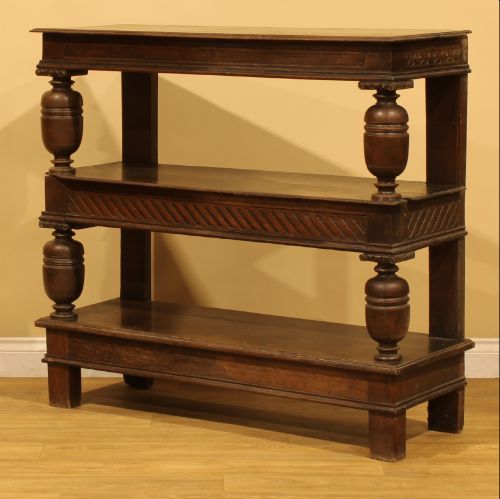
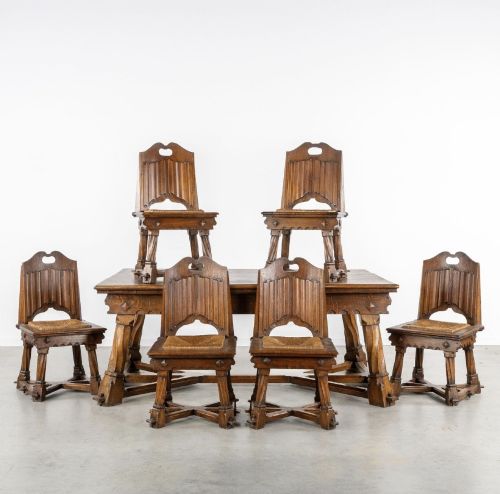
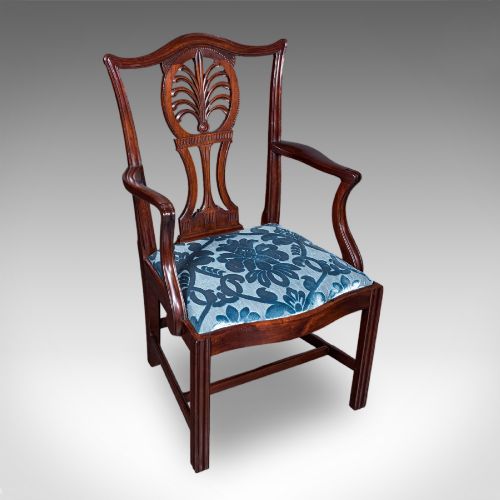
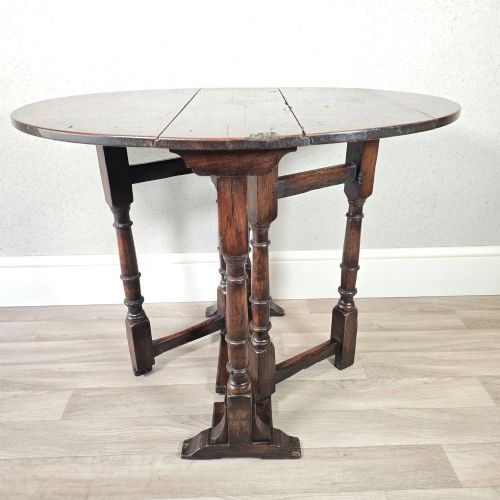
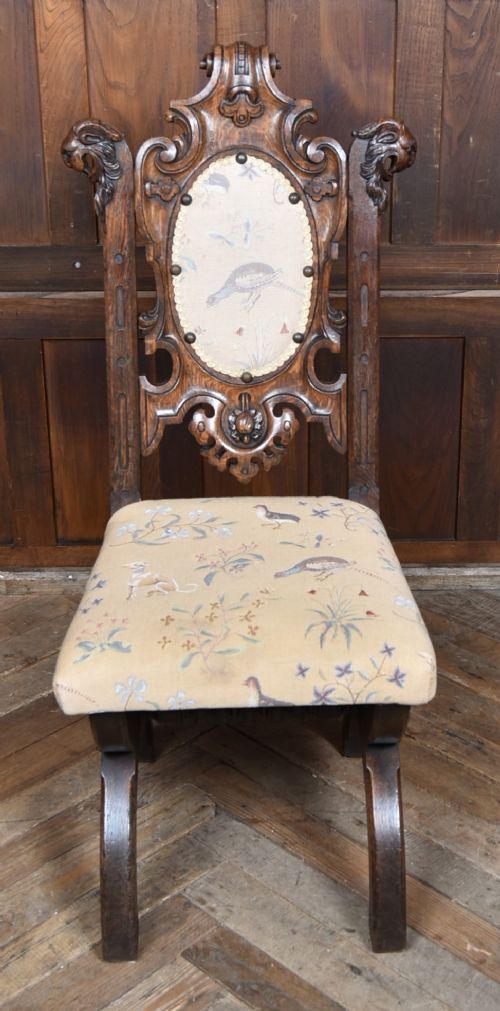
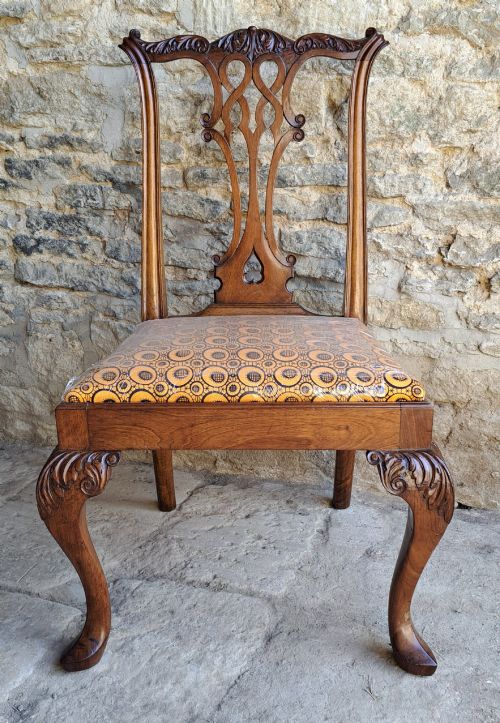
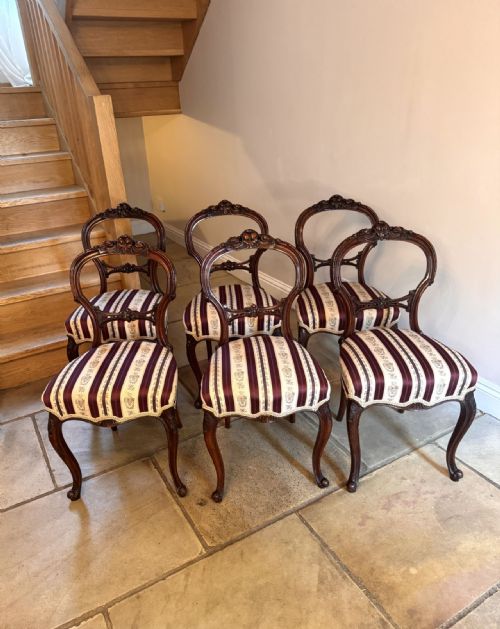
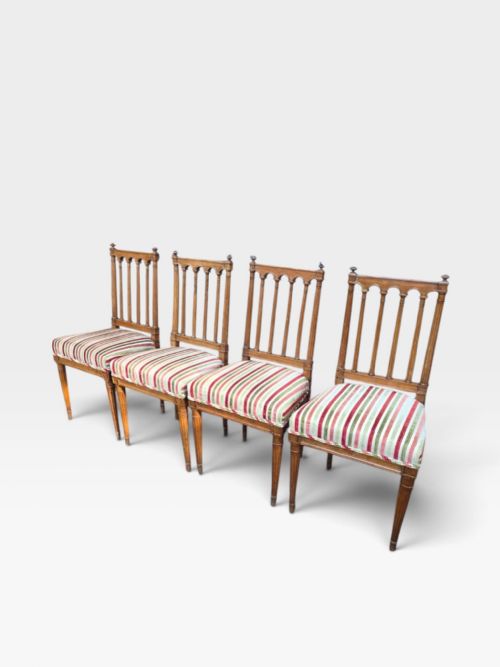
Revival dining furniture encompasses tables, chairs, sideboards and benches created in earlier historical modes during the nineteenth and early twentieth centuries. When searching for revival dining furniture, buyers encounter pieces drawing on Gothic, Jacobean, Sheraton, Georgian and Adam designs.
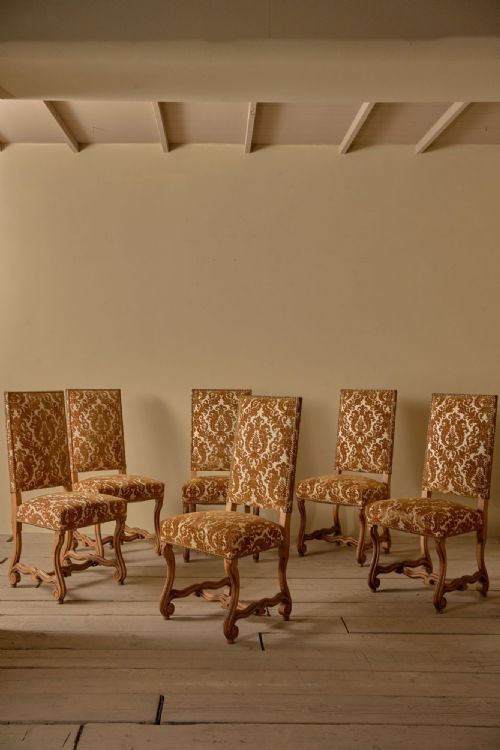
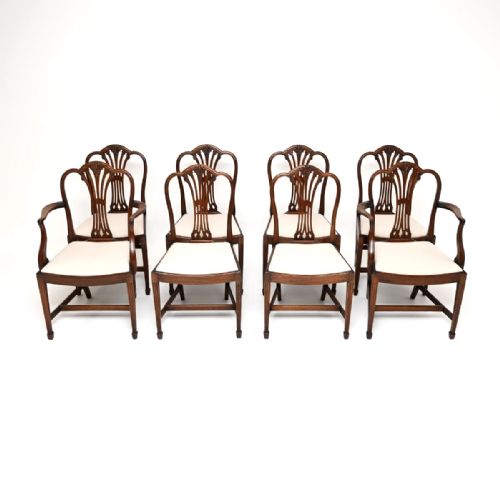
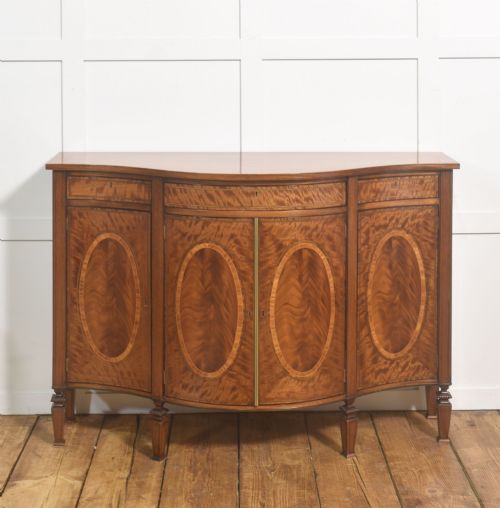
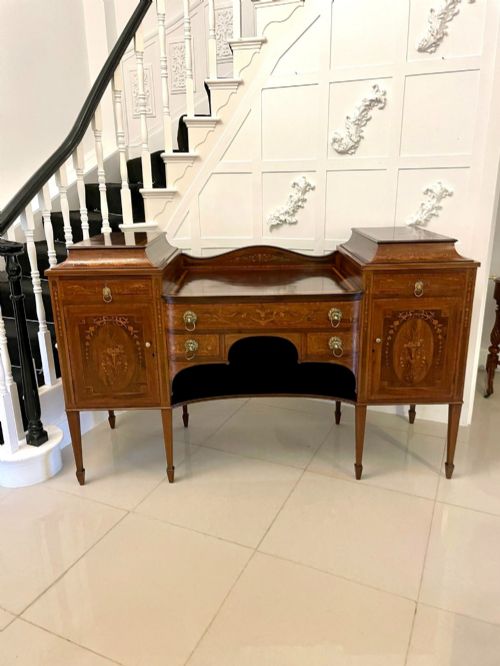
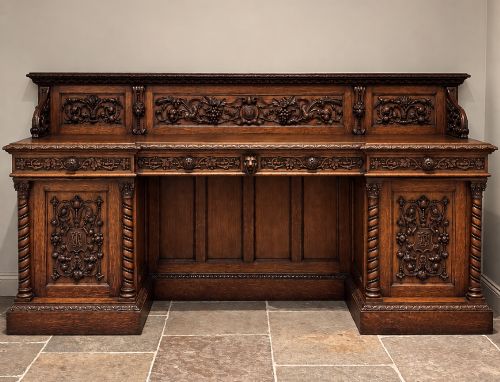
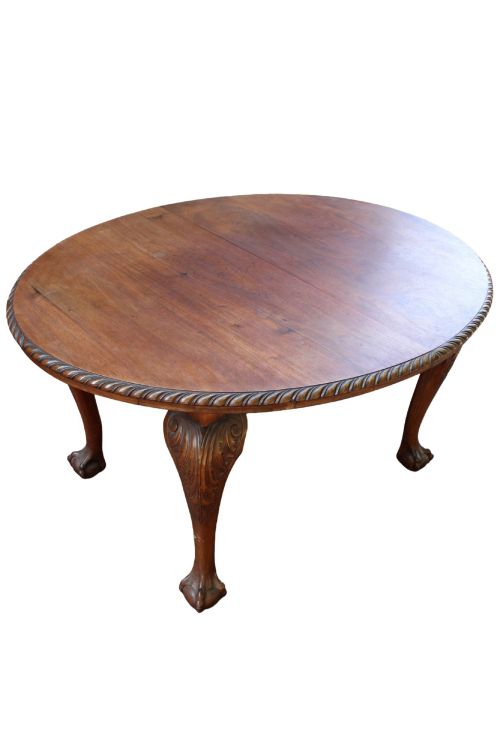
The selection on this page relies heavily on Victorian and Edwardian interpretations, spanning large oak sideboards, mahogany extending tables and sets of dining chairs. These items reflect past eras while serving modern dining spaces with substantial timber frames and practical forms.
Materials and construction
Cabinet makers utilised dense hardwoods including oak, mahogany, walnut and rosewood to construct these substantial tables and sideboards. Timbers were often selected for deep grain patterns and solid weight, ensuring long durability during daily meals.
Joinery techniques combined traditional framing with decorative elements such as marquetry inlay in satinwood, brass fittings and hand-carved relief work. Chairs frequently paired carved wooden supports with original tapestry or fabric textile seats.
Revival Dining Furniture Retail Price Guide 2026
Typical asking prices for revival dining furniture among the pieces listed under this phrase on Sellingantiques today, from the lower quarter to the upper quarter. They describe what is for sale here now, not the wider market.
A nineteenth-century dining table complete with a green man carving watches silently over your Sunday roast.
Distinctions in quality
Quality rests upon the depth of hand-carving, the precision of timber matching and the integrity of structural joinery. Finer pieces demonstrate crisp details in carved motifs and smooth operation in extending table mechanisms.
Makers identified by workshops or labels, alongside superior timber selection such as figured walnut or inlaid satinwood, elevate certain sideboards and dining chairs above standard production items.
Hewetsons London·Liberty And Co·Whytock And Reid·Edwards And Roberts·Morison And Co
The Revival Dining Furniture Glossary
- Gothic Revival
- A style drawing on medieval architecture, featuring pointed arches, trefoil carvings and heavy oak construction. It appears frequently in nineteenth-century chairs and sideboards.
- Sheraton Revival
- A lighter neoclassical style utilising satinwood, mahogany, and delicate marquetry inlay. Pieces often display bow-front shapes and tapered legs.
- Draw-Leaf Table
- A dining table equipped with pull-out leaves stored beneath the main top. This mechanism expands the surface area quickly.
- Marquetry
- The art of applying decorative veneer pieces to form geometric or floral patterns. It adorns the surfaces of finer sideboards and cabinets.
- Breakfront
- A cabinet or sideboard whose central section projects forward from the flanking sides. This shape creates visual depth in large dining rooms.
Revival Dining Furniture: Frequently Asked Questions
What is revival dining furniture?
Revival dining furniture refers to tables, chairs and sideboards made in nineteenth and early twentieth centuries using older historic styles like Gothic, Sheraton and Jacobean.
These pieces combine historical aesthetics with the sturdy construction methods of the Victorian and Edwardian eras.
How do I care for antique wood tables?
Maintain wooden surfaces by dusting regularly with a soft cloth and avoiding placement near direct heat sources or strong sunlight.
Apply natural beeswax periodically to nourish the timber grain and protect the finish from moisture.
Can I mix different revival styles together?
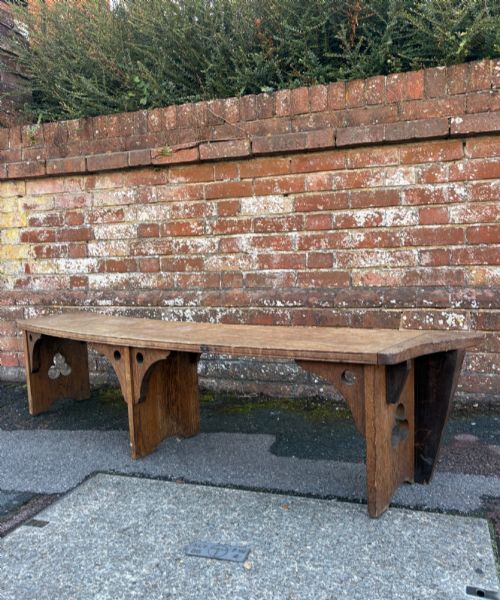
Mixing revival styles works well when pieces share a common material or general era, such as pairing oak Gothic benches with Victorian tables.
Balancing heavy carved sideboards with simpler seating helps prevent a dining room from feeling overcrowded.
How do I identify a Sheraton Revival piece?
Look for satinwood or mahogany timbers decorated with delicate marquetry inlay and subtle curved bow-front structures.
These items usually feature slender tapered legs and classical neoclassical motifs rather than heavy medieval carving.