

Revival Chest of Drawers
A revival chest of drawers brings earlier centuries of cabinetmaking into Edwardian and twentieth-century bedrooms with deliberate historical ambition.
Revival Chest of Drawers
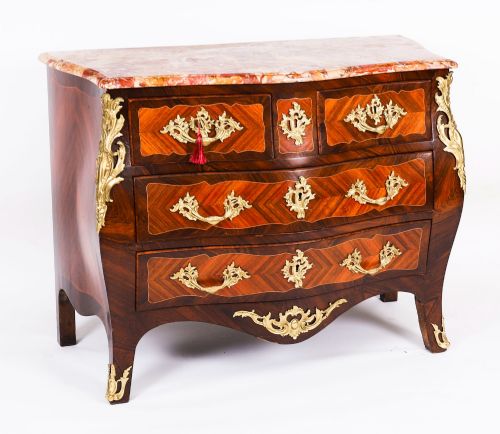
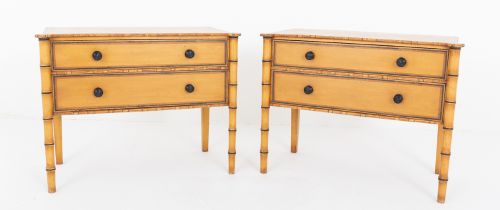
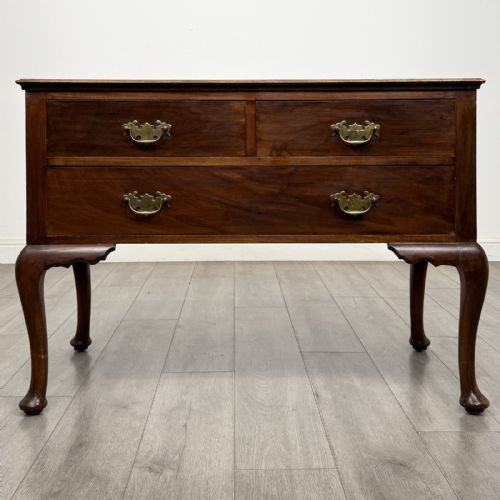
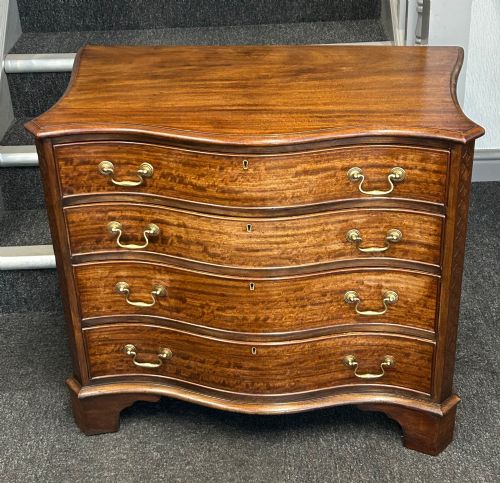
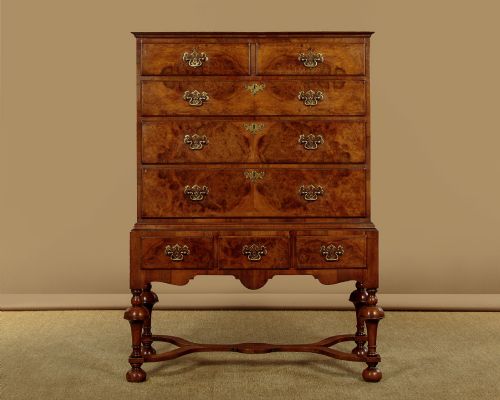
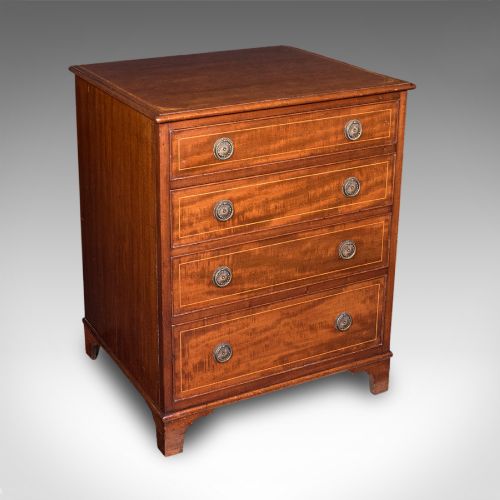
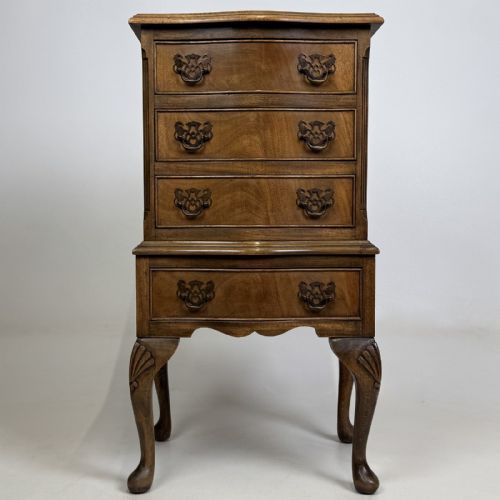
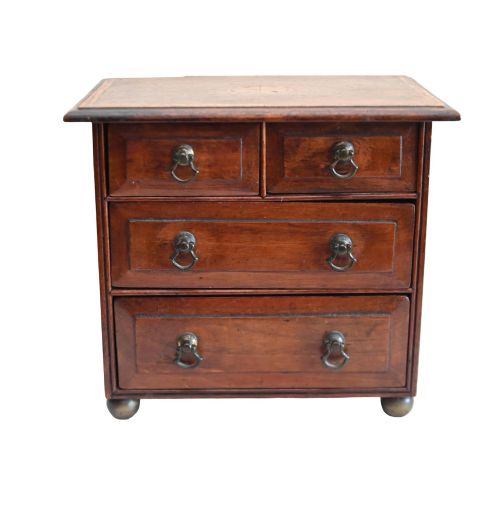
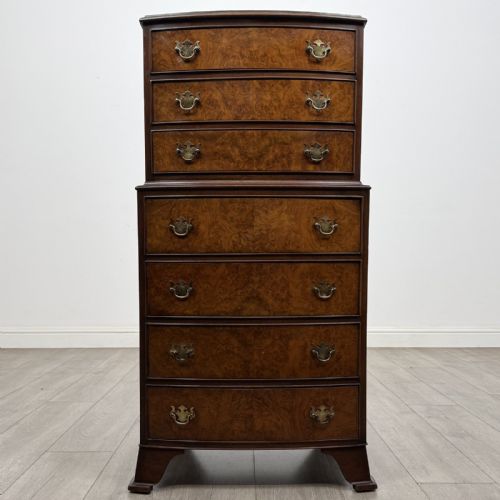
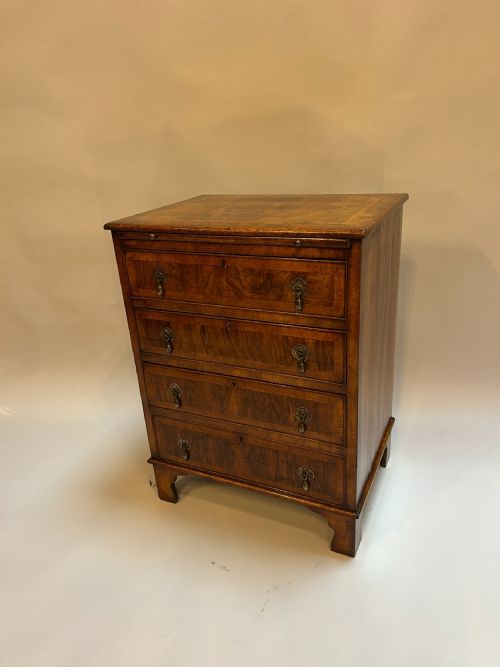
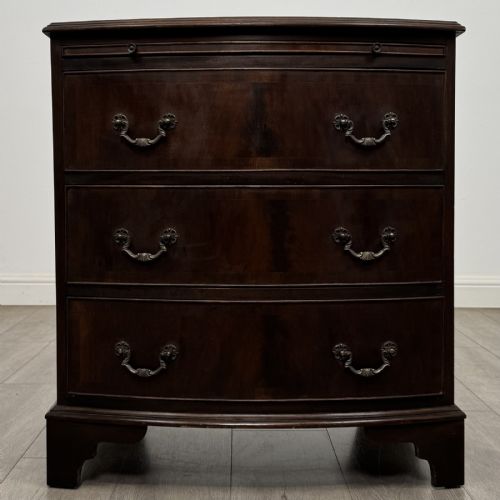
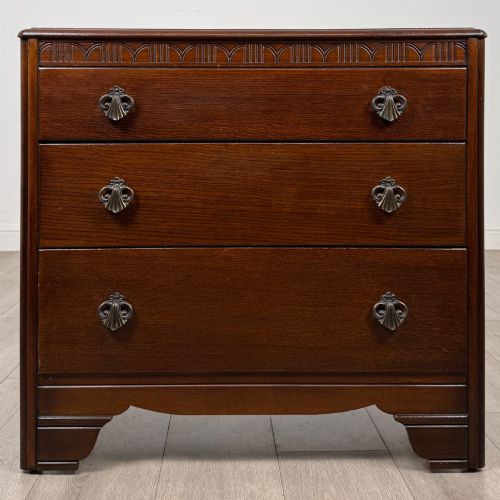
A revival chest of drawers copies the proportions, ornament and wood choices of distinct past eras, most frequently drawing upon Georgian, Edwardian and Victorian interpretations of earlier styles. These pieces range from compact bedside cabinets and tallboys to serpentine drawer chests built in mahogany, oak and walnut.
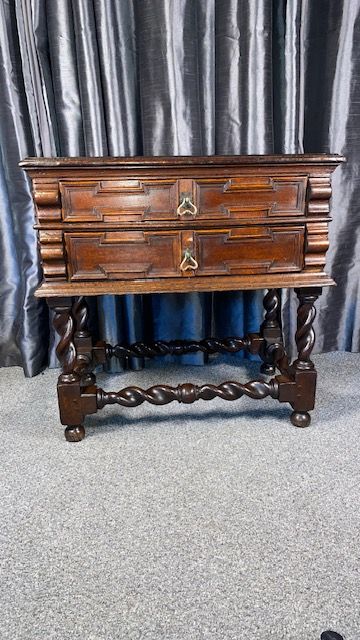
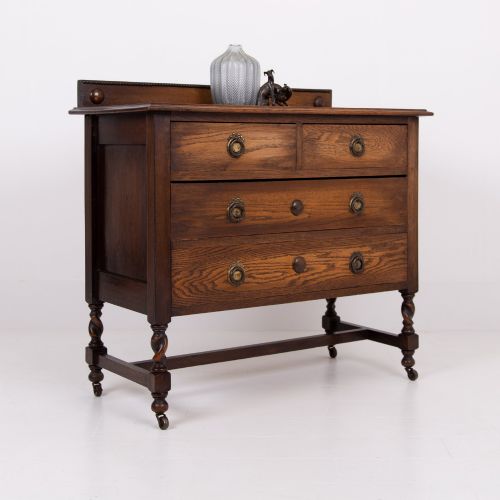
The versions most commonly met span the late nineteenth century through to the nineteen-twenties, reflecting a prolonged domestic appetite for historical revivals. Makers of this period looked back to Georgian elegance, Jacobean solidity and French Louis designs, adapting older forms to suit modern bedroom storage needs.
Materials and Construction
Cabinetmakers relied heavily on mahogany, oak and walnut, frequently selecting figured timber veneers like burr walnut and laburnum oyster to create striking grain patterns on drawer fronts. Solid secondary woods form the drawer linings and carcases, whilst brass handles, keyplates and occasional gilt-bronze mounts provide functional metalwork.
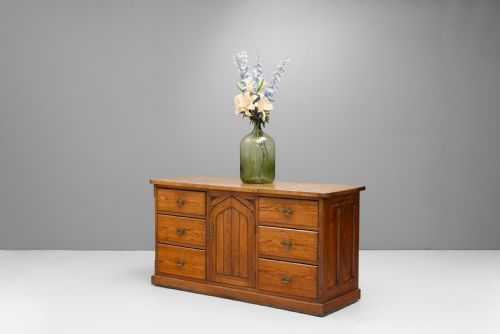
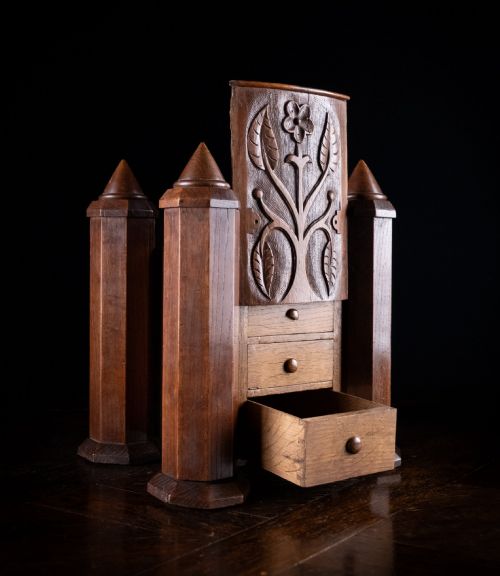
Construction techniques combine traditional joinery with the precision of early twentieth-century workshops, using dovetailed drawer construction and carved wooden details. Surface finishes involve polishing that highlights the natural figures of the wood, sometimes accompanied by painted satinwood decorations or intricate linenfold panels.
Revival Chest of Drawers Retail Price Guide 2026
Typical asking prices for revival chest of drawers among the pieces listed under this phrase on Sellingantiques today, from the lower quarter to the upper quarter. They describe what is for sale here now, not the wider market.
Hidden compartments tucked into Edwardian oak tallboys offer safe storage for secrets long forgotten by the original owners.
Factors That Separate the Grades
Quality rests upon the selection of timber veneers and the crispness of carved or applied ornament, distinguishing workshop production from standard commercial output. Pieces featuring book-matched burr walnut, finely inlaid brass strings or hand-carved mouldings occupy the upper tier of execution.
Structural integrity and proportion further define the better examples, where drawers run smoothly within well-squared carcases and original hardware remains intact. The ambition of the revival style itself dictates the standard, with complex serpentine fronts and multi-tiered tallboys demanding superior carpentry.
J Shoolbred·Shoolbred and Co
The Revival Chest of Drawers Glossary
- Tallboy
- A tall chest of drawers, often built in two sections with multiple drawer tiers to maximise vertical storage. This form gained popularity during the eighteenth century and saw frequent revival in the Edwardian era.
- Serpentine
- A curved front shape featuring a convex centre flanked by concave ends, creating an undulating line. It requires considerable skill from the woodworker to shape drawers and carcase frames precisely.
- Bachelors Chest
- A small, low chest of drawers traditionally fitted with a pull-down flap for writing or folding garments. Revival versions maintain this compact footprint and dual-purpose design.
- Linenfold
- A carved wooden panel motif resembling folded cloth or linen, characteristic of late medieval and Tudor woodwork. Revival pieces incorporate this texture onto drawer fronts and cabinet doors.
Revival Chest of Drawers: Frequently Asked Questions
What periods do these revival pieces represent?
These pieces draw upon historical eras spanning from the seventeenth-century Jacobean period through to Georgian, Victorian and French court styles. Makers reinterpreted these distinct historical aesthetics during the late nineteenth and early twentieth centuries.
Most surviving examples date from the Edwardian era and the decades immediately following up to nineteen-thirty. They reflect the period taste for historical continuity within domestic interior decoration.
How do I identify a revival chest from an original antique?
Examination of the internal construction, secondary timbers and hardware provides the clearest indication of age. Revival pieces from the twentieth century often display machine-assisted dovetails and modern backing timbers behind historical facades.
Stylistic proportions and the type of finish applied to the wood further separate revival furniture from authentic earlier examples. The evidence shows distinct twentieth-century manufacturing signatures paired with older stylistic vocabulary.
Where should I place a bedside chest of drawers?
Compact revival chests and bedside tables suit bedroom layouts where surface space and enclosed drawer storage are both required next to a bed. Their varied heights and footprints accommodate different bed frames from single widths to larger proportions.
These pieces also function effectively as small side tables in hallways or reception rooms. Their decorative veneers and carved details allow them to stand independently against living space walls.
How should I care for polished mahogany and walnut surfaces?
Maintenance requires regular dusting with a soft, dry cloth to prevent particulate accumulation on polished wood and veneer surfaces. Avoiding direct sunlight protects sensitive burr walnut and mahogany from fading over time.
Periodic application of appropriate furniture wax preserves the lustre of the timber and feeds the historic polish. Excessive moisture must be avoided to protect both the wood and any applied brass or gilt-bronze mounts.