

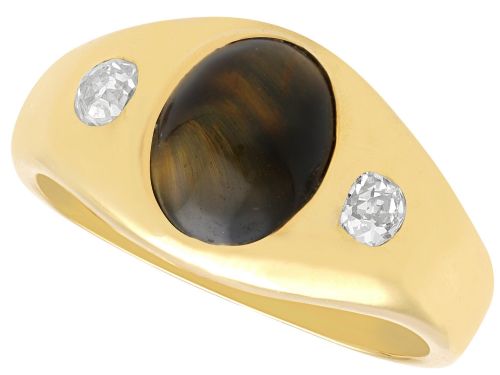
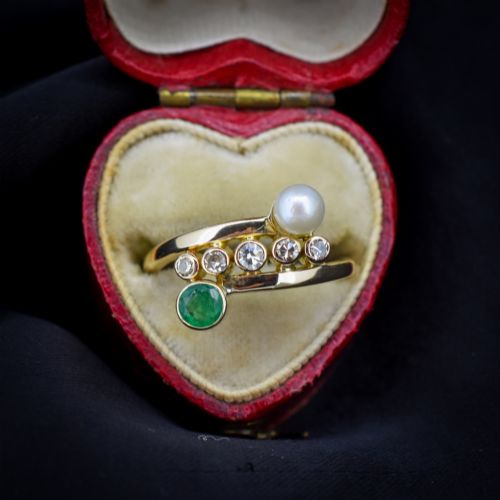
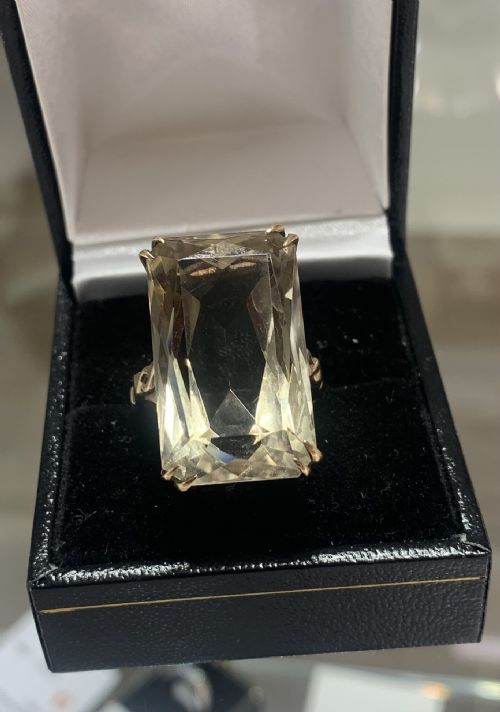
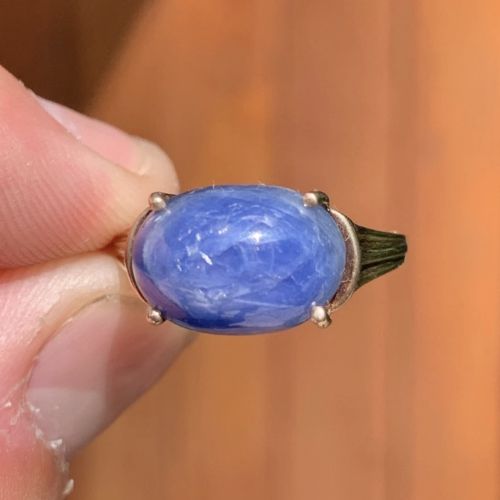
Retro Yellow Gold Ring
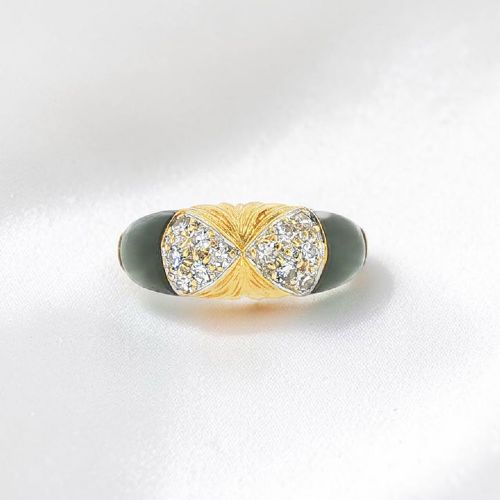
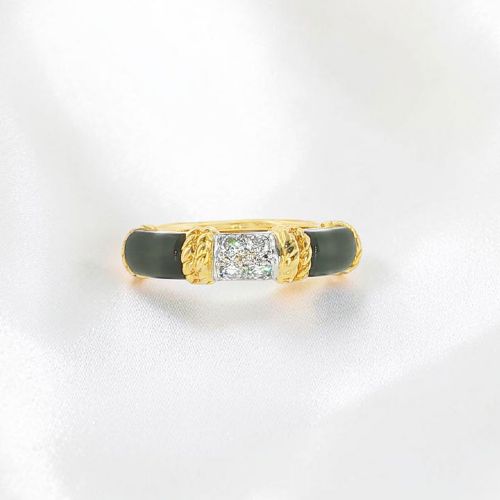
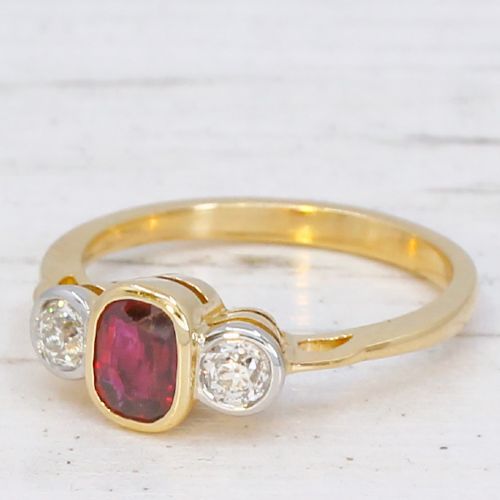
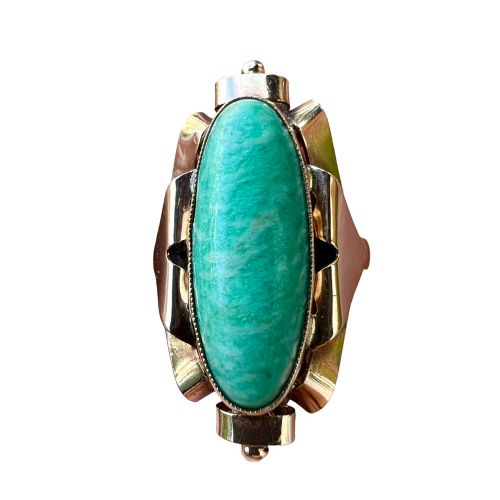
A retro yellow gold ring brings bold mid-century character and warm metal tones to the hand.
Retro Yellow Gold Ring
A retro yellow gold ring gathers pieces shaped by mid-century modern, Art Deco, and 1940s aesthetics into a cohesive group. Buyers searching this phrase meet cocktail rings, signet rings, and cluster designs produced across the twentieth century.
The material palette centres on 18ct yellow gold and 9ct yellow gold, paired frequently with platinum, white gold, and distinct gemstones. Pieces from the 1950s and 1960s dominate the selection, alongside items stretching back to the Edwardian era and 19th century.
Makers and designers from London workshops and continental houses contribute structured statement bands, bombé shapes, and floral arrangements. These jewels reflect the inventive metalwork and bold gemstone pairings characteristic of mid-century design.
Materials and construction methods
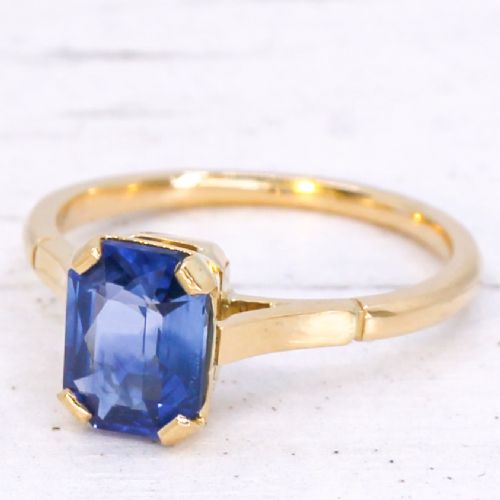
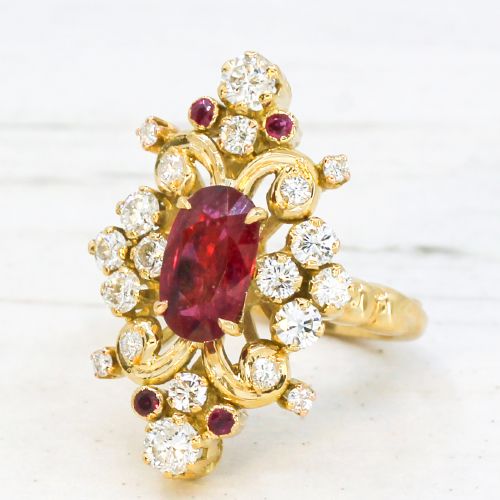
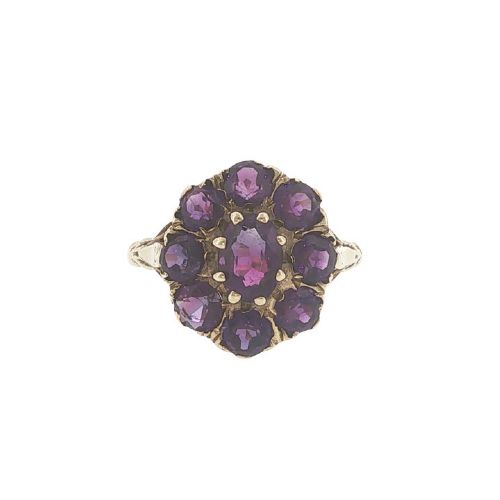
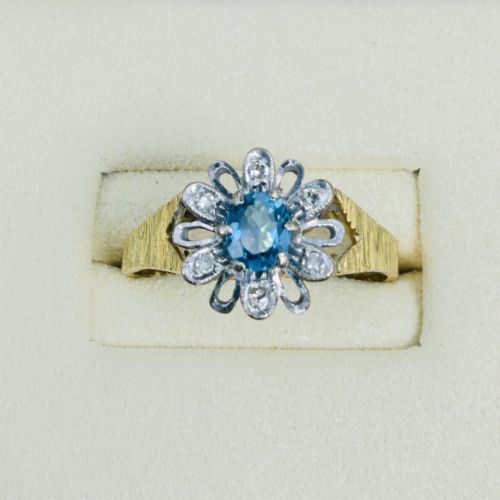
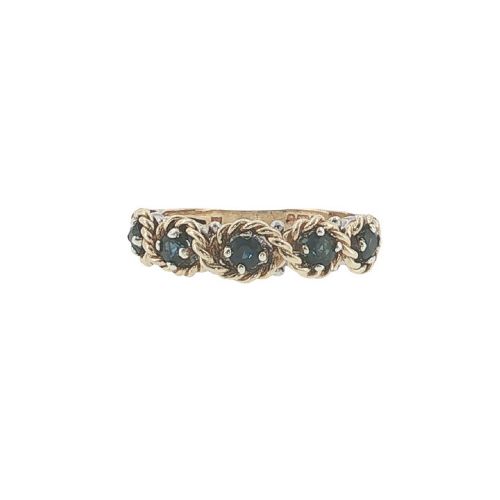
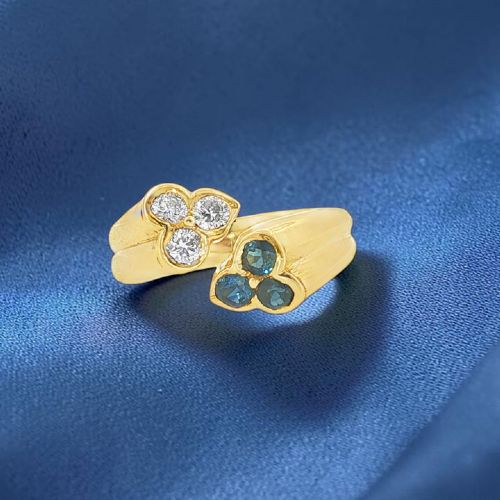
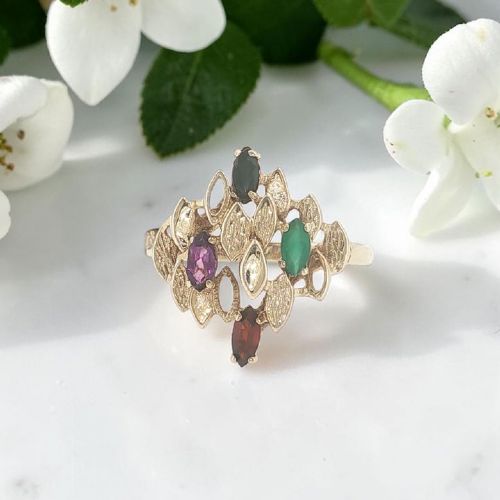
Goldsmiths shaped these pieces using 18ct and 9ct yellow gold, often combining white gold, platinum, and enamel to create contrasting metal tones. Stones including Ceylon sapphires, Burma rubies, aquamarines, amethysts, and diamonds were secured in claw, bezel, and cluster settings.
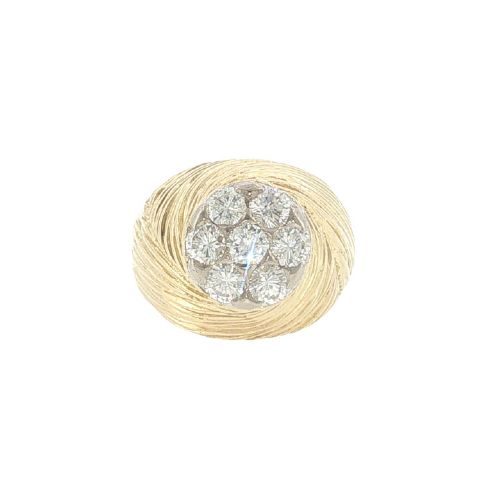
Techniques range from textured casting and geometric lattice work to meticulous hand-cut pavé and old-cut diamond arrangements. Workshops employed heavy gauge gold to build substantial cocktail rings and architectural tank ring profiles.
Retro Yellow Gold Ring Retail Price Guide 2026
Typical asking prices for retro yellow gold ring among the pieces listed under this phrase on Sellingantiques today, from the lower quarter to the upper quarter. They describe what is for sale here now, not the wider market.
Listings span periods from the 19th century through the 1960s and beyond, utilising 18ct gold, platinum, sapphire, and diamond.
Qualities that distinguish individual pieces
Quality rests upon the weight and integrity of the gold work, alongside the caliber and origin of the set gemstones. Superior examples display crisp casting textures, secure stone retention, and balanced proportions that define mid-century craftsmanship.
Makership plays a central role, with signed pieces from established London houses commanding attention for their design ambition. The presence of untreated coloured gemstones or substantial old-cut diamonds elevates the standing of a ring within this genre.
Kutchinsky
The Retro Yellow Gold Ring Glossary
- Cluster ring
- A ring featuring a central gemstone surrounded by a group of smaller stones, typically diamonds.
- Bombé ring
- A domed, voluminous ring style popular in mid-century jewellery design.
- Tank ring
- A chunky, geometric ring style inspired by military machinery, originating in the 1940s.
- Signet ring
- A solid band featuring a flat top surface, historically used for stamping seals.
- Old-cut diamond
- A diamond cut with facets that predate modern brilliant-cut geometry, offering a softer sparkle.
Retro Yellow Gold Ring: Frequently Asked Questions
What is a retro yellow gold ring?
A retro yellow gold ring is a piece of jewellery created during the mid-twentieth century, featuring warm gold tones and bold geometric or organic designs. These items often incorporate striking gemstones such as aquamarine, sapphire, and diamond.
Such rings reflect the shift towards heavier, sculptural metalwork that followed the austerity of the Second World War. They remain popular for their distinctive personality and enduring craftsmanship.
How do I date these rings?
Dating relies on hallmark evidence, metal combinations, and stylistic clues such as tank ring profiles or modernist lattice work. Assay office marks and London date letters provide precise years for many British pieces.
Earlier items from the Edwardian period or 19th century show lighter wirework and different setting techniques compared to post-war 1950s and 1960s productions.
How were cocktail rings worn?
Cocktail rings were designed as oversized, attention-grabbing statement pieces worn primarily at evening social gatherings. Their large gemstones and sculptural gold mounts were meant to catch the eye across a room.
Some collectors pair them with matching side bands or wear them as solitary focal points on the hand.
Are these rings suitable for daily wear?
Most solid gold rings from this era tolerate everyday use well, provided the setting work remains secure and robust. Heavier 18ct gold bands and sturdy cluster designs handle daily routines with ease.
Jewellery set with softer stones or delicate decorative elements benefits from mindful care during active tasks.